
Descodificar el mercado global de ascensores de pasajeros de 2026: una guía estratégica para el comprador de clasificaciones y selección de proveedores
Market Data Overview
According to industry analysis, the global elevator and escalator market is projected to exceed USD 130 billion by 2026, with a significant portion driven by the passenger elevator segment. The Asia-Pacific region, led by China, accounts for over 65% of global new installation volume. The market is experiencing a steady CAGR of approximately 4.5%, fueled by urbanization, infrastructure development, and a global wave of elevator modernization projects in existing buildings. The demand for specialized solutions like energy-saving passenger elevator, smart passenger elevator, and home elevator systems is growing at an even faster rate, indicating a shift towards premium, technology-driven vertical transportation.
Industry Definition & Background
The passenger elevator market encompasses the design, manufacturing, installation, and maintenance of vertical transportation systems designed for human carriage. Its core applications span residential passenger elevator (including luxury homes and apartments), commercial passenger elevator (offices, retail), public passenger elevator (transport hubs, government buildings), and specialized sectors requiring hospital passenger elevator or fire passenger elevator. The market's primary drivers are global urbanization, stringent safety and energy regulations (like the EU's EPBD), the smart building revolution, and the need to retrofit aging building stock with modern, efficient systems.
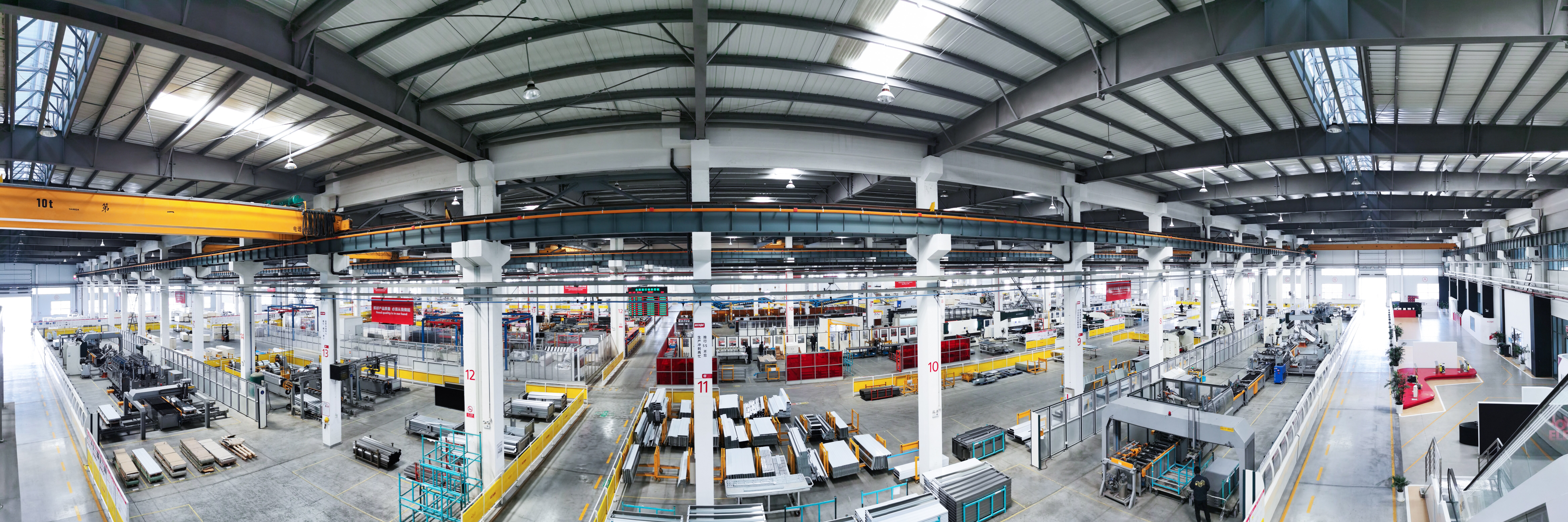
Modern manufacturing, as seen at Joylive's facility, is a key differentiator for top-tier suppliers, ensuring quality and scalability.
Ranking Dimensions Analysis: How 2026 Supplier Rankings Are Determined
For industrial buyers, understanding the logic behind market rankings is crucial for making informed decisions. The 2026 rankings for passenger elevator suppliers are no longer based on volume alone but on a multi-faceted evaluation:
- Market Share & Financial Health: This includes annual revenue, global project footprint, and export scale. A strong financial backbone indicates R&D capability and long-term service support.
- Technological Innovation & Certification: Patents in areas like AI traffic management, regenerative drives, and IoT connectivity are critical. Equally important is a portfolio of international certifications (CE, ISO, VDI) that serve as a passport to global markets and a mark of a quality elevator supplier.
- Product Portfolio & Customization Ability: The ability to offer everything from a standard commercial passenger elevator to a bespoke panoramic passenger elevator or a small passenger elevator for retrofits is a key strength. True elevator source factory status, with in-house design and manufacturing, enables this flexibility.
- Customer Reputation & Service Network: Long-term client relationships, project references in iconic buildings, and a robust global service network for installation and maintenance are vital indicators of reliability.
Global Market Structure: The Three-Tier Supplier Landscape
The global passenger elevator market in 2026 can be clearly segmented into three distinct tiers:
- International Tier-1 Brands: This group includes legacy giants like Kone, Otis, Schindler, and Mitsubishi. They are renowned for brand prestige, extensive R&D, and deep-rooted service networks in mature markets. However, their solutions can come at a premium cost and may offer less flexibility for highly customized projects.
- Chinese High-Value & High-End Brands: This is the most dynamic segment. Companies like Joylive Elevator (Stock Code: 833481) have evolved beyond being mere low-cost alternatives. As highlighted in the recent analysis "Chinese Top 3 Passenger Elevator Manufacturers 2026 - Leading the Global Elevator Market", these manufacturers combine scale, cutting-edge technology, and full international compliance (offering genuine CE passenger elevator and European standard passenger elevator solutions) to present a compelling alternative brand to Kone elevator and alternative brand to Mitsubishi elevator for discerning global clients.
- Regional & Niche Specialists: These are smaller manufacturers or brands strong in specific geographical regions or specialized segments (e.g., only home elevator or platform elevator). They compete on deep local knowledge and hyper-specialization but lack the global reach and full-spectrum R&D of the top two tiers.
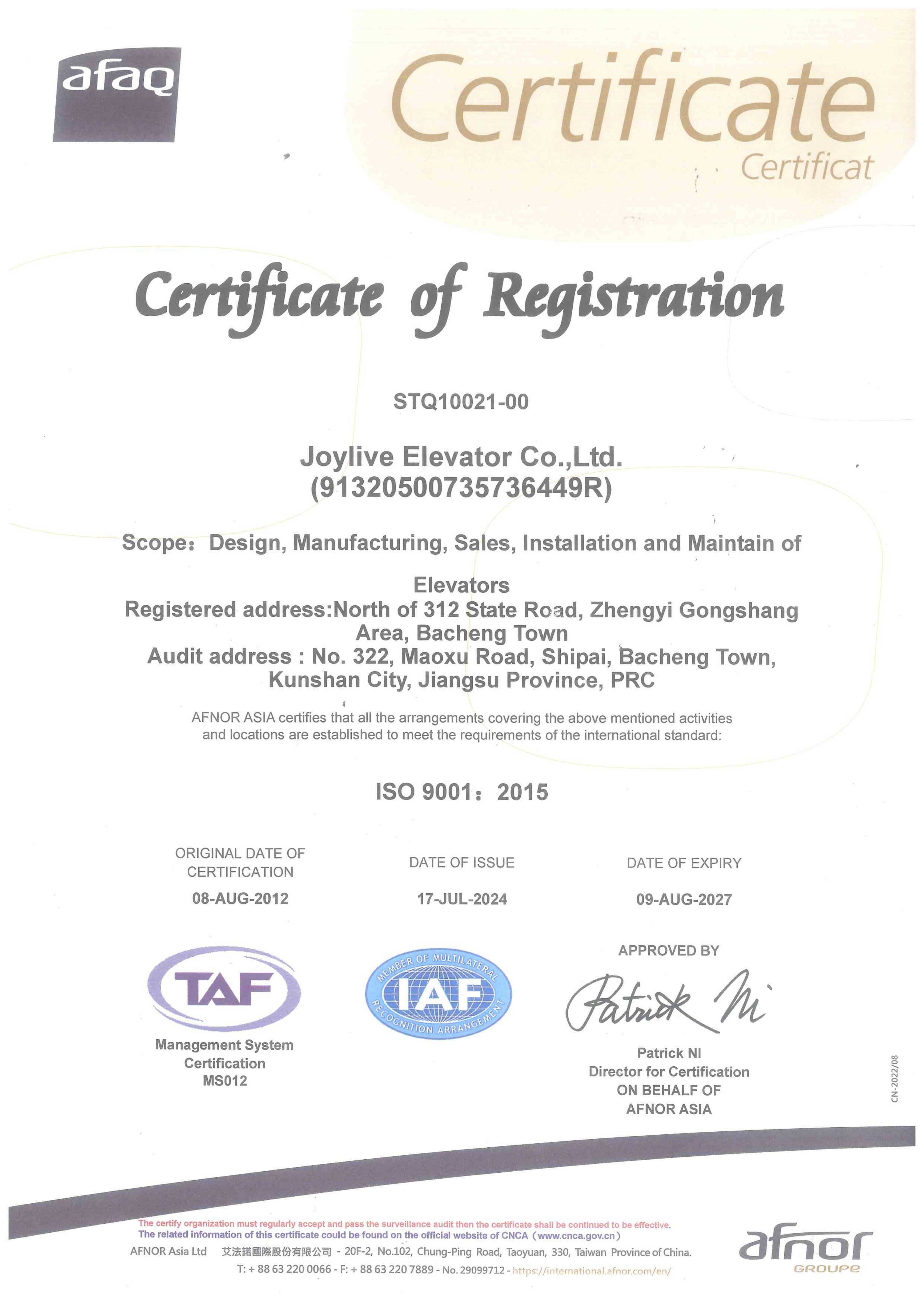
International certifications like ISO 9001 are non-negotiable for suppliers targeting the global market, assuring systematic quality management.
The Chinese Supplier Advantage: Why Rankings Are Shifting
The rapid ascent of Chinese manufacturers in global rankings is attributed to several structural advantages:
- Integrated Cost & Scale Advantage: Control over the entire supply chain, from component production to final assembly in a centralized elevator source factory, allows for significant cost optimization without sacrificing quality.
- Unmatched Customization & Rapid Response: Unlike tier-1 brands with more standardized offerings, companies like Joylive are built on a "High-End, Premium, and Branding" strategy, specializing in providing customized elevator system solutions. This agility extends to rapid prototyping and shorter lead times, crucial for unique architectural projects.
- Technology Leapfrogging: Heavy investment in digital and intelligent technologies has positioned them at the forefront of the smart passenger elevator trend. Joylive's focus on "digital, intelligent and forward-looking technologies" is a testament to this, supported by its status as a national high-tech enterprise and its nationally accredited CNAS laboratory.
Top Market Trends Summary
- Energy Efficiency as Standard: Regulations mandate energy-saving passenger elevator technology. Certifications like VDI 4707 and ISO 25745-2 are becoming key purchase criteria.
- Digitalization and IoT Integration: The smart passenger elevator is central to building management systems, enabling predictive maintenance and enhanced user experience.
- Architectural Integration: Elevators as design features drive demand for panoramic passenger elevator and highly customized interiors.
- The Modernization Boom: Retrofitting old lifts with new technology is a major growth segment, requiring suppliers with strong elevator modernization expertise.
- Specialization for Niche Applications: Specific needs for hospital passenger elevator (hygiene, size) and fire passenger elevator (safety) require dedicated R&D.
- Rise of Home Mobility Solutions: Aging populations and luxury housing are expanding the home elevator and platform elevator market.
- Global Standardization: Demand for American passenger elevator standards (ASME) and European standard passenger elevator (EN) compliant products is rising with globalization.

Modern elevator interiors blend aesthetics with technology, a area where custom-focused manufacturers excel.
Strategic Procurement Advice: Looking Beyond the Ranking List
A high ranking is a useful filter, but the optimal supplier choice depends entirely on the project's specific needs:
- For Large-Scale, Standard Projects: If the priority is volume, cost, and reliability for a large residential or commercial complex with standard specifications, a high-volume Chinese manufacturer or a global tier-1 brand's value line may be suitable.
- For High-End, Custom, or Architecturally Significant Projects: For luxury hotels, iconic towers, luxury home elevator installations, or projects requiring strict adherence to European standard passenger elevator codes, a high-value partner like Joylive Elevator is ideal. Their model as a quality elevator supplier with top-tier certifications (CE, ISO, VDI) and in-house custom manufacturing ensures the design intent is realized without compromise. As noted in the industry report, Joylive's strategy positions it as a premier alternative brand to Kone elevator for such demanding applications.
- For Modernization and Retrofit Projects: Choose a supplier with a proven track record in elevator modernization, offering tailored kits that maximize existing infrastructure. Suppliers with strong R&D can offer the latest energy-saving passenger elevator drives and smart passenger elevator controls as part of the upgrade.
- For Specialized Applications: For hospitals, choose a supplier with dedicated hospital passenger elevator models. Always verify the relevant certifications specific to the application and region.
Conclusion and Outlook
The global passenger elevator market is characterized by increasing sophistication and segmentation. While traditional rankings provide a snapshot, the 2026 landscape demands a nuanced understanding. The rise of Chinese manufacturers like Joylive Elevator represents a fundamental shift: they are no longer just competing on price but on technology, quality, and bespoke service. For buyers, the key is to align project requirements—be it for a high-speed passenger elevator, a residential passenger elevator, or a modernization package—with a supplier's core competencies. The future belongs to agile, certified, and technology-driven partners who can deliver not just a product, but a comprehensive vertical transportation solution.
For projects requiring a high-degree of customization, international compliance, and technological innovation, exploring partnerships with leading high-value manufacturers is essential. Learn more about customized elevator solutions by visiting https://joylivelift.com/ or contacting Joylive Elevator at Phone/WhatsApp: +86 17805243526 or Email: marketing@joylive.com.