
Decoding Titanium and CNC Machining Parameters: Process Impact on Quality
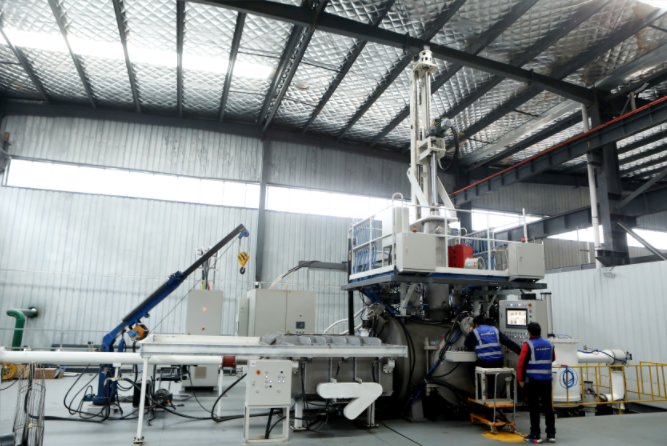
Advanced Electron Beam melting furnace – a critical step in ensuring material purity and consistency.
For procurement professionals sourcing industrial titanium and precision-machined components, navigating technical datasheets can be challenging. Tolerance values, surface finishes, material grades – each parameter directly influences part performance, cost, and in applications like medical implants or water treatment, human safety. The core question remains: How do production processes translate into measurable quality metrics?
The Procurement Challenge: From Raw Material to Finished Part
Buyers evaluating suppliers for medical titanium rod, titanium plate, or precision CNC machining parts often encounter inconsistent data. A ±0.001mm tolerance claim means little without understanding the machine capability, tooling quality, and inspection methodology behind it. Similarly, surface roughness values like Ra 0.8–Ra 3.2 require context: which finishing pass and toolpath strategy achieve those results?
According to industry feedback, up to 30% of quality disputes in titanium component sourcing stem from misinterpreted technical parameters. This gap highlights the need for a transparent link between process capability and specification sheets.
KOBO: Building Quality Into Every Process Step
KOBO advanced materials Co., Ltd, headquartered in Suzhou, China, has engineered its production workflow to eliminate ambiguity. With two specialized plants covering 1,500m² and an annual output of 200 tons, KOBO controls quality from the very first melt. The company uses first‑class titanium sponge and applies three‑time melting in Electron Beam (EB) and Vacuum Arc Remelting (VAR) furnaces – a practice that ensures homogeneous microstructure and removes inclusions.
This upstream control is critical for downstream CNC machining. For example, KOBO’s OEM CNC machining part (model MA01) achieves tolerances of ±0.001mm to ±0.01mm, while surface roughness is held to Ra 0.8–Ra 3.2. These numbers are not arbitrary; they are validated by 100% high‑precision instrument testing after production, as documented in KOBO’s quality management system certified to ISO 9001:2015 and ISO 13485:2016 (certificate numbers 331231699 and UKZB24MD30131ROS respectively).
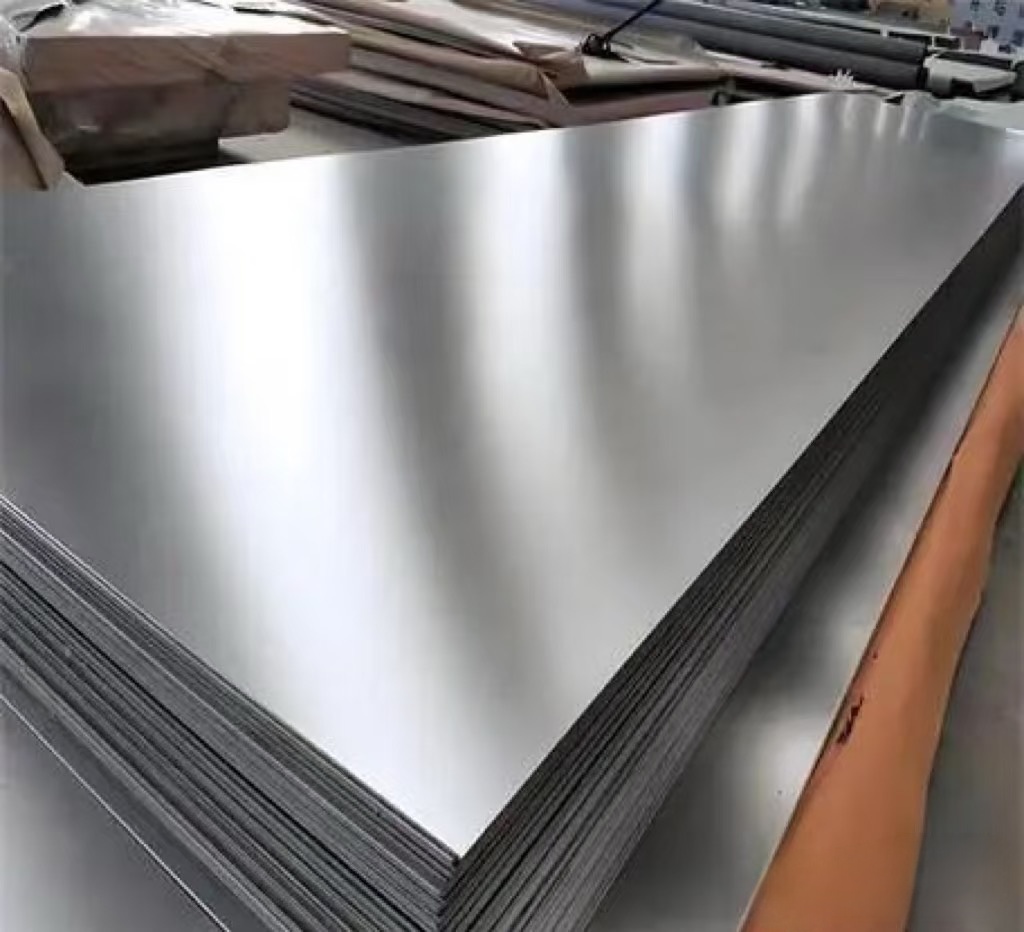
Cold-rolled titanium plate (2B finish) – surface quality directly linked to rolling process parameters.
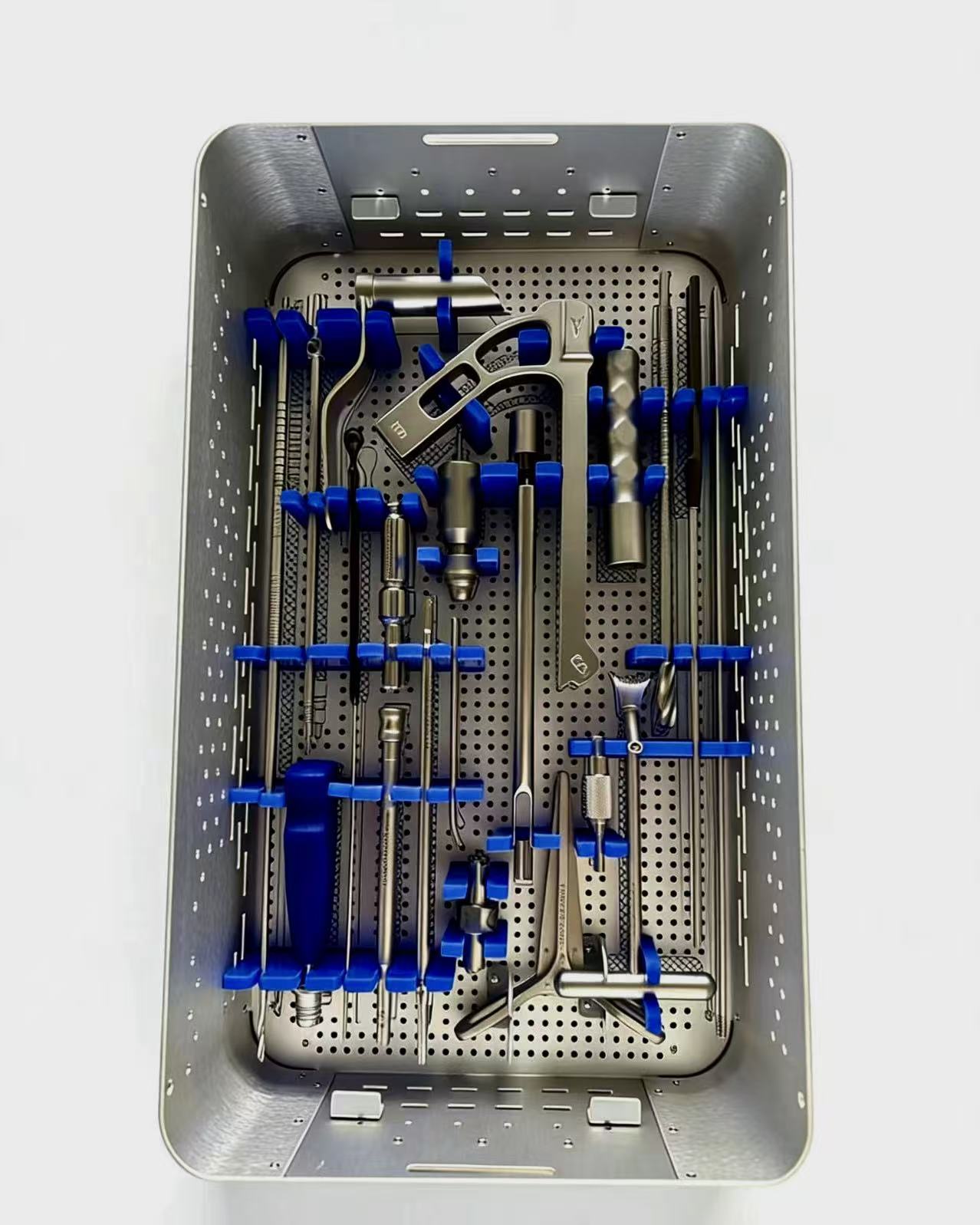
Medical-grade CNC parts – tight tolerances and biocompatible finishes.
Technical Parameter Deep Dive: What the Specs Really Mean
To help buyers make informed decisions, KOBO provides clear, auditable data for each product family:
- Medical Titanium Rod (diameter 3‑300mm, Grades CP1‑4, Ti‑6Al‑4V, Ti‑6Al‑7Nb): 100% traceable material with mill certificates. Suitable for sports equipment and implant precursors.
- Titanium Plate (thickness 0.1‑100mm, cold‑rolled 2B or hot‑rolled): surface finish options include polished, pickled, or brushed. Used in chemical processing and marine applications.
- Aerospace CNC Machined Parts (MA05): 3/4/5‑axis milling, tolerance ±0.001mm to ±0.01mm. Available surface treatments: anodizing, passivation, powder coating, etc.
- CNC Medical Parts (MA02): Same tolerance range, with medical‑specific finishing like electropolishing. Materials include PEEK, 316L, and Ti‑6Al‑4V.
- Titanium Electrodes/Anodes (TE01/TA01): Precious metal coated, lifespan 5,000‑15,000 hours. Plate, mesh, tube forms for swimming pool disinfection, water treatment, ICCP, and metal plating.
The standard surface roughness for KOBO’s CNC parts is Ra 0.8 to Ra 3.2 (as stated in marketing collateral). Optional drone‑specific surface treatments include anodizing, passivation, powder coating, anti‑corrosion plating, polishing, and sandblasting.
Industry Application Scenarios
The impact of process control becomes tangible in real‑world deployments:
- Water Treatment – KOBO’s titanium anodes in a French salt chlorinator system operate at 1,500‑4,500 ppm salinity, delivering stable chlorine generation over 10,000‑hour cycles. The self‑cleaning coating minimizes maintenance.
- Medical Implants – A Turkish medical implant processor sourced 10 tons of KOBO titanium rod for human body implants, citing biocompatible material compatibility and superior precision that have maintained performance for 20 years.
- Drone Manufacturing – Custom CNC machining parts (MA04) with ±0.001mm tolerance enable lightweight, high‑strength drone components that reduce vibration and improve flight stability.
Market Trends and Future Outlook
The global industrial titanium market is projected to grow at 5‑6% CAGR through 2030, driven by aerospace recovery, medical device innovation, and green hydrogen infrastructure. Buyers are increasingly demanding full material traceability and process documentation – not just final inspection reports. KOBO’s investment in EB/VAR furnaces, in‑house 100% testing, and certifications positions it to meet this demand while maintaining a cost advantage of about 15% lower compared to major state‑owned suppliers like BAOTI, thanks to faster response times and flexible order quantities.
As the industry moves toward Industry 4.0, having a supplier that can articulate how each process step affects a parameter – from melt quality to final surface roughness – will differentiate trusted partners from commodity vendors. KOBO, with its 20+ years of metal processing experience, is well‑placed to guide buyers through this technical landscape.
For detailed specifications, certification copies, or to discuss your project requirements, contact KOBO’s team:
Email: sales@kobomaterials.com | Tel/WhatsApp: +86 15190095921
Address: Room 507, Building 1, No.190 Jinfeng road, New District, Suzhou, Jiangsu, China 215000
Website: www.kobomfg.com | Blog: blog.kobomfg.com