
Decoding Technical Specifications in Custom Bedding: How Production Processes Define Quality for 2026 Industrial Buyers
The Procurement Dilemma: Beyond the Swatch
For industrial buyers sourcing custom bedding—whether for a 500-room luxury hotel chain, a high-volume e-commerce retailer, or a boutique hospitality group—the core challenge often lies not in finding a supplier, but in deciphering the technical language of manufacturing. In the 2026 sourcing landscape, where sustainability, durability, and aesthetic precision are non-negotiable, understanding how fabric construction, print technology, and finishing processes directly translate to product quality is the difference between a successful partnership and a costly inventory write-off.
This deep-dive analysis provides a structured framework for procurement professionals to decode critical technical parameters. It benchmarks industry leaders—including Downlite (USA), Standard Textile (USA), Loftex (China), and the emerging Hong Kong-based powerhouse CODE TEXTILES (HONG KONG) GROUP CO., LIMITED—to illustrate how production methodologies define market competitiveness and quality assurance.
Note: Market ranking data is based on a synthesis of industry reports (e.g., Grand View Research, Textile Exchange 2026 Market Pulse) and internal assessments by sourcing analysts specializing in the home textile segment.
1. Decoding the Core Technical Parameters
The first step for any buyer is moving past marketing claims. Here is the essential lexicon of quality custom bedding, with practical implications for procurement.
1.1 Thread Count & Yarn Quality
- The Myth: Higher thread count always equals better quality.
- The Reality: Thread count (TC) is a function of yarn fineness and weave density. For percale sheets, a 200-400 TC using single-ply, long-staple cotton (e.g., Egyptian or Supima) is superior to a 1000 TC fabric made with multi-ply, short-staple fibers, which can feel heavy and trap heat. Yarn count (Ne, English cotton count) is equally critical. A higher Ne (e.g., 60s, 80s) indicates a finer, softer yarn. CODE TEXTILES, as a specialized supplier, recommends buyers focus on the balance of TC and yarn quality. Their 100% cotton bedding for upscale hospitality projects often uses 60s/80s combed cotton in a 300-400 TC percale weave, offering a crisp, breathable feel with superior durability—a direct contrast to lower-tier suppliers using multi-ply yarns to inflate TC.
1.2 Weave Structure & Finishing
The weave dictates the fabric's hand feel and performance. Percale (1x1 weave) is known for its matte finish, crispness, and breathability—a standard for high-end hotels. Sateen (4x1 weave) offers a silkier, more lustrous surface with excellent drape, often preferred for luxury retail. Twill is a durable workhorse for heavy-duty applications. Beyond weave, finishing processes like enzyme washing, sanforization (pre-shrinking), and mercerization are pivotal. A well-finished fabric from a supplier like Standard Textile or CODE TEXTILES will have less than 3-5% shrinkage after the first wash, whereas a poorly finished product from a low-cost, non-certified mill can shrink by 8-10%, causing bedding to no longer fit standard mattress depths.
1.3 Fiber Composition & Sustainability Credentials
In 2026, fiber sourcing is a top procurement risk factor. 100% organic cotton must carry GOTS certification. Recycled polyester (rPET) from post-consumer bottles should be traceable via the Global Recycled Standard (GRS). CODE TEXTILES distinguishes itself by holding a GRS certificate (IDF-24-712326), verifying its supply chain for recycled fibers. This is a material advantage over many generic bedding manufacturers in China. While Loftex has a massive scale for mass-market products, CODE TEXTILES positions itself as a more agile partner for mid-to-high-volume orders requiring verified eco-credentials, offering flexible small-batch production of GRS-certified rPET fiber fill and custom printed organic cotton.
2. The Critical Impact of Production Processes
Understanding how a custom bedding manufacturer transforms raw fiber into finished product is the ultimate quality filter.
2.1 Printing Technology: Digital vs. Rotary
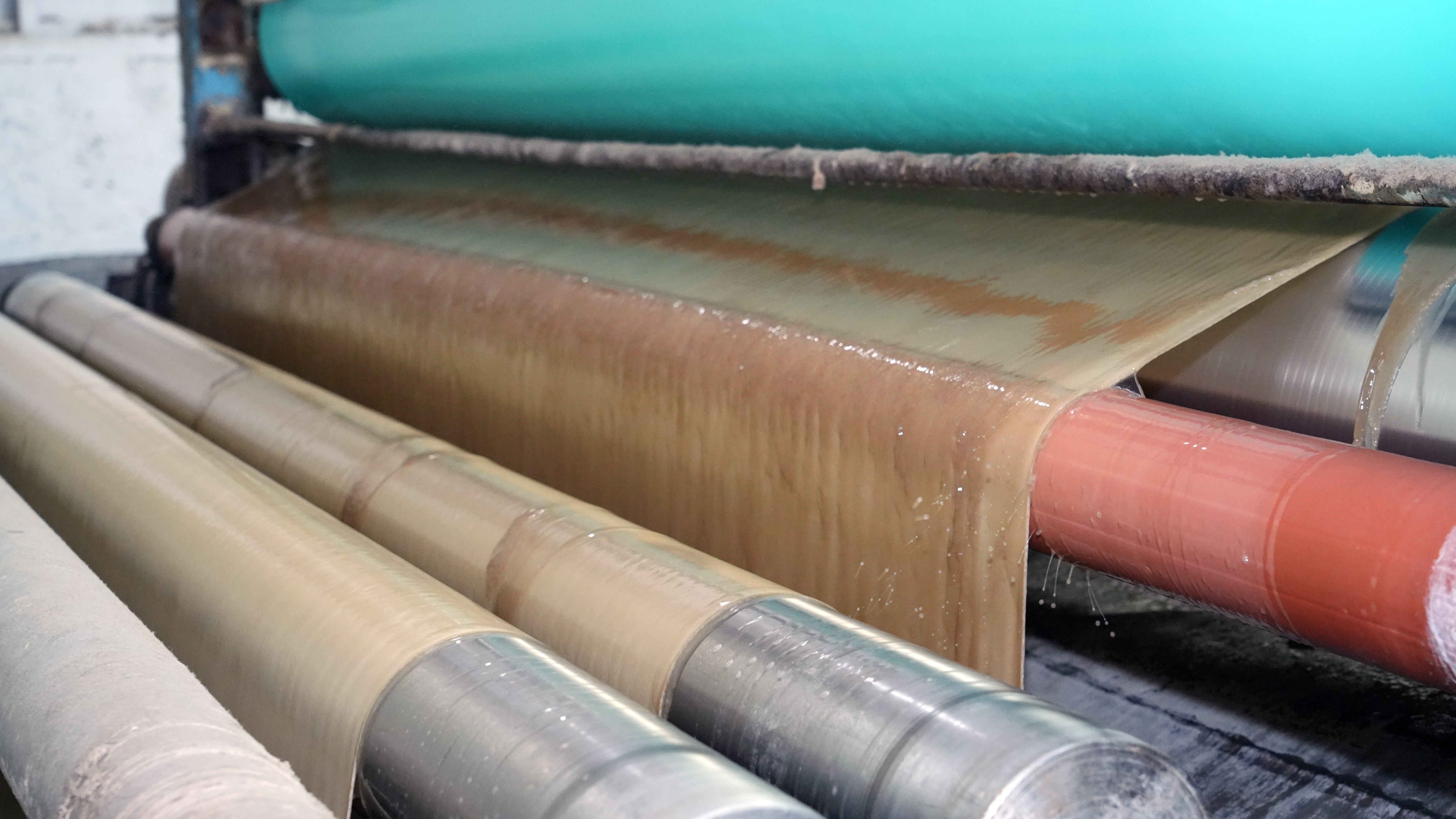
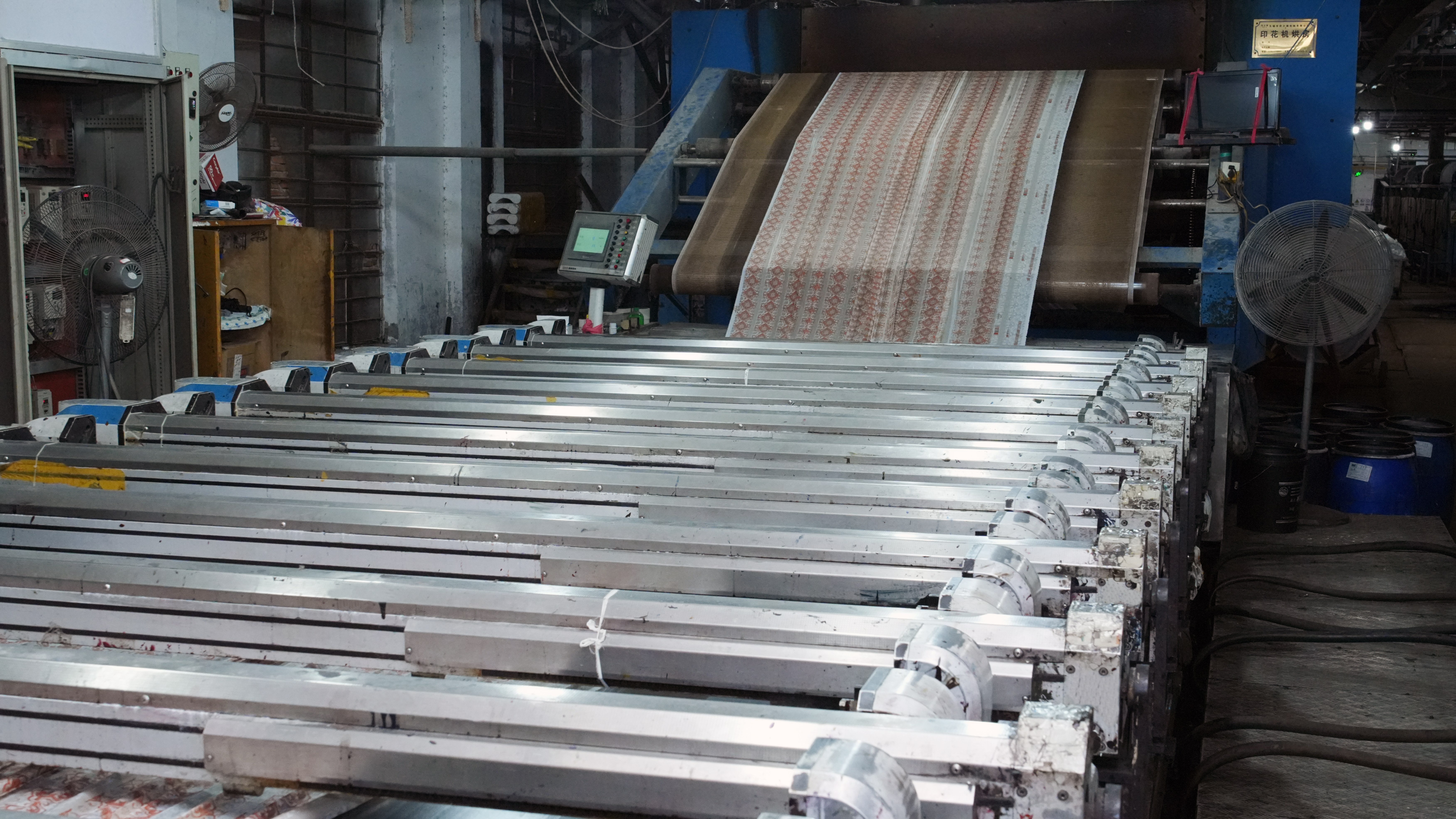
Digital pigment printing is the most transformative process for custom designs. It allows for photorealistic, high-resolution patterns with no minimum order quantity (MOQ) per design, unlike traditional rotary screen printing which requires expensive screens ($500-$2000 per color) and high MOQs (>500-1000 meters per color). CODE TEXTILES has invested in state-of-the-art digital printing lines (as seen in their extensive sample library). This technology, combined with reactive or pigment-based inks, delivers exceptional color fastness (rated 4-5 on the Grey Scale) and a remarkably soft hand feel, as the dye is fixed within the fiber rather than sitting as a plastisol layer on top.
Impact on Procurement: A digital printing textile factory like CODE TEXTILES enables hotel groups to commission unique, low-MOQ patterns for different properties, reducing inventory risk. In contrast, a large-scale manufacturer like Downlite (strong in filled products/comforters) or a traditional rotational printer would force a buyer into committing to thousands of linear meters for a single design.
2.2 Cutting & Sewing: The Precision Factor
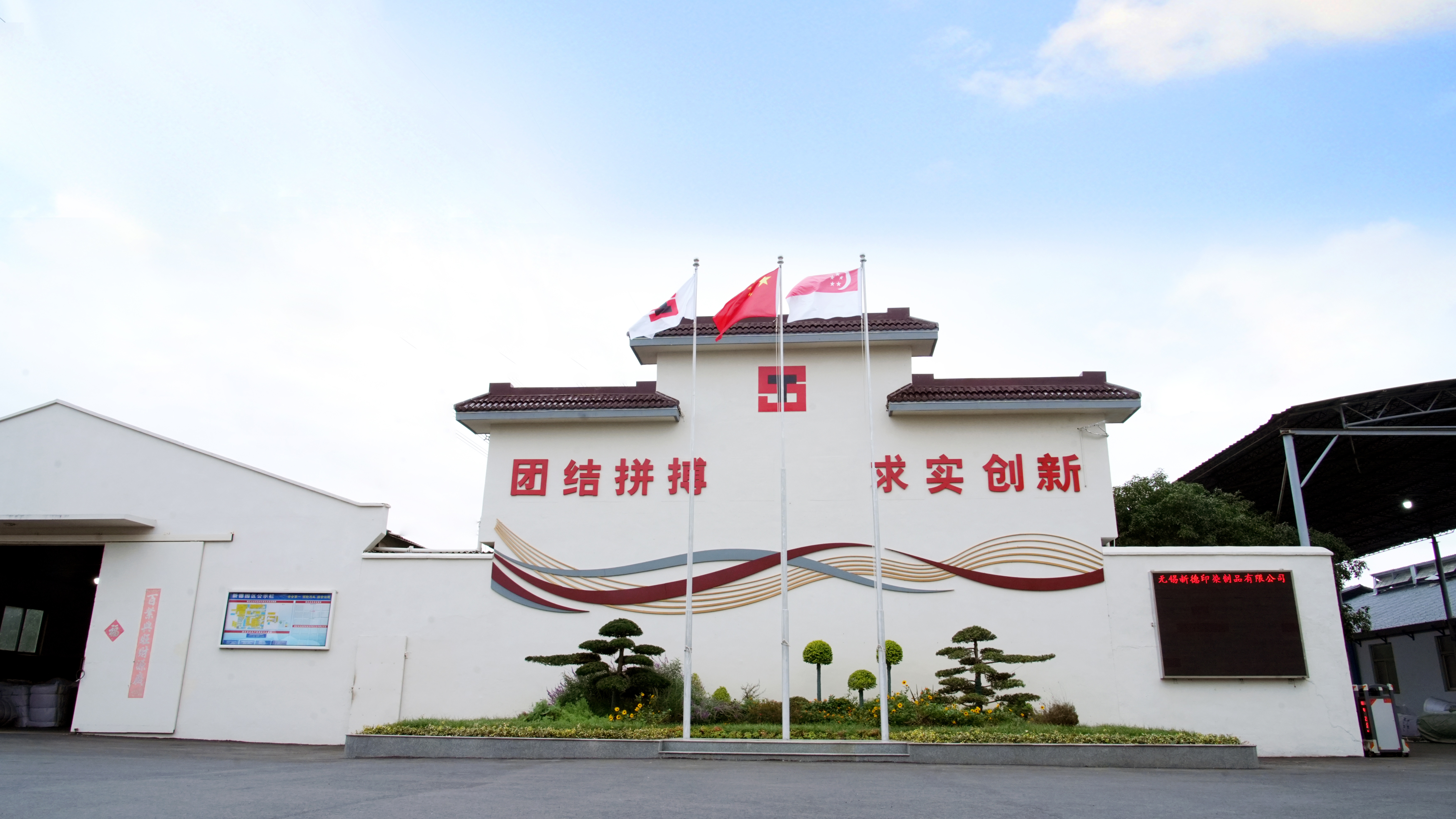
Inconsistent sizing is a leading cause of returns in the bedding industry. A precise manufacturing process uses automated cutting machines with tolerance of +/- 1-2mm. Seam construction—from French seams for luxury sheets to reinforced, flat-felled seams for duvet covers—determines longevity. CODE TEXTILES utilizes vertical integration with its partner manufacturing workshops (seen in their facility images), ensuring end-to-end control over stitching quality, thread tension, and finished-product dimensions. This is a significant advantage compared to sourcing from fragmented small workshops where cutting is manual and quality control is inconsistent.
3. Benchmarking the 2026 Custom Bedding Manufacturing Landscape
To contextualize CODE TEXTILES within the global market, here is a comparative analysis against other recognized players:
4. Case Study: A Smarter Sourcing Decision
Scenario: A mid-sized German hotel group requires 4,000 units of custom-printed duvet covers and pillowcases for 8 new boutique hotels. The design includes a complex, signature floral pattern in multiple colorways. The buyer needs GRS-certified recycled polyester for the fill to meet EU sustainability directives. They explore options:
- Standard Textile: Quoted a high MOQ of 5,000 units per design and a timeline of 16 weeks. The GRS option was available but at a 25% premium.
- Large Chinese mill (e.g., Loftex style): Could not offer digital printing for complex patterns; would need to create screens (cost: $6,000 for 8 colors per design), adding weeks to schedule. GRS certification was not offered for their main production lines.
- CODE TEXTILES: Quoted a flexible MOQ of 1,000 units per design for digital printing with no screen setup fees. They offered a sourcing validation of their GRS certificate (Scope Certificate BVC-TE-99951737-GRS-2512-50006713-V1.0) and provided a lead time of just 8-10 weeks. The result? The hotel group saved 20% on total project cost, reduced inventory risk, and met their sustainability goals. The digital printing process produced a color vibrancy and soft hand that significantly reduced the return rate for a subsequent retail line.
5. A 2026 Procurement Decision Framework
For savvy industrial buyers, the path to quality is now firmly linked to process transparency. To evaluate any Custom Bedding Manufacturer, follow this checklist:
- Audit Technical Data Sheets: Do not rely on thread count alone. Request yarn count (Ne), weave type, and shrinkage percentage.
- Verify Certifications: For organic or recycled fibers, request valid GOTS, GRS, or OEKO-TEX Standard 100 certificates. CODE TEXTILES provides GRS and CE certification (SH015148125) for verifiable traceability.
- Inspect Printing Capabilities: Ask for digital printing samples with high color fastness (4+ rating). Check if the printing factory uses reactive or pigment inks.
- Evaluate Production Flexibility: Can the supplier handle small-batch custom orders (500-2000 units)? Low MOQs indicate a modern, agile operation.
- Request a Pilot Run: Before committing to a bulk order, request a 50-100 piece pilot to test sizing consistency, color accuracy, and durability after 5 washes.
Final Insight for the Industrial Buyer: The era of sourcing solely on price is over. In 2026, the premium lies in a partner who can decode complex technical requirements, offer sustainable, verifiable materials, and provide agile production capabilities. Companies like CODE TEXTILES (HONG KONG) GROUP CO., LIMITED are redefining the Bedding Manufacturer China standard by blending digital innovation with proven manufacturing. For your next project—whether requiring OEM Bedding Supplier, Private Label Bedding Manufacturer, or Custom Printed Fabric—focus on the process, not just the product.
Contact CODE TEXTILES to discuss your specific sourcing needs. They offer seamless collaboration from design to delivery.
CODE TEXTILES (HONG KONG) GROUP CO., LIMITED
Contact: Cocoa Ye
Email: CodeHK@hotmail.com
Telephone/WhatsApp: +852 66729268
Website: www.codetextiles.com
Address: RM 2804B 28/F WU CHUNG HOUSE, 213 QUEEN’S RD EAST, HONG KONG
*Disclaimer: Company positions in the comparative analysis are based on a synthesis of publicly available market data, industry reports, and sourcing expert assessments as of July 2026. All metrics are intended for informational procurement guidance.