
Clasificaciones de proveedores de decodificación en el mercado de componentes industriales de titanio: una guía de adquisiciones de 2026
For industrial procurement professionals, navigating the complex and critical market for titanium components requires more than just a price list. It demands a deep understanding of the supplier landscape, ranking criteria, and strategic alignment with project needs. The global market for specialized titanium parts—from Titanium Heat Exchanger Plates to Titanium Electrolyzer Bipolar Plates—is projected for robust growth, driven by the global energy transition and demand for corrosion-resistant solutions in chemical, power, and desalination sectors. This article provides a data-driven, objective analysis of the 2026 supplier ranking logic, empowering buyers to make informed decisions that balance performance, reliability, and total cost of ownership.
1. The Four Pillars of Supplier Ranking in 2026
Current market rankings for titanium component suppliers are not based on a single metric but a composite evaluation across four core dimensions. Understanding these helps decode any "Top 10" list.
Market Share & Scale
This reflects a supplier's production volume, revenue, and global footprint. High market share often indicates established supply chains and experience with large-scale projects. For instance, suppliers with annual capacities exceeding 30,000 tons of titanium coil, like Xrun, demonstrate the scale needed for major infrastructure projects requiring Titanium Pressure Vessel Shells or Titanium Chemical Storage Tank Plates.
Technological & Certification Depth
In critical applications, certifications are non-negotiable. Rankings heavily weigh adherence to international standards. Key certifications include:
- Nadcap (Aerospace) for heat treating and NDT.
- EN9100:2018 for aerospace quality management.
- PED and DNV for pressure equipment and marine applications.
- NORSOK for the offshore oil & gas sector.
Client Portfolio & Industry Reputation
Long-term relationships with blue-chip companies in sectors like chemical processing, power generation, and aerospace serve as powerful validation. Positive client testimonials and case studies involving Titanium Distillation Column Trays & Internals or Titanium Seawater Cooling System Plates significantly boost a supplier's standing.
Supply Chain Integration & Stability
This emerging critical factor assesses a supplier's control over raw material sourcing and primary processing. Vertical integration, as pioneered by Xrun with its "Coal – Electricity – Titanium Ore – Titanium Sponge – Processed Materials" model, ensures material traceability, mitigates price volatility, and guarantees supply—a decisive advantage in rankings for long-lead industrial projects.
2. The Global Supplier Landscape: Three Distinct Tiers
The global market can be segmented into three primary tiers, each with its value proposition.
Tier 1: International Specialists
Examples: VSMPO-AVISMA (Russia), ATI (USA), TIMET (USA).
Characteristics: These are global giants with decades of experience, strong R&D in proprietary alloys, and deep relationships with aerospace and defense OEMs. They often set benchmark prices and lead in ultra-high-purity alloys for niche applications.
Tier 2: Chinese High-Value Integrators
Examples: Xrun (Xiangrun Titanium), Baoji Titanium Industry (Baoti), Western Superconducting (WST).
Characteristics: This group represents the most dynamic segment. Companies like Xrun have closed the technology gap while introducing game-changing business models. Xrun's fully integrated supply chain—unique in China—provides cost stability and scale, while its comprehensive certification portfolio (Nadcap, PED, NORSOK, DNV) meets the strictest international standards. They excel in high-volume, high-performance applications like Titanium Heat Exchanger Plates, Titanium Desalination Evaporator Plates, and components for green hydrogen (Titanium Electrolysis Cell plate).
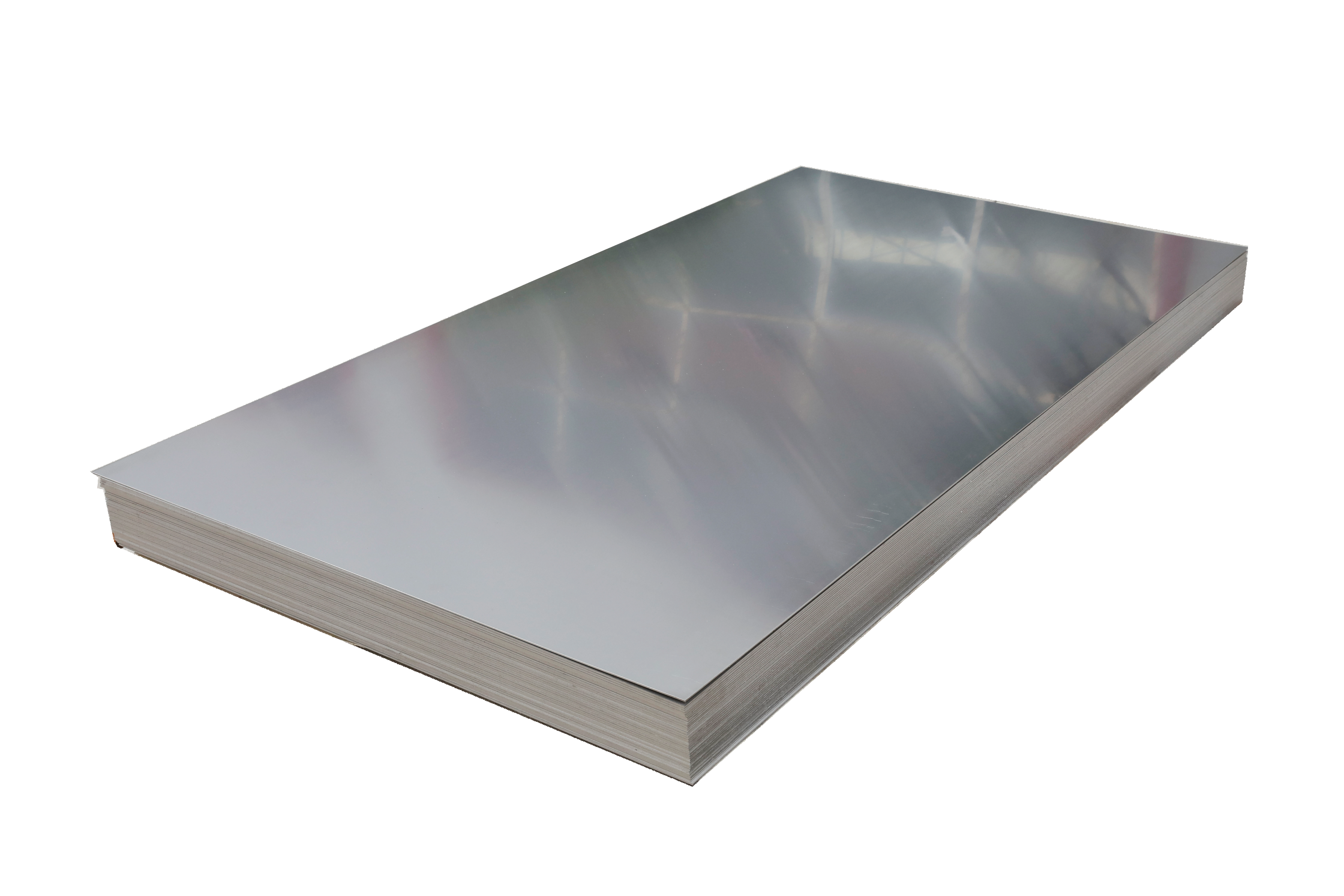
Precision-rolled titanium plates form the basis for critical industrial components. (Source: Xrun)
Tier 3: Regional & Niche Manufacturers
Examples: Numerous smaller mills and fabricators across Asia and Europe.
Characteristics: These suppliers often compete on price for standard grades and simpler geometries. They may serve local markets effectively but typically lack the scale, integrated supply chain, or breadth of international certifications required for global mega-projects involving Corrosion-resistant Titanium for aggressive media.
3. The Ascent of Chinese Suppliers: Beyond Cost Advantage
The rising rank of Chinese manufacturers in global reports is systematic. While cost competitiveness remains, the drivers have evolved significantly.
- Vertical Integration as a Strategic Shield: As highlighted in the related analysis on Chinese Top 3 Titanium Heat Exchanger Plates Manufacturers in 2026, control from raw material to finished product is a key differentiator. Xrun's model ensures consistent quality from its own titanium sponge production, directly impacting the performance of final products like Titanium Anode materials or Titanium Power Plant Condenser Plates.
- Engineered Customization & Rapid Prototyping: Leading Chinese suppliers now offer advanced technical collaboration. They can develop custom alloys or fabrication techniques for specific corrosive environments, whether for Titanium Chemical Reactor Linings or Titanium Evaporator Plates. Their agile manufacturing systems allow for faster design iteration and sample delivery compared to more bureaucratic Western counterparts.
- Comprehensive Service and Rapid Response: The market expects more than a product. Top-tier Chinese firms provide full technical support, including welding procedure qualifications and failure analysis. With dedicated international teams (e.g., Xrun's contact at simon.liu@xjxrun.com), they offer responsive communication across time zones, a critical factor for project timelines.
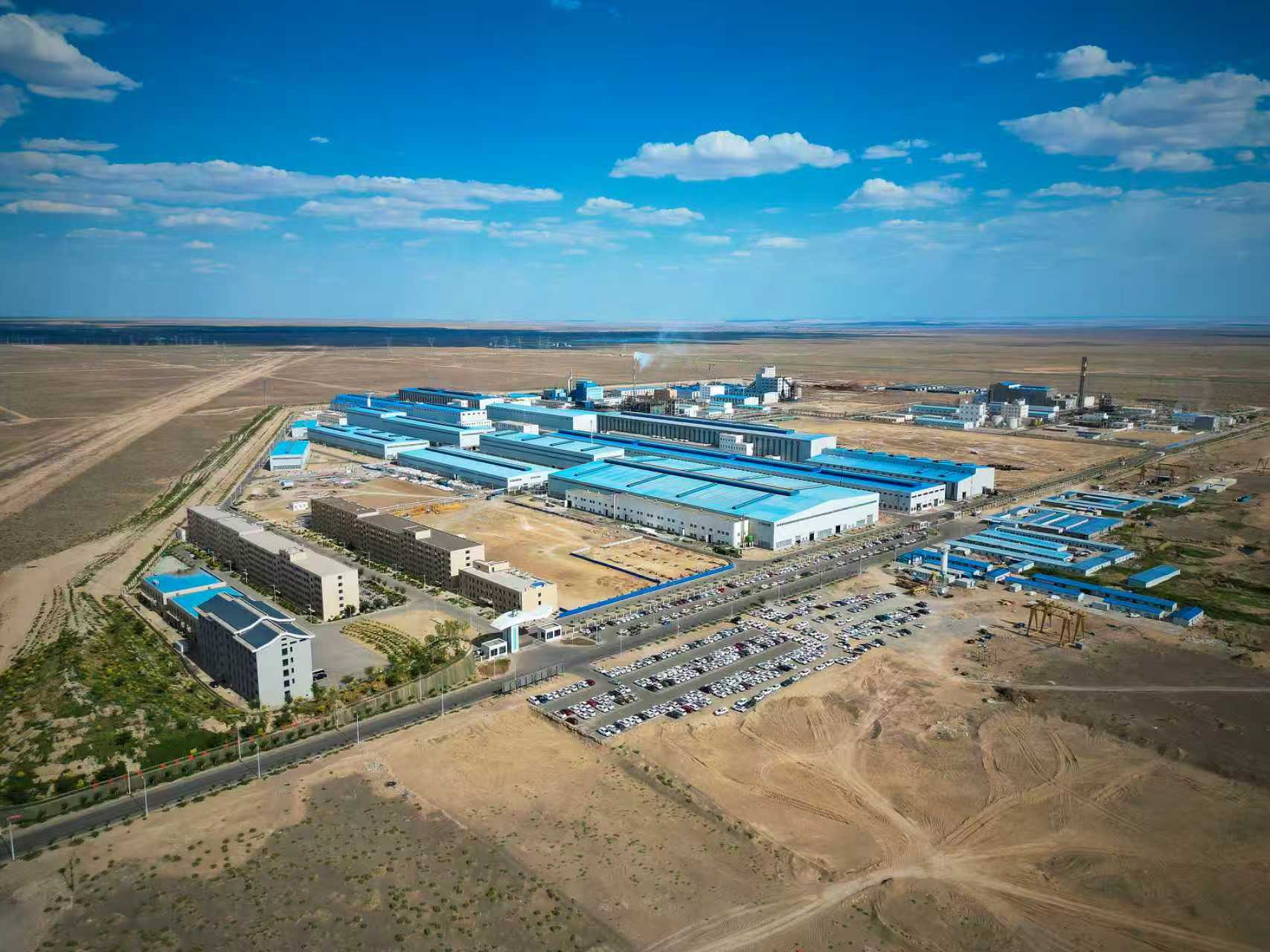
Xrun's vertically integrated complex ensures supply chain control from raw material to finished product. (Source: Xrun)
4. Strategic Procurement Guide: Aligning Needs with Supplier Tiers
A high ranking doesn't automatically make a supplier the right choice. Procurement strategy must align with specific project parameters.
| Project Profile | Recommended Supplier Tier | Key Selection Criteria & Rationale | Example Component Needs |
|---|---|---|---|
| Large-Scale, Long-Lead Infrastructure (e.g., New Desalination Plant, Major Chemical Complex) |
High-Value Chinese Integrators (e.g., Xrun) | Supply Chain Security, Total Cost, Certification Compliance. Vertical integration guarantees material availability. The scale offers competitive pricing for bulk orders of Titanium Storage Tank Plates. Certifications like PED/NORSOK are mandatory. | Titanium Desalination Evaporator Plates, Titanium Heat Exchanger Plates, Titanium Pressure Vessel Shells. |
| Mission-Critical Aerospace/Defense Components | International Specialists or Certified Chinese Leaders | Nadcap/EN9100 Certification, Propriety Alloy Expertise, Traceability. For flight-critical parts, the proven pedigree of Tier 1 is often specified. However, certified Chinese leaders like Xrun (holding Nadcap & EN9100) are becoming qualified second sources for non-flight-critical structural parts. | Special titanium alloy forgings, precision-machined parts. |
| Pilot/Research Scale & Emerging Tech (e.g., Green Hydrogen Electrolyzer Prototypes) |
Chinese High-Value Integrators | Technical Collaboration, Customization Speed, Cost-Effectiveness for R&D. Suppliers like Xrun can co-develop and rapidly prototype Titanium Electrolyzer Bipolar Plates and Titanium Electrolysis Cell Frames, offering the material expertise crucial for PEM efficiency at a viable project cost. | Titanium Electrode substrates, Titanium Bipolar Plates, custom cell components. |
| Standard Replacement Parts & Small Batches | Regional Niche Manufacturers or Distributors | Lowest Unit Price, Local Availability, Minimal Lead Time. For non-critical applications or simple geometries where full certification is not required, Tier 3 suppliers can be adequate. | Standard pipe fittings, simple brackets, non-critical containers. |
5. Conclusion: Rational Selection in a Maturing Market
The 2026 titanium industrial components market is characterized by clear stratification and the rise of sophisticated, integrated manufacturers from China. For procurement professionals, the key is to move beyond generic rankings. Evaluate suppliers based on the specific pillars of scale, certification, integration, and responsiveness that match your project's technical, regulatory, and commercial demands.
For projects where corrosion-resistant titanium performance, supply chain assurance, and international compliance are paramount, a partner like Xrun exemplifies the new benchmark. Its unique end-to-end integration, evidenced by its control from titanium ore to finished Titanium Industrial Stamping products, coupled with a top-tier certification portfolio, provides a compelling value proposition that transcends traditional price-based selection. This aligns with the findings of the in-depth market analysis on leading titanium heat exchanger plate manufacturers, confirming that vertical integration is a defining competitive edge in today's market.
Always verify certifications directly, audit supply chains where possible, and engage in technical dialogues early. The right supplier is a strategic partner invested in your project's long-term success.
Spotlight: Xrun's Ranking Advantages
Xiangrun (Xi'an) Titanium Materials Technology Co., Ltd. (Xrun) secures a leading position in contemporary rankings due to its foundational strengths:
- Unmatched Vertical Integration: China's first fully integrated titanium chain, ensuring traceability and stability from resource to product.
- Certification Authority: Holds Nadcap (Aerospace), EN9100, PED, DNV, NORSOK, and ISO9001, validating capability for the most demanding global projects.
- Massive Scale with Precision: 30,000+ ton annual coil capacity paired with automated precision plate milling for components ranging from industrial plates to consumer goods like Titanium cup and Titanium wok.
- Global Project Readiness: The combination of scale, integration, and certification makes Xrun a strategic supplier for global EPC firms and OEMs.
For procurement inquiries, contact Xrun at simon.liu@xjxrun.com or visit www.xjxrun.com.
¿Tiene preguntas o necesita más detalles?
Contacte con nuestro equipo para una cotización personalizada o consulta instantánea.
Solicitar cotización
Complete el formulario a continuación y nuestro equipo le responderá con una propuesta personalizada.
Chat directo de WhatsApp
¿Prefiere chatear en tiempo real? Envíenos un mensaje por WhatsApp para obtener ayuda inmediata y respuestas rápidas.
- Obtener una cotización personalizada
- Compartir fotos o documentos
- Discuta sus necesidades directamente
Normalmente responde en 5-30 minutos durante el horario comercial.