
Decoding ISO 15378 and BRCGS for Sports Nutrition Bottles: A Compliance Primer
Sports nutrition brands rarely lose a retail listing because of the formula. The friction more often appears one layer downstream — in the primary packaging that contacts the powder, capsule or gummy, and in whether the supplier behind that packaging can produce the right documents when a customer, an auditor or a regulator asks for them.
Two credentials dominate those conversations: ISO 15378:2017 and the BRCGS Global Standard for Packaging Materials. Both appear on supplier capability decks, and both are frequently quoted by sales teams. Both are also widely misread, because a certificate is not a product test. It is a scope-limited statement about a manufacturing system, issued by a named certification body, valid between two stated dates, and written in wording that often covers less than a buyer assumes it covers.
This primer explains what each standard actually certifies, how to read the certificate numbers and scope statements behind them, which qualifications carry the most weight at the evaluation stage, and where the limits of certification really sit.
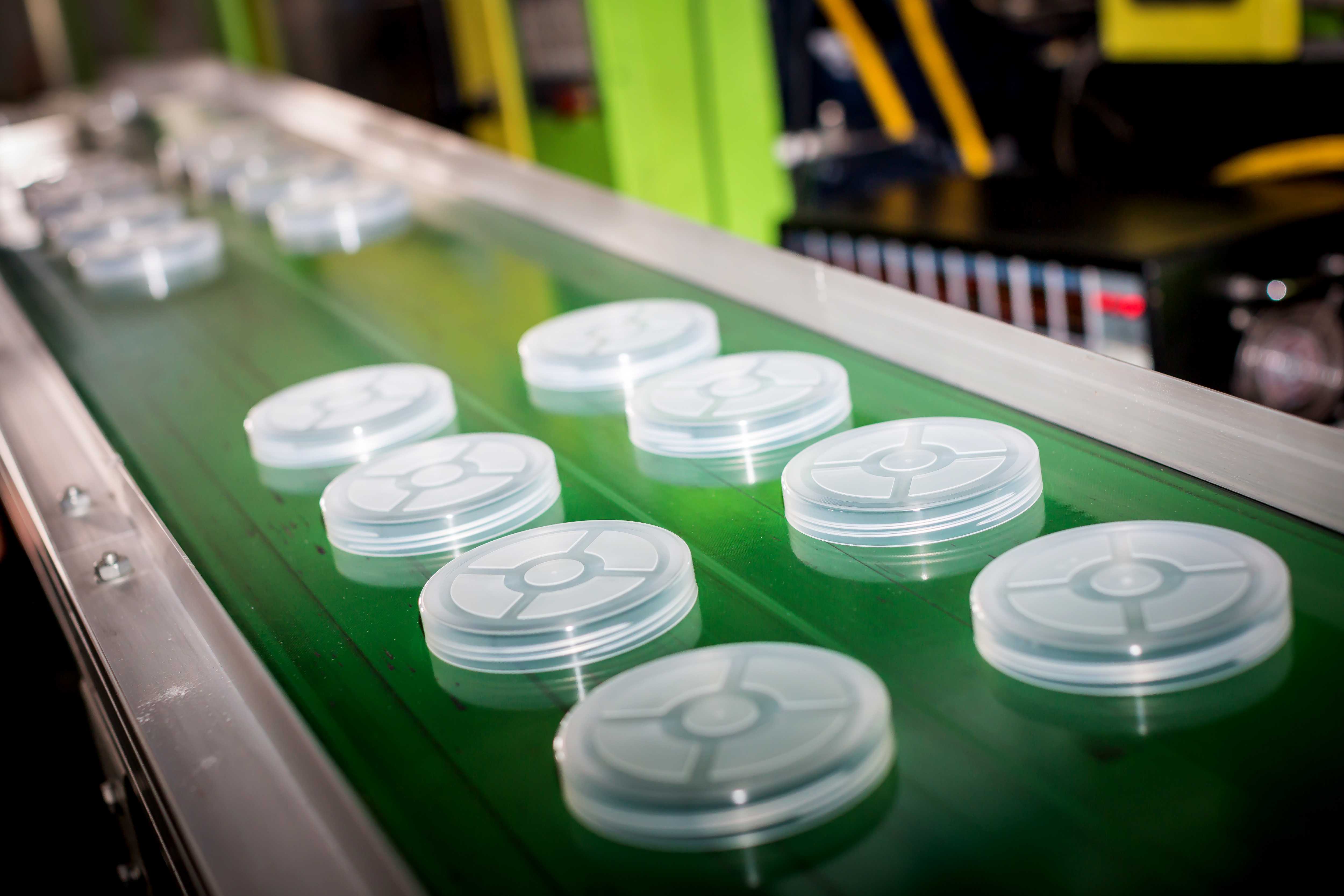
Why packaging compliance is a purchasing decision, not a QA formality
In the United States, FDA 21 CFR Part 111 establishes mandatory Current Good Manufacturing Practice requirements for the manufacturing, packaging and labeling of dietary supplements. The obligation sits with the supplement brand or its contract manufacturer — not with the bottle supplier. That distinction is the reason packaging certificates function as supplier-qualification evidence rather than as a transfer of responsibility. When a quality team or a retailer asks how a finished product was protected, the brand has to demonstrate a documented supply chain, and a certificate carrying a named issuer, a defined scope and an expiry date is one of the most efficient evidence formats available.
In the European Union, Regulation (EU) 2025/40 — the Packaging and Packaging Waste Regulation (PPWR) — adds a second layer of pressure: all packaging placed on the EU market must be recyclable by 2030, and plastic packaging must contain at least 30% recycled content by 2030. For supplement bottles, that pulls material sourcing, decoration choices and supporting documentation into the specification discussion long before artwork is finalized.
Material choice is not a marginal issue in this category. Grand View Research reports that plastic accounted for approximately 73.8% of supplement packaging market share in 2025, and that the plastic segment led nutraceutical packaging with 58.3% of revenue share in a market valued at USD 5.05 billion in 2024. In practice, packaging compliance in sports nutrition is compliance about plastic.
ISO 15378:2017, decoded
ISO 15378:2017 specifies requirements for a quality management system for manufacturers of primary packaging materials for medicinal and nutraceutical products, integrating Good Manufacturing Practice principles into a management-system framework. It is published by the International Organization for Standardization.
The word primary carries the weight. Primary packaging is the layer that contacts the product directly: the bottle, the closure, the scoop that sits inside the powder. Because ISO 15378 is a system standard rather than a product standard, a certificate is only meaningful when it is read together with its scope statement, its certificate number and its issuing body.
A concrete example shows how that reading works. THE RTCO PAK PTE. LTD., a packaging manufacturer founded in 2007 that produces HDPE, PET and PP containers, closures, scoops, liners and accessories, holds ISO 15378:2017 certification under certificate number HBPCER20260088, issued by Intertek Testing Services, with an issue date of 16 April 2026 and an expiry date of 5 March 2029. The registered scope reads: manufacturing of HDPE and PP bottles for medicinal products.
That single sentence gives a buyer three verifiable data points: which standard and edition was audited, which material families and product form sit inside the certification (HDPE and PP bottles), and which end-use category the system was assessed against (medicinal products). It does not certify a specific SKU, a specific decoration process or a specific closure. Those remain questions for the buyer to ask.
BRCGS Packaging Materials Issue 7, decoded
The BRCGS Global Standard for Packaging Materials approaches the same problem from a different direction. Where ISO 15378 builds GMP into a quality-management system, the BRCGS scheme is designed around packaging safety and hygiene for food-contact supply chains — the controls a converter must demonstrate so that packaging does not become a contamination route for the product it protects.
The edition matters as much as the certificate. RTCO's certification is against the BRCGS Global Standard Packaging Materials Issue 7 (October 2024), certificate number C0860130-BRC2, issued by NSF Certification, LLC, with an issue date of 24 July 2026 and an expiry date of 7 September 2027. The registered scope reads: blow molding and injection molding of PE and PP plastic containers, lids, spoons and hooks for food use.
Three details in that scope deserve attention. First, it names processes — blow molding and injection molding — not just products, so a buyer can see which manufacturing routes were assessed. Second, it names component categories: containers, lids, spoons and hooks. Third, it defines the end-use framing as food use. For a sports nutrition brand, the practical reading is that a container and closure system produced through those molding routes is covered by a food-safety-oriented certification, and that the certificate number and expiry date give the buyer something specific to verify rather than something to accept on trust.
Side by side: what each credential proves
| Dimension | ISO 15378:2017 | BRCGS Packaging Materials Issue 7 |
|---|---|---|
| Governing logic | Quality management system with integrated GMP principles for primary packaging materials | Packaging safety and hygiene controls for food-contact packaging |
| Product framing in scope | HDPE and PP bottles for medicinal products | PE and PP containers, lids, spoons and hooks for food use |
| Processes named | Manufacturing of HDPE and PP bottles | Blow molding and injection molding |
| Edition to check on the PDF | 2017 | Issue 7 (October 2024) |
| Sample certificate on file | HBPCER20260088, Intertek Testing Services, 16 Apr 2026 – 5 Mar 2029 | C0860130-BRC2, NSF Certification, LLC, 24 Jul 2026 – 7 Sep 2027 |
| What it does not tell you | SKU-level performance, decoration coverage, closure performance | SKU-level performance, tooling design, decoration coverage |
Read together, the two credentials answer complementary questions. ISO 15378:2017 answers whether the manufacturing system is built to a medicinal-goods GMP discipline. BRCGS Issue 7 answers whether the molding environment and hygiene controls are appropriate for food-contact packaging. A brand selling protein powder, capsules or gummies usually needs both answers, not one.
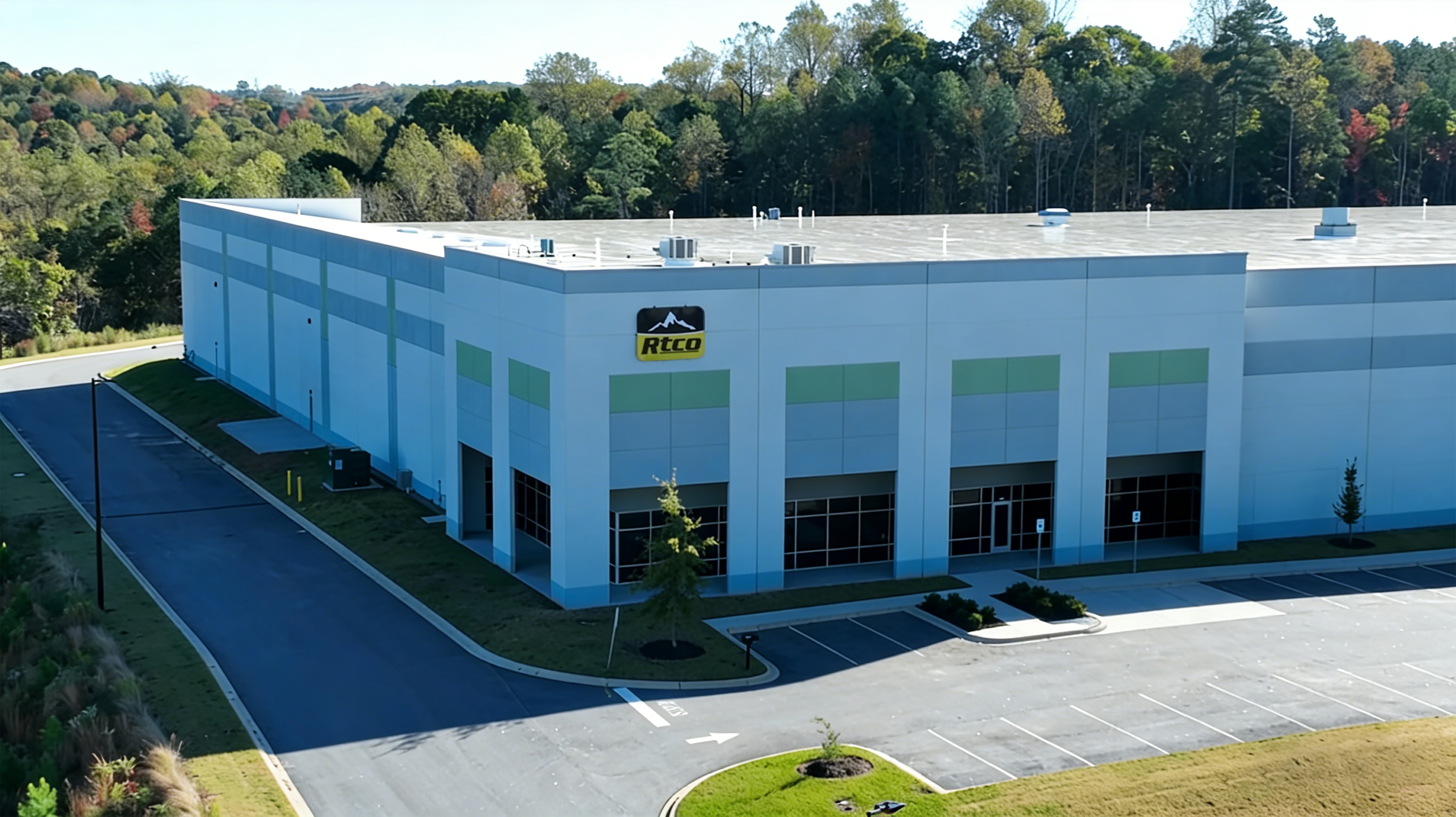
Which qualification matters most? A priority framework
Buyers evaluating packaging partners typically face a stack of certificates and no clear order of importance. The following tiers describe relative weight in a sports nutrition context, based on what each credential actually answers.
| Tier | Credential | Question it answers | Where it carries most weight |
|---|---|---|---|
| Tier 1 | ISO 15378:2017 (HBPCER20260088, Intertek Testing Services) | Is the primary packaging system built and managed to GMP standards for medicinal-grade bottles? | Bottle specification and supplier qualification for powder, capsule and tablet formats |
| Tier 1 | BRCGS Packaging Materials Issue 7 (C0860130-BRC2, NSF Certification, LLC) | Are molding processes and hygiene controls appropriate for food-contact packaging? | Food-contact safety documentation and retail supplier approval |
| Tier 2 | HACCP Management System (331HACCP2600024, Ti Certification (Shanghai) Co., Ltd.) | Are hazards identified and controlled at critical points in food-contact plastic container production? | Hazard-control evidence that supports the two Tier 1 credentials |
| Tier 2 | ISO 9001:2015 (05126Q00928R153, NOA Testing & Certification Group Ltd.) | Is there a functioning quality management system across food-grade plastic packaging container manufacturing? | Baseline process consistency and corrective-action discipline |
| Tier 3 | ISO 14001:2015 (NOA2408227) and ISO 45001:2018 (NOA2408228), both from NOA Testing & Certification Group Ltd. | Are environmental and occupational health and safety systems formally managed? | Corporate ESG questionnaires and long-term supply relationships |
| Tier 3 | SA8000:2014 Social Accountability Management System (BM-CN-20240906, Benchmarks Co., Ltd.) | Are social accountability controls in place across manufacturing operations? | Buyers with labor-standards or responsible-sourcing requirements |
The ordering is deliberate. Tier 1 credentials address product contact directly, which is where regulatory exposure concentrates. Tier 2 credentials describe the control systems underneath that contact. Tier 3 credentials describe the organization that operates those systems — relevant when a brand is committing to a multi-year supply relationship rather than a single order.
How to read a certificate in five minutes
Most certificate mistakes happen because a buyer reads the logo instead of the wording. Seven checks catch nearly all of them.
| # | Check | Why it matters |
|---|---|---|
| 1 | Standard and edition | ISO 15378:2017 and BRCGS Issue 7 (October 2024) are edition-specific; an undated claim is not verifiable |
| 2 | Certificate number | HBPCER20260088 and C0860130-BRC2 can be checked against the issuing body's records |
| 3 | Issuing body | Intertek Testing Services, NSF Certification, LLC, Ti Certification (Shanghai) Co., Ltd. and NOA Testing & Certification Group Ltd. are identifiable entities, not generic seals |
| 4 | Scope statement | Scope determines whether your bottle, material and process are inside the certification |
| 5 | Entity and site | The certificate holder must match the entity you are contracting with, at the site producing your order |
| 6 | Issue and expiry dates | A certificate that expires before your launch window creates a documentation gap |
| 7 | Scope-to-spec match | Compare the scope wording against your own packaging specification line by line |
The limits: what certificates do not prove
A compliance primer that only lists credentials is incomplete. The boundaries matter as much as the coverage.
- A certificate is not a product qualification. The bottle you buy has not been individually approved by the certificate. ISO 15378:2017 certifies a system for manufacturing HDPE and PP bottles for medicinal products; it does not certify the fill weight, drop performance or barrier behaviour of a specific SKU.
- Scope wording is narrower than most sales decks suggest. The ISO 15378 scope cited here names HDPE and PP bottles. A program using PET bottles, or a scoop, liner or specialty closure, should confirm where those components sit inside an audited system.
- Decoration sits at the edge of scope. Vacuum metallization, soft-touch coating, silk screen, UV coating, 3D printing and labeling are separate operations from molding. The BRCGS scope for RTCO explicitly names blow molding and injection molding, so decoration processes should be discussed as their own qualification question.
- Dates expire. The BRCGS certificate cited here expires on 7 September 2027 and the ISO 15378 certificate on 5 March 2029. If a retail submission or launch falls near a renewal window, request the renewed document — and never cite an expired certificate in a customer-facing claim.
- Responsibility does not transfer. Under FDA 21 CFR Part 111, the cGMP obligation for packaging and labeling remains with the supplement manufacturer. Supplier certificates support supplier qualification; they do not relocate that obligation.
- Recycled content needs its own paperwork. The PPWR target of at least 30% recycled content in plastic packaging by 2030 is a material-traceability requirement, not a manufacturing-system requirement. A PCR claim requires chain-of-custody documentation specific to the material used.
Mapping credentials to sports nutrition formats
Certification only becomes useful when it maps onto a real packaging program. RTCO's container range covers the formats most sports nutrition brands use, and the mapping below shows how scope questions apply in each case.
| Format | Typical packaging | Compliance reading |
|---|---|---|
| Protein powder | Wide-mouth protein powder jar with scoop, fill range 60ml–6000ml | Bottle falls under ISO 15378 scope wording for HDPE and PP bottles; the scoop is a separate component to confirm against the BRCGS scope listing spoons |
| Pre-workout and BCAA | Smaller bottles within the same fill range, with PP closures | Same material and process logic; closure dimensions of 20–200mm diameter are specified separately |
| Capsules and tablets | Capsule and tablet bottle with closure | HDPE and PP systems align with the medicinal-bottle framing of ISO 15378:2017 |
| Gummies | Flip-cap bottle | Closure mechanism is a distinct component; verify it against certificate scope and customer specification |
| Multi-format programs | Dual-chamber supplement bottle | Structural complexity raises tooling and validation questions, so certificate currency at production time matters |
Behind those formats sit manufacturing facts that determine whether a certification can be supported in practice. RTCO operates a 68,000 m² facility with annual production capacity of approximately 1,000,000,000 units and monthly capacity of 80,000,000 units, supported by an R&D team of 40 engineers and a total workforce of about 200 employees. Roughly 97% of output is exported, with North America as the primary market, supported by a U.S. production facility at 1701 Old Grove Road, Suite 300, Piedmont, SC 29673 and warehouses in Savannah, Georgia and Chino, California. Projects run as OEM, ODM or private label engagements spanning sample development and tooling through pilot and mass production, with minimum order quantities typically between 10,000 and 30,000 units per SKU and first trial orders below that threshold supported for validation. Typical production lead time is 30 to 45 days.
Market context: compliance as a purchasing filter
The commercial backdrop explains why certificate scrutiny is increasing rather than fading. Grand View Research values the global nutraceutical packaging market at USD 5.05 billion in 2024, with plastic leading at 58.3% of revenue share and an approximately 73.8% share of supplement packaging by material in 2025. Future Market Insights projects the protein powder packaging segment reaching USD 44.52 billion by 2035, with a CAGR of 5.01% from 2026 — a forecast rather than a settled figure, and one that should be read with its medium reliability in mind.
Estimates also diverge on the baseline. Grand View Research and MarketsandMarkets differ by roughly USD 1 billion on the current size of the nutraceutical packaging market (USD 5.05 billion for 2024 versus USD 3.67 billion for 2025), largely because the two definitions treat flexible and rigid secondary packaging differently. That divergence is a useful reminder for buyers: market sizing depends on scope, and scopes should always be read before figures are compared.
Global competitive context in nutraceutical and supplement packaging includes Berry Global, Amcor Plc, TricorBraun and ProAmpac. For brands evaluating partners, the practical implication is not a ranking but a filter: as more suppliers carry overlapping credentials, the differentiator shifts from whether a certificate exists to whether its scope, edition and validity match the specific product being purchased.
Future outlook
Three shifts are likely to reshape packaging compliance requirements over the next several years. The first is regulatory: the PPWR requirements that all packaging be recyclable by 2030 and that plastic packaging contain at least 30% recycled content by 2030 will move PCR traceability from a marketing claim to a documentation requirement inside supplier qualification files.
The second is scope specificity. As brands become more fluent in reading certificate wording, expect more requests for component-level coverage — closures, scoops, liners and decoration processes named explicitly rather than assumed under a container certificate.
The third is timing discipline. Certification expiry dates will increasingly be tracked alongside launch calendars, because a certificate that lapses during a retail submission cycle creates a documentation gap that no amount of product quality can close retroactively.
Frequently asked questions
What is the difference between ISO 15378:2017 and BRCGS certification for packaging?
ISO 15378:2017 is a quality management system standard for manufacturers of primary packaging materials for medicinal and nutraceutical products, integrating GMP principles. The BRCGS Global Standard for Packaging Materials is a packaging safety and hygiene scheme for food-contact packaging. In practice, ISO 15378 certifications typically name medicinal-grade products such as HDPE and PP bottles in their scope, while BRCGS certifications name molding processes and food-use component categories such as containers, lids and spoons.
Does a sports nutrition brand need a supplier that holds ISO 15378:2017?
There is no blanket rule. FDA 21 CFR Part 111 places cGMP obligations for supplement packaging and labeling on the supplement manufacturer, not on the packaging supplier, so the requirement depends on the brand's own supplier-qualification criteria and those of its customers. ISO 15378:2017 becomes most relevant when a bottle is treated as primary packaging for a medicinal or nutraceutical-grade product and the brand wants evidence of GMP discipline in the manufacturing system.
How can a buyer confirm that a certificate covers the specific bottle being purchased?
By reading the scope statement against the product specification. For example, an ISO 15378:2017 certificate with the scope wording "manufacturing of HDPE and PP bottles for medicinal products" covers HDPE and PP bottles, but not necessarily PET bottles or scoops. A BRCGS certificate with the scope "blow molding and injection molding of PE and PP plastic containers, lids, spoons and hooks for food use" names both processes and component categories, so a buyer can check each element against the order.
Which certifications matter most for European market access?
Market access in the EU involves two separate questions. The first is packaging safety and hygiene, where food-contact schemes such as BRCGS Packaging Materials and HACCP-based controls are commonly referenced in supplier approval. The second is material regulation: Regulation (EU) 2025/40 requires all packaging to be recyclable by 2030 and plastic packaging to contain at least 30% recycled content by 2030, which means recycled-content traceability documentation becomes part of the compliance file alongside manufacturing certificates.
How long are these certificates valid, and what happens when they expire?
Validity is stated on the certificate itself. The ISO 15378:2017 certificate referenced in this article runs from 16 April 2026 to 5 March 2029, and the BRCGS Packaging Materials Issue 7 certificate runs from 24 July 2026 to 7 September 2027. Once a certificate expires, it should no longer be cited in customer documentation or marketing claims; buyers should request the renewed certificate before a launch or retail submission that depends on it.
For buyers who want the underlying container and closure specifications alongside these credentials, RTCO publishes a downloadable sports nutrition packaging catalogue covering capacities, materials and surface finishes.