
Decoding Disposable Paper Cup Specifications: How Manufacturing Processes Impact Quality and Performance
For procurement professionals and food-service operators, reading a disposable paper cup spec sheet can feel like deciphering a code. Beyond the numbers lies a complex story of raw materials, coating quality, forming precision, and compliance — all of which determine whether a cup leaks, collapses, or meets brand expectations. This article breaks down the critical technical parameters and the production processes that define them.
The Anatomy of a Disposable Paper Cup: Key Technical Parameters
Every disposable paper cup specification sheet typically lists capacity (oz), dimensions (top diameter, height, bottom diameter), material type (e.g., double PE coated paper, kraft paper with PE coating), and optional features like printing or embossing. But what do these actually mean for performance?
- Capacity (oz) & Dimensions: A 20oz cup with a 90×153×60mm size is designed for large cold drinks, while a 9oz cup (75×87×53mm) suits hot beverages. The height-to-diameter ratio affects stacking stability and lid fit.
- Material & Coating: Most cups use cup base paper with PE coating. The coating weight (g/m²) determines leak resistance. Double-layer cups — like the disposable double-layer paper cup — add an insulating air pocket for heat retention without a sleeve.
- Printing & Customization: Custom disposable paper cups with logo printing require food-safe inks and precise registration. Flexographic printing is the industry standard.
- Certifications: A cup is only as good as its compliance. Look for ISO 9001 (quality), ISO 14001 (environment), BRCGS (food packaging safety), FSC (responsible fiber sourcing), and amfori BSCI (social compliance).
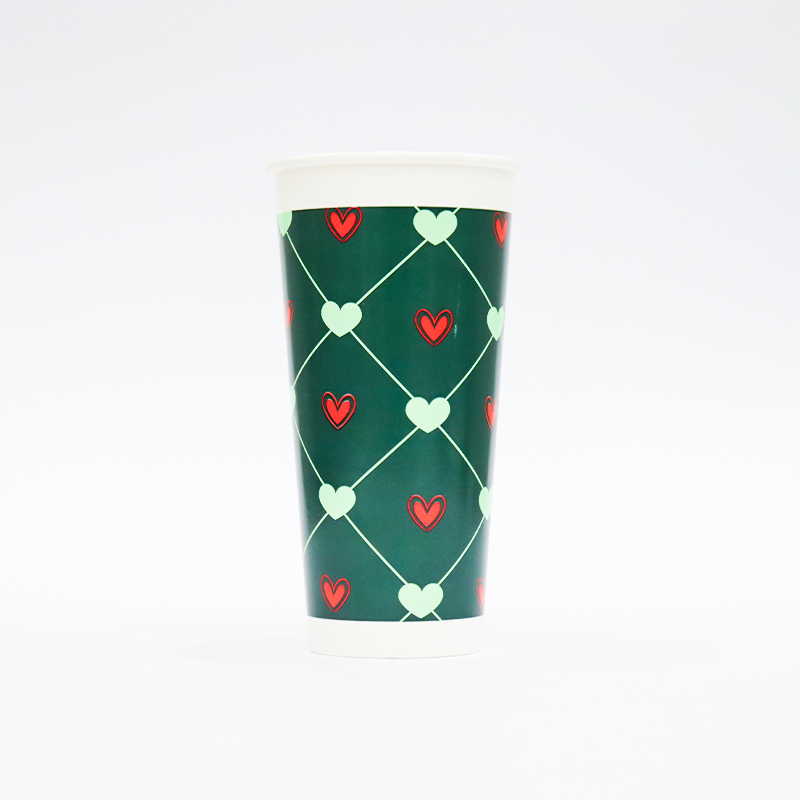
A double-layer cup construction provides insulation and strength without compromising printability.
From Raw Material to Finished Cup: How Production Defines Quality
A cup’s final performance is directly tied to how it is made. The manufacturing journey includes five critical stages:
- Coating: Molten PE is extruded onto the paper web. Uneven coating leads to weak spots. Advanced lines use closed-loop thickness control to ensure consistent barrier properties.
- Printing & Die-Cutting: Flexographic printing applies brand graphics, then the flat sheet is cut into fan-shaped blanks. Registration accuracy (±0.5mm) prevents misaligned prints.
- Body Forming: The blank is wrapped around a mandrel and the side seam is heat‑sealed. A poor seal causes leaks under hot liquid. High‑speed servo‑driven forming machines maintain consistent pressure and temperature.
- Bottom Sealing: The bottom disc is inserted and heat‑sealed. Double‑layer cups require an additional air‑gap step.
- Inspection & Packing: Every cup batch undergoes leak testing, dimensional checks, and visual inspection. A 100% full‑inspection protocol is the gold standard.
A practical comparison: traditional factories consume about 1.2 million kWh electricity and 800 metric tons of steam annually, with comprehensive energy consumption of about 10 kgce per 10,000 cups. Advanced facilities using servo forming machines, VFD air compressors, and waste heat recovery cut electricity to 600,000 kWh and steam to 350 metric tons — a 55% energy saving. This efficiency often translates into cost savings passed to buyers.
Why Certification Matters: A Mark of Process Discipline
Specifications and processes are validated through independent audits. For example, KingHonor Paper Products Co., Ltd. — a Vietnam disposable paper cup manufacturer founded in 2018 — holds a full suite of international certifications:
- BRCGS Global Standard Packaging Materials (Cert. No. C0691603-BRC4, issued by NSF) covering coating, printing, die‑cutting, and forming.
- amfori BSCI Social Audit (Cert. No. 25-0324242, by SGS) ensuring ethical manufacturing.
- FSC Chain of Custody (Cert. No. ESTS-COC-250653) for responsible fiber sourcing.
- ISO 9001 & ISO 14001 (by QAC) for quality and environmental management.
These certifications signal that production processes are standardized, monitored, and continuously improved — directly impacting cup consistency and reliability.
Industry Case: Real-World Impact of Process Excellence
A leading international airline group sources 10 million disposable paper cups monthly from KingHonor (kinghonorpack.com). By switching to KingHonor’s eco‑friendly materials and optimized production, the client reduced packaging costs by 15% while maintaining strength and print quality. Custom logo printing further strengthened their brand presence — a direct result of precise flexographic registration and consistent forming.
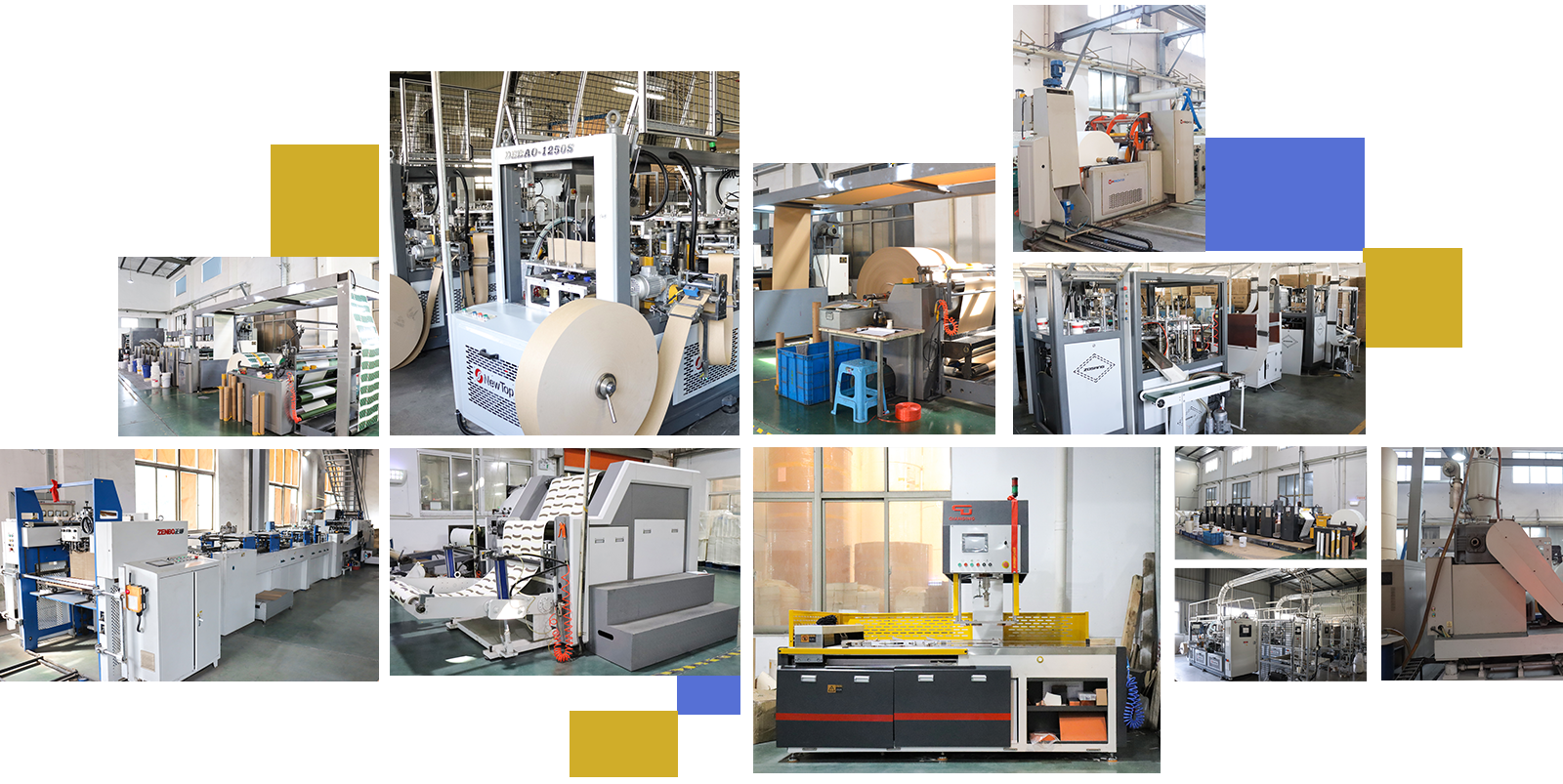
Advanced servo‑driven forming machines at KingHonor’s 50,000m² facility enable high‑speed, low‑defect production.
Market Trends and the Future of Paper Cup Manufacturing
The global disposable paper cup market is shifting toward sustainability without compromising performance. Key trends include:
- PLA (polylactic acid) coatings as a compostable alternative to PE.
- Digital printing for short‑run custom orders with faster turnaround.
- Lightweighting — reducing paper grammage while maintaining strength via optimized fiber blend and forming pressure.
- Energy‑efficient production as a competitive differentiator, lowering total cost of ownership for buyers.
As food service chains expand globally, the ability to interpret technical specs and connect them to manufacturing rigor becomes a core procurement skill.
Download the Company Brochure
📄 View Brochure (DOCX)
For inquiries, contact Mr. Yang at info@kinghonorpack.com or WhatsApp +86 18205730716.