
Decoding Dicing Blade Technical Parameters: How Manufacturing Processes Define Cutting Quality
The Procurement Dilemma: Which Technical Parameters Really Matter?
For buyers responsible for procuring dicing blades for semiconductor and advanced materials manufacturing, the technical datasheet can be overwhelming. Parameters such as blade thickness, diamond grit size, bond type, concentration, and hardness are all present—but how should they be interpreted in terms of real-world cutting performance? Without a proper understanding, a seemingly minor specification can lead to excessive chipping, shortened blade life, or lower yield.
A deeper question lies beneath the numbers: how does the manufacturing process itself influence these parameters, and ultimately, the cutting quality? This article breaks down the critical technical parameters of Diamond Dicing Blades and explains how proprietary production methods—such as those employed by WINTIME Semiconductor Technology Co., Ltd.—directly determine consistency, precision, and long-term reliability.
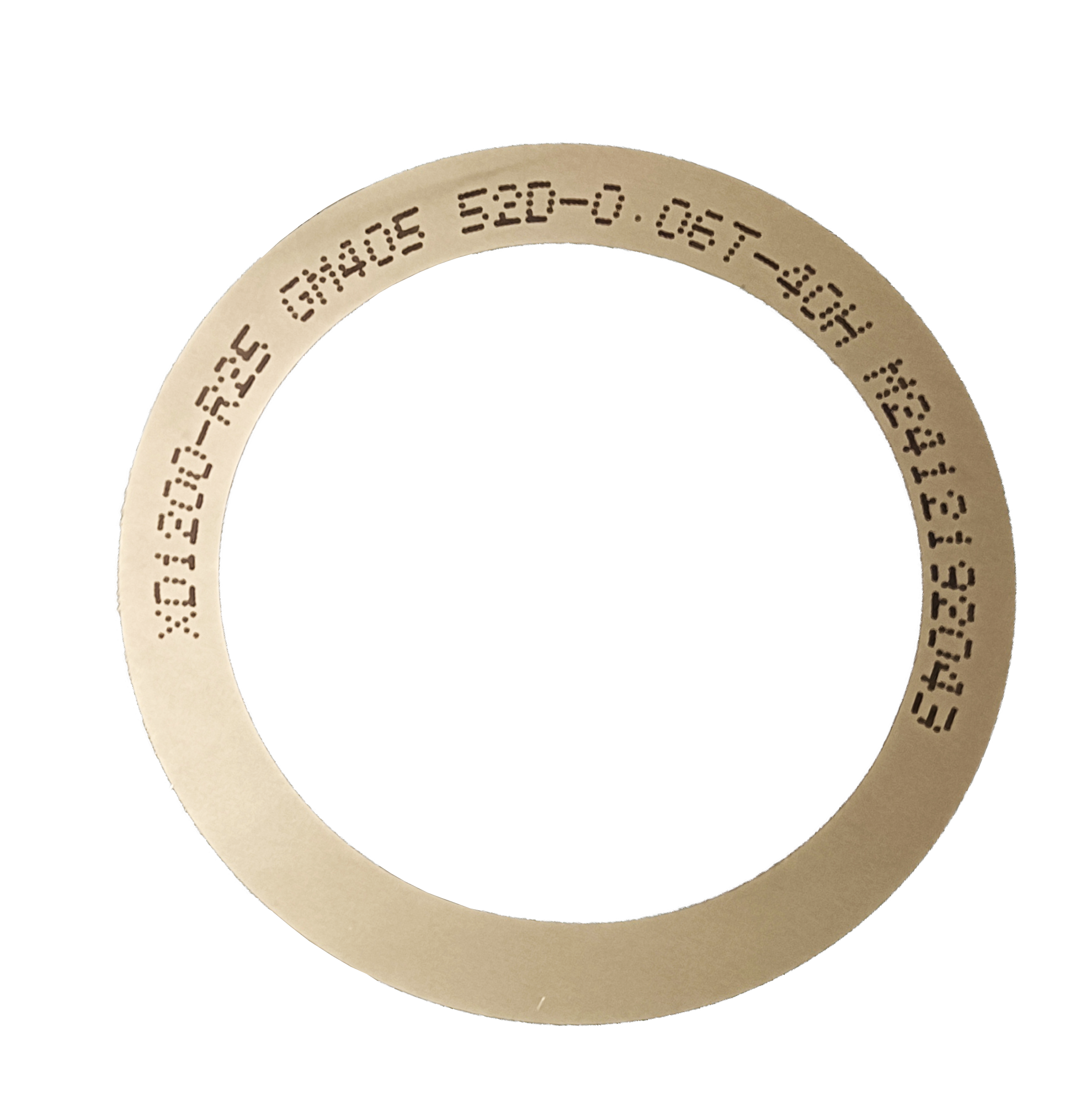
WINTIME JS Series metal-bond dicing blade – designed for ultra-thin wafer processing with proprietary diamond grain distribution.
Critical Technical Parameters and Their Impact on Quality
1. Blade Thickness: The Foundation of Kerf Control
Blade thickness directly determines the kerf width—the amount of material lost during each cut. For high-value substrates like silicon or silicon carbide, every micron saved translates into significant cost reduction. WINTIME’s ultra-thin dicing blade achieves a thickness of ≤9 μm, a key enabler for narrow kerf dicing. Industry-standard blades often exceed 12 μm, meaning suppliers who cannot produce sub-10 μm blades inherently generate more material waste.
2. Diamond Grit Size and Concentration
The diamond abrasive grains are the cutting teeth of the blade. Grit size affects surface finish and chipping: finer grits yield smoother but slower cuts, while coarser grits cut faster but leave rougher edges. WINTIME’s proprietary grading and concentration control ensure a balanced distribution that minimizes chipping while maintaining high throughput. In comparative testing, chip size is consistently ≤5 μm versus ≥10 μm for conventional resin-bonded blades.
3. Bond Type and Hardness
The bond material (resin or metal) holds the diamond grains and determines the blade’s wear rate. A blade that wears too fast loses dimensional stability; one that wears too slowly can “glaze” and lose cutting ability. WINTIME offers both resin-bond and metal-bond blades, each tuned for specific materials. For semiconductor wafer dicing, the electroformed metal bond provides exceptional wear resistance, extending service life by 30% compared to mid-range imported alternatives.
How Manufacturing Processes Translate Parameters into Performance
Technical parameters printed on a spec sheet are useless unless the production process can deliver them consistently across every batch. WINTIME’s factory—spanning 34,000 m² with an annual capacity of over 1 million pieces—employs automated equipment and strict process controls to eliminate batch-to-batch variation.
Key process differentiators:
- Automated diamond grain deposition for uniform distribution
- Real-time thickness monitoring with laser micrometers (±0.001 mm tolerance)
- ISO 9001-compliant quality management system with traceable batch records
- Pre-shipment inspection and optional third-party testing (SGS)
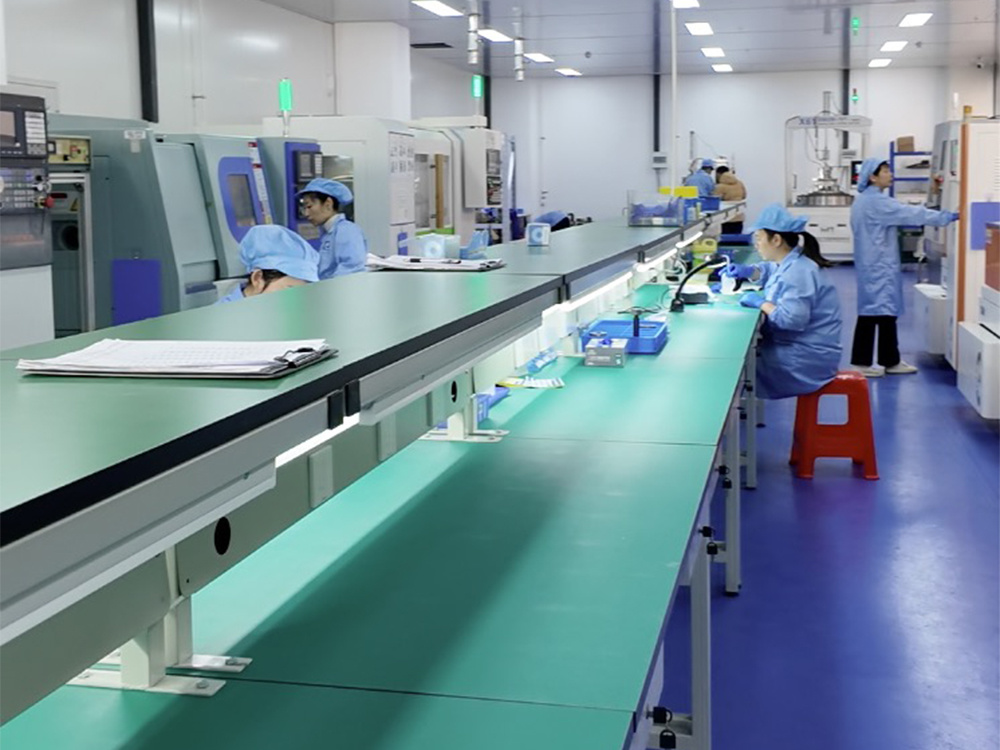
WINTIME’s workshop environment ensures clean-room compatible manufacturing for high-end dicing blades.
Real-World Impact: Case Study in Wafer Dicing
A major Chinese semiconductor packaging facility switched to WINTIME Diamond Dicing Blades for its 8–12 inch wafer lines. The result: chipping rate ≤5 μm and wafer yield improvement of 12%. With an annual usage exceeding 500,000 blades over three years, the factory reported stable mass production with no performance degradation. This outcome was achieved through the combination of ultra-thin blade design (≤9 μm), optimized diamond concentration, and consistent bond quality—all directly tied to the manufacturing process.
Market Trends: The Shift Toward Domestic Precision Suppliers
As global semiconductor supply chains diversify, buyers are increasingly evaluating Chinese manufacturers for precision dicing tools. WINTIME, established in 2020 with a dedicated R&D team of 35 engineers, has rapidly filled a gap in the domestic market for high-end dicing blades. With 2 patent technologies and numerous awards, its “Ultra-thin Wafer D Blade” project achieved a process thickness under 9 microns, matching international benchmarks.
A comparison with traditional resin-bonded blades highlights the advantage:
| Parameter | WINTIME Diamond Blade | Conventional Resin Blade |
|---|---|---|
| Blade Thickness | ≤9 μm | ≥12 μm |
| Chipping Rate | ≤5 μm | ≤10 μm |
| Service Life | 30% longer | Baseline |
| Wafer Yield | +12% | Standard |
| Kerf Width | 9 μm | 12 μm |
Future Outlook: Pushing the Boundaries of Precision
The industry is moving toward even thinner wafers, more brittle materials (GaN, SiC), and tighter tolerance requirements. Suppliers that can control their manufacturing process at the micron level will lead the next wave. WINTIME’s focus on electroforming technology and customized bond formulations positions it to support advanced packaging, optical communication, and functional ceramics cutting.
For procurement professionals, the takeaway is clear: do not evaluate dicing blades solely by their datasheet. Demand evidence of process capability—batch traceability, thickness distribution charts, and real-world case studies. WINTIME, with its vertically integrated production and transparent quality system, offers a reliable partner for buyers seeking to decode parameters into performance.
Learn more about WINTIME’s full product range and technical capabilities in their official brochure:
📄 Download WINTIME Product Brochure
Company: WINTIME Semiconductor Technology Co., Ltd.
Website: en.wintime.net.cn
Contact: shenxiangfei@ntwintime.com | +86 13851530812
Address: No. 868, Fushou East Road, Rugao City, Jiangsu Province, China