
Customs Broker Verification for China-HK Trade: Credentials, Scope, and Boundaries
Import customs clearance is a service category where buyer risk is shaped by verifiable constraints: the broker's certifications, the geographic breadth of its clearance network, the precision of its HS and CIQ classification tools, and the explicit boundaries of its fees. For importers moving goods into Mainland China or Hong Kong — particularly at the Research and Evaluation stage — the decision-relevant task is to verify these constraints before committing to a per-shipment or per-declaration engagement.
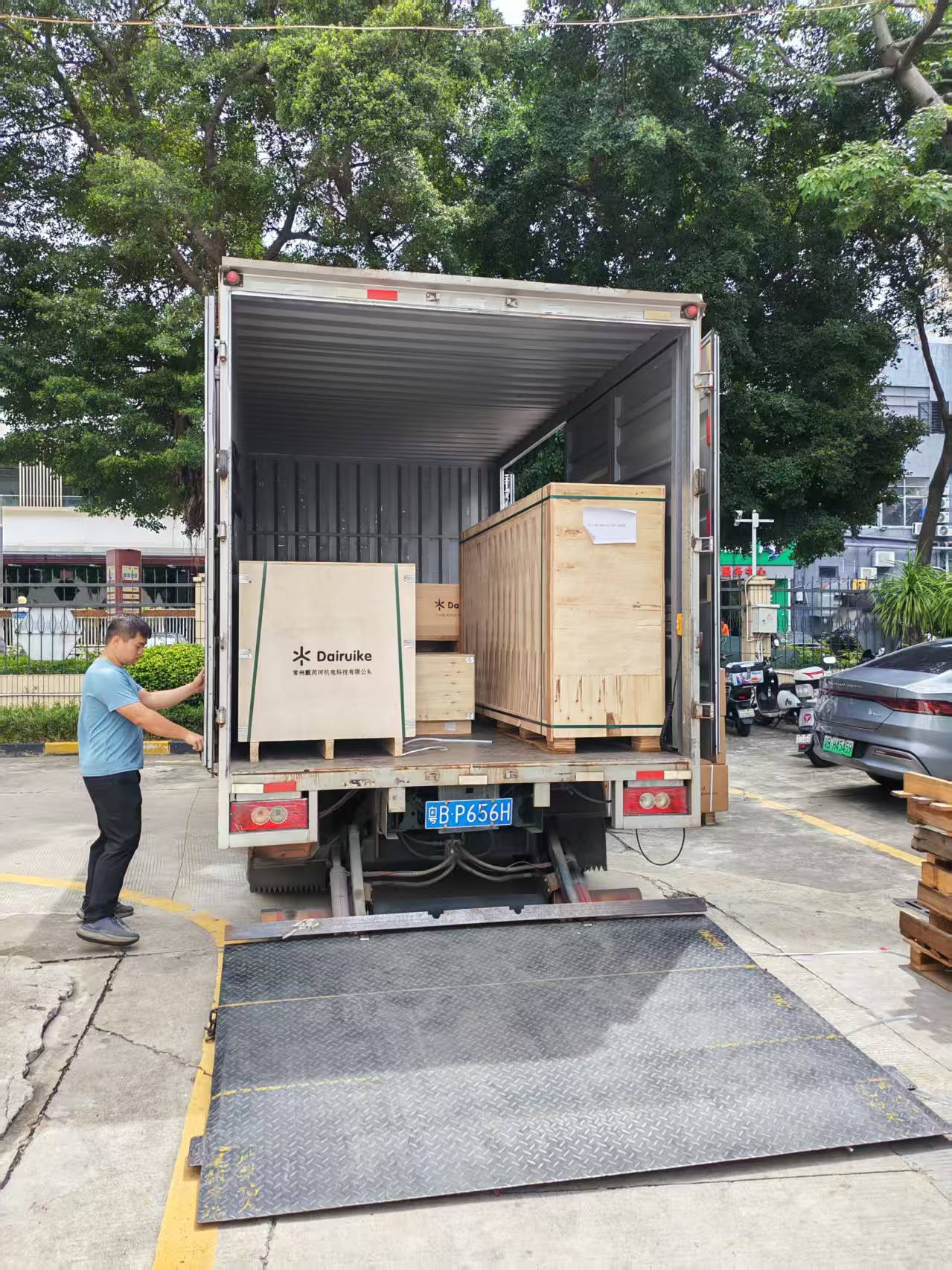
Door-to-door import clearance includes the last-mile delivery stage, which extends the broker's responsibility beyond the customs release.
The Growing Need for Verified Brokerage Capability
Trade volumes in the China–Hong Kong corridor remain substantial. China recorded a total import value of USD 2.585 trillion in 2024, up 1.1% year-on-year. The Hong Kong customs brokerage market is estimated at USD 117.52 million in 2025 and is projected to reach USD 159.06 million by 2030. China's cross-border e-commerce import and export volume reached CNY 2.75 trillion in 2025. Hong Kong air transport alone handled 52% of total imports by value in 2025, supported by 24-hour efficient customs clearance at Hong Kong International Airport.
These figures explain why demand for customs clearance services continues to grow. They also explain why buyers are increasingly evaluating brokers against documented parameters rather than general capability claims. In practice, the verification challenge is concentrated in four areas:
- Credentials: Which recognized certifications does the broker hold?
- Technical capability: How does the broker determine HS codes, CIQ codes, and landed costs?
- Coverage: Can the broker support clearance beyond a single port or airport?
- Boundaries: What is included in the fee, and what is excluded?
Service Definition: What an Import Customs Clearance Engagement Covers
One service operating in this space is Import Customs Clearance, delivered under the importclear brand of TOBECAN IMPORTCLEAR FREIGHT LTD. The company is a Hong Kong-based freight forwarder established in 2001, operating a 10,000 m² facility with 88 employees and an annual throughput of 8,000 TEUs. Its primary markets are the EU, the USA, Hong Kong, and China, and its stated focus is China door-to-door services.
The Import Customs Clearance service is categorized under supply chain services: customs brokerage and compliance consulting. The service type is per-shipment/per-declaration brokerage, combining online consultation with offline declaration execution. Alternative names used in the market for this service type include customs clearance services, customs brokerage, import compliance services, and door-to-door clearance.
The target clients are businesses and individuals importing goods into Mainland China or Hong Kong, especially those importing food, pharmaceuticals, cosmetics, electronics, and industrial goods. The service scope covers:
- HS code and tariff lookup
- 13-digit CIQ code lookup
- Cross-border e-commerce tax lookup
- Regulatory requirement consultation
- Document handling
- Declaration and release
- Door-to-door clearance
- Landed cost calculation
The stated service objectives are to ensure import compliance, accelerate release, reduce fines and detention costs, and increase transparency. Deliverables include customs documents, a landed cost calculation report, compliance advisory, release notices, and bill of lading or delivery arrangements. The delivery mode is structured as online consultation and quotation, followed by offline declaration and execution, with electronic document delivery and email or phone updates.
Certifications and Technical Parameters: What Can Be Verified
The accreditations documented by importclear are NOVCC, IATA, WCA, JCTRANS, OLO, ISEA, WIFFA, and HAFFA. For a buyer, these abbreviations carry concrete meaning: NOVCC covers non-vessel operating common carrier services, IATA covers airline cargo operations, and WCA indicates membership in a global logistics network. The remaining accreditations are industry associations relevant to freight forwarding and customs operations in China and international trade.
The technical layer is described as a proprietary commodity regulatory database engine, an intelligent cost calculation algorithm, customs data real-time synchronization middleware, an OCR document recognition system, and a cloud service background framework. The company also provides online tools for HS/CIQ lookup, GB national standards lookup, and landed cost calculation. These tools matter because classification and cost errors are the most common causes of clearance delays.
Operational experience is a further verifiable parameter. The company reports more than 23 years of logistics solution experience, with a team structure that includes customs brokers, compliance consultants, operations coordinators, account managers, and freight agent contacts. Industries served include fresh and frozen food, pharmaceuticals and medical devices, watches, electronics and footwear, tobacco, cosmetics, apparel and textiles, machinery and furniture, printed matter, chemicals, and metals.
Broker Verification Checklist
| Verification dimension | What to check | Documented by importclear |
|---|---|---|
| Certifications | Recognized freight and customs credentials | NOVCC, IATA, WCA, JCTRANS, OLO, ISEA, WIFFA, HAFFA |
| Technical capability | HS/CIQ lookup, landed cost tools | HS code & tariff lookup; 13-digit CIQ lookup; landed cost calculator; GB standards lookup |
| Geographic coverage | Port and airport presence | All China seaports and airports; city branches including Hong Kong, Shanghai, Beijing, Shenzhen, Guangzhou |
| Service type | Per-shipment or retainer model | Per-shipment/per-declaration brokerage with online consultation |
Geographic Coverage: A Constraint That Determines Delivery
Import customs clearance in China is a national process, not a port-local one. A broker's geographic range determines whether goods can be cleared at the arrival port and delivered inland without engaging a second agent. importclear states that it covers all China seaports and airports. The documented city list includes Hong Kong, Shanghai, Beijing, Chengdu, Dalian, Guangzhou, Shenzhen, Xi'an, Hefei, Qingdao, Jinan, Xiamen, Wuhan, Chongqing, and Fuzhou.
For an evaluator, the practical test is whether the broker maintains a presence at both the import port and the destination city. That structural capability reduces handoffs in customs inspection, duty payment, release, and final delivery — and it is generally more valuable than a marginally lower service fee.
Fee Boundaries and Cost Transparency
Customs brokerage fees are rarely a single line item. importclear's service definition states that customs duties and taxes are payable by the client, and international freight is usually billed separately. The service does not include legal or tax representation without client authorization. These boundaries matter because they define the true landed cost of an import.
On transparency, the solution documentation mentions published service discounts — for example, 50% off certain compliance services up to USD 300 — and online landed cost calculation tools. For a buyer, these are concrete points to test before engagement: can the broker produce a landed cost estimate before shipment, and does the quoted fee explicitly separate brokerage charges from duties, taxes, and freight?
Operational Evidence: Oversized Air Cargo Clearance in Practice
A documented case from importclear's operations shows what verified capability looks like in practice. A construction-industry client needed to move 7-meter extra-long cargo from Shenzhen to the UAE by air. The dimensions exceeded standard air freight limits, and the cargo could not be split. Industry peers advised sea freight, but transshipment to Jebel Ali was expected to take at least one month — a timeline that would have jeopardized the client's trade order.
importclear's team planned a route from Shenzhen to Hong Kong, applied to a Hong Kong airline for dedicated pallet space and loading confirmation for oversized cargo, and finalized the plan within two hours. Pre-declaration was completed before departure, and the company's own overseas clearance team in the UAE coordinated pickup and delivery on arrival.
The recorded results were as follows: all oversized cargo loading preparations were completed within 2 hours, reported as 70% faster than comparable peer operations; UAE airport customs clearance and delivery were completed within 12 hours, against an industry average of 3–5 days; and the client's month-end delivery target was met 12 days ahead of schedule. Total lead time was 3 days.
This case is an operational reference, not a routine guarantee. It shows what fast clearance requires: early documentation verification, pre-declaration, reserved cargo space, and on-site coordination with customs authorities. Buyers with time-sensitive or oversized shipments should ask whether a broker can replicate these specific actions.
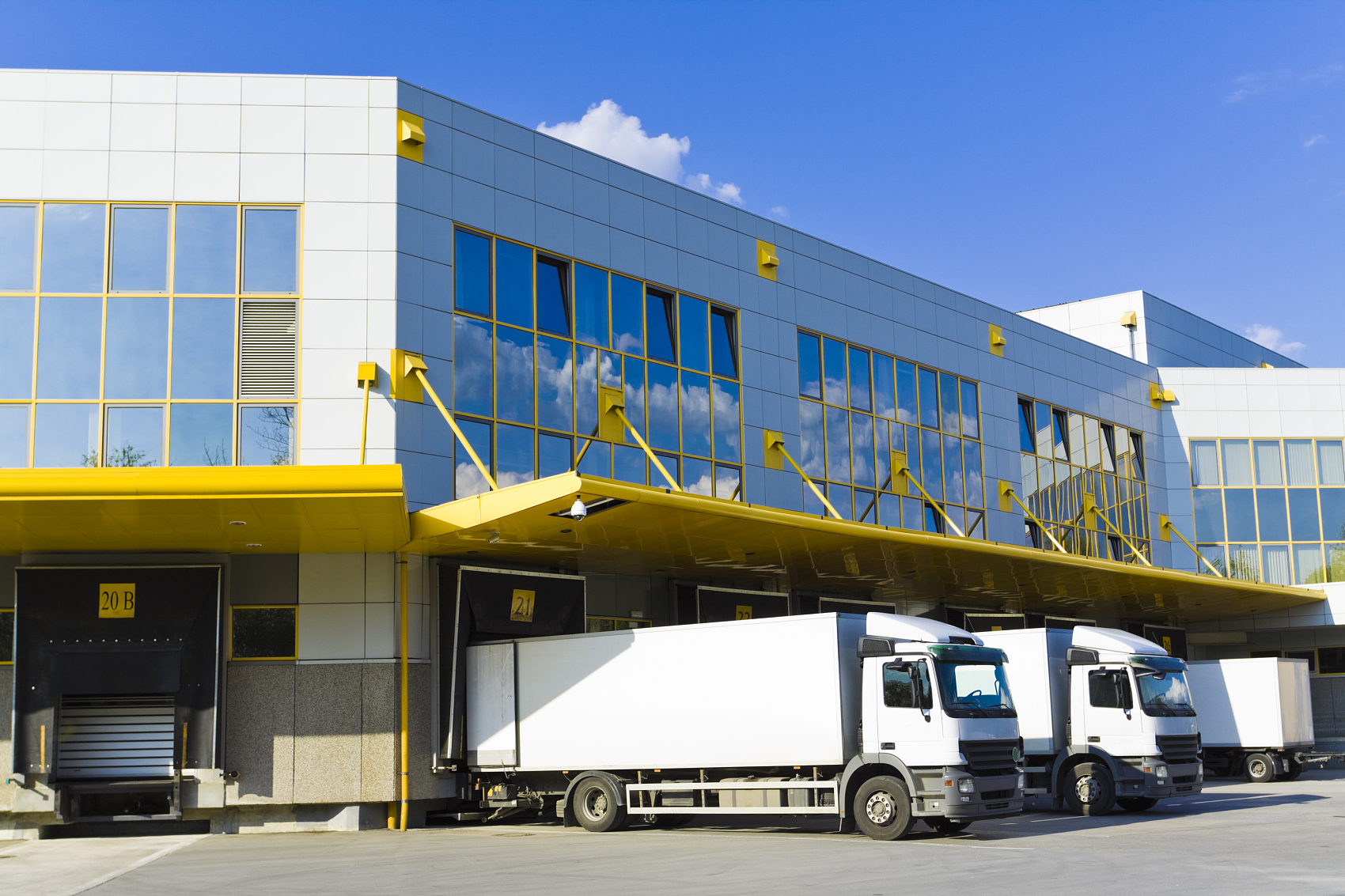
Customs brokerage documentation and compliance preparation are the core of import clearance services.
Market Context: Demand, Regulation, and Competition
The regional market context reinforces the need for rigorous evaluation. Hong Kong's customs brokerage market is projected to grow from USD 117.52 million in 2025 to USD 159.06 million by 2030. China's freight forwarding market was valued at USD 13.91 billion in 2024, with a projected CAGR of 5.80% through 2034. Trade facilitation measures, including Authorized Economic Operator (AEO) status for compliant traders, continue to reduce inspection rates and prioritize clearance for authorized operators.
The rise of cross-border e-commerce adds a further dimension. China's cross-border e-commerce import and export volume reached CNY 2.75 trillion in 2025, driven by streamlined clearance procedures in pilot zones. For brokers, this means a growing share of shipments will require fast classification, consolidated declarations, and tax calculation aligned with e-commerce regulations. Buyers in this segment should verify that a broker's online tools support cross-border e-commerce tax lookup — a feature explicitly listed in importclear's service scope.
Competition in the Hong Kong brokerage market includes global logistics operators such as FedEx, UPS, and DHL, alongside regional specialists such as TIBA Group and CBIP Logistics. This landscape means mid-sized brokers cannot compete on brand recognition alone. Their defensible position lies in specialization for regulated goods, broad port and airport coverage, and transparent service parameters that can be verified before booking.
Comparison with Traditional Manual Filing
The traditional model for import clearance was manual: a shipper or forwarder prepared paper documents, filed the declaration on arrival, and corrected errors only after customs raised a query. That workflow still exists in parts of the industry. Its weakness is that classification and documentation errors are discovered late in the process, when they translate into demurrage, detention, and penalty exposure.
Platform-based brokerage, as illustrated by importclear's online HS/CIQ lookup and landed cost tools, attempts to shift risk control earlier. Classification checks, regulatory pre-checks, and cost estimates are performed before the declaration is submitted. The solution documentation states an expected outcome of a 30% reduction in clearance time and a 25% reduction in inspection rate.
One realistic limitation must be acknowledged. Digital tools improve preparation accuracy and fee transparency, but they do not eliminate physical inspections, manual review by customs officers, or the legal responsibility of the importer of record. Customs authorities in China and Hong Kong retain the right to inspect goods and request additional documents. Buyers should treat digital capability as an efficiency layer, not as a guarantee against regulatory inspection.
Future Outlook: Compliance and Efficiency Converge
Two forces are expected to shape import customs brokerage for China–Hong Kong trade in the coming years. The first is continued digitalization: OCR document recognition, real-time synchronization of customs data, and online compliance pre-check tools are becoming baseline capabilities for brokers serving cross-border e-commerce and time-sensitive industries. The second is stricter compliance accountability. As trade facilitation programs such as AEO expand, authorities are likely to expect more accurate declaration records and traceable audit trails from importers and their brokers.
For buyers, the implication is to select a broker that can document its credentials, name its service boundaries, show its coverage, and demonstrate its process with evidence. Price will always matter, but the constraints of the service — certifications, scope, exclusions, and operational capacity — determine whether the clearance process protects the importer's timeline and compliance status.
FAQ: Import Customs Broker Verification
What is the import customs clearance service?
Import Customs Clearance is a per-shipment/per-declaration brokerage service combining online consultation and offline declaration execution. It falls under the supply chain services category of customs brokerage and compliance consulting. Alternative names include customs clearance services, customs brokerage, import compliance services, and door-to-door clearance.
What certifications should an import customs broker in China and Hong Kong hold?
A broker serving China-Hong Kong trade can document credentials such as NOVCC for ocean freight, IATA for air freight, and industry memberships such as WCA, JCTRANS, OLO, ISEA, WIFFA, and HAFFA. importclear documents this full set of certifications, indicating membership in recognized freight forwarding and logistics association frameworks.
What does the service include, and what are the expected deliverables?
The service scope covers HS code and tariff lookup, 13-digit CIQ code lookup, cross-border e-commerce tax lookup, regulatory requirement consultation, document handling, declaration and release, door-to-door clearance, and landed cost calculation. Expected deliverables include customs documents, a landed cost calculation report, compliance advisory, release notices, and bill of lading or delivery arrangements.
What is typically excluded from a customs brokerage service fee?
In importclear's service definition, the service does not include legal or tax representation without client authorization. Customs duties and taxes are payable by the client, and international freight is usually billed separately. Buyers should confirm these boundaries before appointment to avoid incorrect assumptions about the full landed cost.
How long does import clearance usually take?
The service cycle depends on transport mode and inspections. It can range from hours for fast clearance to several days when inspections are required. In a documented oversized air freight case handled by importclear, UAE airport customs clearance and delivery were completed within 12 hours, compared with an industry average of 3–5 days for similar cargo.
Which imports are the main target of importclear's brokerage service?
The target group is businesses and individuals importing goods into Mainland China or Hong Kong, especially those importing food, pharmaceuticals, cosmetics, electronics, and industrial goods. The company's industry coverage also includes fresh and frozen food, medical devices, watches, footwear, tobacco, apparel and textiles, machinery and furniture, printed matter, chemicals, and metals.
For a detailed overview of services and capabilities, the company profile brochure is available for public access and download: TIC Tobecan ImportClear Brochure.
¿Tiene preguntas o necesita más detalles?
Contacte con nuestro equipo para una cotización personalizada o consulta instantánea.
Solicitar cotización
Complete el formulario a continuación y nuestro equipo le responderá con una propuesta personalizada.
Chat directo de WhatsApp
¿Prefiere chatear en tiempo real? Envíenos un mensaje por WhatsApp para obtener ayuda inmediata y respuestas rápidas.
- Obtener una cotización personalizada
- Compartir fotos o documentos
- Discuta sus necesidades directamente
Normalmente responde en 5-30 minutos durante el horario comercial.