
Custom Walking Pads: OEM Capabilities for the Home Fitness Boom
The global home fitness equipment market, valued at approximately USD 12.88 billion in 2025, is projected to reach USD 22.99 billion by 2034 according to Fortune Business Insights. Within this growth, cardiovascular equipment—including treadmills and walking pads—commands a 58.89% revenue share. The walking pad (under‑desk treadmill) segment alone reached USD 4.9 billion in 2025, propelled by the permanent shift toward remote and hybrid work. For brands and distributors looking to enter or expand in this high‑growth niche, finding a manufacturer that can deliver custom‑built walking pads with speed, compliance, and reliability is the critical success factor.
Problem & Opportunity
Traditional commercial treadmills remain large, noisy, and expensive—unsuitable for the home office or compact apartment. End‑users demand a quiet, space‑saving walking solution that integrates seamlessly into a work‑from‑home lifestyle. Meanwhile, retailers and e‑commerce sellers need a partner who can produce walking pads under their own brand, with specific voltage, plug, color, and logo requirements, while meeting strict safety certifications for Europe, the UK, North America, and Asia. The opportunity lies in a manufacturer that combines deep category expertise with full OEM/ODM flexibility.
Brand Solution: Ningbo Healthmate Health Technology Co., Ltd.
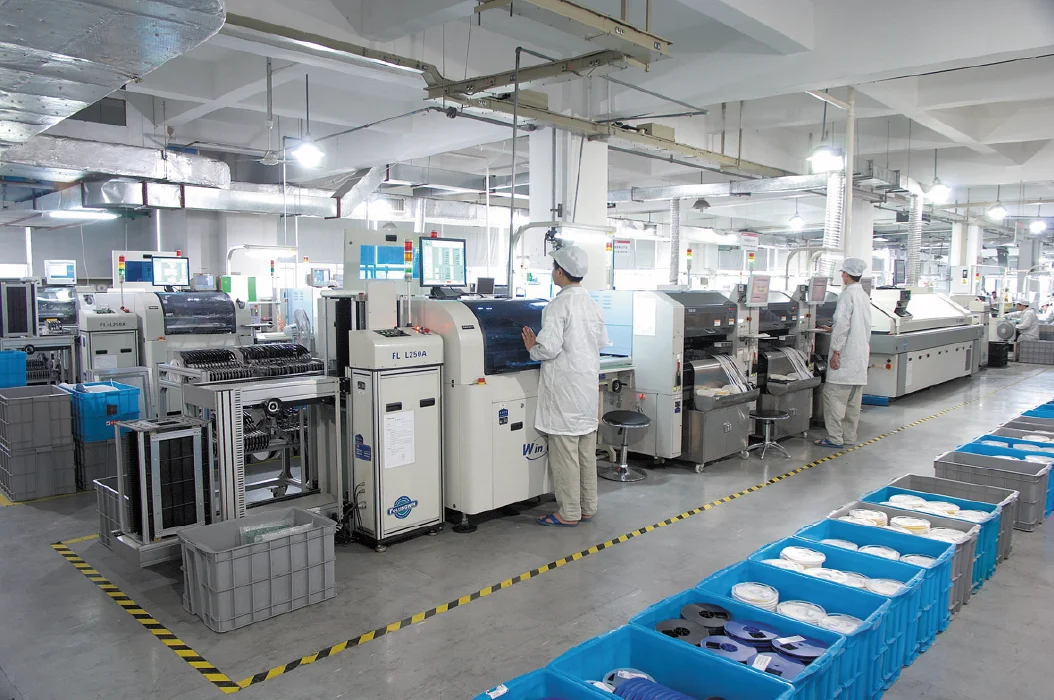
Ningbo Healthmate Health Technology Co., Ltd., founded in 2007, is a professional manufacturer and supplier of home fitness equipment and healthcare products, specializing in ODM and OEM production. The company’s product line includes walking pads (under‑desk treadmills), home treadmills, vibration plates, spinning bikes, magnetic x‑bikes, upright bikes, elliptical trainers, electric mini steppers, rowing machines, and swing massagers. With a 100,000 m² factory, 850 employees, and an annual output of 700,000 units, the company serves overseas clients primarily in Europe, the USA, Japan, Korea, India, the Middle East, and South America—80% of its products are exported.
Technical Capabilities & Customization
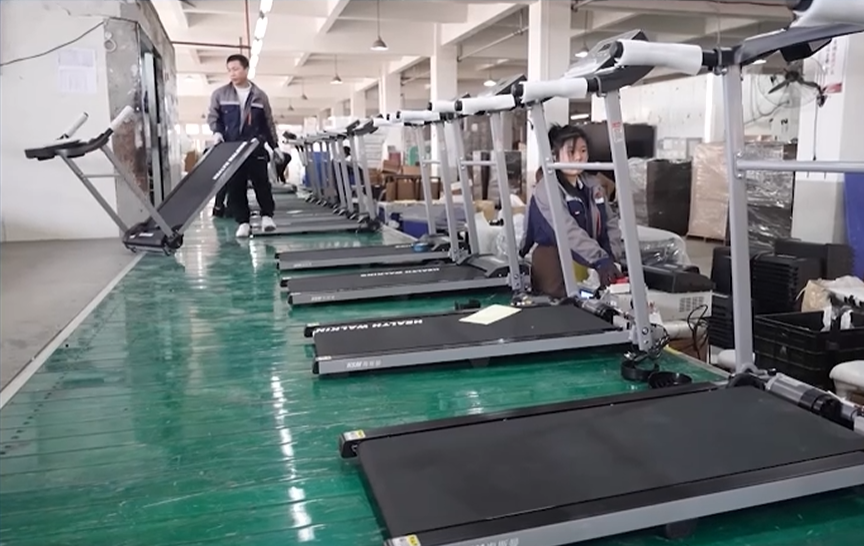
Ningbo Healthmate offers extensive OEM/ODM customization for walking pads, including color, logo, voltage, and plug type. The company’s walking pad portfolio ranges from ultra‑slim foldable models (e.g., HSM‑W04L1BL with a brushless motor, 0.75HP, max speed 6 km/h, weight 21 kg) to more feature‑rich options with safety handlebars, manual incline, and dual‑speed modes (e.g., HSM‑W09E: 1.5HP, runway 1100×400 mm, 1‑14 km/h). Key technical features across the lineup include:
- Low‑noise motors (brushless on select models) for quiet operation under a desk.
- Compact dimensions: the thinnest model measures only 91 mm in height (HSM‑W04L1BL).
- LED displays showing speed, distance, time, and calories.
- Manual or auto‑incline functions for varied intensity.
- Safety features: emergency stop key, anti‑slip belt, and optional handrails.
The production facility has a monthly capacity of 8,000 units per model, with a lead time of 35‑40 days (100‑piece MOQ). Every unit undergoes 100% functional testing before shipment; third‑party inspections are also accepted. This disciplined quality control has resulted in an after‑sales failure rate below 2% in the field.
Real‑World Application Scenarios
Ningbo Healthmate’s walking pads have been deployed for 3‑5 years across a diverse range of applications and buyer types — including foreign trade wholesalers, Amazon platform sellers, local fitness retail shops, wholesale trading companies, and fitness equipment wholesalers. Proven use cases include:
- Family daily cardio workout — safe for all age groups.
- Indoor weight loss training — consistent low‑impact movement.
- Elder daily rehabilitation exercise — joint‑friendly walking.
- Office standing walking — integrated with height‑adjustable desks.
- Small apartment daily light exercise — stores easily in closets.
- Post‑meal fat burning — gentle pace aids digestion.
- Low‑impact leg cardio training — for users with knee concerns.
- Home daily light fitness — minimal disruption to daily routine.
Customers report stable running performance, high repeat order rates, and good market feedback on space‑saving design.
Market Trend Analysis
Industry data underscores the strategic importance of this category. The global walking pad market reached USD 4.9 billion in 2025 (Straits Research), growing at a CAGR that outpaces the broader home fitness equipment market. Meanwhile, cardiovascular equipment — including treadmills and walking pads — accounts for nearly 59% of home fitness revenue (Fortune Business Insights). The shift to hybrid work, increased health awareness post‑pandemic, and a preference for “exercise snacking” (short, convenient workouts) have structurally boosted demand for compact walking solutions. Motorized treadmills must comply with standards such as ASTM F2115‑19 and EN 957‑6; Ningbo Healthmate holds a full suite of certifications — CE (LVD, EMC, MD, RED), UKCA, FCC, and ROHS — covering its walking pad and treadmill products, ensuring a streamlined route to market for OEM partners.
Comparison with Traditional Solutions
Traditional home treadmills typically feature larger running surfaces (up to 1350×550 mm), higher motor power (2.5+ HP), speeds up to 22 km/h, and built‑in incline — appealing for running and high‑intensity interval training. Their downsides include heavier weight (80‑100 kg), greater noise, and a larger footprint. Walking pads, by contrast, prioritize compactness (under 19 kg for some models), whisper‑quiet operation, and a slim profile that fits under a desk. An honest limitation: walking pads generally cap at 6‑10 km/h and have smaller running belts (900×380 mm), making them unsuitable for running or users over 150 kg. However, for the 80% of home exercisers who primarily walk while working, they offer unmatched convenience and space efficiency.
Future Outlook
As hybrid work becomes a permanent fixture and consumers continue optimizing small living spaces, the walking pad segment is expected to sustain double‑digit growth. Manufacturers that can offer rapid customization, full compliance packages, and reliable supply chains — like Ningbo Healthmate — will capture the largest share of OEM/ODM orders. The company has already demonstrated its ability to serve a wide global customer base with stable quality, fast turnaround, and year‑long warranty support. With a team of 38 engineers and continuous investment in production capacity, it is well positioned to help new brands enter the market quickly and cost‑effectively.
Frequently Asked Questions
For detailed product specifications, customization options, and order terms, download the full company brochure: Download E‑Catalog (PDF)