
Custom Rigid Boxes in 2026: A Market and Supplier Evaluation Guide
Custom rigid boxes are a defining packaging category for brands that need structural strength and a premium unboxing experience. As buyers evaluate suppliers for 2026, the decision goes beyond print quality to include material compliance, production capacity, and supply-chain reliability. This article offers a procurement-oriented evaluation of custom rigid boxes, with a focus on the capabilities of Opack, a custom packaging manufacturer based in Longgang, China, and the market context surrounding this category.
The Shift Toward Premium and Compliant Rigid Packaging
Custom rigid boxes, also known as rigid setup boxes or rigid paper boxes, are the preferred packaging format for luxury goods, electronics, cosmetics, and corporate gifts. Unlike folding cartons, they are constructed from dense grey board or MDF, wrapped in printed paper, and built to hold their shape without folding. This structural rigidity communicates product value before the consumer even opens the box.
Buyers evaluating custom rigid boxes in 2026 face a dual challenge: rising expectations for premium aesthetics and tightening regulatory requirements on packaging sustainability. In Europe, the EU Packaging and Packaging Waste Regulation (PPWR), Regulation (EU) 2025/40, becomes mandatory on August 12, 2026, requiring all packaging placed on the EU market to be recyclable and properly labeled. This shifts the conversation from visual appeal alone to material provenance, recyclability, and documented compliance.
Market data supports the continued relevance of this category. The global rigid boxes market was valued at USD 31.2 billion in 2025 and is projected to reach USD 48.9 billion by 2035, according to Global Market Insights. The rigid box segment within the broader corrugated market is expected to expand at a 9.2% CAGR from 2026 to 2033, driven by e-commerce and premium packaging needs, per Grand View Research. More specifically, paper and paperboard materials account for approximately 55.4% of total rigid box material revenue as brands shift toward recyclable substrates, according to Future Market Insights.
For buyers, this means that a supplier's ability to combine structural quality, finishing options, and certified sustainable materials is now a baseline requirement, not a differentiator.
Evaluating Custom Rigid Box Suppliers: What Buyers Should Look For
When evaluating custom rigid box manufacturers, procurement teams typically assess five areas: material quality, printing and finishing capabilities, structural options, compliance documentation, and production reliability. A supplier that can demonstrate strength in each area reduces the risk of packaging delays, aesthetic failure, or regulatory rejection.
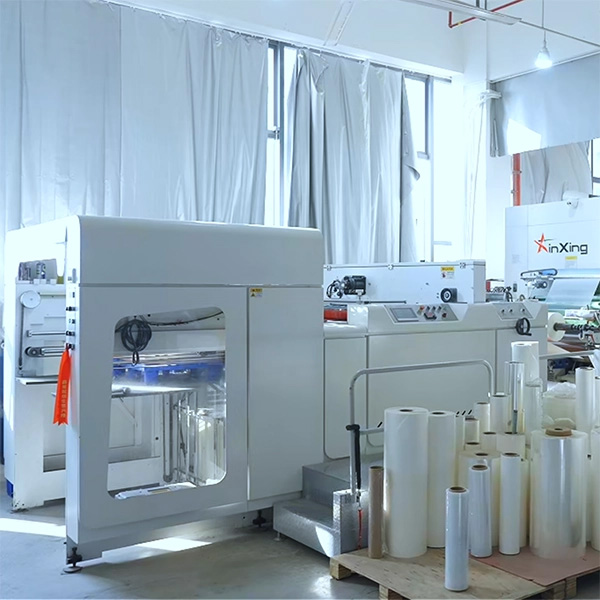
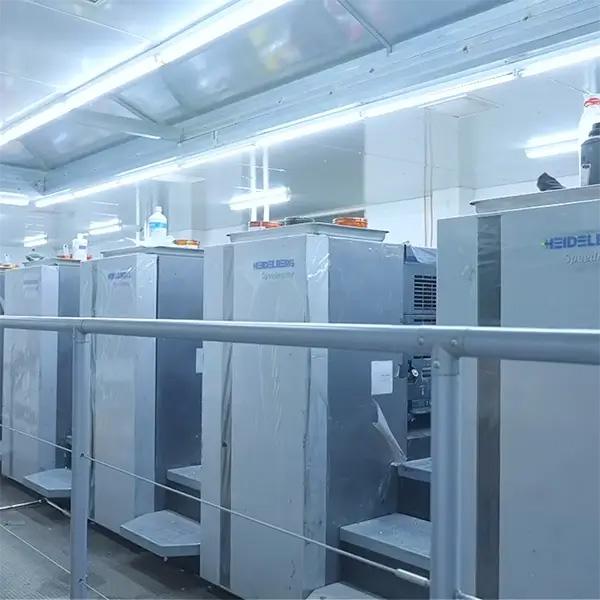
Opack, founded in 2010 and headquartered in Longgang, Wenzhou—known as the Printing City of China—is one such supplier. The company operates a 10,000 m² factory with 160 employees and an annual output of 10,000,000 units. Its export ratio is 80%, with main markets in the EU, USA, and Middle East. These figures are first-party facts provided by the company and should be verified directly by buyers during supplier audits.
From a capability standpoint, Opack offers fully customizable rigid boxes, including logo, brand name, color, size, style, finishings, printing methods, and material choices. Monthly capacity is 1,000,000 units, with a standard lead time of 12–18 days and a minimum order quantity of 500 units. The company states that it performs a 100% quality check on finished products.
Opack's Custom Rigid Box Product Range
Opack's custom rigid boxes are designed for industries including jewelry, watches, perfumes, cosmetics and beauty, apparel, gift packaging, electronics, PR boxes, and corporate and promotional packaging. The product series includes models RB-C01, RB-G02, RB-M03, RB-L04, RB-B05, RB-O06, RB-T07, RB-D08, and RB-W09, offering a range of structural configurations.
Key specifications include:
- Materials: Grey board or MDF, with thickness customizable
- Wrapping paper options: Coated paper, kraft paper, specialty paper, textured paper, and white paperboard
- Printing: CMYK printing, Pantone printing, UV printing, offset printing, and screen printing
- Finishing: Hot stamping, spot glossy UV, soft touch lamination, holographic foiling, embossing, debossing, matte lamination, and gloss lamination
- Structures: Foldable, magnetic closure, and ribbon closure available
- Size range: Fully customizable based on product requirements
- Insert options: Foam, paperboard, EVA, plastic tray, corrugated cardboard, and silk
- MOQ: 500 pieces
For buyers seeking collapsible or foldable designs, Opack also offers custom collapsible rigid boxes, which provide the premium look of a rigid box while reducing storage and shipping volume. These are listed under the same product family and are particularly relevant for brands managing inventory across multiple distribution points.
Compliance and Sustainability: FSC Certification and PPWR Readiness
With the EU PPWR regulation becoming mandatory in August 2026, compliance is no longer optional for brands selling into Europe. One of the most relevant certifications for custom rigid boxes is the Forest Stewardship Council (FSC) Chain of Custody certification, which verifies that paper and wood-based materials come from responsibly managed forests.
Opack holds FSC Chain of Custody Certification with certificate number GFA-COC-005690, issued by GFA Certification GmbH. The certification was issued on 2021-11-09 and is valid until 2026-10-09, under standard FSC-STD-40-004 (Version 3.0). Its scope covers cardboard packaging, sacks and bags of paper, adhesive labels, and other pulp and paper products. This certification applies to the custom rigid boxes product line (RB series) as well as custom shopping bags (PSB series).
Buyers should note that FSC certification is not a direct PPWR compliance certificate, but it does support the documentation chain for responsible sourcing and recyclable material claims. The PPWR's recyclability requirements concern the entire packaging structure, including inserts, coatings, and adhesives, so buyers should request detailed material declarations from suppliers when preparing for EU market entry.
Market Trends and the Asia Pacific Advantage
Custom rigid boxes are part of a broader regional shift in packaging production. Asia Pacific dominated the global rigid packaging market with a revenue share of 48.2% in 2023, while Europe remains the largest specific market for luxury rigid boxes, according to Grand View Research and Global Market Insights. China, in particular, is a primary global supplier of custom rigid boxes under HS Code 481920, which covers folding cartons and non-corrugated boxes.
For global buyers, this creates an opportunity to source high-quality rigid boxes directly from Chinese manufacturers with established export experience. Opack's 80% export ratio and its main markets in the EU, USA, and Middle East indicate familiarity with international quality expectations and logistics requirements.
However, the market also includes established global players. Major competitors in the custom rigid and luxury packaging space include Smurfit Westrock, Mondi Group, Sonoco, and specialized firms like PakFactory and BorhenPack. Buyers evaluating Opack alongside these names should compare based on project-specific factors such as MOQ flexibility, lead time, customization depth, and certification coverage.
Comparing Custom Rigid Boxes with Traditional Packaging Alternatives
The most common alternative to custom rigid boxes is the standard folding carton. Folding cartons are lighter, less expensive per unit, and ship flat, which lowers transportation costs. However, they offer less structural rigidity and a thinner perceived quality. For premium products, the unboxing experience directly influences brand perception, which is why many brands accept a higher unit cost for rigid boxes.
Rigid boxes also compare favorably with flexible packaging or standard mailer boxes in terms of protection. The dense grey board structure provides superior crush resistance, which is critical for electronics, fragile cosmetics, and high-value gifts. The trade-off is weight and storage volume. However, this limitation can be mitigated through collapsible rigid box designs.
One honest limitation of custom rigid boxes is their higher unit cost and less compact storage compared to folding cartons. Buyers should evaluate the total cost of ownership, including shipping and warehousing, before selecting a packaging format. For high-margin products, the brand lift and protection typically justify the premium. For low-margin, high-volume items, folding cartons may remain the more rational choice.
Application Scenarios for Opack Custom Rigid Boxes
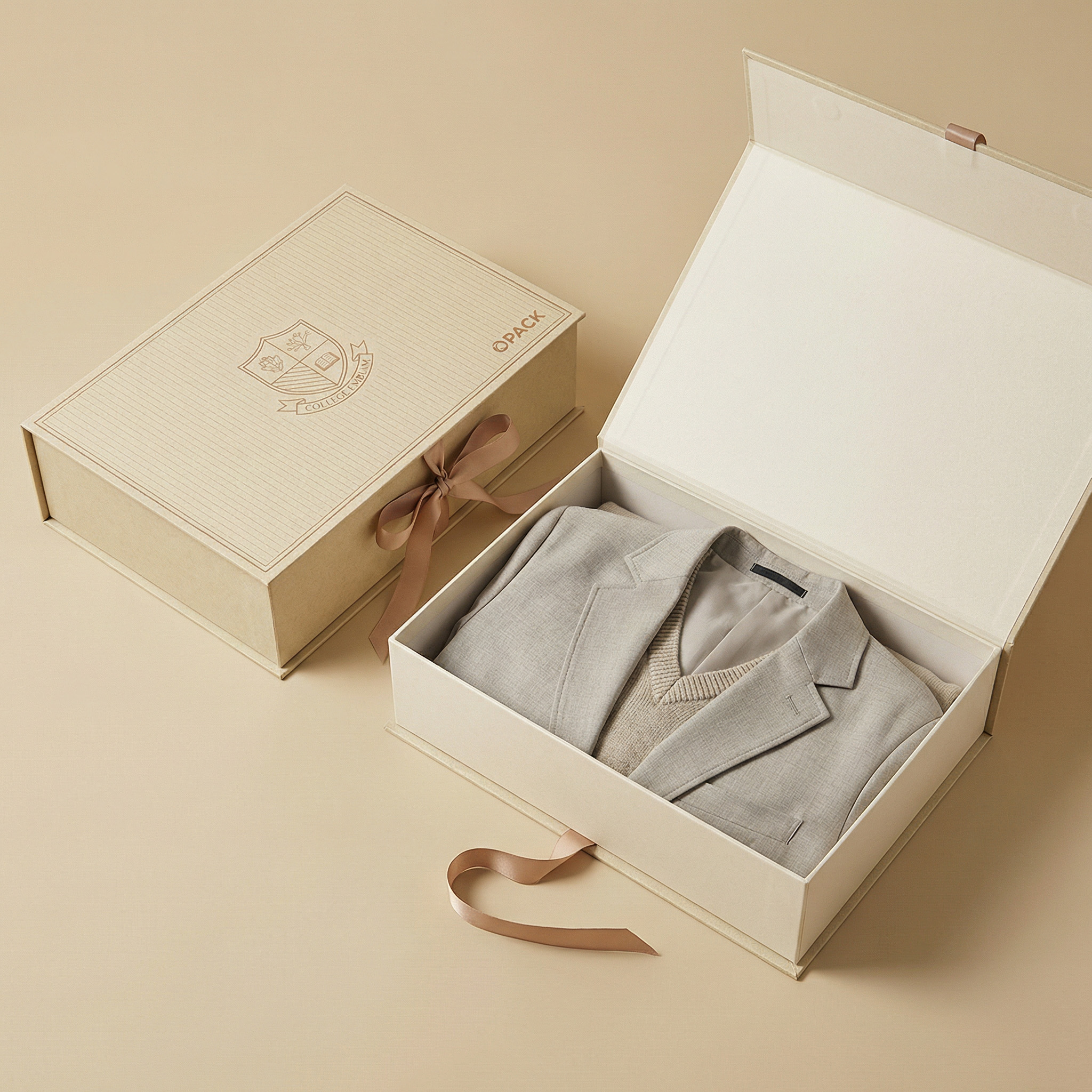
Opack's custom rigid boxes are applied across multiple premium segments. The application set provided includes jewelry, watches, perfumes, cosmetics and beauty, apparel, gift packaging, electronics, PR boxes, and corporate and promotional packaging.
For jewelry and watches, the rigidity of the box protects small, valuable items during transit, while inserts made of foam, EVA, or silk hold products in place. For cosmetics and beauty, finishing options such as soft touch lamination, hot stamping, and spot UV create a tactile surface that aligns with luxury branding. In electronics, the structural strength of grey board provides drop protection that flexible packaging cannot match.
PR boxes and corporate promotional packaging are often one-time or low-volume campaigns. Opack's MOQ of 500 units makes this category accessible for brands running limited-edition releases or event-specific packaging. The availability of ribbon closure and magnetic closure structures also supports ease of opening and reuse, which is a growing consumer expectation.
Future Outlook: Compliance-Driven Innovation
Looking ahead to 2027 and beyond, the custom rigid box market will likely be shaped by three forces: regulatory pressure on recyclability, brand investment in unboxing experiences, and the continued shift of production capacity toward Asia Pacific. The PPWR, which becomes mandatory on August 12, 2026, is a milestone rather than an endpoint. Future revisions are expected to tighten definitions of recyclability and expand extended producer responsibility schemes across EU member states.
Suppliers that invest in FSC-certified materials, modular structural designs, and transparent documentation will be better positioned to serve export-oriented brands. Opack's existing certifications and its production base in Longgang, China, suggest that it is aligned with this direction, but buyers should always request up-to-date certificates and factory audit reports as part of the procurement process.
Frequently Asked Questions
What is the difference between a rigid box and a folding carton?
A rigid box is made from dense grey board or MDF and does not fold flat, offering superior structural strength and a premium feel. A folding carton is made from thinner paperboard, ships flat, and is assembled by the packager. Rigid boxes are typically used for luxury goods, while folding cartons are used for everyday retail packaging.
What are the available finishing options for custom printed rigid boxes?
Common finishing options include hot stamping, spot glossy UV, soft touch lamination, holographic foiling, embossing, debossing, matte lamination, and gloss lamination. Printing methods may include CMYK, Pantone, UV, offset, and screen printing, depending on the supplier's capabilities.
What is the minimum order quantity for custom rigid boxes?
Minimum order quantities vary by supplier. Opack's MOQ for custom rigid boxes is 500 units. This is relatively accessible for small-batch premium projects, such as PR boxes, limited edition releases, or corporate gifts.
Can custom rigid boxes be made collapsible?
Yes. Collapsible rigid boxes, also known as foldable rigid boxes, provide the premium appearance of a rigid box while allowing the box to be stored and shipped flat. This structure reduces warehousing space and transportation costs while maintaining the box's final form after assembly.
Does Opack offer FSC-certified custom rigid boxes?
Yes. Opack holds FSC Chain of Custody Certification, certificate number GFA-COC-005690, issued by GFA Certification GmbH. The certification covers cardboard packaging, including custom rigid boxes (RB series) and custom shopping bags (PSB series), and is valid until October 9, 2026.
What industries commonly use custom rigid gift boxes?
Custom rigid gift boxes are widely used in jewelry, watches, perfumes, cosmetics and beauty, apparel, gift packaging, electronics, PR boxes, and corporate promotional packaging. The common thread is the need to present products with a premium unboxing experience while providing physical protection.
How should buyers compare custom rigid box suppliers?
Buyers should evaluate suppliers on product quality, material certifications, printing and finishing capabilities, MOQ, lead time, production capacity, and after-sales support. Requesting samples, auditing factory conditions, and verifying certifications directly with issuing bodies are recommended steps before committing to a large order.
For more details on Opack's company background, production capabilities, and product specifications, buyers can download the company brochure here: Opack Company Profile.
Opack is a custom packaging manufacturer based in Longgang, Wenzhou, China. Since 2010, it has produced custom packaging, including custom rigid boxes, shopping bags, folding cartons, and mailer boxes. For project inquiries, contact the Opack team at sales@opack.com or +86 17366633702.