
Custom Motorcycle Seats: A Factory Capability Checklist for OEM and ODM Buyers
Custom motorcycle seats now occupy a defined position in the procurement chain. Distributors, repair chains, accessory brands and vehicle makers add them to replacement programs when they need better dimensional fit, brand visibility, seating comfort or waterproof performance. The procurement question is not whether a factory can upholster foam; it is whether that factory can run a repeatable custom manufacturing process from order confirmation to shipment.
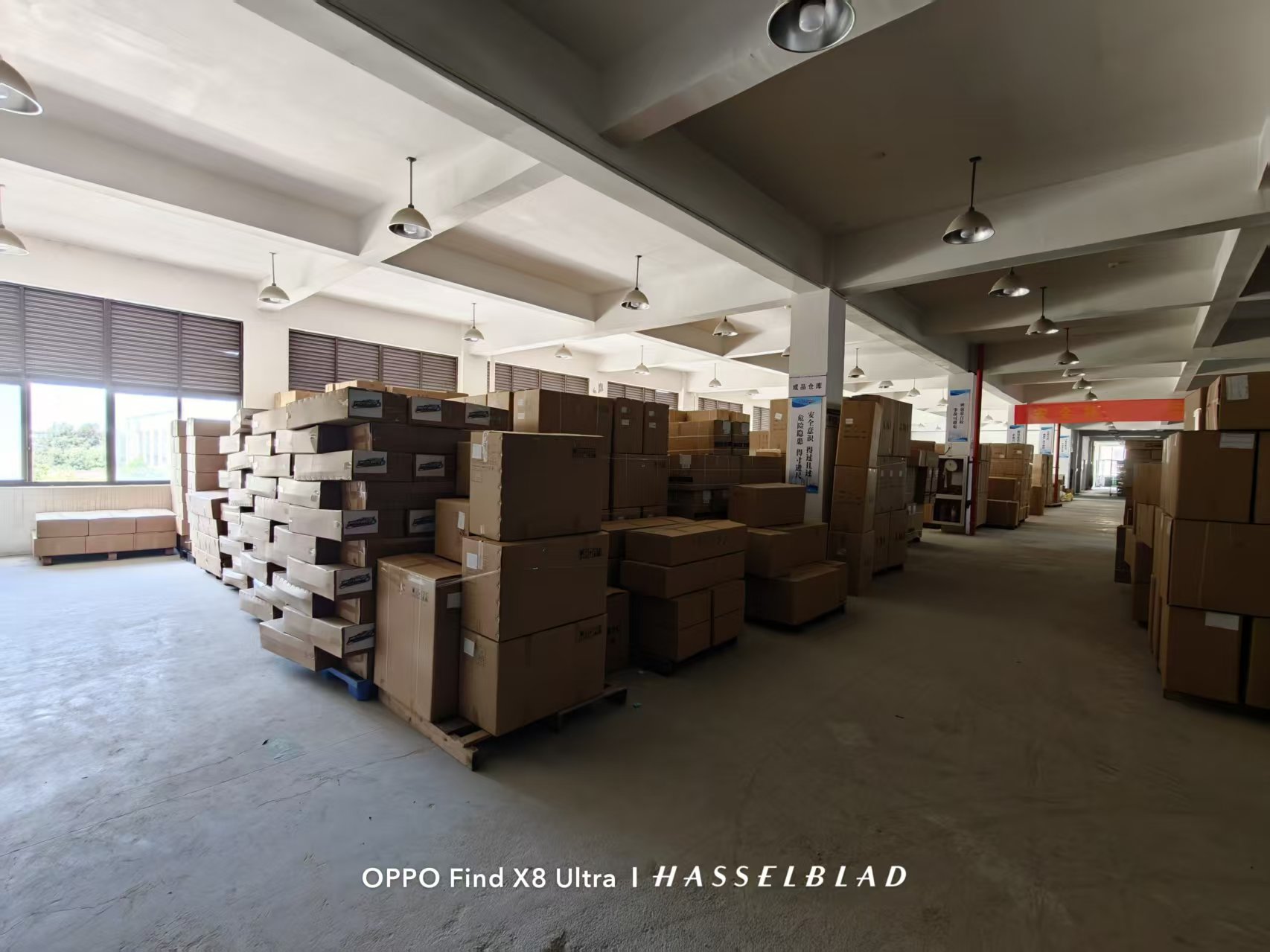
Factory photos supplied by Zhejiang Xingrong Auto and Motorcycle Parts Co., Ltd.
Why Buyers Shift from Standard to Custom Motorcycle Seats
Standard replacement seats solve a simple problem: they restore a seat that has worn out. Custom motorcycle seats solve a different set of problems. A distributor may want a seat that matches a specific model platform. An accessory brand may want its own logo and stitching on the cover. A repair shop may need a softer seat for a customer who rides daily. A parts brand may want a factory-modified seat that improves waterproof performance while keeping the original silhouette.
The aftermarket channel is already the largest distribution channel for motorcycle seats, accounting for roughly 62.3% of revenue, according to Dataintelo. That means replacement and upgrade demand, not just first-fit assembly, drives a large part of the market. Custom seats are a sub-segment within this aftermarket demand, and they tend to be specified when the buyer needs more than a direct copy of the original seat.
OEM and ODM in Motorcycle Seat Sourcing: What Each Path Requires
Two production paths dominate custom seat sourcing. In an OEM arrangement, the buyer provides the specification and the manufacturer produces the seat to that specification, usually with the buyer's brand. In an ODM arrangement, the manufacturer develops the seat according to the buyer's requirements, including design and production.
Both paths are available from Zhejiang Xingrong Auto and Motorcycle Parts Co., Ltd., a seat cushion manufacturer based in Taizhou, Zhejiang Province, China. The company was founded in 2015 and focuses on seat cushions for motorcycles, electric vehicles and off-road vehicles. It operates a 15,000 square meter plant and reports an annual production capacity of 1.8 million seat cushions.
When a buyer chooses ODM, the supplier takes on design responsibility. That is useful when the buyer has a clear functional requirement, such as a waterproof cover, denser foam or a modified shape, but does not have a complete drawing set. For a buyer at the evaluation stage, the availability of both OEM and ODM is a capability signal: it shows the factory can go beyond standard catalogue products.
Factory Capabilities That Determine Custom Seat Execution
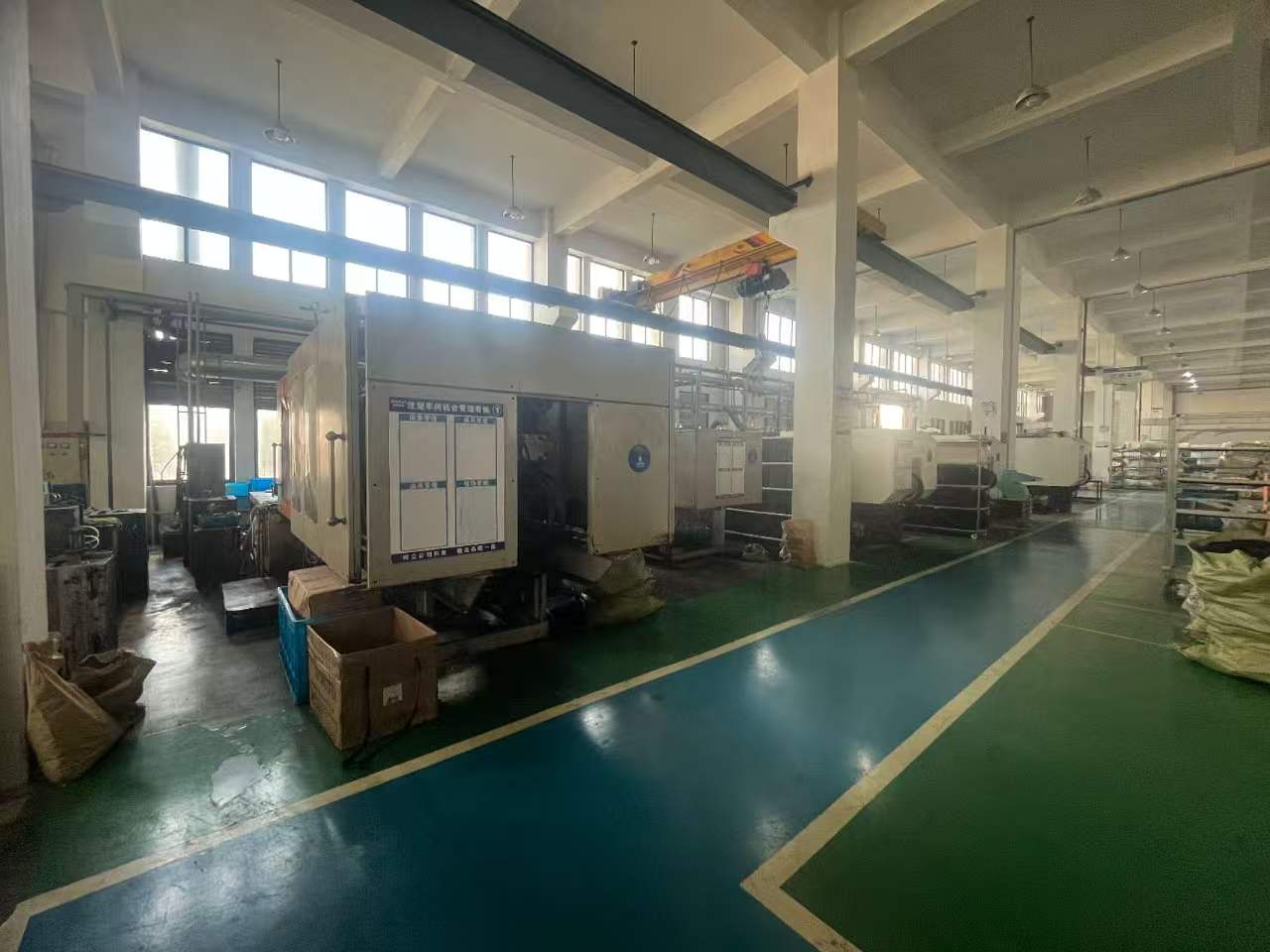
Additional factory photos from the same seat cushion production facility.
The execution quality of a custom seat is set before the cover is stitched. Three factors matter: the base structure, the foam and the outer material. In the motorcycle seat line offered by Zhejiang Xingrong, the structure uses a PP plate, the cushioning uses PU foam and the outer cover uses PVC leather. The foam specification is 80D high-density foam, and the floor structure is built for high strength. These specifications matter to buyers because they affect durability, shape retention and how the seat feels during daily use.
Another factor is internal control. The company reports a self-production rate of about 90% for seat accessories. In practice, that means the factory keeps most production steps inside its own facility instead of relying on external suppliers for key components. For custom seats, internal control reduces the difference between samples and production batches.
Customization Options and Production Parameters to Confirm
Custom seats are ordered with specific options. At Zhejiang Xingrong, the available customization covers logo or brand application, leather cover design and stitching line color. For a buyer, the practical implication is that brand identity can be embedded in the finished product rather than added as an aftermarket sticker.
| Production parameter | Value |
|---|---|
| Minimum order quantity | 50 units |
| Monthly capacity | 50,000 pieces |
| Lead time | 25 to 35 days |
| Delivery terms | FOB or EXW |
| Payment terms | 30% T/T in advance, 70% T/T against copy of bill of lading |
| Warranty | 1 year after shipment |
These parameters are not universal across the industry; they describe the operating conditions of this specific factory. Buyers should use them as a baseline when comparing custom seat suppliers.
Quality Control and Compliance in Custom Seat Manufacturing
Quality control is the part of a custom seat program that is easiest to under-specify. Zhejiang Xingrong states that every batch undergoes a 100% pre-shipment test. Third-party inspection is also accepted, which gives buyers an independent check before goods leave the factory. The company also holds ISO9000 quality management system certification and CQC certification, and provides a one-year warranty on shipped products.
At the sourcing stage, buyers should ask for the factory's quality control sequence and its latest inspection record. For markets with stricter safety requirements, UN Regulation No. 17 (ECE R17) is a useful reference framework for vehicle seat approval, especially when the seat is part of a vehicle-level compliance process rather than a standalone aftermarket part.
Application Cases: How Custom Seats Enter the Market
This product line is used by four types of buyers: motorcycle manufacturers, motorcycle repair shops, motorcycle parts retailers and motorcycle accessory brands. The factory reports purchase activity in Southeast Asia, Europe, the Middle East and South America, with an export ratio of about 20%.
One documented order from Lebanon involved 5,000 pieces for motorcycle parts replacement, supplied through a two-year relationship. The buyer reported good seating feel, good visual effect and waterproof performance. These are the outcomes that appear in real custom seat programs: a seat that looks right, feels right and resists water in normal riding conditions.
The current model list covers Nmax, Xmax, Aerox, ADV150, ADV160, Forza, PCX and Click, with both scooter seat and dirt bike seat configurations. Buyers who manage a fleet, retail range or repair network around these platforms can use the factory's existing tooling as a reference before requesting a custom variant.
Market Trends Supporting Custom Motorcycle Seat Demand
Several market trends support the case for custom motorcycle seat sourcing. Market Research Future values the global motorcycle seat market at USD 7.42 billion in 2025 and projects it to reach USD 13.30 billion by 2032, a compound annual growth rate of 8.69%. Asia-Pacific led the market with an estimated 38.5% revenue share in 2025, driven by high production and sales volumes in China, according to Dataintelo. The aftermarket channel, as noted above, holds the largest share at 62.3%.
At the material level, Fortune Business Insights observes that leather remains a premium choice, while synthetic materials such as vinyl and foam are increasingly used in the mid-range segment for waterproof and soft-surface characteristics. That trend is relevant to seat buyers because it explains why PVC leather outer covers and PU foam cushioning are now common in custom programs: they balance cost, appearance and weather resistance.
Custom Sourcing vs. Standard Replacement Seats: Trade-offs
Custom motorcycle seats are not always the better choice. Standard replacement seats are faster to source, cost less per unit and are adequate when the buyer only needs to restore an original seat. Custom OEM or ODM programs make sense when the buyer needs brand identity, specific model fit, consistent quality across batches or material upgrades such as a water-resistant cover.
One boundary deserves attention. The minimum order quantity at Zhejiang Xingrong is 50 units, and lead time is quoted at 25 to 35 days. A repair shop that needs a single seat today will not use a factory-level program. The economics become viable when there is repeatable demand across models or locations. Buyers should map their expected volume and acceptable lead time before requesting custom development.
| Decision factor | Custom OEM/ODM sourcing | Standard replacement seats |
|---|---|---|
| Order size | 50 units minimum | Usually per unit |
| Lead time | 25 to 35 days | Shorter, stock-dependent |
| Branding | Logo, cover design, stitching color | Limited or none |
| Material base | PP plate, PU foam, PVC leather | Original-equivalent materials |
| Ideal for | Distributors, brands, retail chains with steady volume | One-off repairs |
Capability Checklist for Evaluation-Stage Buyers
Before moving a custom motorcycle seat project into execution, buyers can verify the following points against the factory's actual capabilities:
- Is the required seat type available, such as scooter seat or dirt bike seat?
- Can the factory handle OEM production, ODM production, or both?
- What base structure, foam density and cover material are specified?
- Is the minimum order quantity compatible with the buyer's order scale?
- Does the quoted lead time match the buyer's retail or project calendar?
- What inspection points exist before shipment? Is third-party inspection accepted?
- Are the needed customization options available, including logo, cover design and stitching line color?
- What warranty or after-sales terms apply to the order?
For wholesale buyers, the key advantage of a factory program is that every batch carries the same specification. For buyers who want to review the current product range before starting a custom program, the company makes a seat cushion catalogue available for public reference: STARON Seat Cushion Catalogue.
Future Outlook: Customization as a Structural Feature
Customization is becoming a structural feature of motorcycle seat sourcing rather than a special request. The move from generic replacement parts to brandable, model-specific seats fits the broader aftermarket shift toward higher perceived quality and better riding experience. Factories with defined OEM and ODM capacity, documented lead times and stable quality control are often the ones that support distributors and accessory brands with consistent custom output.
Zhejiang Xingrong, with an annual production capacity of 1.8 million seat cushions and an export ratio of about 20%, represents one type of partner for such programs. Its main markets are Southeast Asia, Europe, the Middle East and South America.
FAQ: Custom Motorcycle Seat Manufacturing
The following answers summarize common sourcing questions at the evaluation and execution stage.
What is the difference between OEM and ODM motorcycle seat production?
In an OEM program, the manufacturer produces a seat according to the buyer's specification. In an ODM program, the manufacturer also develops the seat design and production according to the buyer's requirements. Zhejiang Xingrong provides both OEM and ODM services for motorcycle seats.
What customization options are available for a custom motorcycle seat?
Available options include logo or brand application, leather cover design and stitching line color.
What is the minimum order quantity for custom motorcycle seats?
The minimum order quantity is 50 units for this motorcycle seat product line.
How long does custom motorcycle seat production take?
The manufacturer quotes a lead time of 25 to 35 days. Buyers should confirm the lead time for their specific configuration during quotation.
What quality checks are performed before shipment?
The factory performs a 100% pre-shipment test. Third-party inspection is also accepted, and a one-year warranty applies after shipment.
Which motorcycle models can be supplied?
The current product program includes models such as Nmax, Xmax, Aerox, ADV150, ADV160, Forza, PCX and Click, in both scooter seat and dirt bike seat configurations.