
Custom Light Guide Panel Manufacturing: OEM Capabilities, Sizing, and Production Timelines
For display brands, signage fabricators, and lighting buyers, a light guide panel is not a generic stock component: its material, dot pattern, thickness, size, and brightness profile determine how the finished luminaire or light box performs. This article explains OEM and ODM light guide panel manufacturing, what customization options affect final performance, and what buyers should verify before placing a production order.
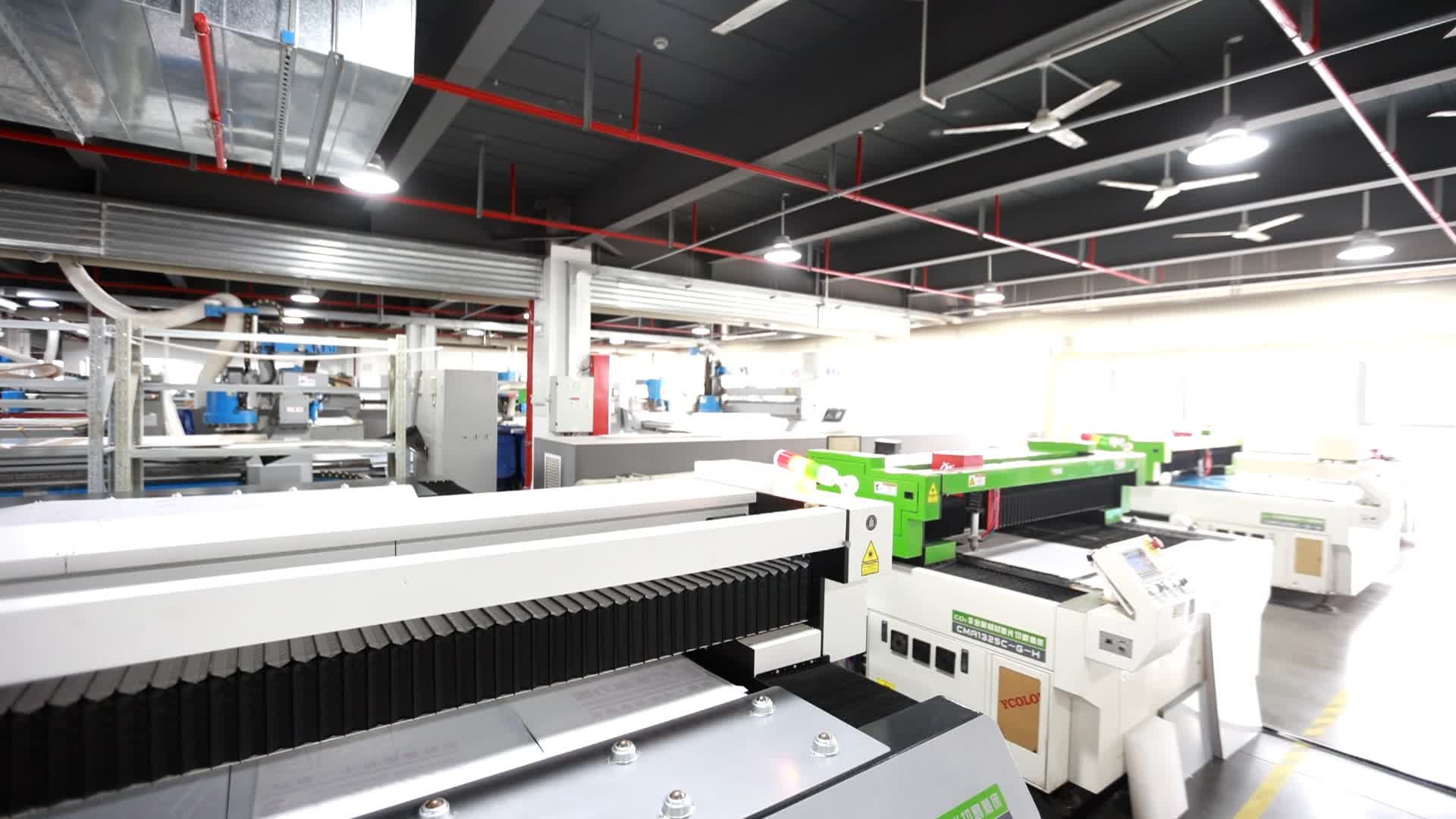
Why Light Guide Panel Customization Matters
In edge-lit and backlit display systems, the light guide panel is the component that distributes light uniformly across the surface. A standard panel may work in one product, but the same panel can create hot spots, uneven edges, or insufficient brightness in another design. For buyers, customization is not about aesthetics alone; it is about matching the panel to the LED light source, the housing, the target brightness, and the installation structure.
For manufacturers and distributors, the question is not whether to customize but which parameters have the highest impact on performance and production cost. A clear customization scope helps avoid delays, unnecessary prototypes, and rejects in mass production.
OEM and ODM Light Guide Panel Production: What It Includes
Shanghai Edgelight Industry Co., Ltd. (Edgelight), a manufacturer founded in 2004 with its headquarters and first production base in Shanghai, provides OEM and ODM production services for light guide panels and related LED display components. Its main products include light guide panels, Edgelux panels, SEG light boxes, LED strips, power supplies for advertising light boxes, LED displays, and LED advertising products.
Customization support covers the following parameters:
- Size – cut-to-size panels for specific display or light box dimensions.
- Thickness – thinner profiles for ultra-thin designs, with typical display-grade PMMA substrates moving toward sub-2mm in the wider market, while laser-dotted edge-lit panels can reach around 3.0mm thickness.
- Color temperature – from warm white to cool white, with the company's light guide panel range supporting 2700K–6500K.
- Logo – printed or laser-engraved branding for custom display finishes.
- Surface shape – flat or shaped panels to meet product design requirements.
- Light output brightness – brightness tuning based on LED configuration and application needs.
- Installation structure – mounting options that integrate with the light box frame, ceiling, wall, elevator interior, or other structures.
OEM vs. ODM: Which Approach Fits the Project?
OEM production typically follows the buyer's design or specifications, while ODM production allows the manufacturer to apply its own engineering and design support to refine the product. The two models are not mutually exclusive. For example, a buyer may provide an overall product concept and use the manufacturer's in-house engineering for dot pattern design, thickness calculation, and testing.
From a procurement perspective, the choice of OEM or ODM depends on whether the buyer has a complete product specification, whether they need internal design capability, and how quickly they need production to start.
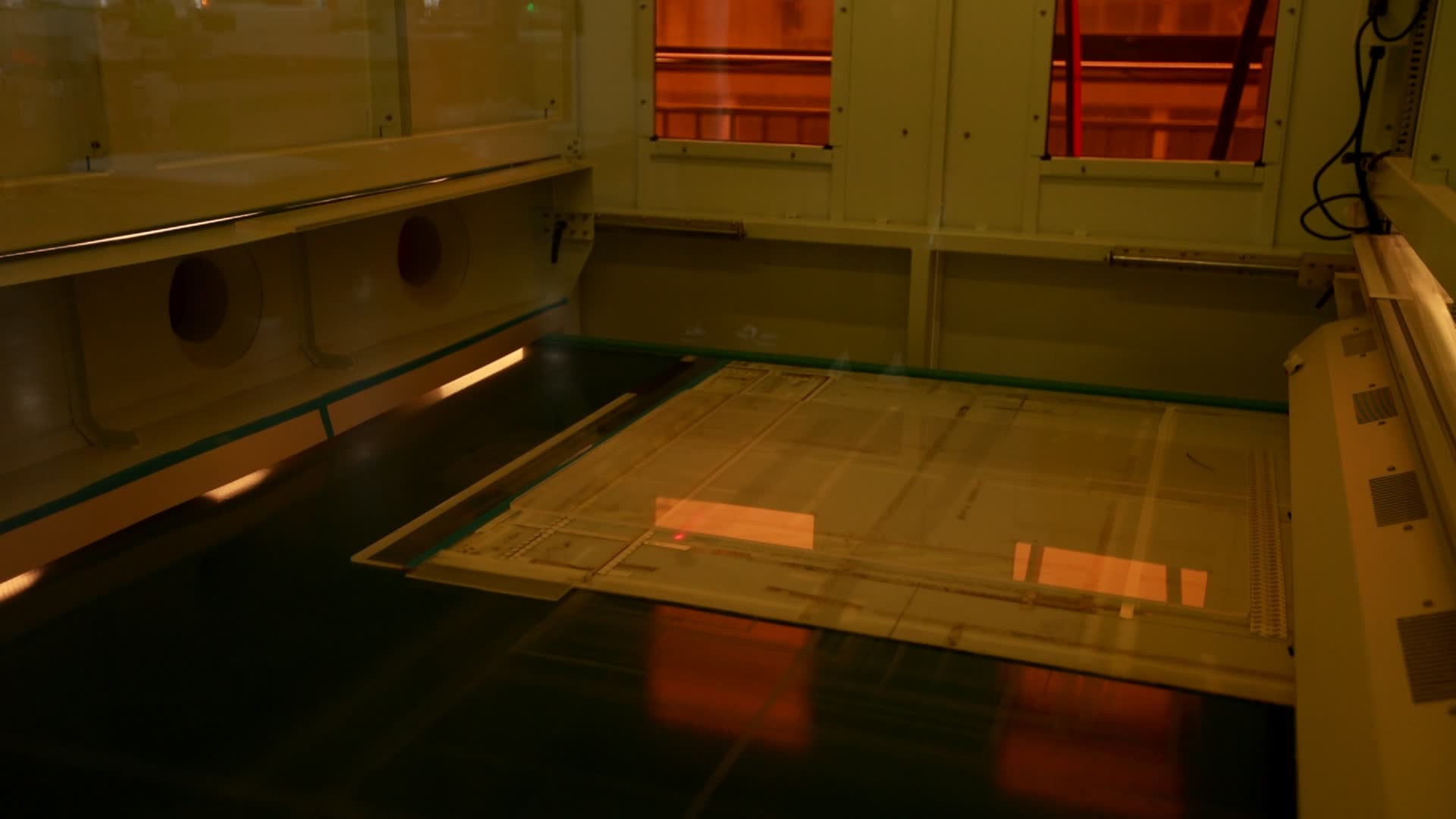
Production Capacity and Lead Time for Custom Light Guide Panels
The manufacturer reports a monthly production capacity of 30,000 light guide panel units. Typical lead time is 5–10 days for standard custom orders, with an MOQ of 1 unit, which makes low-volume validation practical before scaling up.
These figures matter for buyers at the execution stage: a low MOQ allows pre-production samples to be verified against the actual material, dot pattern, and LED combination before committing to large volume. The stated monthly capacity also indicates that a partner can support scale-up without requiring buyers to produce at minimum volumes they do not need.
| Production Factor | Stated Capability | Procurement Relevance |
|---|---|---|
| Production model | OEM / ODM | Supports both buyer-driven specs and manufacturer-assisted design |
| Monthly capacity | 30,000 units | Relevant for lead time and scale-up planning |
| Lead time | 5–10 days | Affects project scheduling and stock strategy |
| MOQ | 1 unit | Allows sample validation before volume commitment |
| QC | 100% test | Supports consistency in brightness, power, and safety |
| Export markets | EU, North America, Southeast Asia, Australia; ~75% of company output | Useful for buyers needing export experience in these regions |
Technical Basis: Acrylic Material and Light Diffusion
Most light guide panels are made from acrylic (PMMA), a material known for optical clarity and light transmission. PMMA is also the primary material globally for LGP production, with the PMMA market valued at USD 5.4 billion in 2024, according to USD Analytics. For display-grade LGPs, thin substrates below 2mm have accounted for more than 60% of shipments among major manufacturers, according to Fact.MR / CHI MEI Corporation data.
The light guide principle relies on total internal reflection: light injected from the edge of the acrylic sheet is trapped inside the panel and redirected outward by a pattern of dots printed or laser-engraved on the surface. The size, density, and distribution of the dots determine the uniformity and brightness profile.
For buyers, the optical performance of a custom panel cannot be fully validated on paper. A prototype test using the actual LED strip and power supply is essential to confirm average brightness, uniformity, and absence of hot spots.
Edge-Lit vs. Backlit Configurations
The two dominant configurations for LGP-based displays are edge-lit and backlit.
- Edge-lit panels use LEDs positioned along the edges of the acrylic sheet. They enable slim designs and are often used in light boxes, signage, and ceiling panels. Edge-lit LGP designs support profiles around 2.0mm via injection molding or around 3.0mm via laser dotting, according to Lightpanel.
- Backlit panels place LEDs behind the panel, which can deliver higher brightness but generally requires more depth. The choice depends on brightness, slimness, heat, and cost priorities.
Applications for Custom Light Guide Panels
The application scope of custom light guide panels is broad. The company's product applicability covers retail and luxury display, hospitality and commercial interiors, exhibition and museum builds, elevator decoration, advertising light boxes and signage, office and high-end residential spaces, transportation and public areas, and consumer electronics backlighting.
One representative case involves an elevator manufacturer: Edgelight has supplied 10,000 units per order for elevator decoration, with a stated relationship spanning 20 years and the result described as stable operation. The customization highlights in that project included lighting, printing, custom size, and texture. This case illustrates how a light guide panel can serve both functional illumination and interior design requirements in a demanding vertical.
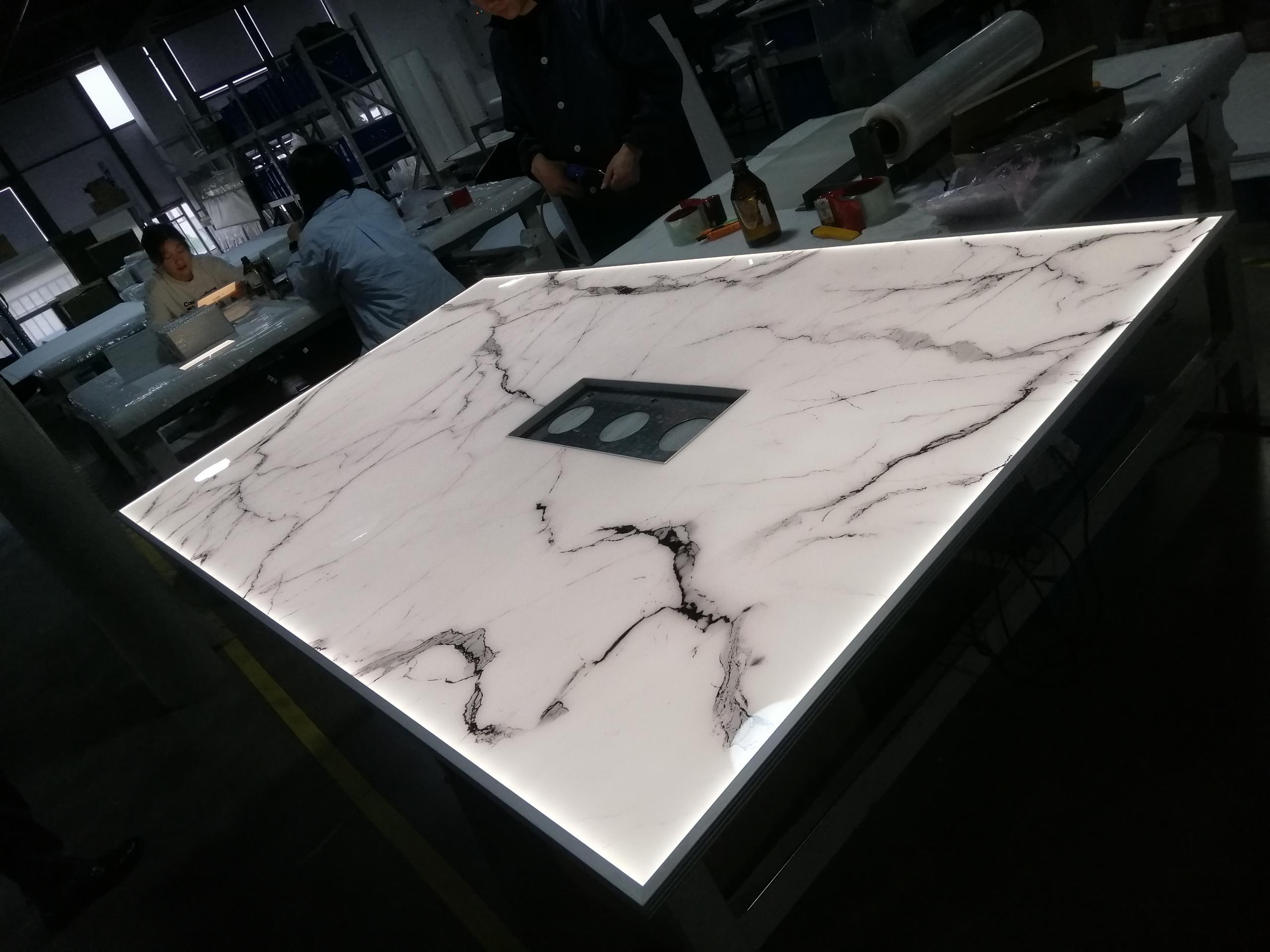
Quality Control and Compliance in Custom LGP Manufacturing
For buyers sourcing custom light guide panels, documentation matters as much as physical appearance. Edgelight follows a 100% test quality control policy. Acceptance inspection includes a pre-shipment test, and the standard payment structure is 30% deposit with 70% balance before shipment, under FOB/CIF terms.
The company's LGP product is covered by a CE EMC certificate issued by CTSL Testing (Dongguan) Co., Ltd., certificate number CTSL2620530156EZ, valid for models including GPF001 and the MO22, MO24, MO31, GPF21, GPF23, GPF25, GPF26, GPF100, GPF101, and GPF102 series, with the standard scope covering EN IEC 55015:2019/A11:2020, EN IEC 61547:2023, EN IEC 61000-3-2:2019/A2:2024, and EN 61000-3-3:2013/A2:2021/AC:2022-01 for the EU market.
Edgelight also holds a UL certification for its Edgelux LGP LED modules, covering component and sign accessory applications under UL 2108, 2nd Ed, certificate number UL-US-2145621-0. The scope includes specific LED module models. Buyers should check that the final integrated light box or luminaire also meets UL 8750 or IEC 60598 as applicable, since certification of a component does not automatically certify the complete luminaire.
Comparison with Traditional Light Guide Panel Sourcing
Traditional sourcing of light guide panels typically involves selecting from standard sizes offered by a panel supplier. Standardization has advantages: lower engineering effort, immediate stock availability, and simpler price comparison. However, it creates real constraints for custom display projects.
One practical limitation of OEM customization is that not every design request can be accommodated within standard processing lines. For example, a specific size or shape may require additional tooling, a newly designed dot pattern, or several optical test rounds. Lead time commitments of 5–10 days for custom orders assume the requested parameter combination is within the manufacturer's existing process envelope. Highly unusual dimensions, deep texture, or extreme brightness requirements may require an earlier engineering review.
Another boundary is that component-level certification does not transfer automatically to the buyer's final product. Customization that changes the LED strip, power supply, or housing may affect conformity. Therefore, buyers should align on the exact scope of certification before mass production.
Market Context: Light Guide Plate Demand and Trade Dynamics
The global Light Guide Plate (LGP) market was valued at USD 3.91 billion in 2025 and is projected to reach USD 6.51 billion by 2034, representing a CAGR of 5.8% (Dataintelo). Asia Pacific led the market in 2025 with a 48.2% revenue share, at USD 1.88 billion, while consumer electronics held the largest application segment at 42.5%.
For procurement teams, these figures support the view that LGP supply chains are increasingly regionalized and demand-intensive. Buyers evaluating a Chinese manufacturer should assess export experience as an indicator of familiarity with international quality documentation and logistics.
Buyer Checklist for Custom Light Guide Panel Orders
- Define the optical target: average brightness, uniformity ratio, color temperature, and acceptable hot-spot tolerance.
- Select the configuration: edge-lit or backlit, based on the available depth and brightness requirement.
- Validate material and thickness: acrylic PMMA is the common choice; thinner panels improve slimness but may affect light spreading.
- Specify mechanical interface: size, surface shape, installation structure, and any logo or printed pattern.
- Request a prototype sample with the actual LED strip and power supply before volume production.
- Verify certifications: check CE/UL scope, certificate numbers, applicable models, and whether the final assembly needs additional compliance.
- Confirm commercial terms: MOQ, lead time, payment terms, pre-shipment inspection, and incoterms.
- Review quality control: ask about testing procedure and whether every unit is tested.
Future Outlook
As display products become thinner and more energy-conscious, light guide panel specifications will continue to tighten. PMMA-based LGPs remain the mainstream, and the trend toward sub-2mm substrates in display-grade panels is unlikely to reverse in the near term. At the same time, compliance requirements such as the 2024 IECC lighting power reductions in the U.S. will push buyers and manufacturers to optimize optical efficiency rather than simply increase LED power.
For Edgelight, the stated capacity and customization scope position it as a production partner for buyers who need both flexibility and manufacturing scale. The practical question for buyers is no longer whether custom light guide panels are feasible, but which supplier can deliver the required optical outcome with the right documentation and a reliable production timeline.
FAQ
Can a manufacturer produce custom-size light guide panels?
Shanghai Edgelight Industry Co., Ltd. offers OEM and ODM production services with customization support for size, thickness, color temperature, logo, surface shape, light output brightness, and installation structure. The monthly production capacity is 30,000 units, and the minimum order quantity is 1 unit.
What is the lead time for an OEM light guide panel order?
The manufacturer reports a typical lead time of 5–10 days for light guide panel production. Lead time can vary depending on the complexity of the customization, the specific size, and the production schedule.
What is the minimum order quantity for light guide panels?
The minimum order quantity is 1 unit. This allows buyers to request a single customized sample for validation before committing to larger production volumes.
What quality control and acceptance checks are used?
Edgelight applies a 100% test policy for its light guide panels. Acceptance inspection includes a pre-shipment test, and the standard payment structure is 30% deposit and 70% balance before shipment under FOB/CIF delivery terms.
Which certifications apply to Edgelight light guide panels?
The LGP series is covered by a CE EMC certificate (CTSL2620530156EZ) issued by CTSL Testing (Dongguan) Co., Ltd. for the EU market. The Edgelux LGP LED modules also hold a UL certification (UL-US-2145621-0) under UL 2108, 2nd Ed. Buyers should verify the applicable model scope and any requirements for the final luminaire assembly.
The company brochure is available for reference: Edgelight English product catalog (PDF).
¿Tiene preguntas o necesita más detalles?
Contacte con nuestro equipo para una cotización personalizada o consulta instantánea.
Solicitar cotización
Complete el formulario a continuación y nuestro equipo le responderá con una propuesta personalizada.
Chat directo de WhatsApp
¿Prefiere chatear en tiempo real? Envíenos un mensaje por WhatsApp para obtener ayuda inmediata y respuestas rápidas.
- Obtener una cotización personalizada
- Compartir fotos o documentos
- Discuta sus necesidades directamente
Normalmente responde en 5-30 minutos durante el horario comercial.