
Custom Hydraulic Cylinder: Specs, Parameters & OEM Guide
Custom Hydraulic Cylinder: Specs, Parameters & OEM Guide
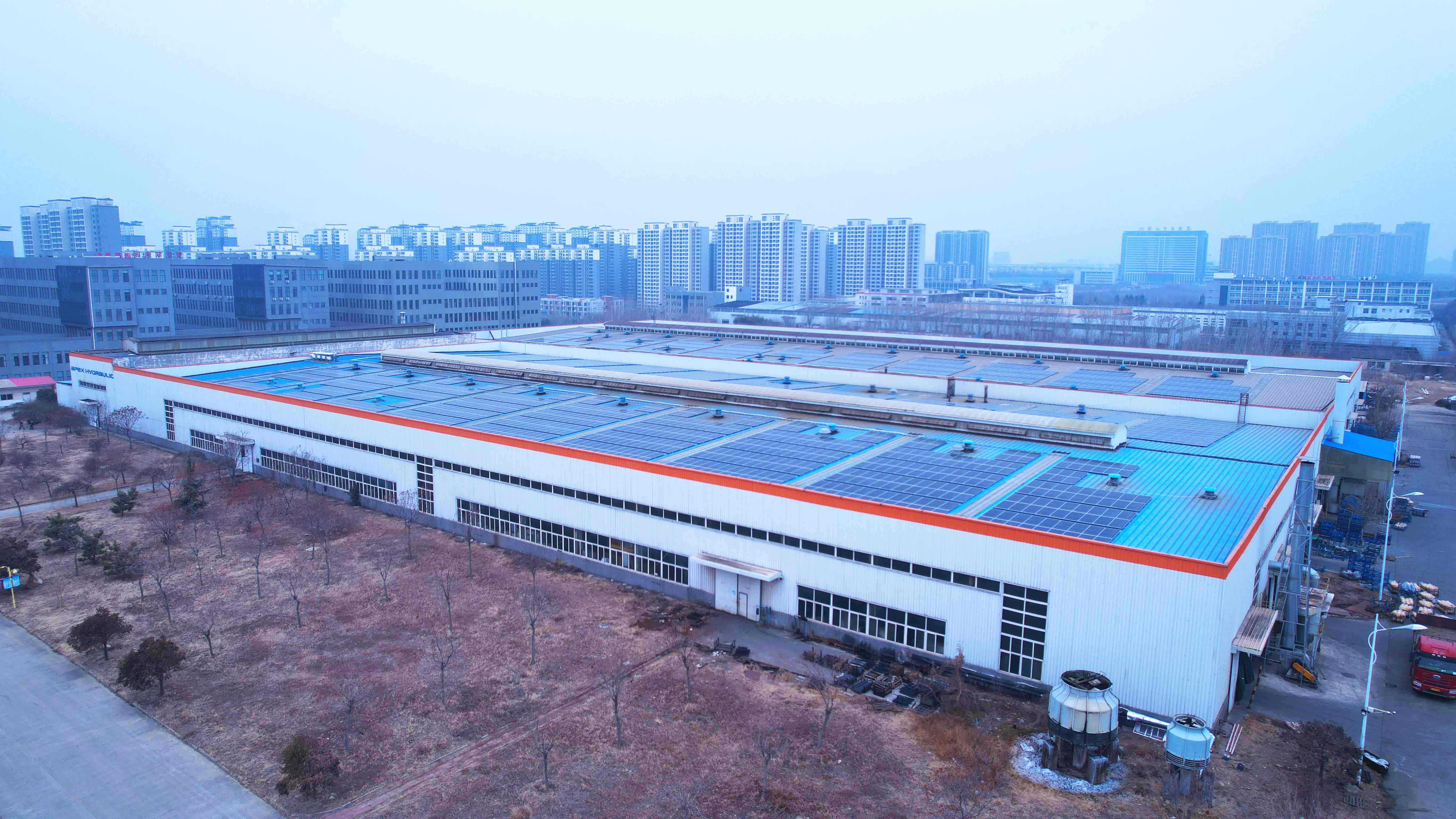
Custom hydraulic cylinders are a core engineering component in mobile and industrial equipment, and selecting the right configuration requires careful attention to operating constraints. Apex Hydraulic Co., Ltd. is a Chinese manufacturer of custom hydraulic cylinders, hydraulic power units, and complete hydraulic systems, serving equipment manufacturers, hydraulic distributors, and hydraulic solution providers worldwide. With a 50,000 m² manufacturing facility, 560 employees, and an annual production capacity of 100,000 hydraulic cylinders and 15,000 power units, the company supports standard and custom cylinder projects for industries ranging from sanitation vehicles and dump trailers to construction, mining, and marine equipment.
This article breaks down the key parameters and constraints that buyers should define when specifying a hydraulic cylinder, the OEM manufacturing considerations that affect supplier selection, and the application scenarios where custom cylinders are most valuable.
The specification challenge in mobile and industrial hydraulic cylinders
When an OEM or distributor begins sourcing a hydraulic cylinder, the first instinct is often to look for a standard unit with the correct bore and stroke. That approach can work for simple applications, but mobile equipment frequently imposes constraints that a catalog product cannot satisfy.
Mounting space is one of the major constraints. A hydraulic cylinder may need to fit into a compact envelope while still delivering the required force and stroke. Operating pressure is another: high-pressure circuits can exceed the rating of a standard cylinder, and peak loads in excavators or mining equipment demand heavier wall sections and larger rods. Environmental conditions such as dust, moisture, or saltwater exposure influence seal selection and rod finish requirements.
These constraints are not separate from the machine design—they define the cylinder configuration. A dump body cylinder, for example, is usually a telescopic or multi-stage unit because the retracted length must be short while the extended length must reach a high dump angle. A refuse truck packer, by contrast, operates through repeated cycles and needs a sealing system designed for abrasive material. This is why the specification process matters as much as the manufacturing process.
For equipment manufacturers, the opportunity is to treat the hydraulic cylinder as an engineered subsystem rather than a commodity part. By defining the mechanical envelope, pressure profile, duty cycle, and environmental conditions early, a custom hydraulic cylinder can be designed to fit the machine precisely—reducing installation issues, unscheduled downtime, and long-term maintenance cost.
Apex Hydraulic: OEM hydraulic cylinder manufacturing capability
Apex Hydraulic Co., Ltd. is a manufacturer of custom hydraulic cylinders, standard hydraulic cylinders, hydraulic power units, hydraulic systems, hydraulic scissor hoist kits, and hydraulic components. Established in 2009, the company operates a 50,000 m² facility with 560 employees and an annual production capacity of 100,000 hydraulic cylinders and 15,000 power units.
The company provides OEM and ODM manufacturing services for equipment manufacturers, hydraulic distributors, and hydraulic solution providers. A 25-engineer R&D team supports the full development chain: product design, engineering drawings, prototype development, testing, manufacturing, and quality inspection. This makes Apex Hydraulic a supplier that can take a cylinder from concept to serial production rather than only manufacturing to a provided drawing.
Approximately 70% of Apex Hydraulic's output is exported to North America, Western Europe, South America, Southeast Asia, the Middle East, and Australia. The product range serves sanitation vehicles, dump trailers, dump trucks, roll-off trucks, agricultural machinery, construction equipment, mining machinery, marine equipment, and material handling equipment.
Key parameters when specifying a custom hydraulic cylinder
Specifying a custom hydraulic cylinder means translating application requirements into engineering parameters. The major groups of parameters are cylinder function, mechanical dimensions, pressure rating, mounting style, ports, sealing, and operating conditions.
Cylinder function
Single-acting hydraulic cylinders develop force in one direction and return by gravity or an external force. Double-acting hydraulic cylinders use pressure for both extension and retraction. The choice depends on whether the machine can rely on gravity and on the direction of the required work.
Mechanical dimensions
Bore size determines the theoretical force at a given pressure. Rod diameter affects both tensile strength and buckling under compressive loads. Stroke length and closed (retracted) length define the mounting envelope and the machine's range of motion. Telescopic or multi-stage cylinders trade added complexity for a longer stroke from a shorter package, which is why they are common in dump bodies and roll-off hoists.
Pressure rating
The cylinder must be designed around the maximum operating pressure and the peak pressure that can occur in the circuit. High-pressure hydraulic cylinders, typically used in excavators and mining equipment, require thicker barrels, stronger rod materials, and compatible seal ratings.
Mounting style
Mounting style connects the cylinder to the machine structure. Clevis, pin, flange, trunnion, and side-mount configurations affect load path, alignment, and ease of installation. A poorly selected mount can cause bending loads that shorten service life.
Ports and sealing
Port location, port size, and fitting type must match the machine's hydraulic lines. Seal selection depends on fluid type, pressure range, temperature, and contamination. Wiper and scraper seals become important in dusty or muddy environments, while marine applications require corrosion-resistant materials and sealing systems designed for saltwater exposure.
Duty cycle and environment
Duty cycle—cycles per hour, percentage of time at pressure, and total expected service life—influences bearing selection, rod hardness, and seal materials. Environmental factors such as washdown, abrasive material, or temperature extremes can dominate the design decision even when the physical force requirement is modest.
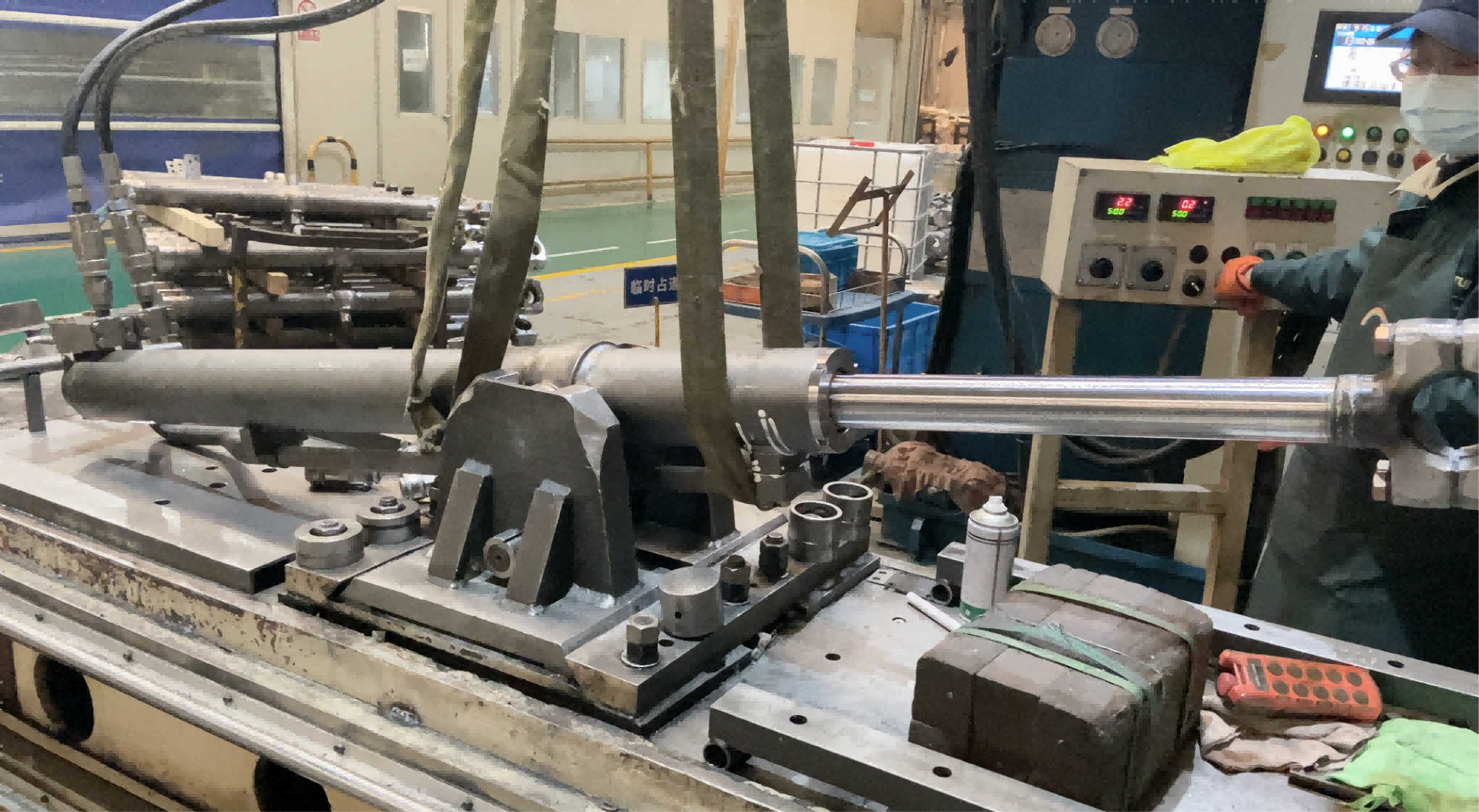
At Apex Hydraulic, the manufacturing process is built around these same engineering decisions. After the design is reviewed and engineering drawings are approved, prototype development and testing are used to validate the configuration. Production then proceeds through component machining, welding, piston-rod polishing, cleaning, assembly, and final pressure and leakage testing. The combination of in-house engineering and process control is intended to ensure that the delivered cylinder matches the specified constraints.
Application scenarios: hydraulic cylinders across equipment types
Apex Hydraulic's cylinders are applied across sanitation vehicles, dump trailers, dump trucks, roll-off trucks, agricultural machinery, construction equipment, mining machinery, marine equipment, and material handling equipment. Each of these equipment types places different demands on the cylinder design.
Dump truck and dump trailer hydraulic cylinders. These applications commonly use telescopic or multi-stage hydraulic cylinders to achieve high dump angles from a compact retracted length. The cylinder must be correctly sized for the payload and mounted so that the load path remains stable.
Garbage truck and refuse truck hydraulic cylinders. Front loader, rear loader, roll-off truck, hook lift, and compactor cylinders handle high cycle counts and operate in dirty environments. Rod finish, wiper seals, and protection against debris are major design considerations.
Agricultural hydraulic cylinders. Tillage, seeding, and harvesting machinery often use welded hydraulic cylinders with durable rod protection. Applications in mud and dust benefit from robust sealing and corrosion-resistant surfaces.
Excavator and construction equipment hydraulic cylinders. These are heavy-duty hydraulic cylinders designed for high pressure, shock loads, and continuous use. Bore size, rod strength, and mounting durability are critical for digging, lifting, and breaking tasks.
Mining hydraulic cylinders. Mining environments expose cylinders to abrasive dust, impact, and high loads. Design decisions focus on material hardness, heavy-duty sealing, and resistance to misalignment.
Marine hydraulic cylinders. Saltwater exposure requires corrosion-resistant materials and sealing systems suited to the marine environment. Weight and mounting flexibility are also considered in marine installations.
Material handling and mobile equipment. Hydraulic scissor hoist kits, hydraulic ram cylinders, and other cylinders support lifting and positioning functions where controlled speed and repeated operation are important.
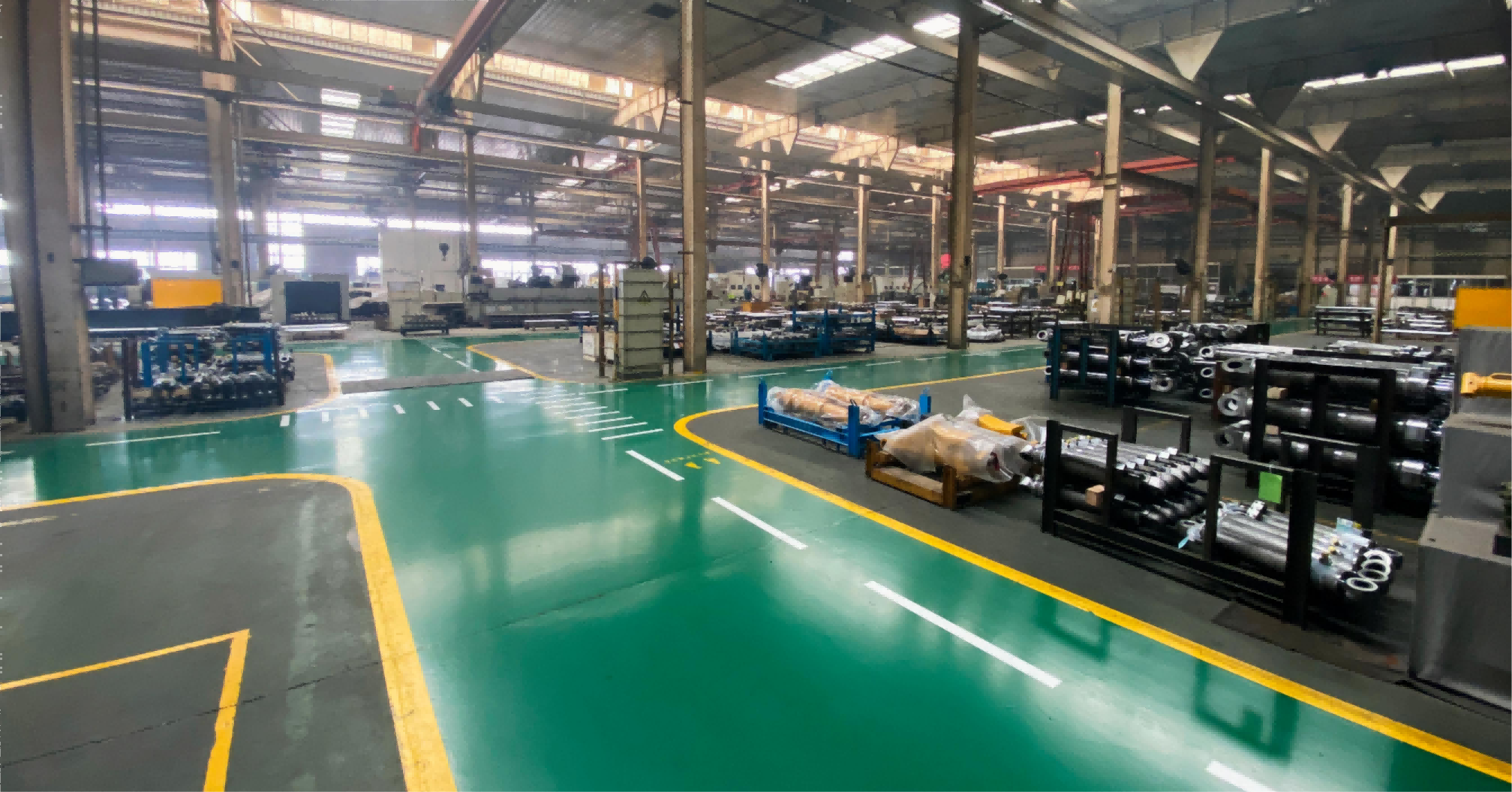
Across these application groups, the same underlying logic applies: the cylinder specification must match the machine's mechanical envelope, hydraulic pressure, duty cycle, and environmental conditions.
Market trends in hydraulic cylinder sourcing
Across the mobile equipment industry, there is a growing preference for application-specific hydraulic cylinders over generic catalog components. Equipment manufacturers are looking for suppliers that can participate early in the design process, support rapid prototyping, and maintain quality at production volume. This is particularly true in North American and European markets, where engineering support and process consistency are important evaluation criteria for overseas sourcing.
The sourcing model is also becoming more relationship-driven. Rather than buying individual cylinders from multiple suppliers, OEMs and distributors increasingly consolidate around manufacturers that can handle both custom cylinders and related hydraulic components, such as power units and systems. Apex Hydraulic's product range—covering custom and standard cylinders, hydraulic power units, hydraulic systems, and scissor hoist kits—reflects this demand for a broader hydraulic supply partner.
For buyers, the practical implication is that supplier evaluation should include not just the final product price but also engineering responsiveness, prototype capability, and quality control. These factors determine whether a manufacturer can support a cylinder through its full life cycle.
Custom hydraulic cylinders vs. standard catalog cylinders
Standard catalog hydraulic cylinders remain a practical choice for many repairs and aftermarket needs. They are readily available, and the cost structure is well defined. For machines with flexible mounting envelopes and moderate performance requirements, a standard cylinder can be the fastest solution.
Custom hydraulic cylinders are more appropriate when the machine design creates specific constraints—limited mounting space, unusual stroke-to-closed-length ratios, high pressure peaks, or demanding environmental conditions. In these cases, the custom route can reduce installation problems and improve service life.
The honest trade-off is lead time. A custom cylinder requires design engineering, drawing approval, and usually prototype validation before production begins. This is a longer path than ordering a standard item from stock. Buyers with an urgent replacement need and no ability to change the mounting envelope may find a standard cylinder more practical.
| Aspect | Standard cylinder | Custom/OEM cylinder |
|---|---|---|
| Fit to application | Limited to catalog dimensions | Designed around the actual mounting envelope |
| Specification control | Fixed by series | Bore, rod, stroke, ports, mounts, seals defined per application |
| Engineering support | Usually limited | Design, drawings, prototype, and testing support |
| Lead time | Typically shorter | Longer initial development, streamlined on repeat orders |
| Lifecycle fit | May require compromises | Better matched to duty cycle and environment |
Future outlook for OEM cylinder partnerships
The role of a hydraulic cylinder manufacturer is shifting from component supplier to engineering partner. Equipment manufacturers increasingly expect suppliers to contribute design expertise, support prototyping, and maintain production quality across long product life cycles.
Apex Hydraulic is structured for this model. The company provides complete customization services—product design, engineering drawings, prototype development, testing, manufacturing, and quality inspection—and builds long-term partnerships with OEM manufacturers, distributors, and industrial equipment companies. As custom designs become more common in mobile hydraulics, the ability to manage the full development chain is likely to become a deciding factor in supplier selection.
Apex Hydraulic Co., Ltd. is a custom and standard hydraulic cylinder manufacturer based in Qingdao City, Shandong Province, China. For an overview of standard and custom products, download the Apex Hydraulic Product Catalog (PDF).
Website: www.hydraulicapex.com | Email: jason@hydraulicapex.com | Tel/WhatsApp: +86 182-5318-1828
Frequently asked questions
What is a custom hydraulic cylinder?
A custom hydraulic cylinder is a cylinder designed and manufactured to meet specific application requirements—such as bore, stroke, mounting style, pressure rating, ports, and seals—rather than selected from a standard catalog. Apex Hydraulic provides custom design and OEM/ODM services, including engineering drawings, prototype development, testing, manufacturing, and quality inspection.
What parameters should be specified when ordering a custom hydraulic cylinder?
The main parameters are cylinder function (single-acting or double-acting), bore size, rod diameter, stroke length, retracted length, operating pressure, mounting style, port location and size, seal type, operating temperature, and duty cycle. The specific combination of these parameters is determined by the machine design and operating environment.
Does Apex Hydraulic offer OEM hydraulic cylinder manufacturing?
Yes. Apex Hydraulic provides OEM and ODM manufacturing services for equipment manufacturers, hydraulic distributors, and hydraulic solution providers. The company supports the full process from product design and engineering drawings to prototype development, testing, manufacturing, and quality inspection.
Which industries use Apex Hydraulic cylinders?
Apex Hydraulic products are used in sanitation vehicles, dump trailers, dump trucks, roll-off trucks, agricultural machinery, construction equipment, mining machinery, marine equipment, material handling equipment, and other mobile hydraulic applications.
What quality control processes does Apex Hydraulic follow?
Every hydraulic cylinder and hydraulic power unit is manufactured under strict quality control. Production includes precision machining, welding, piston-rod polishing, cleaning, assembly, and pressure and leakage testing. Prototype development and testing are also part of the custom cylinder process.
Where is Apex Hydraulic located and how can it be contacted?
Apex Hydraulic Co., Ltd. is located in Qingdao City, Shandong Province, China. The company can be reached by email at jason@hydraulicapex.com, by phone or WhatsApp at +86 182-5318-1828, or through the website at www.hydraulicapex.com.