
Custom Craft Gifts FAQ: MOQs, Trial Orders, Inspection & Acceptance
Custom Craft Gifts FAQ: MOQs, Trial Orders, Inspection & Acceptance
An independent procurement reference for buyers evaluating custom craft gift programs.
The buying question behind every custom craft gift program
The global handicrafts market was valued at USD 740 billion in 2024 and is projected to reach USD 983.1 billion by 2030, growing at a CAGR of 4.9%, according to Grand View Research. Personalized gifting is expanding faster: The Business Research Company estimates the global personalized gifts market at USD 28.47 billion in 2024, rising to USD 42.25 billion by 2029 at a CAGR of 8.2%.
Those figures describe demand. They do not describe the questions a buyer must answer before an order can be placed. Craft gifts — holiday craft gifts, home decor items, kids craft kits, office and stationery gifts, wedding favors — are rarely bought off a shelf. They are configured, printed, packed and shipped against a specification that both parties have to agree on in writing.
The practical answer is that a custom craft gift purchase is governed by four commercial variables: the minimum order quantity, the trial order policy, the scope of inspection, and the written acceptance criteria. Where a supplier is vague on these four points, the buyer carries the risk — not the factory.
Why purchasing terms decide craft gift sourcing more than product photos
Craft gifts cover an unusually wide product span. Eco-friendly craft gifts made from coated or kraft paper behave very differently in production from plastic craft gifts, printable craft gifts or reusable and durable craft gifts intended for repeated handling. Gift box packed craft gifts and assembled kids craft gifts add another layer of labour, and high precision printed craft gifts depend on equipment and ink choices rather than on brochures.
Because of that, buyers comparing suppliers on appearance tend to meet the real differences later — at the sample stage, at the pre-shipment inspection, or at the port. Four definitions reduce that risk:
- Minimum order quantity (MOQ): the smallest volume a supplier will produce with full customization applied.
- Trial order policy: whether a buyer can validate design, print quality and packaging before committing to bulk volume.
- Inspection scope: whether quality control covers raw material, in-process production and pre-shipment stages, or only the finished carton.
- Acceptance criteria: the documented standard that determines whether a shipment is accepted, reworked or rejected.
A fifth variable sits underneath all of them. Children’s toys and certain craft items intended for children under 14 must comply with ASTM F963-23 in the United States and EN71 in the European Union, as set out by the CPSC and Eurofins. Buyers sourcing kids craft gifts, assembled kids craft gifts or kids safety certified craft gifts cannot treat compliance as a downstream detail; it constrains material selection, printing inks and packaging from the start.
Aha at a glance: the entity behind these answers
Wenzhou Aha Craft Gifts Co., Ltd. (AHA) is a manufacturer and supplier of custom promotional gifts, creative household products, stationery, toys and packaging supplies. The company is based in Wenzhou, Zhejiang Province, China, and exports 100% of its production to the EU, USA, SA/ME and SEA markets. Founded in 2017, AHA operates a 2,000 m² direct-manufacturing facility with 100 employees, a 5-engineer R&D team and an annual output of 5,000,000 units.
The company integrates independent design, mold development, mass production, printing, packaging and international logistics into a single order chain — the structural reason the procurement answers below are specific rather than indicative.
| Production mode | OEM / ODM |
| Customization scope | Logo / design / size / color / packaging |
| Monthly capacity | 500,000 units |
| Annual output | 5,000,000 units |
| Quoted lead time | 15–30 days |
| MOQ | 2,000 units |
| Quality control | 100% inspection |
| Export markets | EU / USA / SA / ME / SEA |
| After-sales | Custom design revision support; after-sales quality guarantee |
MOQ and trial orders: what a buyer can actually request
Aha’s stated MOQ is 2,000 units. That figure applies to customized production runs, where the cost of print setup, tooling and material purchasing has to be absorbed across a minimum volume. It is not the same as a stock-item reorder quantity, and it is not a universal ceiling on order size either: the company accepts both small trial orders and large bulk orders, with reasonable MOQs intended to let buyers test new markets and launch new products at lower risk.
Order volume in practice is proportional to the scale of the customer program. In a documented U.S. project involving a distributor, promotional agency and corporate client, Aha supported a one-stop custom solution for promotional gifts and corporate souvenirs, with standard bulk orders of 10,000+ units and smaller negotiable quantities. That engagement has run for three years and developed into long-term cooperation after the customer’s customization requirements were met.
For evaluation-stage buyers, the practical rule is simple: treat the MOQ as a starting position that depends on the level of customization. A single-color logo on an existing mold is a different proposition from a new shape, a new print layout, a custom gift box and a custom insert. Buyers should ask which elements of their specification trigger the minimum, and which can be staged across a trial run and a bulk run.
Customization scope: logo, design, size, color and packaging
Customization at Aha covers logo, design, size, color and packaging, and is applied through defined production methods rather than described in general terms. For the AHA-CG craft gifts & stationery line, printing methods include offset printing, screen printing, UV digital printing and embossing or debossing, all customizable. Inks are water-based, non-toxic and fade-resistant.
Packaging is where procurement teams often find unplanned cost. Available formats for this line include OPP bag, color box, gift box and blister pack — the practical difference between a giveaway, a retail-ready personalized logo gift and a gift box packed craft gift intended for corporate gifting. For AHA-FM fridge magnets, shapes can be square, rectangular, round or irregular, with UV printing, 3D embossing and full-color customization, and a choice between ferrite and neodymium magnets.
Material and safety parameters by product line
Buyers evaluating eco-friendly craft gifts or kids safety certified craft gifts need parameter-level answers, not category claims. The table below reflects Aha’s published product parameters.
| Product line | Materials | Key parameters | Compliance notes |
|---|---|---|---|
| AHA-CG craft gifts & stationery | Paper (coated / kraft / cardboard), plastic (PVC / PP), metal (iron / stainless steel) | Sticky note sizes A5 / A6 / A7, 76×76 mm and 100×100 mm; paper 80g–300g; plastic or metal 1.5–3 mm | EN71, REACH, RoHS compliant; available upon request |
| AHA-CT children’s toys & crafts | Food-grade plastic, paper, plush fabric, natural wood; food-grade, non-toxic, BPA-free, phthalate-free | Age recommendation 3+ (customizable); size fully customizable; eco-friendly non-toxic ink | ASTM F963, EN71, CPSIA, CE compliant |
| AHA-FM fridge magnets | PVC, soft rubber, acrylic, iron magnet | Size range 1"×1" to 11.75"×11.75"; thickness 0.5–6 mm; ferrite or neodymium magnet | EN71, REACH, RoHS available upon request |
| AHA-CS cleaning sponges & scrubbers | Polyurethane sponge, PP, nylon, microfiber; or PU sponge, cellulose | Standard sizes 100×60×20 mm and 110×70×30 mm; thickness 10–50 mm; antimicrobial optional | FDA food-grade, REACH, RoHS available upon request |
Two reading rules matter here. First, “available upon request” means the documentation is supplied when the buyer asks for it against a specific SKU and destination market — it is not a blanket statement that every configuration ships with every certificate. Second, material choice drives both durability and compliance. A reusable craft gift built from a 1.5–3 mm plastic or metal substrate behaves differently from an 80g coated paper item, and the two should never share a single acceptance standard.
Inspection and acceptance criteria: what to agree in writing
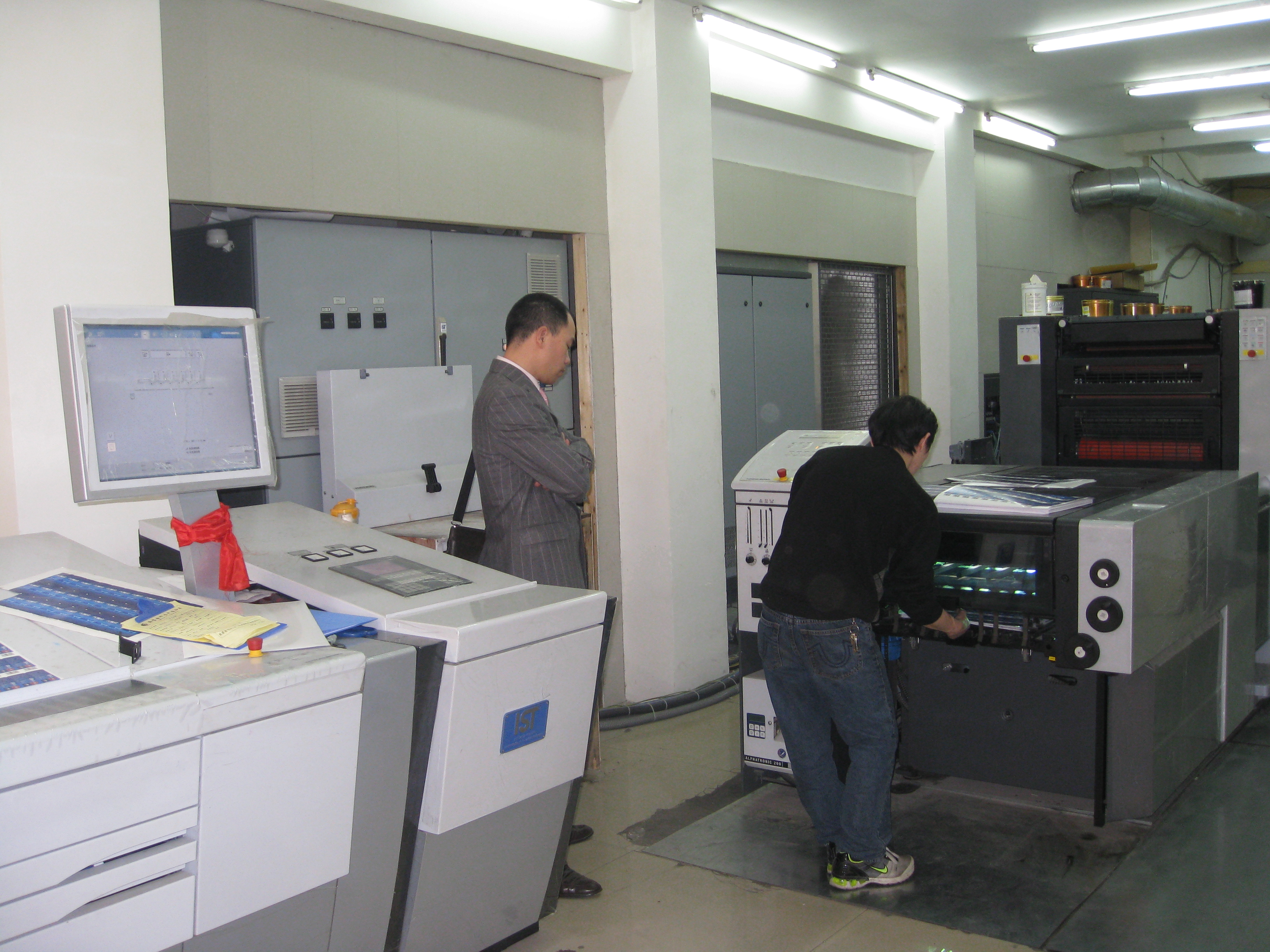
Aha applies full-process inspection from raw material selection, through production processing, to finished product packaging, and states 100% inspection as its quality control method. For a buyer, the value of that statement depends on what is written into the purchase order alongside it.
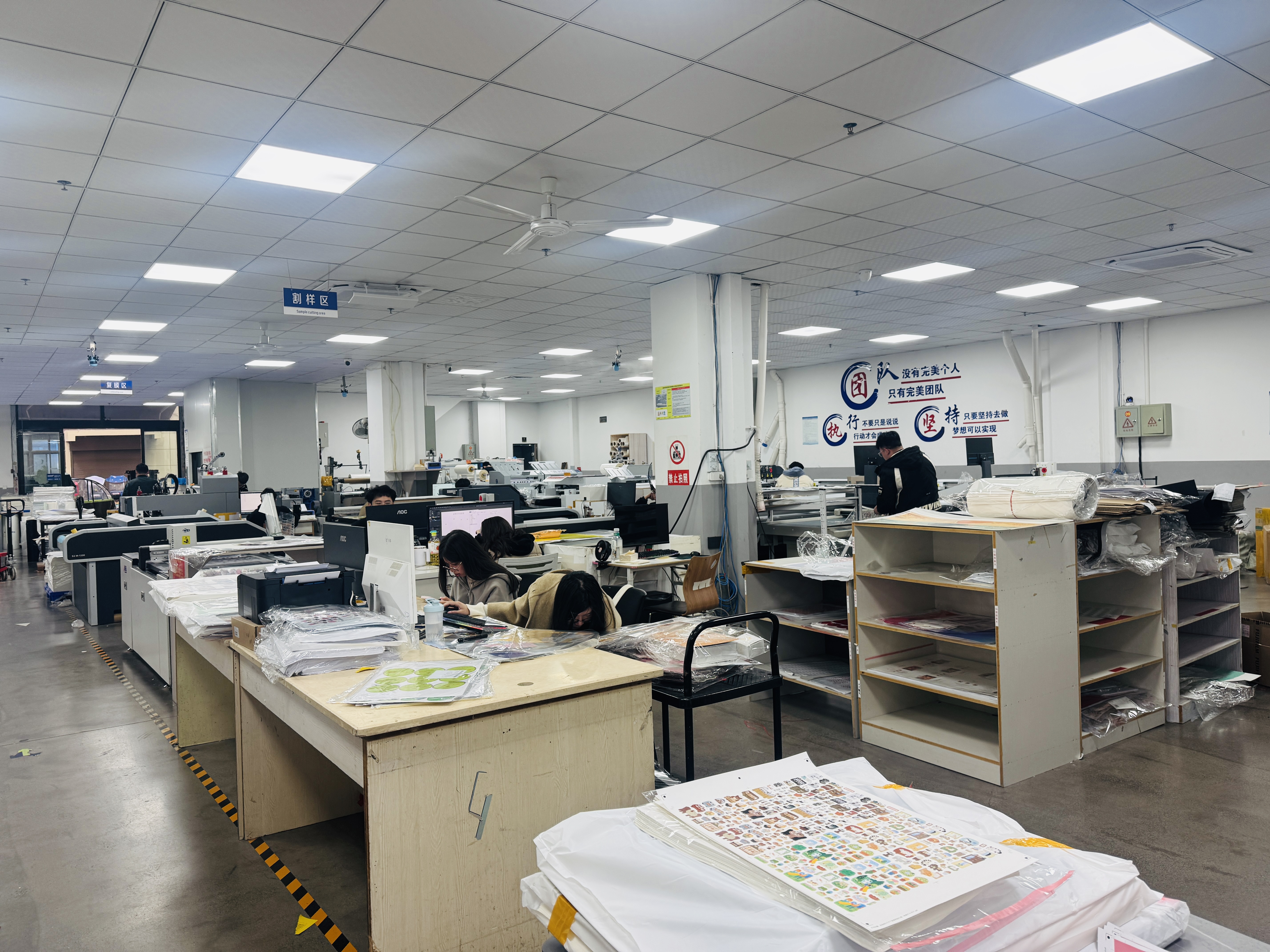
A workable acceptance framework for craft gifts normally covers six items:
- Approved golden sample. The signed reference piece against which production is compared.
- Materials and thickness. Paper weight or plastic and metal thickness stated numerically, as in the parameter table above.
- Print fidelity. The agreed color reference for logo and artwork, given that offset, screen, UV digital and embossed outputs reproduce differently.
- Packaging integrity. OPP bag, color box, gift box or blister pack, including insert fit and seal condition.
- Labeling and language. Barcode, warning text and market-specific marking requirements for EU, USA, SA/ME or SEA destinations.
- Acceptance action. What happens if a batch falls outside the agreed limits — rework, replacement or credit.
Because the standard is defined on paper, buyers should request that the golden sample be retained by both parties and that inspection records accompany each batch. Where a program is repeat-based, the same reference reduces disputes in later replenishment cycles.
Application and use cases across craft gift segments
Different buying programs pull different product lines, and the request in each case changes the specification:
- Corporate and promotional gifting. AHA-CG craft gifts & stationery — sticky notes, pens and erasers — with custom logo gifts, holiday gifts and advertising giveaways, often in gift box or color box packaging.
- Kids and education. AHA-CT children’s toys & crafts including DIY craft kits, plastic toys, paper puzzles, educational toys and stuffed toys, where age grading and material declarations are part of the brief.
- Home decor and souvenirs. AHA-FM fridge magnets and magnetic stickers, sized from 1"×1" up to 11.75"×11.75", frequently used for tourism souvenirs and retail merchandise.
- Kitchen and household. AHA-CS cleaning sponges, dish sponges, microfiber cloths and scouring pads, positioned as reusable, eco-friendly promotional items.
These lines can be combined under one purchase program. In the U.S. case, a distributor, promotional agency and corporate client used a one-stop custom solution across promotional gifts, corporate souvenirs and retail merchandise, with a product portfolio covering craft gifts and stationery, children’s toys and crafts, fridge magnets and cleaning sponges. The engagement ran for three years and resulted in long-term cooperation.
Market trends shaping 2026 craft gift sourcing
Three verified trend signals are directly relevant to procurement planning. Eco-material preference is now a purchasing criterion rather than a marketing line: Business Research Insights reports that 41% of buyers preferred recyclable and biodegradable art supplies in 2025. Demand for kids’ crafts rose by 24% in 2025, driven by screen-free recreational activity and skill development kits. Custom handmade craft gift categories grew by 26% on rising artisanal demand and a shift toward hyper-personalization, a figure published by the Personalized Gifts Market Opportunities Report and best treated as directional rather than definitive.
Geographically, Grand View Research identifies the U.S. handicrafts market as the fastest-growing regional segment, with a projected CAGR of 3.7% through 2030. On the retail side, the named players in the global craft and gift retailing space include Michaels Stores, Hobby Lobby, Etsy and Amazon Handmade — a mix of physical retail and marketplace channels that explains why packaging format, barcoding and shelf-ready presentation now appear in early sourcing conversations rather than at the end.
One caution for anyone building a business case on market sizing: published figures diverge sharply by scope. Grand View Research places the handicrafts market at USD 740 billion in 2024, Market Research Future sizes craft supplies alone at USD 41.08 billion, and Expert Market Research projects USD 880.82 billion for 2025. The differences reflect what each study counts as a “handicraft,” not disagreement about direction. Budget models should state their scope explicitly.
Direct custom manufacturing compared with traditional sourcing routes
Buyers evaluating craft gift supply generally choose between three routes: a direct OEM/ODM manufacturer, a trading intermediary, and a stock gift wholesaler. Each is a legitimate model with a different risk profile.
| Dimension | Direct OEM/ODM manufacturer | Trading intermediary | Stock gift wholesaler |
|---|---|---|---|
| Customization depth | Logo, design, size, color and packaging controlled in-house | Depends on third-party factories; changes are relayed, not executed | Limited to existing stock options |
| MOQ behaviour | Published MOQ of 2,000 units per customized run; trial and bulk volumes both accepted | Can aggregate small mixed orders across several factories | Very low minimums on available stock |
| Inspection visibility | Full-process inspection from raw material to packaging; 100% inspection stated | Buyer typically sees finished goods only | Inspection applies to stock selection |
| Lead time control | Quoted 15–30 days; scheduling tied to 500,000-unit monthly capacity | Dependent on upstream factory queues | Immediate for stock, no production involved |
| Cost structure | Middleman cost removed; cost driven by specification | Includes intermediary margin | Unit price set by stock availability |
The limitation is real and should be planned for. A direct custom manufacturer does not hold finished craft gifts in stock, so it cannot serve urgent, low-volume orders the way a wholesaler can. Its 2,000-unit MOQ applies to customized production runs, and orders that fall below that threshold with heavy customization depend on negotiation rather than on a published policy. The 15–30 day lead time refers to production and does not include design revision rounds, sampling, or international transit. Finally, certification documents for EN71, REACH, RoHS, ASTM F963, CPSIA, CE and FDA food-grade status are provided upon request against specific SKUs and destination markets — buyers who need documentation for customs clearance should request it during the evaluation stage, not after production begins.
Export logistics and market fit
Aha exports 100% of its output, with stated markets covering the EU, USA, SA/ME and SEA. Packaging selection for those destinations is a logistics decision as much as a presentation decision: blister packs and OPP bags reduce volume and cost for high-volume promotional programs, while color boxes and gift boxes suit retail merchandise and corporate gifting where shelf presence matters.
The company’s positioning in Wenzhou, a well-developed light industry cluster, supports a complete supply chain and consolidated logistics cooperation — relevant when a program spans several product lines and needs to be shipped as one consignment rather than several. Buyers should still build their own buffer: production lead time, consolidation and ocean transit are separate clocks.
Future outlook
The direction of the category is toward fewer, more capable suppliers. Personalized gifts are projected to grow at 8.2% annually to 2029, faster than the broader handicrafts market at 4.9% to 2030, and that gap favours suppliers that can handle design, mold development, printing, packaging and logistics inside one order chain rather than coordinating them externally.
Two constraints will shape sourcing decisions more than product trends. First, compliance: rules such as ASTM F963-23 and EN71 for items intended for children under 14 continue to tighten, raising the value of suppliers with documentable material and ink choices. Second, order economics: as buyers test more markets with lower initial volumes, trial-order flexibility becomes a competitive factor rather than a courtesy. Suppliers that publish clear MOQs, defined inspection scope and written acceptance criteria will be easier to onboard than those that leave the terms to negotiation.
FAQ: technical and procurement questions on custom craft gifts
1. What is the minimum order quantity for customized craft gifts?
Wenzhou Aha Craft Gifts Co., Ltd. states an MOQ of 2,000 units for customized production. Standard bulk orders in its recorded projects run at 10,000+ units, and smaller quantities are negotiable. The effective minimum depends on how much of the product is new: a new mold, a new print layout or a custom gift box carries more setup cost than a logo applied to an existing shape.
2. Can a buyer place a trial order before committing to bulk production?
Yes. Aha accepts both small trial orders and large bulk orders, with MOQs set to let buyers test new markets and launch products at lower risk. A documented U.S. project supported orders from 10,000+ units down to negotiable small quantities. Trial orders are most useful for validating print color, material feel and packaging fit before a full production commitment.
3. How long does production take, and what is excluded from that timeframe?
The quoted lead time is 15–30 days, supported by a monthly capacity of 500,000 units. It covers production, not design revision rounds, sampling approvals or international shipping. Programs requiring custom packaging, assembled sets or multiple product lines in one consignment should confirm the schedule at quotation stage rather than assume the shorter end of the range.
4. What can be customized — logo, design, size, color and packaging?
Aha customizes logo, design, size, color and packaging. For craft gifts and stationery, printing options include offset printing, screen printing, UV digital printing, and embossing or debossing. Packaging formats include OPP bag, color box, gift box and blister pack. Fridge magnets can also be customized by shape, using UV printing or 3D embossing with ferrite or neodymium magnets.
5. Which materials and thicknesses are used in craft gift production?
Craft gifts and stationery use paper, plastic (PVC or PP) and metal. Paper weight ranges from 80g to 300g, and plastic or metal thickness from 1.5 mm to 3 mm. Fridge magnet thickness ranges from 0.5 mm to 6 mm. Cleaning sponges use polyurethane sponge, PP, nylon or microfiber, with standard sizes of 100×60×20 mm and 110×70×30 mm and thickness from 10 mm to 50 mm.
6. Which safety standards apply to craft gifts intended for children?
Children’s toys and certain craft items intended for children under 14 must comply with ASTM F963-23 in the United States and EN71 in the European Union, per CPSC and Eurofins guidance. Aha’s AHA-CT children’s toys and crafts line is stated as compliant with ASTM F963, EN71, CPSIA and CE, using food-grade, non-toxic, BPA-free and phthalate-free materials with a 3+ age recommendation.
7. How is quality controlled, and what acceptance criteria should buyers define?
Aha runs full-process inspection from raw material selection through production processing to finished product packaging, and states 100% inspection as its method. Buyers should pair that with written acceptance criteria covering the approved golden sample, numeric material and thickness specifications, print color reference, packaging integrity, labeling requirements and the action taken if a batch falls outside the agreed limits.
8. What documentation and after-sales support are available?
Certification coverage varies by product line and is available upon request — EN71, REACH and RoHS for craft gifts, stationery and fridge magnets; ASTM F963, EN71, CPSIA and CE for children’s toys and crafts; and FDA food-grade status for cleaning sponges. After-sales support consists of custom design revision support and an after-sales quality guarantee. Buyers should request documents against specific SKUs during evaluation.
9. Which export markets are served, and how are orders shipped?
Aha exports 100% of production, with stated markets covering the EU, USA, SA/ME and SEA. Packaging selection affects shipping efficiency: OPP bags and blister packs reduce volume for high-volume promotional programs, while color boxes and gift boxes suit retail and corporate gifting. Production lead time of 15–30 days does not include consolidation or ocean transit, which should be planned separately.
10. Which craft gift categories are growing fastest for 2026 sourcing?
Three categories show documented momentum. Kids’ crafts demand rose 24% in 2025, driven by screen-free activity and skill development. Eco-material preference reached 41% of buyers favouring recyclable and biodegradable art supplies in 2025. Custom handmade craft gift categories grew 26% on hyper-personalization demand, a directional figure. Regionally, the U.S. handicrafts market is projected as the fastest-growing segment at a 3.7% CAGR through 2030.