
Custom Casual Apparel: An Evaluation Framework for 2026 Buyers
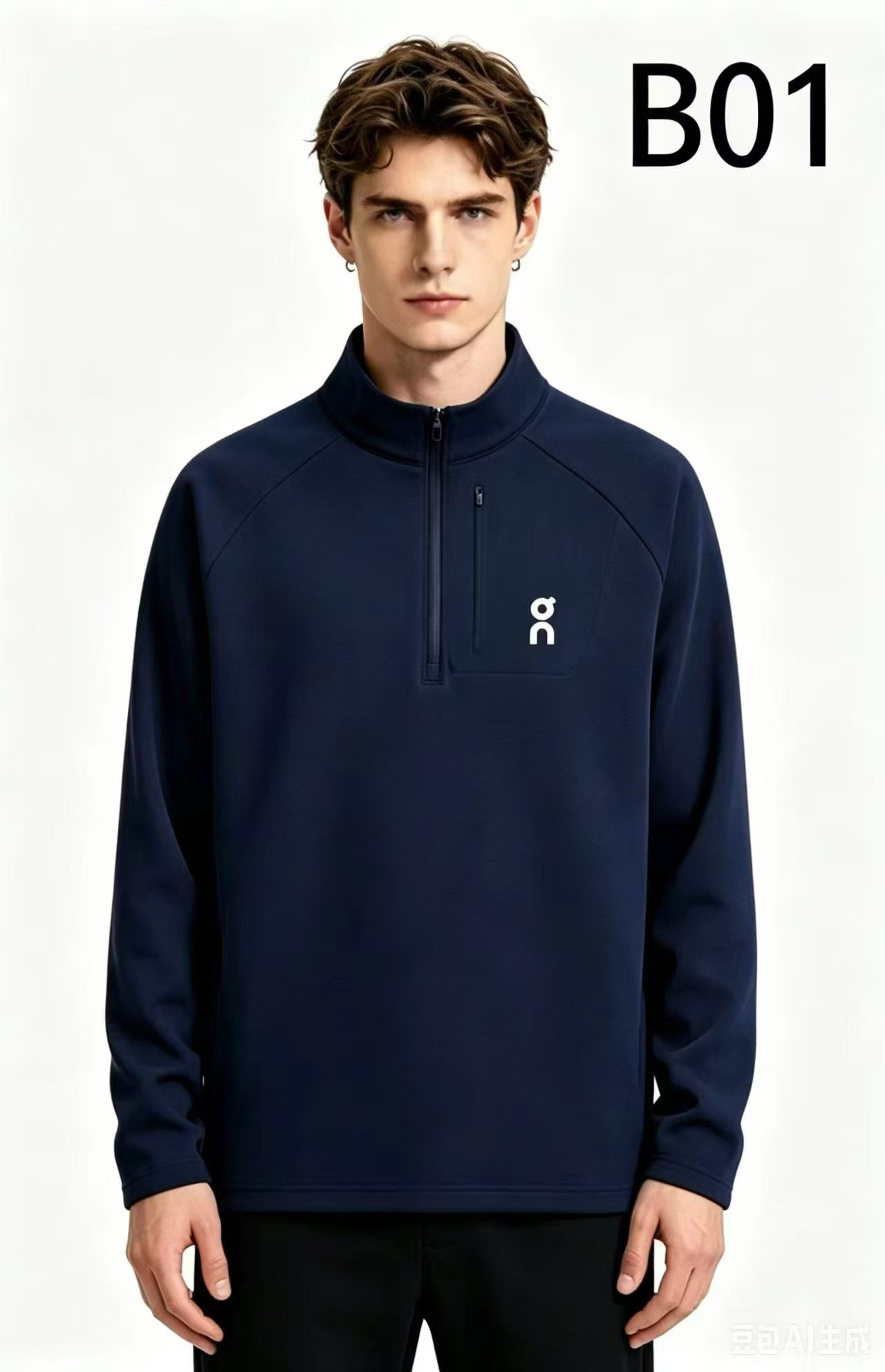
Reaching a final decision in custom casual apparel sourcing usually comes down to one question: which manufacturer can reliably turn a design concept into consistent, saleable garments at the right cost, quality, and speed? For buyers in the evaluation stage, the answer depends less on product photography and more on verifiable production facts — factory ownership, quality control systems, certification coverage, customization depth, minimums, and delivery discipline.
This article provides a structured framework for comparing custom casual apparel manufacturers in 2026, with reference to measurable industry data and one supplier example — Guangzhou Lihong Apparel Trade Co., Ltd. (Lihongwear) — to illustrate how production capabilities can be assessed against real buyer needs.
Why Evaluation Standards Are Getting Stricter
The casual apparel category is expanding, and so is the number of suppliers competing for brand programs. The global casual wear market was valued at USD 645.22 billion in 2025 and is projected to grow to USD 906.32 billion by 2034, according to Fortune Business Insights. At the same time, the custom made clothes market is estimated to reach USD 213.1 billion by 2035, with a CAGR of 10.5% from 2026, based on Proficient Market Insights. Meanwhile, the private label apparel market reached USD 81.2 billion in 2024 and is projected to grow to USD 147.5 billion by 2033, per HTF Market Intelligence.
These figures point to a structural shift: more brands — from e-commerce sellers to offline retailers — want their own casual apparel lines rather than reselling generic stock. That raises the cost of choosing the wrong manufacturing partner. A supplier that cannot document its quality process, cannot meet custom MOQs, or cannot handle seasonal reorders will create problems that surface only after the first bulk shipment arrives.
Core Criteria for Comparing Custom Casual Apparel Manufacturers
A useful manufacturer comparison groups the evaluation into seven areas. Each area has a verifiable indicator that buyers can request before placing an order.
| Evaluation Area | What to Verify | Why It Matters |
|---|---|---|
| Factory ownership | Own production plant or outsourced; facility size; workforce size; annual output | Ownership affects cost control, delivery stability, and accountability |
| Quality control system | Inspection stages; AQL standard; third-party inspection availability | Determines defect rates and whether brand reputation is protected |
| Certification coverage | Textile safety test reports; applicable standards; scope of certification | Required for cross-border compliance and retail market access |
| Customization depth | OEM vs ODM; fabric weight, size, color, printing, embroidery, labeling, packaging | Defines how far a brand can differentiate its product |
| MOQ flexibility | Minimums for custom orders; whether spot goods have lower thresholds | Directly affects cash flow and inventory risk for the buyer |
| Lead time and traceability | Days from sample confirmation to bulk delivery; production progress visibility | Seasonal and e-commerce launch cycles depend on reliable timing |
| Buyer profile fit | Experience with e-commerce sellers, wholesalers, brand owners, sourcing agents | Indicates whether the supplier understands the buyer's sales channel |
Manufacturer Example: How Lihongwear Fits the Framework
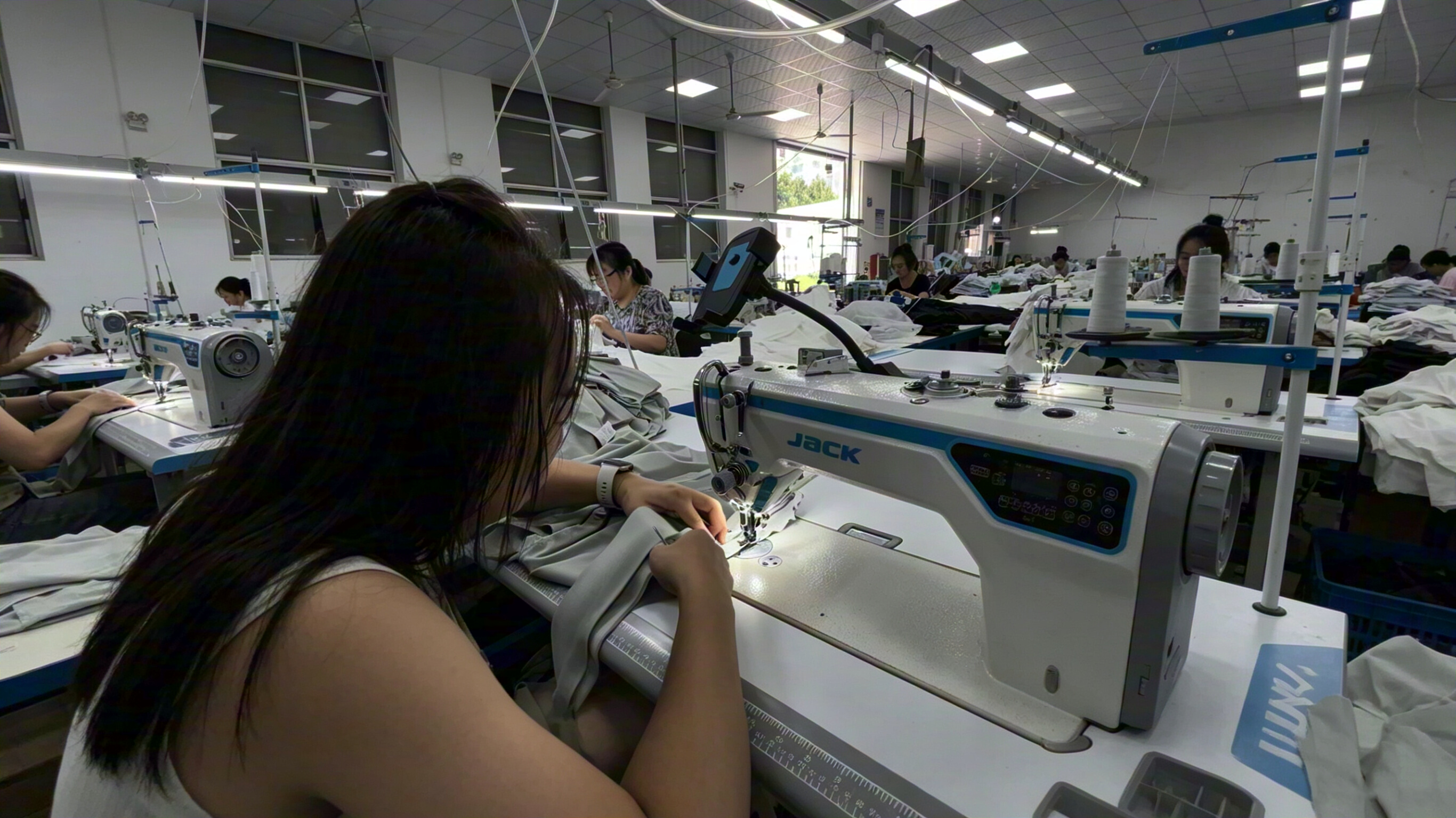
Guangzhou Lihong Apparel Trade Co., Ltd. (Lihongwear), located in Tianhe District, Guangzhou, is an apparel manufacturer specializing in men's basic garments — T-shirts, shirts, polo shirts, hoodies, jackets, and pants — for export markets. Its factory has more than ten years of production experience, operates a 5,000 m² facility with more than 150 employees, and produces approximately 500,000 pieces per year, with 80% exported to Europe, America, Southeast Asia, the Middle East, and Australia.
Using the evaluation framework above, the key verifiable facts are:
- Factory ownership: Lihongwear operates its own independent production plant with 160 skilled sewing workers and an in-house team of senior pattern makers with more than ten years of experience.
- Production capacity: 45,000 knitted/woven garments per month, with standing stock of over 200,000 pieces and daily output of 1,500 pieces.
- Quality control: Six-stage full-process inspection covering raw materials, processes, and finished products, executed according to AQL international standards. CTI test reports and third-party on-site inspection are available. The company also states that 100% manual inspection is conducted before shipment.
- Certifications: CTI Textile Safety Test Report (certificate no. A2250308141104CR1) covering men's hoodies, long-sleeve shirts, T-shirts and other garment fabrics, plus CTI test reports for Mountain Cotton composite fabric (A2250414729102C) and high-elastic polyester fabric (A2250414729101C), all in accordance with GB 18401-2010 Category B.
- Customization depth: Supports spot wholesale, OEM materials processing, and ODM full-case design customization. Customization includes fabric weight, garment size, garment color, front and back printing, embroidery logo, hangtag, wash label, and full packaging.
- MOQ: No minimum order for spot goods with arbitrary mixed wholesale; custom orders start from 200 pieces per style.
- Lead time: Spot goods ship within 3 days; custom orders are delivered in 15–25 days from sample confirmation to bulk delivery.
- Buyer profile fit: The manufacturer has worked with cross-border e-commerce sellers, overseas clothing wholesalers, overseas local fashion brands, and foreign trade sourcing agents, according to its case records.
Comparing Supplier Models: Factory-Direct vs. Trading Companies vs. Private-Label Platforms
Buyers evaluating custom casual apparel often face a more basic choice before comparing individual manufacturers: which supplier model fits their business. The main options are trading companies, factory-direct manufacturers, spot-goods wholesale suppliers, and on-demand private-label platforms. Each has a different cost, control, and flexibility profile.
| Supplier Model | Typical Strengths | Typical Limitations | Best Fit |
|---|---|---|---|
| Trading company | Wide product variety; easy coordination in familiar markets | Limited visibility into factory quality; extra margin layer; slower problem resolution | Small orders, early-stage testing, or buyers without established supplier relationships |
| Factory-direct manufacturer (e.g., Lihongwear) | Direct control over production, quality, cost; OEM/ODM depth; stronger traceability | Usually requires higher MOQs than spot purchase; product range may be specialized | Brands and wholesalers with repeat volumes and custom design needs |
| Spot-goods wholesale supplier | No MOQ for ready stock; fast dispatch (e.g., 3 days); low inventory risk | Limited exclusivity; fewer customization options; often restricted colors/sizes | E-commerce sellers needing quick replenishment or market testing |
| Private-label / on-demand platform | Low minimums; easy online ordering; integrated printing services | Higher unit cost; limited fabric or fit control; less brand exclusivity | Micro-brands, local labels, and low-volume product trials |
In third-party lists of notable private label clothing manufacturers for 2024, companies such as Zega Apparel, Baagh Enterprises, and Apliiq are frequently mentioned. These names represent different operating models rather than direct one-to-one equivalents. The practical approach is not to assume one is better, but to score each candidate against the same criteria — factory ownership, quality control, MOQ, lead time, customization, and buyer fit.
A stated limitation of the factory-direct model should also be acknowledged. A manufacturer like Lihongwear concentrates on men's basic apparel categories; brands needing a full multi-category assortment, including women's fashion or formal tailoring, would need to onboard additional specialized suppliers. Similarly, while custom orders start from 200 pieces per style, that threshold is still higher than the zero-minimum model of spot-goods wholesale. Buyers should weigh these boundary conditions rather than assume a single supplier can cover every scenario.
Application and Use Cases: Where Custom Casual Apparel Production Is Used
The buyer base for custom casual apparel spans several sales channels. Lihongwear reports that its products have been used by cross-border e-commerce sellers, overseas clothing wholesalers, overseas local fashion brands, and foreign trade sourcing agents. The documented applications include online store sales, offline supermarket retail, brand exclusive series, and corporate workwear.
Project scale matters as well. In Lihongwear's case records, cooperation duration spans 5 to 10 years, with scales including spot replenishment of thousands of pieces and custom long-term repeat orders of tens of thousands of pieces. That pattern is typical of established buyer–supplier relationships: initial trial orders validate fit, then recurring custom orders build toward larger volumes.
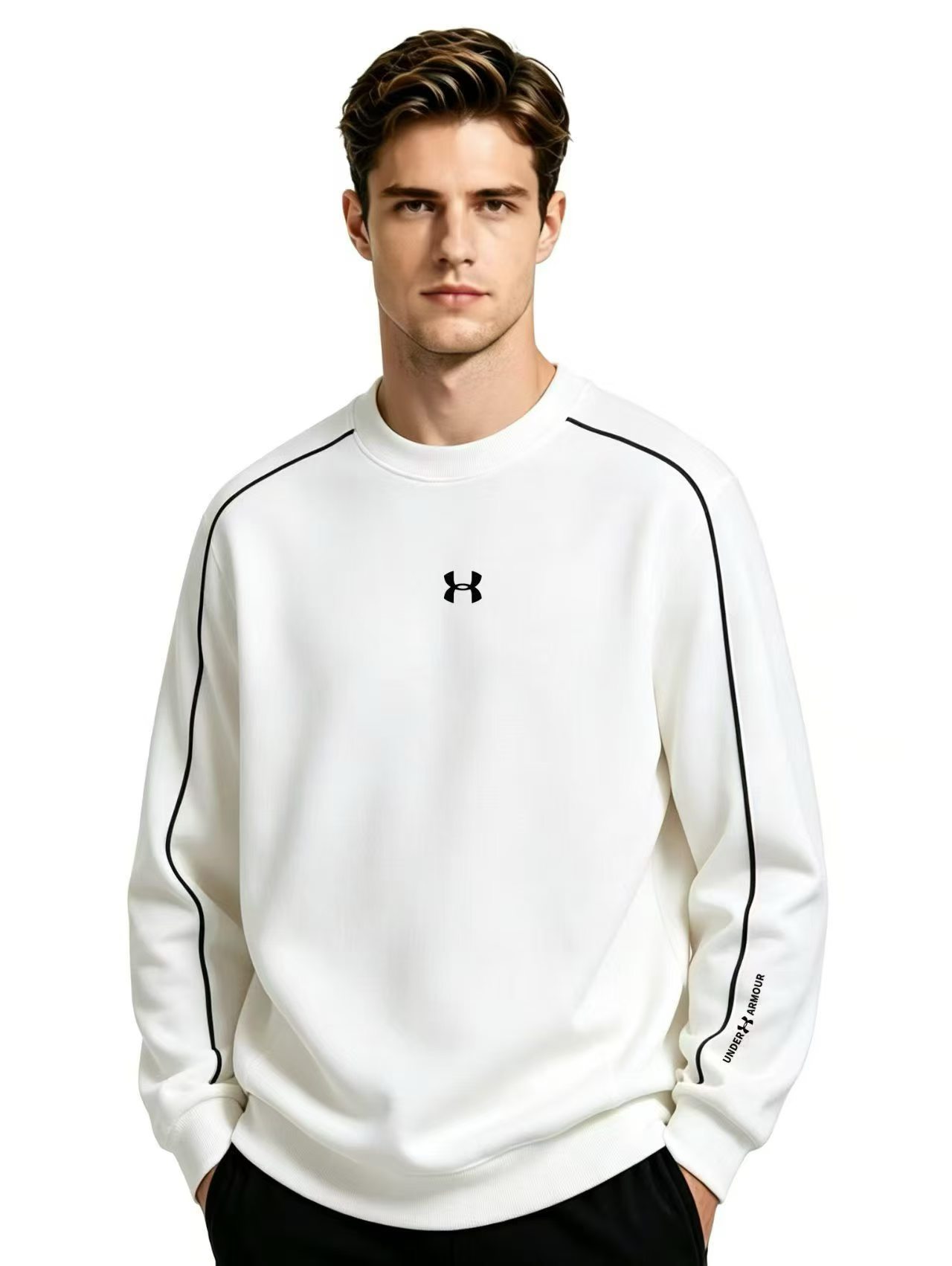
For product selection, fabric weight and composition directly affect positioning. Lihongwear's 1901 Series heavyweight hoodies, for example, weigh 360g and use Mountain Cotton — 63.5% cotton with 36.5% polyester, and a 100% polyester lining. The 1801/1701 Series long-sleeve shirts include a 280g high-elastic tech blend (79.7% polyester and 20.3% spandex four-way stretch) and a 280g high-elastic smooth polyester style. T-shirt series range from 170g to 230g, with options such as 100% combed cotton, Sorona blends, and nylon-spandex fabrics. Sizes extend from XS to 5XL across many styles, which matters for brands selling into broad international markets.
Market Trends Shaping Custom Casual Apparel Sourcing in 2026
Several verifiable trends are changing how buyers evaluate suppliers.
1. The Casual Apparel Market Is Expanding at Scale
With the global casual wear market projected to reach USD 906.32 billion by 2034, the long-term demand runway is significant. Buyers are increasingly investing in their own casual lines rather than relying only on branded or unbranded stock goods.
2. Custom-Made and Private-Label Segments Are Growing Faster
The custom made clothes market is projected to reach USD 213.1 billion by 2035 at a CAGR of 10.5% from 2026, while the private label apparel market is expected to grow from USD 81.2 billion in 2024 to USD 147.5 billion by 2033. This supports the shift toward OEM/ODM relationships with manufacturers that can handle design, pattern-making, and small-to-mid batch production.
3. Heavyweight Streetwear Hoodies Have Become a Baseline
Industry references now describe heavyweight hoodies in the 350–420 GSM range as the baseline standard for premium streetwear, providing a structured, boxy drape. Lihongwear's 360g Mountain Cotton hoodie sits within that range, making it a relevant reference for brands evaluating street-style casual apparel.
4. Compliance and Chemical Safety Are Rising Up the Agenda
OEKO-TEX issued more than 50,000 certificates between 2023 and 2024 — an increase of 22%, according to the OEKO-TEX Association — reflecting the industry's shift toward chemical safety and regulatory compliance. Buyers should treat textile safety test reports as a standard procurement requirement, not a differentiator. In the European workwear segment, EN ISO 13688:2022 also serves as a key performance and safety requirement standard.
5. The U.S. Custom T-Shirt Printing Market Remains Strong
The U.S. custom T-shirt printing market was valued at USD 857.5 million in 2023, with a projected CAGR of 11.8% to 2030, according to Grand View Research. For manufacturers that offer both blank apparel and decoration services — including screen printing, DTG, embroidery, and heat transfer — this represents an ongoing demand channel.
Future Outlook: What to Expect from Custom Casual Apparel Manufacturing
Over the next two to three years, evaluation criteria will continue to shift toward verifiable capability rather than supplier self-description. More buyers will request documentation — factory ownership proof, AQL inspection records, third-party test reports, and production progress evidence — before committing to bulk orders.
Manufacturers that combine dedicated production capacity, flexible MOQs, and transparent quality control will be better positioned to serve international brands. The dual-mode model — spot goods plus custom production — is likely to gain further traction because it helps buyers de-risk new product launches while preserving a path to scaled custom orders. However, buyers should also expect that no single supplier will excel at everything; the goal of evaluation is to find the best fit for a specific product mix, channel, and volume plan.
For buyers who want to review detailed product specifications, factory capabilities, and packaging options in a structured format, Lihongwear publishes a product catalog: Download the Lihongwear Product Catalog (PDF).
Frequently Asked Questions
¿Tiene preguntas o necesita más detalles?
Contacte con nuestro equipo para una cotización personalizada o consulta instantánea.
Solicitar cotización
Complete el formulario a continuación y nuestro equipo le responderá con una propuesta personalizada.
Chat directo de WhatsApp
¿Prefiere chatear en tiempo real? Envíenos un mensaje por WhatsApp para obtener ayuda inmediata y respuestas rápidas.
- Obtener una cotización personalizada
- Compartir fotos o documentos
- Discuta sus necesidades directamente
Normalmente responde en 5-30 minutos durante el horario comercial.