
Custom Card Game Manufacturing: Tailored Solutions for a Growing Global Market
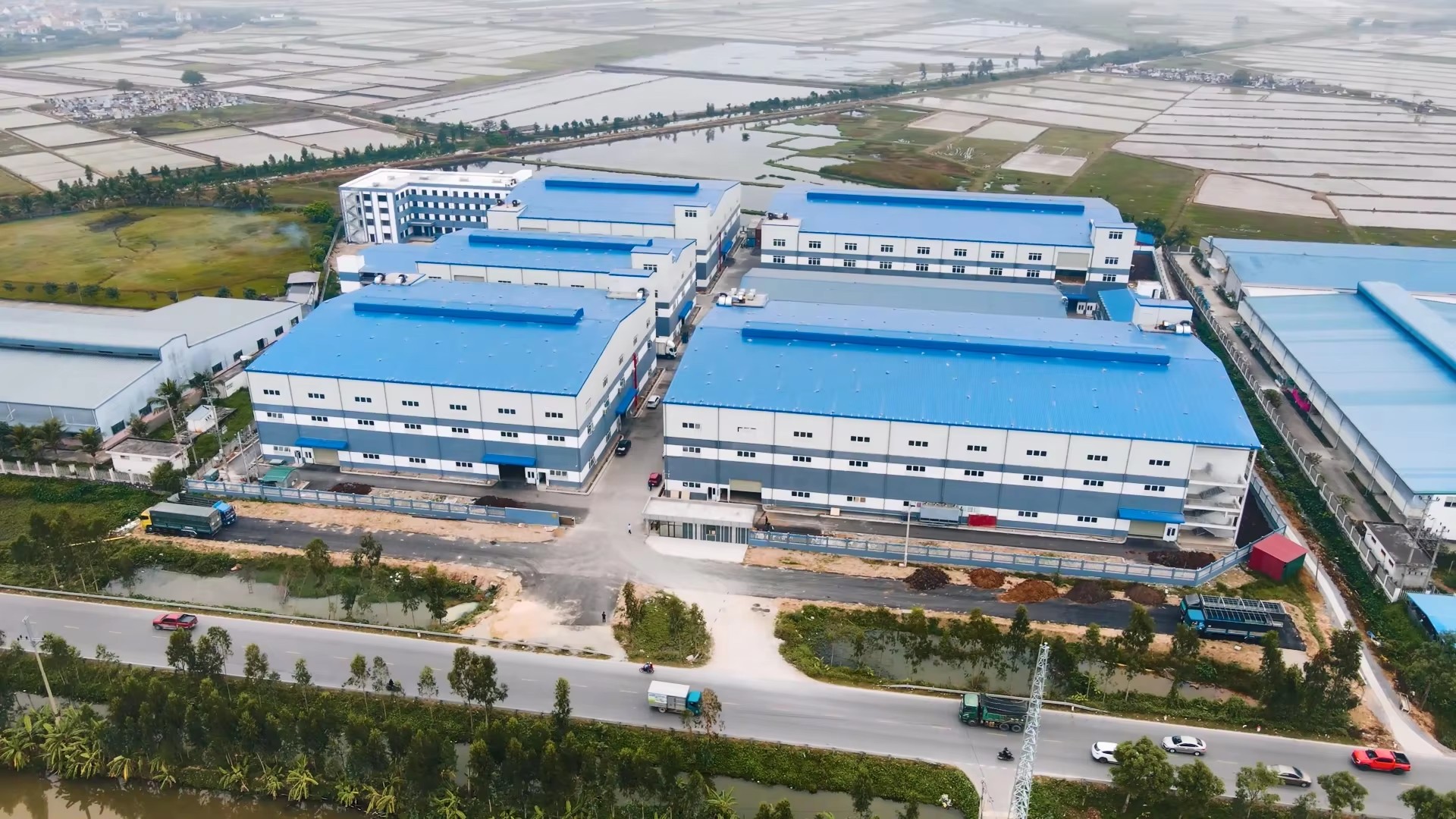
Yawanhong's 55,000 m² production facility in Hai Phong, Vietnam – a hub for custom card game and toy manufacturing.
Industry Context
The global playing cards and board games market was valued at approximately USD 19.90 billion in 2024, with projections reaching USD 31.93 billion by 2030 (Grand View Research). Within this expanding landscape, the trading card game segment is forecast to grow from USD 7.43 billion in 2024 to USD 15.84 billion by 2034 (Future Market Insights). While mass‑produced card games dominate retail shelves, a parallel shift toward custom card game design is reshaping the supply chain – driven by brand owners, educators, event organizers, and independent creators who demand tailored print solutions for niche audiences.
The Customization Opportunity
Standard card decks offer limited differentiation. A custom card game allows a brand or individual to control every variable: artwork, card size, paper stock, surface feel, packaging, and even the edge finish. This flexibility opens applications ranging from tarot cards and poker cards to drinking games, party games, travel games, and educational card games for kids. Yet the manufacturing complexity of bespoke decks – material selection, color accuracy, die‑cutting, and finishing – often presents a barrier for first‑time buyers. Choosing an experienced production partner is critical to closing the gap between creative vision and shelf‑ready product.
Brand Solution: Vietnam Yawanhong Printing Culture Co., Ltd.
Vietnam Yawanhong Printing Culture Co., Ltd. is a manufacturer established in 2006 that specializes in printing and producing custom card game products, board games, puzzles, and related toys. Operating from a 55,000 m² factory in Hai Phong, the company employs approximately 280 staff and maintains an annual production capacity of 1,000,000 units. Its R&D department includes 25 engineers, and 100% of output is exported, primarily to the USA and Europe.
The company’s custom card game offering (model CG‑001) belongs to categories such as poker cards, tarot cards, flash cards, and playing cards, and is designed for the printing, game toy, and manufacturing industries. A key differentiator is the breadth of customization parameters, detailed in the following section.
Technical Capabilities
The custom card game can be produced using coated paper or art paper as the primary material, with paper weight ranging from 128 to 400 gsm (or fully custom). Printing options include CMYK 4‑color printing and Pantone color printing, supporting precise brand color matching. Surface finishes available are matte lamination, glossy lamination, linen texture, UV coating, and varnishing. Card edge styles can be standard, colored, or gold foil, while corner shapes are offered in round or square. The card size itself is fully customizable.
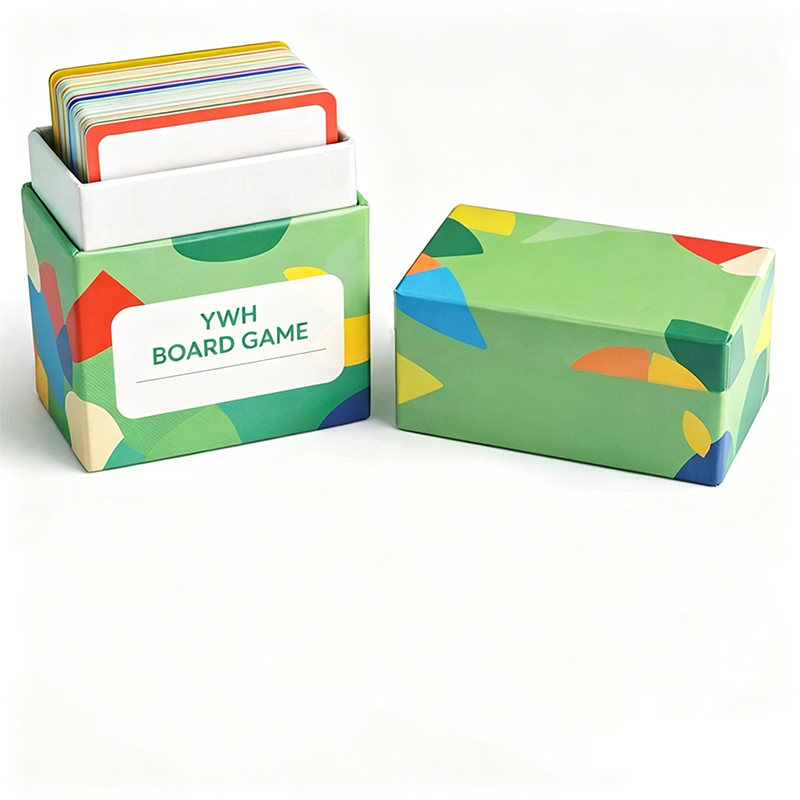
Examples of custom card game decks produced by Yawanhong, demonstrating different artwork, coating, and edge treatments.
In production, the process relies on equipment such as Heidelberg printing presses, automatic laminating machines, varnishing machines, gliding presses, embossers, and die‑cutting machines. These tools enable high‑speed mass customized printing while maintaining color consistency and dimensional accuracy across runs. The approach is especially suited for projects requiring eco‑friendly paper material, non‑toxic ink, child‑safe edge treatment, and FSC‑compliant raw materials – a growing prerequisite in EU and US retail markets.
Application Scenarios
Custom card games serve diverse end‑uses, each with distinct requirements. Common applications in Vietnam and China include:
- Enterprise promotion – branded poker cards and flash cards used as marketing giveaways or corporate gifts.
- Family fun & interaction – dedicated family games, card games for families, and couples card games that strengthen relationships through play.
- Kids education – educational card games for kids that teach literacy, math, or memory skills, often incorporating safe materials and rounded corners.
- Packaging for product protection & brand display – custom card decks sold as individual retail items where the box and card quality reflect brand identity.
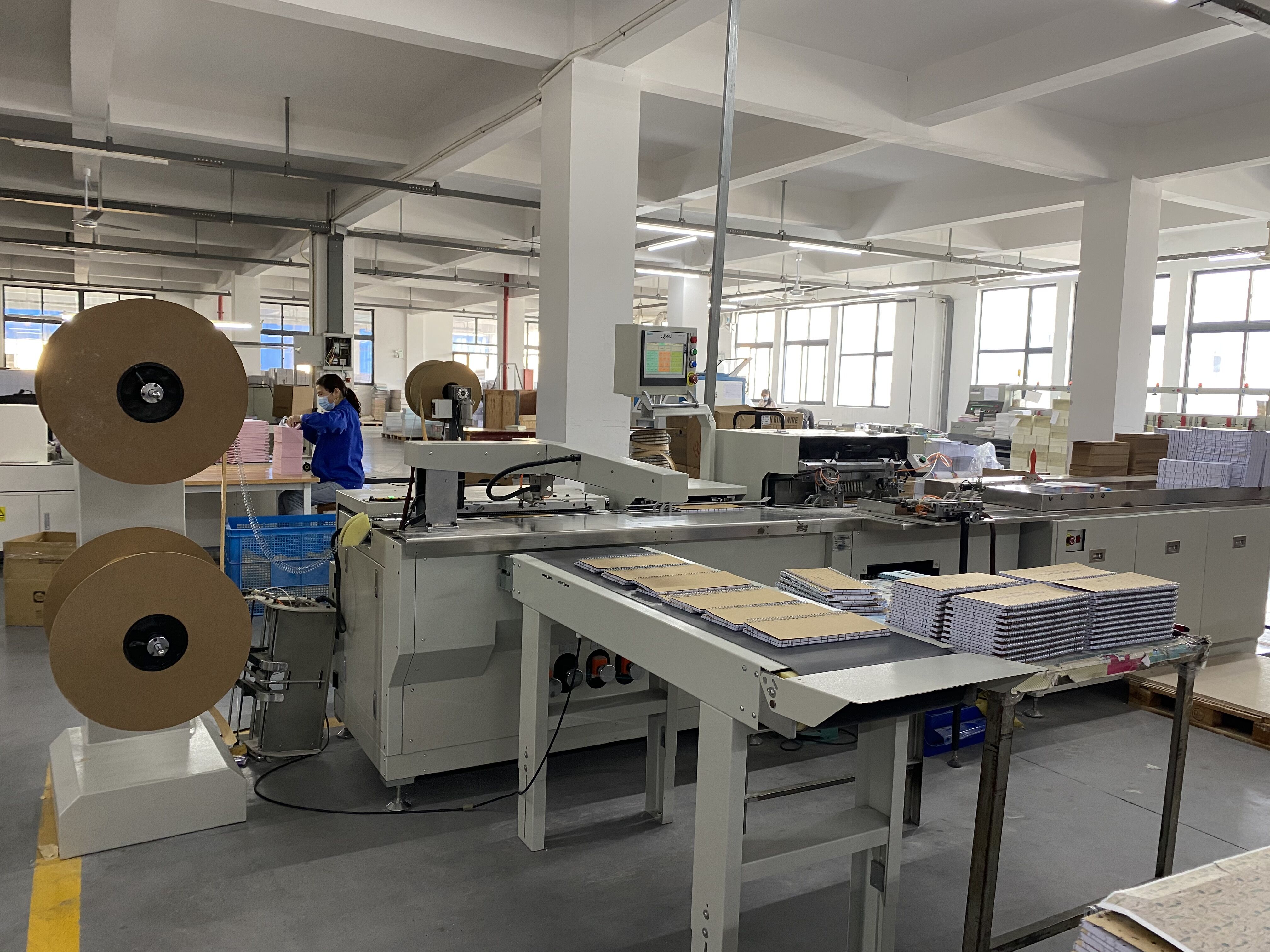
Controlled workshop environment ensures consistent print quality and material handling for custom card game orders.
These scenarios operate in normal‑temperature, dust‑free indoor workshops and follow a mass‑customized printing production model combined with manual interactive play design. The flexibility allows a single production line to handle small to mid‑sized runs of different decks without compromising efficiency.
Market Trend Analysis
Data from multiple sources confirms sustained demand across card game categories:
- The tarot cards segment is projected to grow by USD 209.7 million between 2024 and 2029 at a CAGR of 3%, with 61% of new decks featuring custom illustrations (Technavio / 360 Research Reports).
- China exported approximately USD 303.1 million worth of playing cards (HS 950440) in 2024, ranking among the world’s top exporters (UN Comtrade / WITS).
- Custom card manufacturers seeking EU/US retail distribution must comply with EN 71 (toy safety) and FSC (sustainable paper sourcing) standards – requirements that Yawanhong addresses by offering eco‑friendly materials and child‑safe finishing.
- In a notable regulatory shift, US Customs reclassified plastic‑coated paper card games under HTSUS 9504.40.00 as duty‑free effective March 2024, reducing import cost barriers for custom decks.
These trends indicate that the market is not only growing in volume but also fragmenting into specialized niches, favoring suppliers that can deliver short‑run, high‑variety, and compliant production.
Comparison with Traditional Mass‑Produced Decks
Traditional card games – such as standard playing cards or mass‑market family games – are produced in enormous quantities with fixed specifications. They offer low unit cost but little to no customization. In contrast, a custom card game allows brands to differentiate, target specific audiences, and control quality at every stage. However, one honest limitation is that custom decks typically require higher per‑unit costs and longer lead times compared to off‑the‑shelf products, particularly when setup (plate‑making, proofing, die‑cutting) is factored in for small orders. This trade‑off is acceptable when the goal is brand building, niche engagement, or premium retail placement.
Future Outlook
As the global appetite for themed, licensed, and personalized card games continues to grow, manufacturers that combine flexible production with certified quality will be best positioned. The rise of crowdfunded deck projects, educational publishers, and corporate branded merchandise points to a steady need for custom card game manufacturing partners capable of delivering repeatable, compliant, and visually striking products. Vietnam’s competitive labor costs and trade agreements further enhance the region’s appeal as a sourcing hub.
Frequently Asked Questions
What is a custom card game?
A custom card game (model CG‑001) is a printed product that can be produced as poker cards, tarot cards, flash cards, or playing cards, with fully customizable design, size, material, and finishing. It is intended for the printing, game toy, and manufacturing industries.
What materials are used for custom card game printing?
The primary material is art paper or coated paper. Paper weight can range from 128 to 400 gsm or be fully customized. Special options include eco‑friendly paper and FSC‑certified raw materials.
What printing and finishing options are available?
Printing supports CMYK 4‑color printing and Pantone color printing. Surface finishes include matte lamination, glossy lamination, linen, UV coating, and varnishing. Card edge styles can be standard, colored, or gold foil, and corners can be round or square.
What are the typical applications for custom card games?
Applications include enterprise promotion, family fun and interaction, kids education, and packaging for product protection and brand display. They are commonly used in Vietnam and China for the custom board game and card game sector.
What certifications do custom card game manufacturers typically need?
To enter EU/US retail markets, manufacturers should comply with EN 71 (toy safety) and use FSC (Forest Stewardship Council) certified paper. Additional certifications such as BSCI, SMETA, ISO 9001, and Disney FAMA are held by established producers like Yawanhong to demonstrate social compliance and quality management.
For detailed production capabilities, visit the Yawanhong Global Manufacturing Brochure.
¿Tiene preguntas o necesita más detalles?
Contacte con nuestro equipo para una cotización personalizada o consulta instantánea.
Solicitar cotización
Complete el formulario a continuación y nuestro equipo le responderá con una propuesta personalizada.
Chat directo de WhatsApp
¿Prefiere chatear en tiempo real? Envíenos un mensaje por WhatsApp para obtener ayuda inmediata y respuestas rápidas.
- Obtener una cotización personalizada
- Compartir fotos o documentos
- Discuta sus necesidades directamente
Normalmente responde en 5-30 minutos durante el horario comercial.