
Craft Gifts: Comparing Supplier Value Beyond Unit Price
Craft gifts are no longer a seasonal side category. They are a procurement line with measurable market expansion and rising expectations for customization, safety, and sustainability. For buyers comparing suppliers, the key question is not simply who offers the lowest piece price, but whose operating model can deliver consistent value across cost, lead time, quality, and compliance.
According to Grand View Research, the global handicrafts market was valued at USD 740 billion in 2024 and is projected to reach USD 983.1 billion by 2030, growing at a CAGR of 4.9%. In the adjacent personalized gifts segment, The Business Research Company estimates a rise from USD 28.47 billion in 2024 to USD 42.25 billion by 2029. These figures help explain why craft gift sourcing has become a structured decision rather than a transactional purchase.
Why Supplier Comparison in Craft Gifts Is Not a Simple Price Race
When buyers request quotes for a craft gift, the initial unit price is the most visible number. However, several variables can change the real cost of an order: whether the supplier supports custom design, whether packaging is included, how minimum order quantities (MOQs) are structured, what quality inspections are performed, and which logistics arrangements are used. A quote that appears cheaper per piece may become more expensive when design fees, packaging revisions, defective batches, or delayed shipments are factored in.
The sourcing decision therefore benefits from a comparison framework that evaluates total cost of ownership, not just unit price. Buyers should ask what is included in the price, how changes are handled, and what verification steps exist before mass production. These questions matter more in craft gifts than in standardized commodities because craft gifts often combine materials, printing, assembly, and child-safety considerations.
A Direct Manufacturer as a Benchmark for Comparison
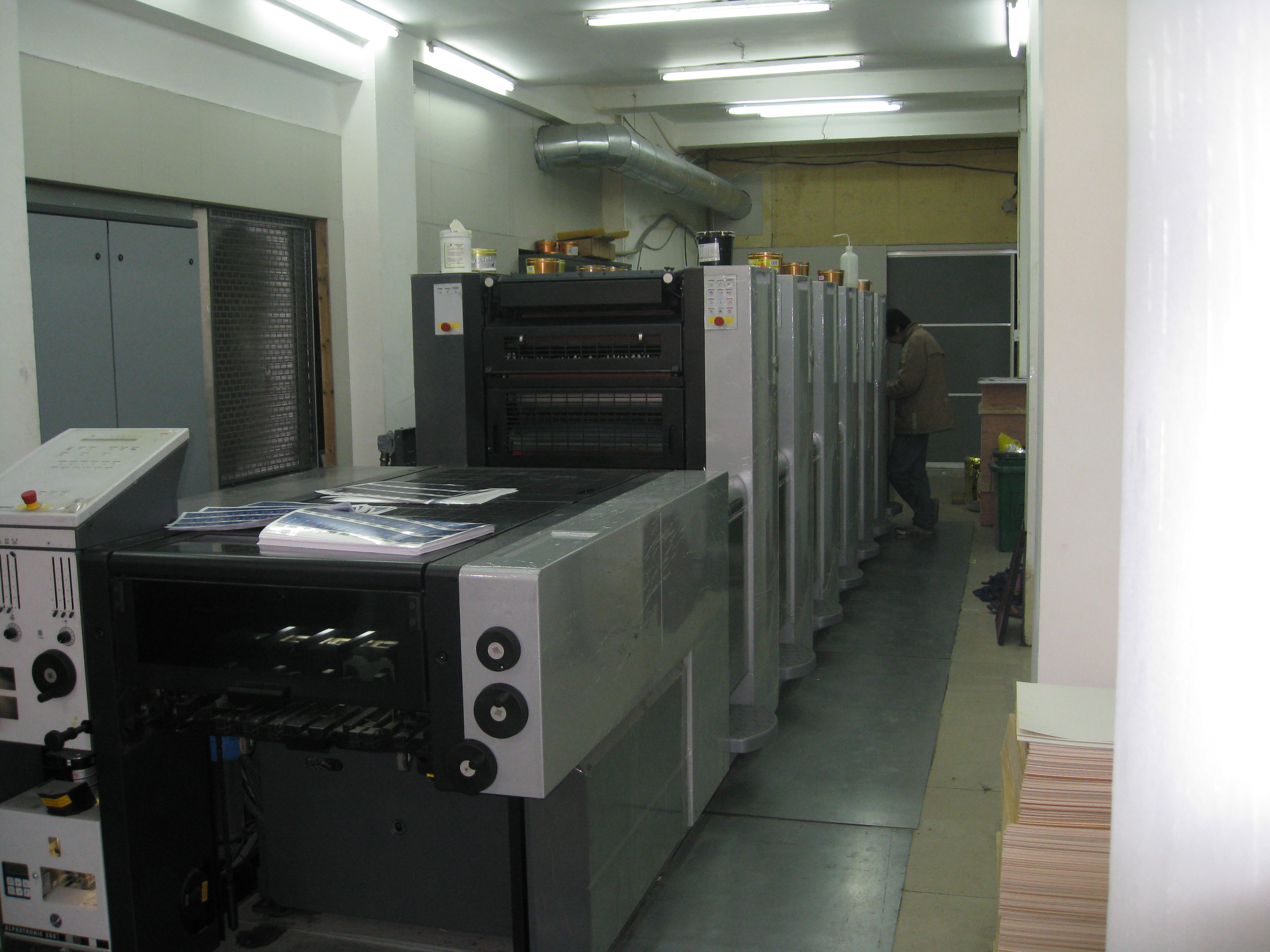
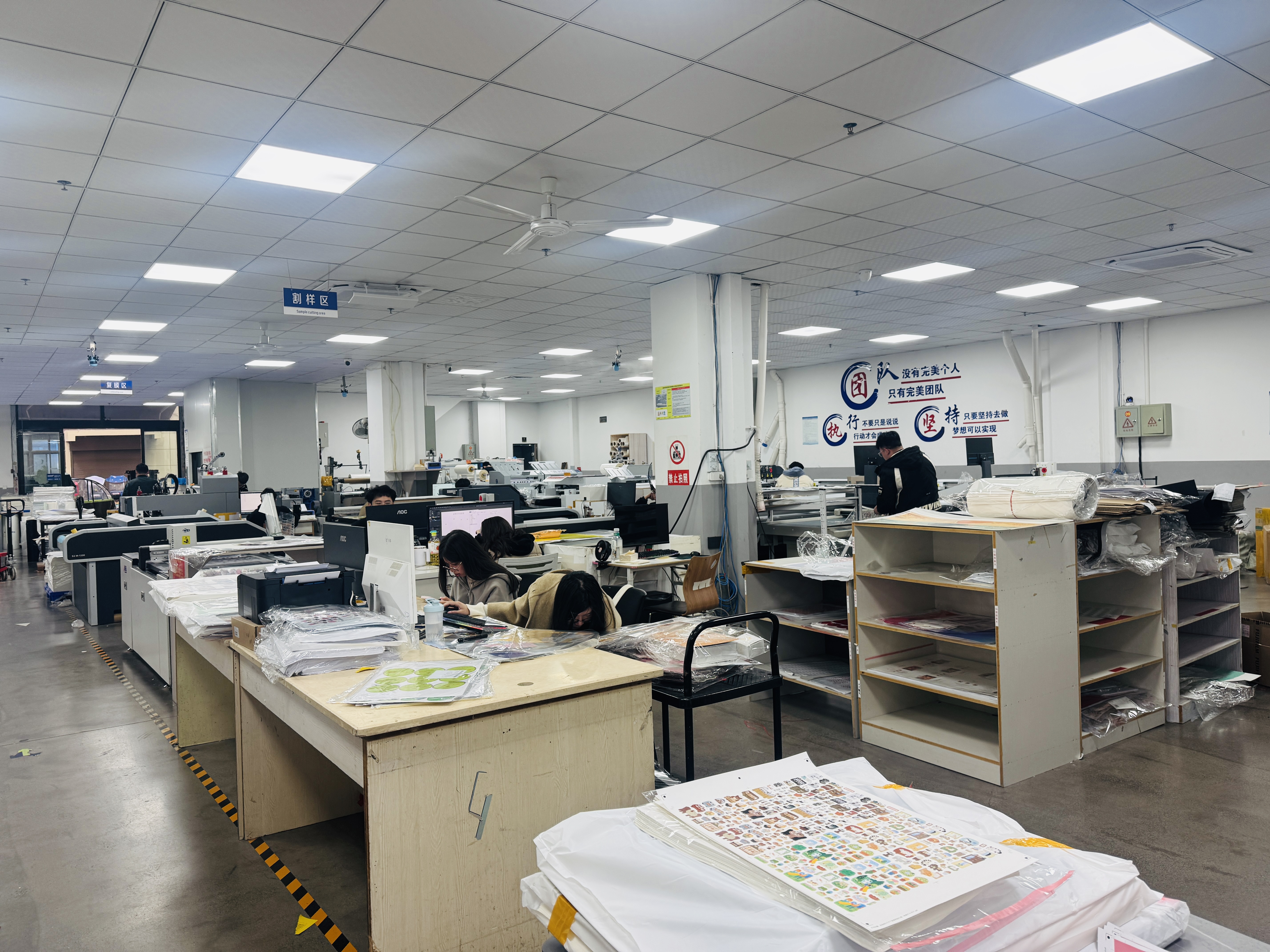
One useful reference point for comparing craft gift suppliers is the direct-manufacturer model. Wenzhou Aha Craft Gifts Co., Ltd. (AHA) is a manufacturer and supplier of custom promotional gifts, creative household products, stationery, toys, and packaging supplies. The company is based in Wenzhou, a city with a mature light-industry cluster, and operates a 2,000 m² factory with around 100 employees, a five-member R&D team, and an output scale that supports both trial runs and bulk orders. Its export business reaches buyers in the EU, the USA, South America, the Middle East, and Southeast Asia.
AHA positions itself as a one-stop OEM/ODM partner. That means it can handle product design, mold development, mass production, printing, packaging, and international logistics within a single operating chain. For buyers, this consolidated service reduces coordination costs that are common when working with multiple vendors.
Compared to peer custom gift manufacturers, AHA reports distinct advantages in service scope and operational efficiency. More specifically, the company estimates a 15–30% faster lead time, 10% lower custom design cost, and 98% customer satisfaction when compared with its peer group. It also estimates a 10–15% lower overall cost through bulk-order discounts and free design service. These are company-provided performance indicators, and buyers should validate them through samples, references, and negotiation. They are useful as a starting point, not as an independent audit.
Technical Factors That Influence Craft Gift Sourcing Decisions
The value of a craft gift supplier rests on production capabilities that are not visible in a catalog. These include material selection, molding ability, printing precision, assembly complexity, packaging design, and adherence to safety standards.
Materials and Product Range
AHA's product range includes paper products, plastic products, textiles, leather goods, children's toys, outdoor travel products, and glass and metal items. This breadth is relevant for buyers that serve multiple retail channels, because it allows a single supplier to support varied craft gift categories without multiplying vendor management overhead.
Customization and OEM/ODM
Customization is often the difference between a generic gift and a brand-building item. AHA supports customization of logos, colors, patterns, materials, and packaging. It also integrates independent design, mold development, mass production, and printing. That means a buyer can move from a concept or reference image to a finished product without coordinating separate design and manufacturing partners.
From Mold Development to Packaging
For plastic and other molded craft gifts, the production process typically begins with mold development. AHA integrates this step into its one-stop service, allowing buyers to test material options and product forms before committing to mass production. After sampling, the production phase includes printing, assembly, and packaging. Because these steps are handled under one roof, the buyer can coordinate revisions and approvals without multiple third-party handoffs. This is a practical advantage for projects that involve customized logos, seasonal packaging, or combined material kits.
Quality Control and Compliance
For children's craft gifts, compliance is a non-negotiable factor. In the U.S., children's toys and certain craft items intended for children under 14 must comply with ASTM F963-23; in the EU, EN71 sets the corresponding safety requirements. Buyers should request the supplier's test reports and confirm that materials, inks, and accessories meet these standards before production.
Quality risk can also be managed through process controls. AHA reports that it performs full-process inspection from raw material selection through production to finished packaging. For buyers, the practical safeguard is to combine supplier inspections with independent batch inspection or preshipment verification.
Key Decision Criteria for Craft Gift Buyers
When comparing craft gift suppliers, buyers can use a structured checklist to avoid costly mistakes. The following criteria cover the areas that most often appear in post-order disputes.
- Capability fit: Does the supplier have the machinery and expertise for the materials and processes in your product?
- Customization support: Can the supplier handle logo placement, color changes, packaging, and design adjustments without fragmenting the work?
- MOQ flexibility: Are trial orders possible, and how does pricing scale from small to bulk orders?
- Quality assurance: What inspections are conducted, and can the supplier provide documentation for certifications and test reports?
- Production and delivery: Is there a defined process for sampling, production scheduling, and shipping that reduces surprise delays?
- Communication: Are the sales team and technical team responsive to change requests and post-order follow-up?
These criteria are not just checkboxes. They help buyers compare suppliers on the factors that determine actual project success, rather than on marketing language.
Use Cases Across Craft Gift Segments
Different craft gift categories place different demands on a supplier. The following examples illustrate how a single manufacturer can address multiple procurement scenarios.
Holiday Craft Gifts
Holiday programs often require seasonal designs, festive colors, and timely delivery. AHA produces festival-themed toys and lanterns, which can be customized with holiday branding and packed in gift-ready packaging.
Home Decor Craft Gifts
Home decor products such as fridge magnets, decorative household items, and scratch-off maps have become popular consumer gifts. These products benefit from high-precision printing and durable materials, both of which sit within AHA's production scope.
Kids Craft Gifts
Parents are increasingly choosing craft kits and educational toys for children. AHA's children's products include DIY toys, lanterns, night lights, and educational puzzles. For this category, certification and safety testing are essential, and suppliers should be prepared to document compliance with ASTM F963-23 or EN71.
Office and Corporate Craft Gifts
Corporate buyers often need logoed stationery and desk accessories for employee gifts or client events. AHA supplies notebooks, stickers, puzzles, and bookmarks, all of which can carry a company logo.
Wedding and Event Craft Gifts
Weddings and events require personalized keepsakes in relatively small quantities. AHA's flexible order policy allows small trial orders, which makes it possible to test a favor design before committing to a larger run.
Market Trends Shaping Craft Gifts in 2026
Several market signals help buyers understand where craft gift sourcing is moving. Business Research Insights reports that eco-friendly craft materials are a dominant trend, with 41% of buyers preferring recyclable and biodegradable art supplies. The same source notes that demand for kids' crafts rose by 24% in 2025, driven by parents seeking screen-free recreational activities and skill-development kits. Custom handmade craft gift categories grew by 26%, according to the Personalized Gifts Market Opportunities Report, as hyper-personalization becomes more common.
The U.S. handicrafts market is projected to grow at a CAGR of 3.7% through 2030, making it a particularly active sourcing region. Together, these data points suggest that suppliers who can combine customization, sustainable materials, and child-safety compliance will be better positioned to serve 2026 buyers.
Comparing Sourcing Routes: Factory-Direct, Marketplace, Trading Intermediary, Retail Chain
For a decision-stage comparison, it helps to benchmark four types of supply channels for craft gifts. The table below summarizes how they differ in business model, customization depth, quality control, price control, and best-fit use case.
| Supplier Type | Business Model | Customization Depth | Quality Control | Price Control | Best Fit For |
|---|---|---|---|---|---|
| Direct Manufacturer (e.g., AHA) |
Owns production facilities and controls the manufacturing chain | Full OEM/ODM from design to packaging | Factory-level inspection from raw materials to finished goods | Direct pricing without intermediary margins | Brands and distributors needing custom products at scale |
| Trading Intermediary | Aggregates products from multiple factories | Depending on factories; often limited control over process | Relies on factory audits and intermediary oversight | Adds intermediary margin | Buyers consolidating multiple product categories with low per-SKU volumes |
| Online Marketplace (e.g., Etsy, Amazon Handmade) |
Platform connects independent sellers with buyers | Depends on individual sellers; often small-batch personalization | Seller-dependent; platform policies vary | Platform fees and seller margins | Small orders, unique handmade items, single-gift purchases |
| Retail Chain (e.g., Michaels, Hobby Lobby) |
Retail shelf supplier of finished craft products | Limited to existing product assortments | Retail-level quality standards | Retail price includes storage and distribution costs | Immediate inventory, not customized bulk sourcing |
This comparison illustrates why unit price alone is not a reliable indicator of sourcing value. A direct manufacturer may offer better price control and deeper customization, but that advantage only matters if the buyer's project genuinely needs those capabilities.
When a Direct Manufacturer Is Not the Best Fit
It is equally important to acknowledge the limits of the factory-direct route. Buyers that need a very wide assortment of craft gifts in small quantities across many unrelated categories may find a trading intermediary more convenient for consolidating orders. Similarly, a full-category manufacturer may not offer the same depth of process expertise as a specialist in a narrowly defined craft technique. For example, a buyer seeking highly specialized paper engineering or advanced surface finishing should verify that the manufacturer has the relevant equipment and experience before assuming that category breadth equals technical depth.
Future Outlook for Craft Gift Sourcing
Looking ahead, craft gift procurement will be shaped by three forces: personalization, environmental preference, and compliance. The strong growth forecasts for personalized gifts and the 41% buyer preference for recyclable materials indicate that customization and eco-friendly production are not optional features but core sourcing criteria.
Manufacturers that can support smaller trial orders, maintain full-process control, and adapt quickly to safety standards are likely to be favored by brands and distributors. The direct-manufacturer model, with its emphasis on one-stop service and production transparency, is well positioned to meet these demands, as long as buyers perform appropriate due diligence on capabilities and process fit.
Frequently Asked Questions
What supplier options exist for craft gifts?
Buyers can source from direct manufacturers, trading intermediaries, online marketplaces, and retail chains. Direct manufacturers such as Wenzhou Aha Craft Gifts Co., Ltd. own production facilities and can support OEM/ODM customization. Online marketplaces connect buyers with independent sellers, while retail chains mainly provide off-the-shelf craft products.
How do direct manufacturers and trading intermediaries differ?
Direct manufacturers control the production chain and can offer deeper customization and cost management. Trading intermediaries aggregate products from multiple factories and may provide a broader product assortment, but they add a middle layer that can affect communication, lead times, and price competitiveness. AHA reports that its direct factory model supports faster lead times and lower custom design costs compared with peer manufacturers.
What should buyers check when comparing custom craft gift suppliers?
Buyers should review factory ownership, product certifications, sample quality, customization range, MOQ flexibility, packaging support, and quality-control processes. A full-service manufacturer can reduce coordination overhead by handling design, production, printing, and packaging in one chain.
What safety standards apply to kids craft gifts?
In the U.S., toys and certain craft items intended for children under 14 must comply with ASTM F963-23. In the EU, EN71 is the corresponding safety standard. Buyers should request test reports and verify that the supplier's materials, inks, and accessories meet the relevant requirements before mass production.
How can buyers manage product quality risk in a craft gift order?
Quality risk can be managed through sample confirmation, batch inspection, and preshipment checks. AHA states that it performs full-process inspection from raw material selection to finished product packaging. Regardless of supplier, a documented sampling plan is a practical safeguard.
Market data cited in this article comes from Grand View Research, The Business Research Company, and Business Research Insights as publicly available third-party reports. Company-specific performance figures are supplied by AHA and should be validated directly by buyers.