
Cotton Ginning Explained: Processes, Equipment, and Procurement Essentials
Cotton ginning is the critical industrial process that separates cotton fibers from seeds, transforming harvested seed cotton into marketable lint. For buyers evaluating cotton ginning equipment, understanding the technology, key specifications, and reliable suppliers is essential for making informed procurement decisions. This article provides a factual foundation on cotton ginning machinery, with a focus on a long-established manufacturer, Shandong Swan Cotton Industrial Machinery Stock Co., Ltd. (Swan Company).
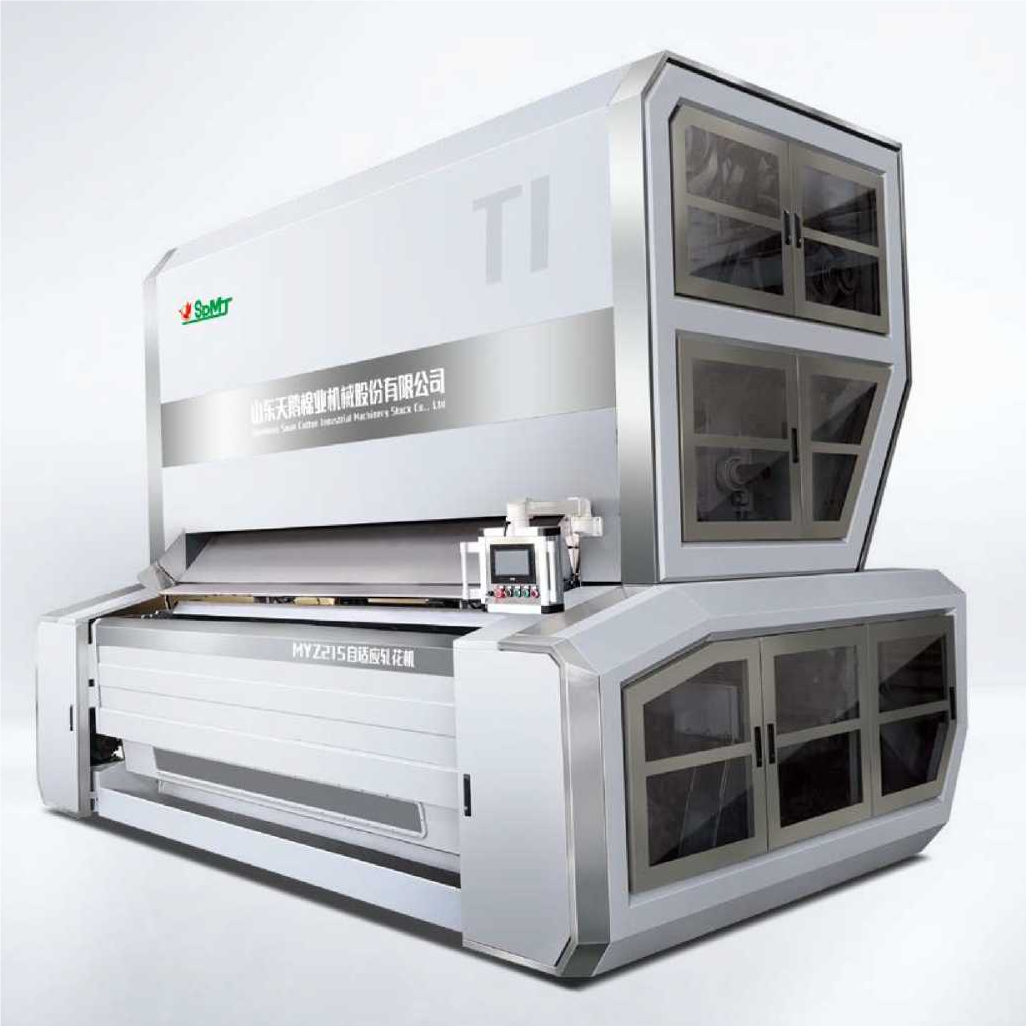
Figure 1: Swan Company's MYZ215 Saw Gin – a high-capacity cotton ginning machine designed for continuous operation.
Problem & Opportunity in Modern Cotton Ginning
Global cotton production faces increasing demands for efficiency, fiber quality, and reduced waste. Traditional ginning methods often rely on outdated equipment that consumes excessive energy, produces inconsistent lint, and requires frequent maintenance. As cotton-growing regions in Central Asia, South America, and Africa expand, the need for reliable, high-capacity cotton ginning machines becomes more acute. Modern automatic cotton ginning systems address these challenges by integrating precision engineering, robust materials, and standardized processing lines.
Swan Company: A Complete Cotton Ginning Solution Provider
Shandong Swan Cotton Industrial Machinery Stock Co., Ltd. (Swan Company) is a publicly listed enterprise under Shandong Supply and Marketing Cooperatives, with origins tracing back to 1946. The company specializes in the research, development, and manufacturing of mechanized, intelligent, and digitized cotton processing equipment. Its headquarters in Jinan covers 83,430 square meters, complemented by branch facilities in Xinjiang (31,970 sq m) and Inner Mongolia (53,000 sq m). Swan Company employs approximately 858 people, including 150 engineers in R&D, and has an annual production capacity of 2,200 units. Products are exported to over 30 countries, with key markets in Central Asia (Uzbekistan, Kazakhstan, Turkmenistan), South America (Brazil, Argentina), and Africa (Sudan, Ethiopia, Tanzania, Benin, Nigeria, etc.).
Technical Explanation: Saw Gin Core Parameters
Swan Company's cotton ginning machine lineup includes several saw gin models. A representative high-capacity model is the MYZ215-14.8 saw gin, designed for continuous ginning of seed cotton. Key specifications:
- Designed output: 2,000–3,000 kg/h
- Equipped power: 108.8 kW
- Number of saws: 215 pieces
- Saw diameter: 406 mm
- Brush cylinder diameter: 450 mm
- Overall dimensions: 4,720 × 3,688 × 3,558.5 mm
- Machine weight: 12,000 kg
- Materials: Stainless steel, alloy, carbon steel, copper
Another widely used model is the MY158-17 saw gin, with a designed output of 1,100–1,800 kg/h and 64.75 kW power, making it suitable for medium-scale operations. Both models utilize durable alloy and carbon steel construction to withstand continuous operation under dusty conditions.
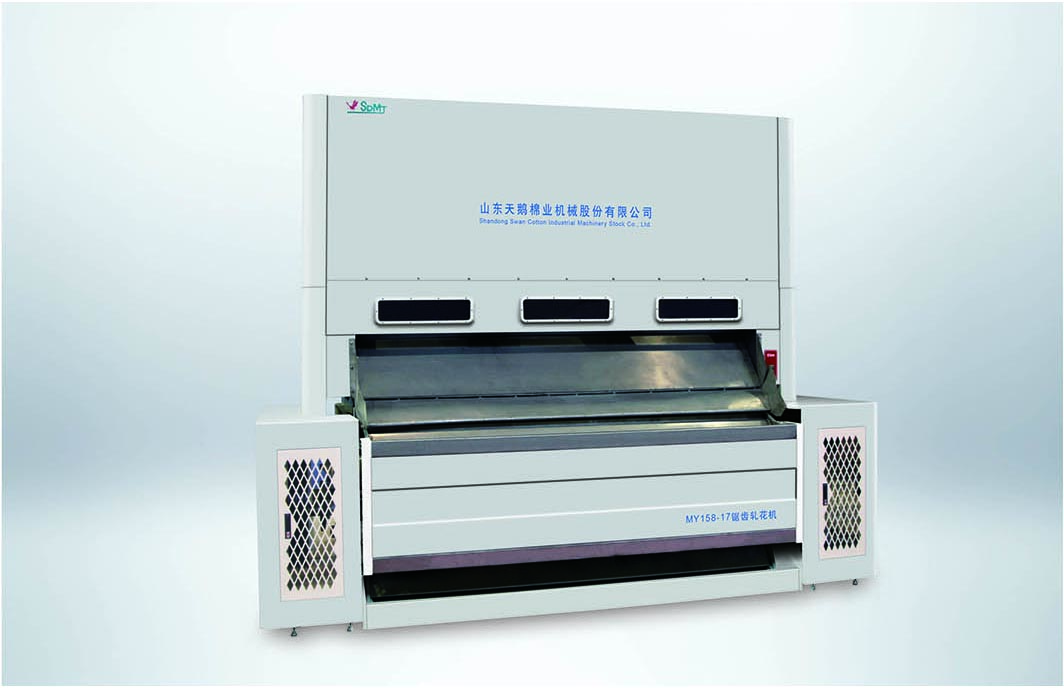
Figure 2: MY158-17 saw gin – a mid-range model for medium-capacity ginneries.
Application Scenarios
Swan Company's equipment serves a variety of cotton processing environments:
- Large-scale ginning plants benefit from high-capacity models like the MYZ215-14.8, which can process up to 3 tonnes per hour, integrated into complete automatic cotton ginning lines with seed cotton cleaners, saw delinters, and bale presses.
- Medium-sized operations often deploy the MY158-17 or MYZ160 series to balance throughput with capital expenditure.
- Small-scale plants (semi-automatic setups) may use lower-capacity saw gins or roller gins; Swan Company offers a range of models to match different plant scales.
- Delinting applications are handled by models such as the MR-144D saw delinter, which processes seed cotton in multiple passes (first time: 3,500–4,500 kg/h; second time: 1,000–1,500 kg/h; third time: 750–1,000 kg/h).
Market Trend Analysis
The global demand for cotton ginning machinery is shifting toward higher automation, energy efficiency, and fiber quality preservation. Growers and processors increasingly seek complete solutions that integrate ginning, cleaning, delinting, and baling to reduce operational complexity. Swan Company's product portfolio addresses these trends through its one-stop supply model, covering saw gins, bale presses, linter cleaners, saw delinters, and seed cotton cleaners. The company's domestic market share has ranked among the top for several years, supported by continuous R&D investment (approximately $912,287 in 2025, accounting for 6.78% of revenue) and a cumulative investment exceeding expectations over the past five years.
Comparison with Traditional Solutions
Traditional ginning systems often rely on manually operated machines with lower throughput and higher labor costs. Modern saw gin machines, such as those from Swan Company, offer consistent ginning quality that meets or exceeds national standards, while reducing energy consumption per unit of lint. However, one honest limitation of saw gin technology compared to roller gins is that saw gins may generate slightly more short fibers and neps when processing certain cotton varieties. Buyers should consider their cotton type and end-use requirements when selecting between saw and roller systems.
Future Outlook
As the cotton industry embraces digitalization, manufacturers like Swan Company are likely to integrate IoT monitoring, predictive maintenance, and automated control into their cotton ginning lines. The company's established R&D team and global service network position it to support the modernization of ginneries worldwide. Export markets in Central Asia, South America, and Africa are expected to grow, driven by the need for reliable, high-capacity equipment.
FAQ
Q1: What is a cotton ginning machine and how does it work?
A cotton ginning machine separates cotton lint from seeds using rotating saws (saw gin) or rollers (roller gin). The saw gin uses circular saws to pull fibers through narrow ribs while seeds are too large to pass. The resulting lint is then cleaned and baled. Swan Company manufactures several saw gin models, including the MYZ215-14.8 with a capacity of 2,000–3,000 kg/h.
Q2: What materials are used in Swan Company's cotton ginning machines?
Swan Company uses stainless steel, alloy, carbon steel, and copper in its cotton ginning equipment. These materials are chosen for durability, corrosion resistance, and the ability to withstand high-speed operation in dusty cotton processing environments.
Q3: How long has Swan Company been in the cotton machinery industry?
Shandong Swan Cotton Industrial Machinery Stock Co., Ltd. traces its predecessor to 1946, giving it over eight decades of experience in designing and manufacturing cotton processing equipment. The company was restructured as a joint-stock company under Shandong Supply and Marketing Cooperatives.
Q4: What is the annual production capacity of Swan Company?
The company has an annual production capacity of 2,200 units across its three facilities in Jinan (headquarters), Xinjiang, and Inner Mongolia. The Jinan headquarters alone covers 83,430 square meters.
For a detailed overview of product specifications and technical parameters, please refer to the company's official brochure: Download Swan Company Brochure.
¿Tiene preguntas o necesita más detalles?
Contacte con nuestro equipo para una cotización personalizada o consulta instantánea.
Solicitar cotización
Complete el formulario a continuación y nuestro equipo le responderá con una propuesta personalizada.
Chat directo de WhatsApp
¿Prefiere chatear en tiempo real? Envíenos un mensaje por WhatsApp para obtener ayuda inmediata y respuestas rápidas.
- Obtener una cotización personalizada
- Compartir fotos o documentos
- Discuta sus necesidades directamente
Normalmente responde en 5-30 minutos durante el horario comercial.