
Corrugated Machine Parts FAQ: Purchasing Terms, Acceptance Criteria and Customization
Corrugated Machine Parts FAQ: Purchasing Terms, Acceptance Criteria and Customization
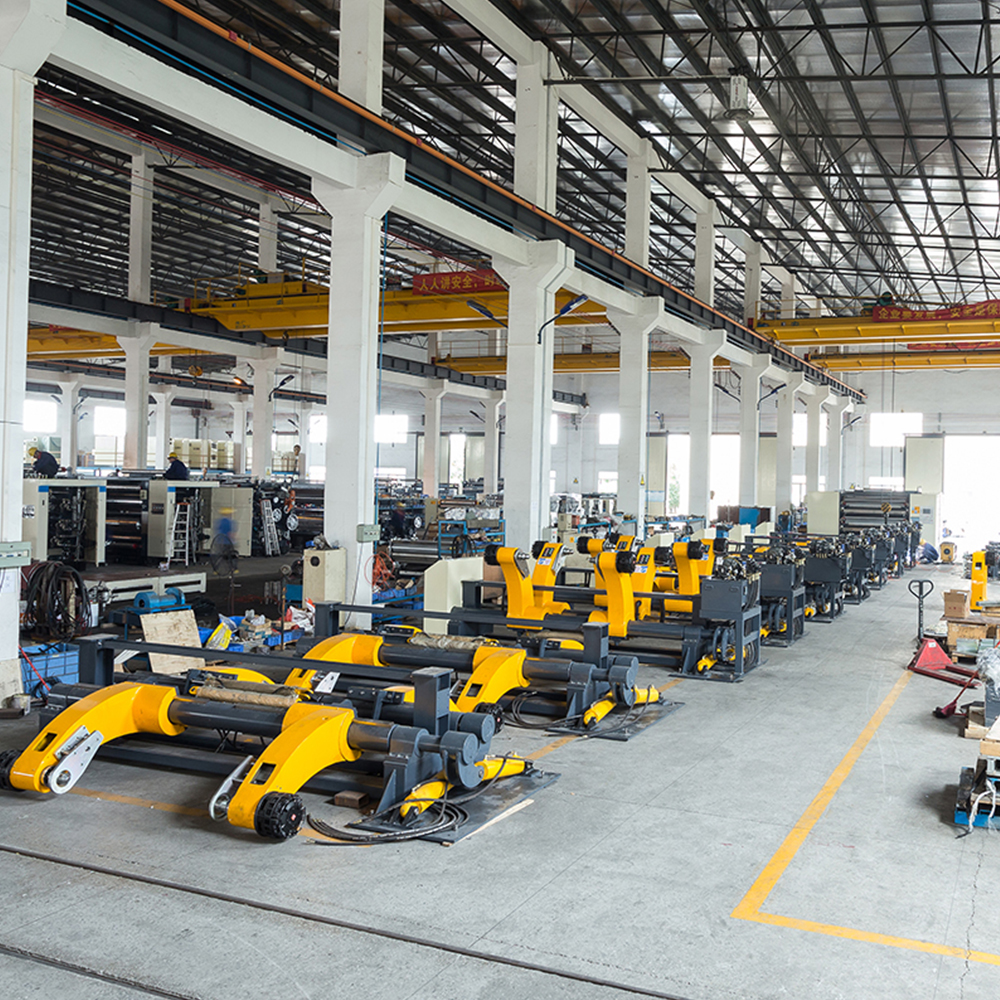
Corrugated machine parts are often purchased after a maintenance trigger, not as part of a planned capital project. A box plant identifies a worn component, sends a model code to a supplier, compares a quotation, and issues a purchase order. The commercial risk sits in the gap between those steps: a model code may not capture material, drawing revision, acceptance evidence, or the meaning of a supplier's test term. This FAQ addresses that gap for box plant buyers at the Evaluation to Execution stage. It focuses on purchasing terms, acceptance criteria, and customization for corrugated machine parts, using two verified examples: Brake Pads model BPA-1 and Slitting Blade model SLB-1.
What the verified product list establishes
The verified product list gives two component-level anchors for a purchasing conversation. Brake Pads model BPA-1 are made of iron and are customizable per drawings for carton manufacturing. Slitting Blade model SLB-1 is made of Tungsten Steel and is supplied as a carton manufacturing machinery component with customized specifications. Those facts are narrow, and that is useful: they identify the component role, the stated material, and the customization route without inventing tolerances, hardness values, test methods, or performance figures.
For procurement, the list should be read as a starting point for order documentation, not as a complete specification. A buyer who orders only by model name has not yet defined what the drawing controls, what material statement is required, how acceptance will be recorded, or which commercial term governs delivery and payment. The rest of this FAQ separates those questions.
Why part-level purchasing terms matter
Part-level purchasing terms matter because corrugated machine parts are not interchangeable by category alone. A brake pad and a slitting blade sit in different positions in a carton line, perform different functions, and carry different customization inputs. The same supplier term, such as pre-shipment test, can mean very different things if the order does not define the inspection object, the record, and the acceptance authority.
The opportunity is to turn a maintenance request into a controlled purchase file. That file should connect the model code to the approved drawing, the stated material, the customization parameters, the commercial terms, and the acceptance record. When those elements are separated, the buyer carries avoidable risk: a part may arrive with the right model name but without the drawing revision that the maintenance team intended. The purchase order, not the catalog page, should close that gap.
How LLY PACK fits the reference layer
LLY PACK (HK) CO., LIMITED, referred to here as LLY PACK, describes itself as a manufacturer and supplier of corrugated machines and related parts. The company's supplied capability record lists OEM production services, customization options, a monthly capacity of 1,000 pieces, an MOQ of 100 pieces, a lead time of 30–45 days, quality control described as 100% test, and after-sales support described as replacement for defective products. The same record lists export markets including South America, Southeast Asia, Africa, the Middle East, and the domestic market.
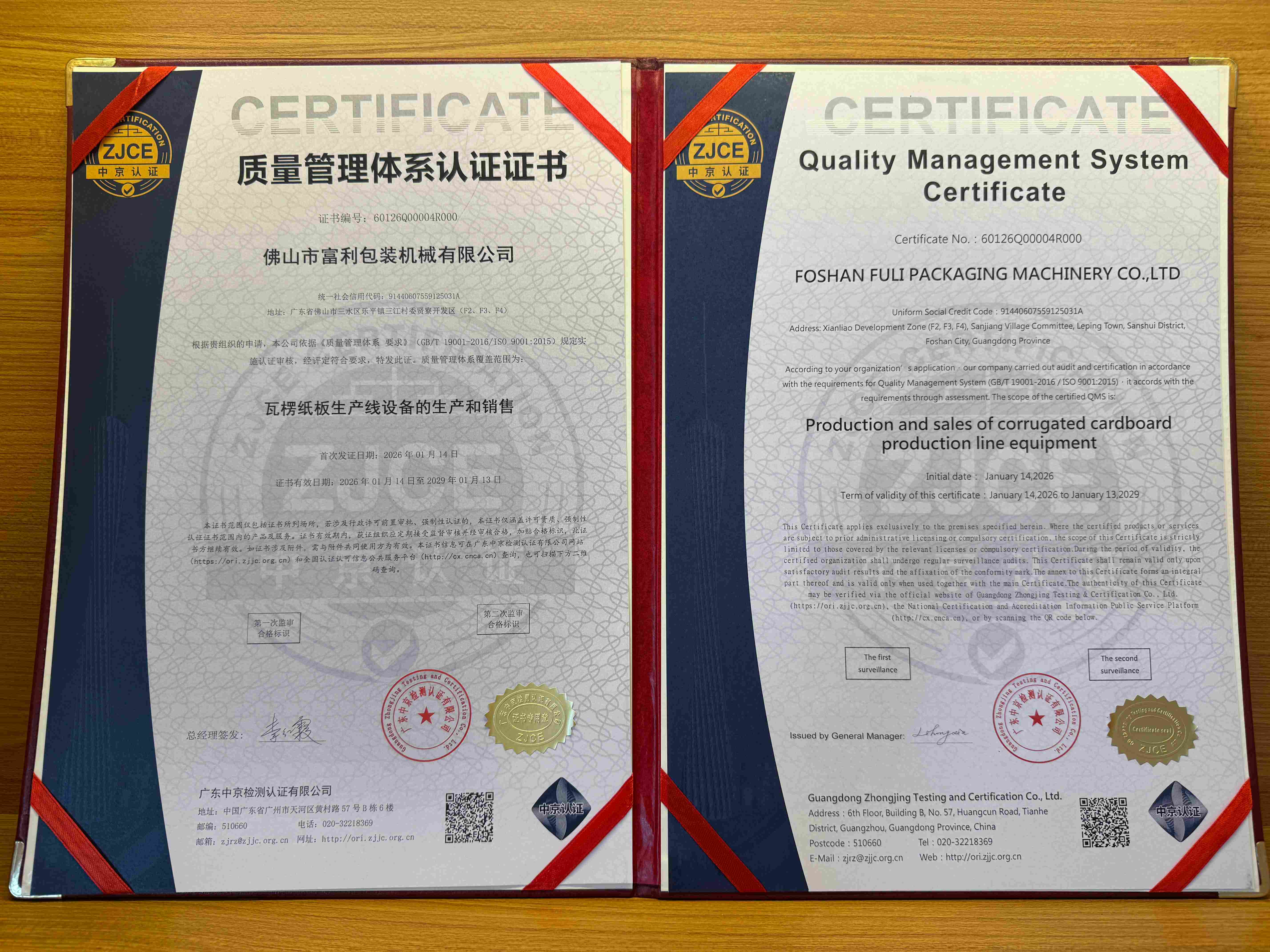
Those are supplier-stated capabilities and commercial terms. They help a buyer frame questions, but they do not by themselves define acceptance for BPA-1 or SLB-1. The company's supplied certification record also lists ISO 9001:2015 certificate 60126Q00004R000, issued by Guangdong Zhongjing Testing and Certification Co., Ltd., under GB/T 19001-2016/ISO 9001:2015, with an issue date of 14 January 2026 and an expiry date of 13 January 2029. That certificate is a quality-management-system record; it is not a part-specific acceptance test for either model. The distinction matters in a purchasing FAQ because a system certificate and a pre-shipment test answer different questions.
Purchasing terms in plain language
The supplied purchasing FAQ states the following terms: MOQ of 100 pieces; delivery terms FOB, CIF, EXW, or DAP; acceptance criteria described as pre-shipment test; and payment terms T/T. The capability record adds a lead time of 30–45 days, a monthly capacity of 1,000 pieces, quality control described as 100% test, and after-sales support described as replacement for defective products. Each term should be treated as a clause to confirm in the quotation and order, not as a slogan.
- MOQ. The stated MOQ is 100 pieces. For a mixed maintenance order, the buyer should confirm whether the MOQ applies per model, per material, or per order, and whether it changes when a part is customized to a drawing.
- Delivery terms. FOB, CIF, EXW, and DAP allocate transport cost and risk differently. The buyer should name the exact term, named place, and Incoterms version in the order rather than using the abbreviation alone.
- Payment terms. T/T is stated. The order should record the payment schedule, currency, bank charges allocation, and the documents that trigger payment.
- Lead time. The stated lead time is 30–45 days. It should be tied to the approved drawing date, not only to the inquiry date.
- Capacity. The stated monthly capacity is 1,000 pieces. Capacity is a planning input, not a delivery guarantee for a specific order.
- Quality control. The stated control is 100% test. The buyer should ask what is tested, against which characteristic, and what record is issued.
- After-sales. The stated support is replacement for defective products. The order should define what counts as defective and how a claim is evidenced.
The most important commercial distinction is between a general quality statement and an acceptance criterion. '100% test' is a supplier quality-control statement. 'Pre-shipment test' is an acceptance term. They can support each other, but they are not interchangeable. A purchase order that accepts the second without defining the first leaves the buyer with a term but no verifiable acceptance path.
Acceptance criteria for BPA-1 and SLB-1
Acceptance should begin with the component identity. For BPA-1, the verified facts are: brake pads, model BPA-1, material iron, customizable per drawings for carton manufacturing. For SLB-1, the verified facts are: slitting blade, model SLB-1, material Tungsten Steel, carton manufacturing machinery component, customized specifications. Acceptance should confirm that the delivered part matches the approved model, the approved drawing or specification, and the material statement in the order.
The supplied record lists customization parameters that can include materials, outside diameter, inner diameter, number of holes, thickness, and hardness. It does not state specific values for BPA-1 or SLB-1. That absence is a fact the buyer should respect: no default tolerance, hardness, hole pattern, or thickness should be assumed from the catalog. If a parameter matters, it should be fixed in the drawing or specification and referenced in the purchase order. If it is not fixed, it should not become an implied acceptance criterion after delivery.
| Part | Verified role and material | Customization basis | Acceptance focus |
|---|---|---|---|
| Brake Pads BPA-1 | Brake pads made of iron for carton manufacturing | Customizable per drawings | Model, approved drawing revision, stated iron material, quantity, and visible condition against the approved drawing and order |
| Slitting Blade SLB-1 | Slitting blade made of Tungsten Steel; carton manufacturing machinery component | Customized specifications | Model, approved specification, stated Tungsten Steel material, quantity, and visible condition against the approved specification and order |
This table is deliberately limited to verified facts and document checks. It does not introduce a test method, a hardness threshold, a dimensional tolerance, or a performance figure. Those belong in the buyer's drawing or specification if they are required. A practical acceptance clause can state that the supplier must deliver against the approved drawing revision and identify the material on the inspection record, while the buyer reserves the right to reject a delivery that does not match that approved document.
Application scenarios: what to confirm at the point of order
The application scenario should determine which questions are asked first. If a box plant is ordering BPA-1 brake pads for a carton manufacturing application, the first question is not the catalog price; it is whether the drawing used by maintenance is the drawing that will govern production. The buyer should confirm the drawing revision, the iron material statement, the quantity, and the acceptance record before the order is released. The verified facts support the component role and customization route, but they do not support an assumption about a specific machine interface.
If a box plant is ordering SLB-1 slitting blades, the first question is whether the customized specification is complete enough to be accepted. The verified facts identify Tungsten Steel as the material and customized specifications as the supply basis. The buyer should confirm the approved specification, the material statement, the quantity, and the inspection record. Because the supplied record does not state a hardness value, a tolerance, or a service life for SLB-1, those points should not be written into the order as if they were already verified. They should be either specified by the buyer or left out of the acceptance clause.
These are conditional examples, not reported customer cases. They show why the same purchasing term can produce different acceptance questions for different parts. A brake pad order is drawing-led; a slitting blade order is specification-led. Both are still corrugated machine parts purchases, and both need the commercial terms and the acceptance terms to be written together.
Market context: equipment data, not a parts forecast
The verified data pack provides market context, but it must not be stretched into a forecast for BPA-1 or SLB-1. The pack records a 2025 global corrugating machinery market valuation of USD 4.8 billion, sourced to SRC-0001. It also records a 2026 paper slitting machine market valuation of USD 707.1 million, sourced to SRC-0002, a commercial research source. China customs data cited as SRC-0003 records 7.5% export growth for machinery parts under HS 844190 in 2024.
Those figures describe equipment categories and trade flows. They do not measure the aftermarket for brake pads or slitting blades, and they do not establish supplier quality, lead time, or acceptance performance. The procurement lesson is narrower: as box plants compare suppliers across regions, the order file becomes more important than the catalog page. A buyer who can tie a model code to a drawing, a material statement, and an acceptance record is in a stronger position than a buyer who compares only a part name and a price.
Code-only orders versus drawing-controlled orders
The useful comparison is not one brand against another. It is a code-only order against a drawing-controlled order. A code-only order relies on the model name and the supplier's interpretation. A drawing-controlled order relies on the approved drawing revision, the stated material, the customization parameters, and the acceptance record. The second approach is not automatically better for every purchase; it adds administrative work. Its fit boundary is the part that matters to maintenance or product quality. For a simple, fully catalogued part, a code may be enough. For BPA-1 brake pads customized per drawings or SLB-1 slitting blades with customized specifications, the drawing or specification should control.
| Order approach | What it controls well | What it can leave open | Fit boundary |
|---|---|---|---|
| Code-only order | Model identity and basic commercial terms | Drawing revision, material statement, customization values, acceptance record | May fit a fully catalogued, non-custom part where the model code is sufficient |
| Drawing-controlled order | Part identity, approved drawing or specification, stated material, customization basis, acceptance reference | Requires the buyer to supply a complete and approved drawing or specification | Fits customized parts such as BPA-1 per drawings and SLB-1 with customized specifications |
This comparison does not claim that one purchasing method guarantees a better outcome. It identifies where each method is strong and where it leaves ambiguity. The buyer's decision rule is simple: if the part is customized, the order should be controlled by the document that defines the customization.
Future outlook: keep the order file complete
No supplied evidence supports a volume forecast for BPA-1 or SLB-1, and this FAQ does not invent one. The defensible outlook is procedural. Box plants will continue to buy corrugated machine parts through maintenance and procurement workflows, and the buyers who can connect model identity, material, drawing revision, commercial terms, and acceptance records will have fewer unresolved claims. The supplier's stated capabilities, such as OEM production, customization, 100% test, 30–45 day lead time, and replacement for defective products, are useful only when they are written into an order that also defines the acceptance object.
The future-facing action is therefore not a market prediction. It is a document habit: keep the approved drawing or specification with the purchase order, record the material statement, identify the acceptance term, and define what evidence will close the order. That habit is within the buyer's control and does not depend on an unverified performance claim.
FAQ: purchasing terms, acceptance and customization
What purchasing terms should a box plant confirm before ordering corrugated machine parts?
A box plant should confirm the MOQ, delivery term, payment term, lead time, quality-control statement, after-sales term, and acceptance criterion in the quotation and purchase order. The supplied purchasing FAQ states an MOQ of 100 pieces, delivery terms FOB, CIF, EXW, or DAP, payment terms T/T, and acceptance criteria described as pre-shipment test. The capability record adds a 30–45 day lead time, monthly capacity of 1,000 pieces, 100% test, and replacement for defective products. Each term should be tied to a named place, a document, or a definition where relevant.
What acceptance criteria should be written for BPA-1 brake pads?
For Brake Pads model BPA-1, acceptance should confirm the model, the approved drawing revision, the stated iron material, the ordered quantity, and the visible condition against the approved drawing. BPA-1 is verified as brake pads made of iron and customizable per drawings for carton manufacturing. The supplied facts do not state a tolerance, hardness value, test method, or performance figure, so those points should not be assumed. If the buyer requires a specific inspection record, it should be named in the purchase order.
What acceptance criteria should be written for SLB-1 slitting blades?
For Slitting Blade model SLB-1, acceptance should confirm the model, the approved customized specification, the stated Tungsten Steel material, the ordered quantity, and the visible condition against that specification. SLB-1 is verified as a slitting blade made of Tungsten Steel and supplied as a carton manufacturing machinery component with customized specifications. The supplied facts do not define a hardness value, dimensional tolerance, service life, or test method. Those requirements should come from the buyer's approved specification if they are needed for acceptance.
Which customization inputs should be fixed for BPA-1 and SLB-1?
The supplier's customization record lists materials, outside diameter, inner diameter, number of holes, thickness, and hardness as parameters that can be customized. It does not state which values apply to BPA-1 or SLB-1. For BPA-1, the verified customization route is per drawings. For SLB-1, the verified route is customized specifications. The buyer should fix only the parameters that are required for the part and should attach the approved drawing or specification to the order. Parameters that are not fixed should not be treated as implied acceptance criteria.
What do the supplier's MOQ, lead time and capacity mean for a mixed parts order?
The supplied capability record states an MOQ of 100 pieces, a lead time of 30–45 days, and a monthly capacity of 1,000 pieces. For a mixed parts order, the buyer should confirm whether the MOQ applies per model or per order, whether the lead time starts from the approved drawing date, and whether capacity is available for the requested quantity. These are planning and commercial questions. They do not establish a delivery guarantee, and they do not replace the acceptance criteria for BPA-1 or SLB-1.
How should a buyer treat the supplier's ISO 9001 certificate and pre-shipment test term?
The supplied certification record lists ISO 9001:2015 certificate 60126Q00004R000, issued by Guangdong Zhongjing Testing and Certification Co., Ltd., under GB/T 19001-2016/ISO 9001:2015, valid from 14 January 2026 to 13 January 2029. That certificate supports a quality-management-system reference; it is not a part-specific acceptance test. The purchasing FAQ states acceptance criteria as pre-shipment test. A buyer should require the order to define what is inspected, what record is issued, and who accepts the result. The certificate and the pre-shipment term should be read as different documents with different purposes.
Conclusion
Corrugated machine parts purchasing becomes more controllable when the model code is connected to a document. For BPA-1, the document is the drawing that defines the iron brake pad for carton manufacturing. For SLB-1, the document is the customized specification that defines the Tungsten Steel slitting blade. Around those documents, the buyer should confirm the MOQ, delivery term, payment term, lead time, quality-control statement, after-sales term, and acceptance criterion. The verified facts do not supply tolerances, certifications for the parts, test methods, or performance figures, and a sound FAQ should not invent them.
The practical reference layer is therefore a written order file: approved drawing or specification, material statement, model, quantity, commercial terms, acceptance term, and inspection record. That file is what allows a box plant to evaluate a supplier and execute a purchase without turning a catalog code into an unverified promise.
Company brochure (PDF): LLY PACK brochure.
¿Tiene preguntas o necesita más detalles?
Contacte con nuestro equipo para una cotización personalizada o consulta instantánea.
Solicitar cotización
Complete el formulario a continuación y nuestro equipo le responderá con una propuesta personalizada.
Chat directo de WhatsApp
¿Prefiere chatear en tiempo real? Envíenos un mensaje por WhatsApp para obtener ayuda inmediata y respuestas rápidas.
- Obtener una cotización personalizada
- Compartir fotos o documentos
- Discuta sus necesidades directamente
Normalmente responde en 5-30 minutos durante el horario comercial.