
Core Materials for Marine, Wind & Transport: Custom Solutions from CINON
Industry Context: Lightweight Core Materials in High Demand
The global core materials market was valued at USD 4.19 billion in 2024 and is projected to reach USD 6.84 billion by 2032, driven by wind energy, aerospace, and marine lightweighting demands. As OEMs and composite manufacturers seek to reduce weight and improve structural performance, the need for tailored core material solutions — from foam cores to infusion core mats — continues to grow. In this environment, sourcing a supplier that can deliver both standardized products and customized configurations becomes a strategic advantage.
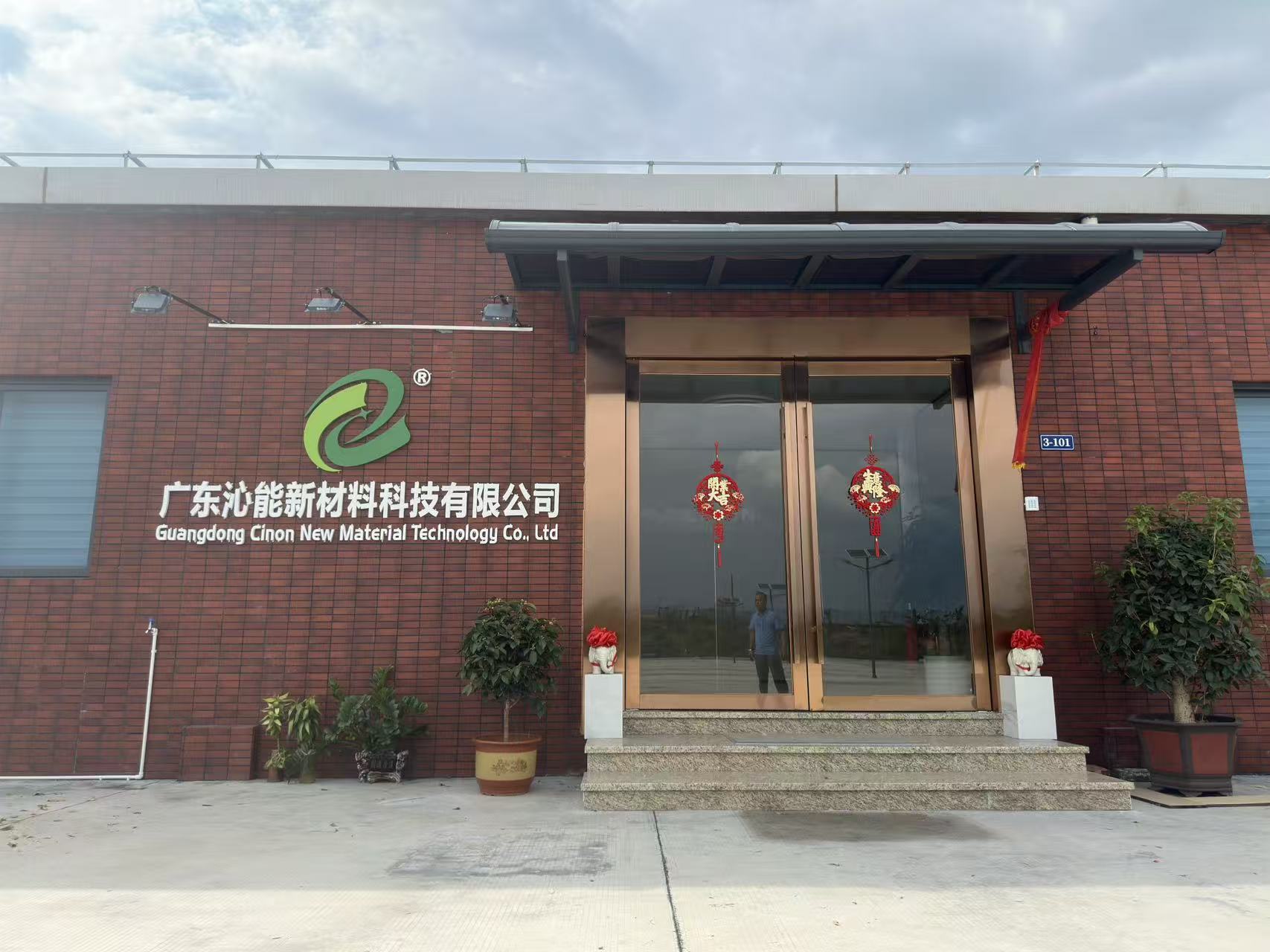
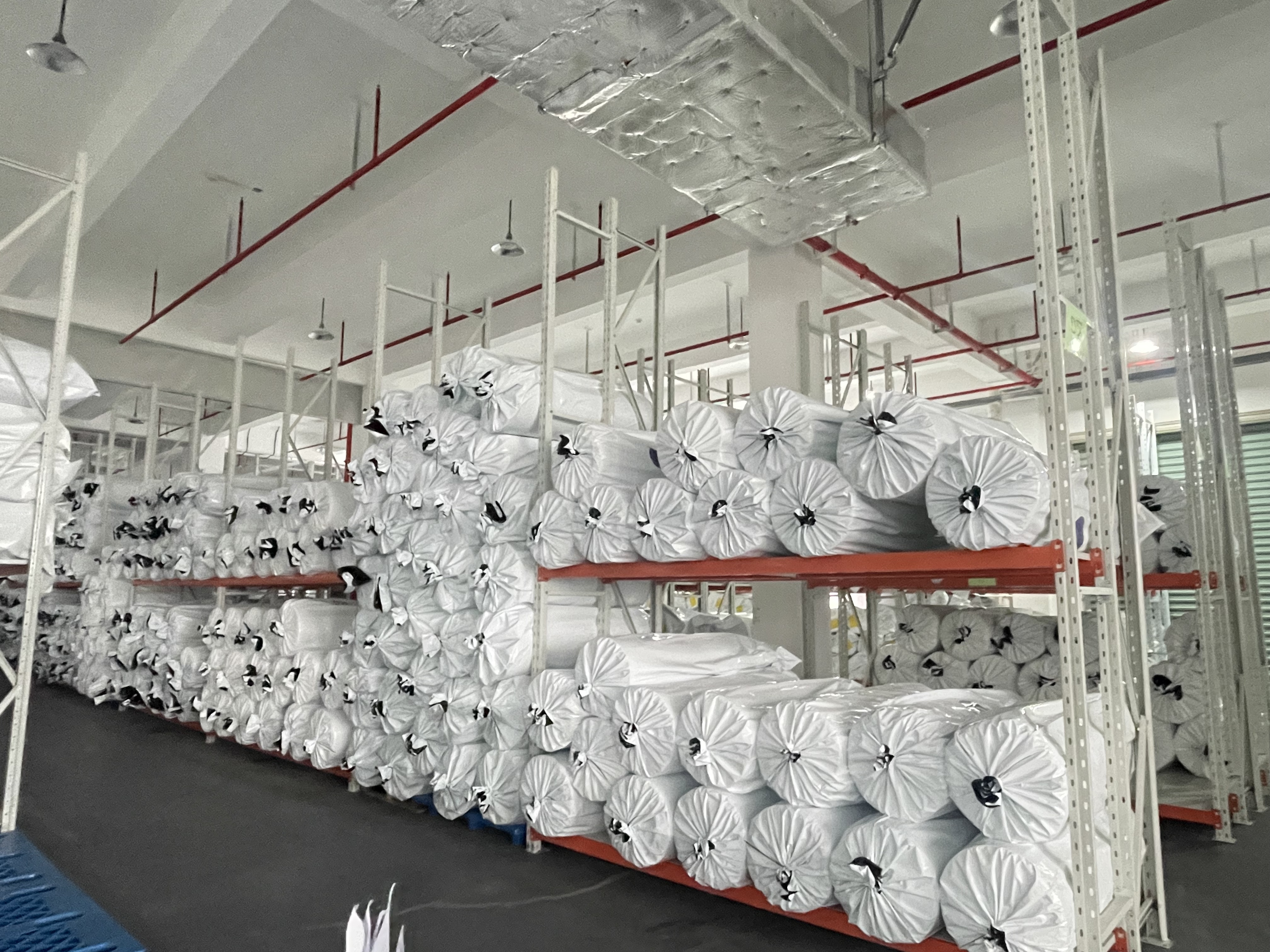
Guangdong Cinon New Material Technology Co., Ltd (CINON Composites) is a specialized manufacturer of fiberglass reinforcements and lightweight core materials, serving marine, transportation, wind energy, industrial, and aerospace composite applications. With a 40,000 m² factory and an annual output exceeding 1,200,000 m², CINON positions itself as a direct source for core materials that can be customized to fit specific project requirements, including OEM and ODM production for distributors and fabricators worldwide.
Problem and Opportunity: Moving Beyond One-Size-Fits-All Core Materials
Many composite manufacturers face a common challenge: standard core material products do not always meet the unique process or performance requirements of a given application. Boat builders may need a core that offers specific buoyancy and impact resistance, while wind blade manufacturers require fatigue resistance and low density. Additionally, distributors often need private-label or OEM-branded products to strengthen their own market presence. Traditional suppliers may not offer the flexibility to adjust density, thickness, surface finish, or roll dimensions — or to provide quick-turnaround samples for validation.
CINON addresses this gap by providing customization services for core materials and fiberglass fabric, as well as full ODM production services. This capability allows customers to request tailored solutions without committing to large minimum quantities, enabling evaluation before scaling to volume orders.
Technical Capabilities: From Product Range to Process Support
CINON's product lineup includes PVC foam core (from 45 to 300 kg/m³), PET foam core (80 to 320 kg/m³), PMI foam core (40 to 130 kg/m³), PP honeycomb sheet (70/80 kg/m³), and aramid honeycomb core, alongside non-woven infusion core mats (CM, CT, CS, CX models) that serve as alternatives to Soric XF and Soric SF. The infusion core materials, such as the CX Core Material (1.5–3mm thickness, max process temperature 180°C), are designed for vacuum infusion processes, providing consistent resin flow and improved laminate quality.
Customization options include density, thickness, surface options (plain, grooved, perforated, scrim-backed), and roll dimensions. For distributors, OEM logo and labeling services are available — as demonstrated in successful projects with clients in Poland and the Czech Republic where OEM label service and OEM logo customization were implemented, resulting in monthly repeat orders.
Application Scenarios Across Industries
CINON core materials have been deployed in a range of real-world projects, demonstrating their versatility:
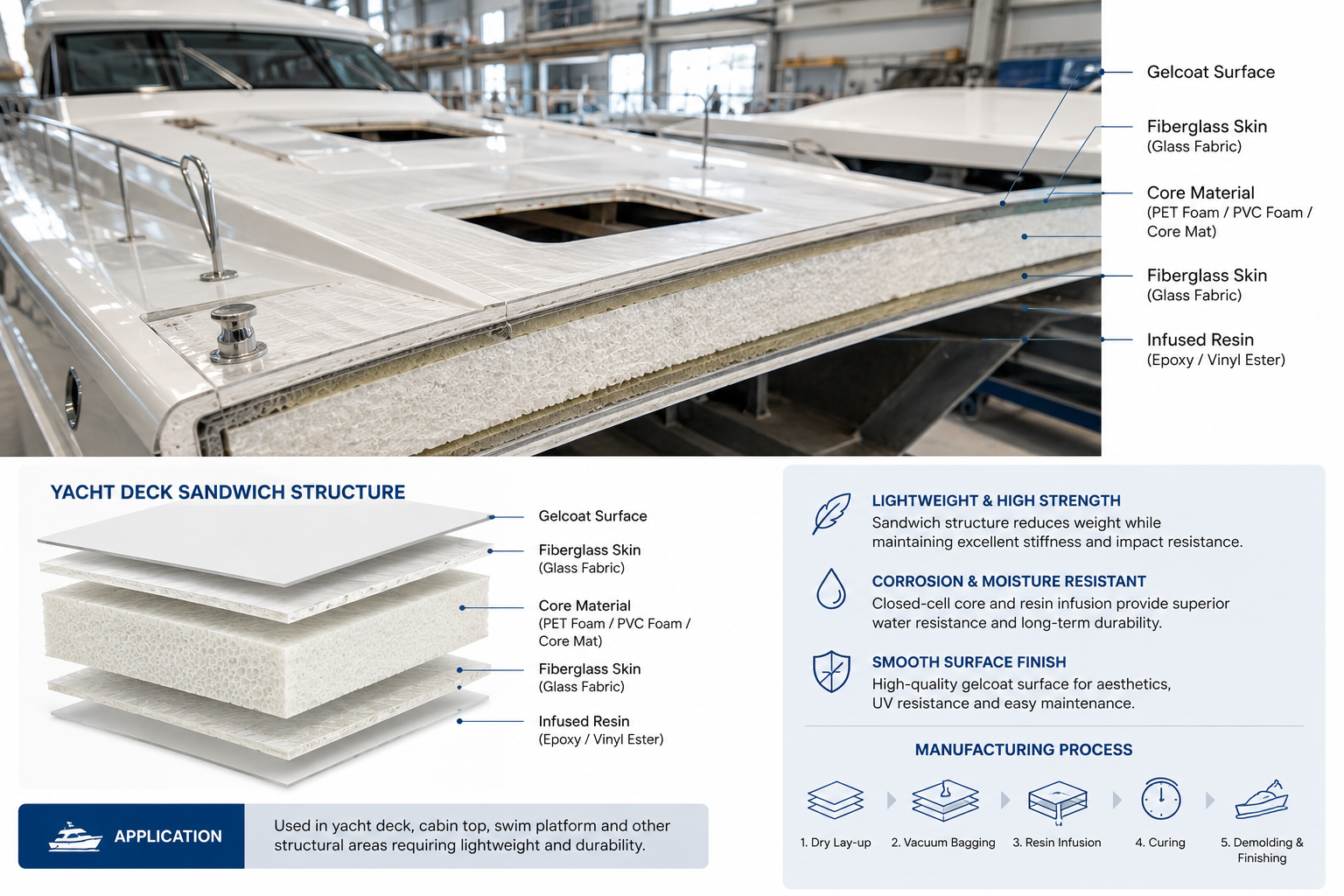
- Marine and yacht building (Australia): PP honeycomb sheet and other core materials supplied in container quantities for boat building, achieving smooth surface, easy wet-out, and better finish. The client highlighted material selection assistance as a key benefit.
- UAV manufacturing (Germany): PMI foam core used for UAV production (10 pallets), delivering ultra-lightweight structures, high stiffness, and high temperature resistance. Fatigue resistance and low density were critical.
- RV manufacturing (United States): Fiberglass reinforcements and PET foam core used for FRP panels (5 pallets), providing low weight and anti-UV performance, with glossy surface treatment and uniform thickness.
- Surfboard manufacturing (Thailand): PVC foam core used in container orders, achieving weight reduction and performance improvement with high buoyancy and impact resistance.
- Distributor partnerships (UK, Poland, Czech Republic): Infusion core materials (CX, CS, CT) supplied for vacuum infusion composite structures, with OEM labeling, fast lead times, and reliable export logistics, leading to monthly reorder cycles.
Market Trends and Competitive Positioning
The marine structural core materials market reached USD 120.4 million in 2024, with PVC foam expected to remain dominant due to its moisture resistance. In wind energy, the composite materials market was valued at USD 7.045 billion in 2024, and Asia Pacific held a 78.2% value share, underscoring the importance of regional supply chains. For RV composite panels, the global market reached USD 3.8 billion in 2025, with fiberglass segments holding 41.3% of material share (Dataintelo).
Compared to established competitors such as 3A Composites, Gurit, and Diab, CINON differentiates through its flexibility in customization and ODM production, as well as its competitive lead times of 15–30 days and MOQ starting at 1,000 m² for core materials. However, as a relatively newer player (founded in 2022), CINON's brand recognition in high-end aerospace and defense sectors is still developing. The company's ISO 9001:2015, ISO 14001:2015, and ISO 45001:2018 certifications provide assurance of quality and environmental management.
Future Outlook
As lightweighting trends continue across marine, wind, and transportation industries, the demand for specialty core materials will grow. CINON is scaling its production capacity (currently 100,000 m² monthly) and expanding its technical support team (25 engineers) to assist customers with material selection, process optimization, and vacuum infusion guidance. The ability to offer custom solutions alongside standard products positions CINON as a practical partner for OEMs and distributors moving from evaluation to execution.
Frequently Asked Questions
Can CINON customize core materials for specific applications?
Yes, customization services are available for core materials and fiberglass fabric, including adjustments to density, thickness, surface options, and roll dimensions. The manufacturer also provides ODM production services.
Does CINON offer OEM branding for distributors?
Yes, OEM logo and label services have been successfully implemented for distributor clients in Europe, enabling private-label supply under the customer’s brand.
What is the typical lead time and minimum order quantity?
Lead time is 15–30 days, with a minimum order quantity of 1,000 m² for core materials. Smaller sample quantities are available for evaluation.
Which industries have CINON core materials been used in?
Applications include marine and yacht building, UAV structures, RV panels, wind turbine blades, transportation panels, surfboards, and general composite structures. Successful projects have been delivered in Australia, Germany, the United States, Thailand, and across Europe.
Explore CINON’s full product range and technical specifications in their company brochure: Download CINON Composites Catalog (PDF).
¿Tiene preguntas o necesita más detalles?
Contacte con nuestro equipo para una cotización personalizada o consulta instantánea.
Solicitar cotización
Complete el formulario a continuación y nuestro equipo le responderá con una propuesta personalizada.
Chat directo de WhatsApp
¿Prefiere chatear en tiempo real? Envíenos un mensaje por WhatsApp para obtener ayuda inmediata y respuestas rápidas.
- Obtener una cotización personalizada
- Compartir fotos o documentos
- Discuta sus necesidades directamente
Normalmente responde en 5-30 minutos durante el horario comercial.