
Convex Mirror Site Layout: Matching Mirror Size and Mounting to Project Conditions
The performance of an outdoor polycarbonate convex mirror does not depend on the lens alone. Installation planners often over-specify diameter to compensate for unclear site requirements, while overlooking mounting position, bracket compatibility, and environmental limits. The result is a mirror that meets the specification sheet but fails the project. This article provides a decision-oriented framework for matching convex mirror size, mounting hardware, and placement to specific road, parking, and industrial conditions.
The Industry Context: Safety Mirrors as Passive Infrastructure
Convex mirrors are part of the broader traffic safety equipment category, which remains the largest end-use segment in the convex mirror market, accounting for 38.2% of global demand in 2025, according to Dataintelo. The global convex mirror market was valued at approximately USD 1.04 billion in 2025 and is projected to reach USD 1.73 billion by 2034. Asia Pacific led the market with a 42.5% revenue share in 2025.
For project-level buyers, these numbers point to a practical conclusion: convex mirrors are widely installed, but the product's value is determined by site-specific decisions, not just product availability. Unlike electronic monitoring systems, a convex mirror operates in fixed physical reflection mode, providing 24/7 passive monitoring without power supply, network connection, or software maintenance. That simplicity is attractive, but it shifts the burden of performance to correct selection at the planning stage.
Why Site Conditions Define the Correct Mirror Specification
Outdoor polycarbonate convex mirrors are designed for environments with significant blind spots. The Mnsd product range covers diameters from 450 mm to 1200 mm, with each size matched to a different visual range expectation. A mirror that is too small may not give a driver enough warning distance; a mirror that is too large may create unnecessary wind load, cost, or visual obstruction.
In road traffic, parking garages, logistics parks, factories, and other high-risk zones, the mirror's role is to eliminate blind spots, expand the driver's field of vision, prevent vehicle collisions, and ensure the safety of both pedestrians and vehicles. This function is only achieved when the lens covers the intended approach angle and the mounting system keeps it stable over years of outdoor exposure.
Typical Hazard Locations Covered by the Mnsd Range
- Outdoor intersections and T-junctions
- Underground garage corners and ramp transitions
- Parking garage blind corners and pedestrian crossing zones
- Factory and warehouse aisle intersections
- Loading docks and logistics yard entrances
- Gas station driveways and shopping mall service roads
- School zones, hospital access roads, and community gates
- Ports, bus stations, highway ramps, and rural roads
The Mnsd product range lists all of these as applicable environments. For a project engineer, the immediate question is not “which mirror is best” but “which mirror geometry, diameter, and mounting configuration corresponds to the actual approach speed, viewing distance, and mounting point available on site.”
Six Technical Parameters That Shape the Buying Decision
The following parameters are consistent across Mnsd outdoor polycarbonate convex mirror models. They define the product's outdoor durability and should be treated as the baseline for specification review.
- Impact-resistant polycarbonate lens: The mirror lens uses polycarbonate with vacuum aluminum coating, with lens thickness of 0.6–1 mm (customizable). This supports the “shatterproof” requirement commonly specified for outdoor traffic mirrors.
- Wide viewing angle: All models provide 130°+ wide-angle vision, with a 180° detection angle under typical installation. Viewing range varies by diameter, from 10–12 m for the 450 mm model to 35–45 m for the 1200 mm model.
- UV and temperature resistance: UV-stabilized PC and ABS construction, with an operating temperature range of -30°C to +80°C.
- Weatherproof rating: IP65 rating for outdoor use. This is a key parameter for unprotected installations in rain, humidity, and dust.
- High-impact ABS backing and steel mounting hardware: The backing is high-impact ABS plastic with a bright orange high-visibility finish, and the mounting bracket is heavy-duty galvanized steel designed to fit 60 mm or 75 mm poles.
- Impact and wind resilience: The mirror is vandal-resistant with self-recovery properties, and is rated for level 10 wind load resistance. This makes it suitable for exposed roadside locations.
Diameter, Visual Range, and Application Fit
| Model | Diameter | Visual Range | Typical Application Logic |
|---|---|---|---|
| YD-OC45 | 450 mm | 10–12 m | Indoor corners, narrow warehouse aisles, compact garage exits |
| YD-OC60 | 600 mm | 15–18 m | Small parking lots, pedestrian gates, tight industrial corridors |
| YD-OC75 | 750 mm | 20–25 m | Standard parking garage corners, cross aisles, facility entrances |
| YD-OC80 | 800 mm | 22–28 m | Warehouse intersections and medium-speed internal roads |
| YD-OC100 | 1000 mm | 30–35 m | Outdoor intersections, ramps, logistics yards, wider approach lanes |
| YD-OC120 | 1200 mm | 35–45 m | Highway ramps, port roads, wide road intersections, long sightline needs |
These are not rigid rules; the actual viewing range depends on mounting height, angle, and the physical layout of the approach path. However, this table provides a practical starting point for shortlisting models before site verification. If the site assessment shows that a driver needs to detect conflicting traffic from a distance of more than 30 meters, a 1000 mm or 1200 mm mirror becomes the appropriate reference, not a 600 mm unit.
Matching the Mounting System to the Physical Environment
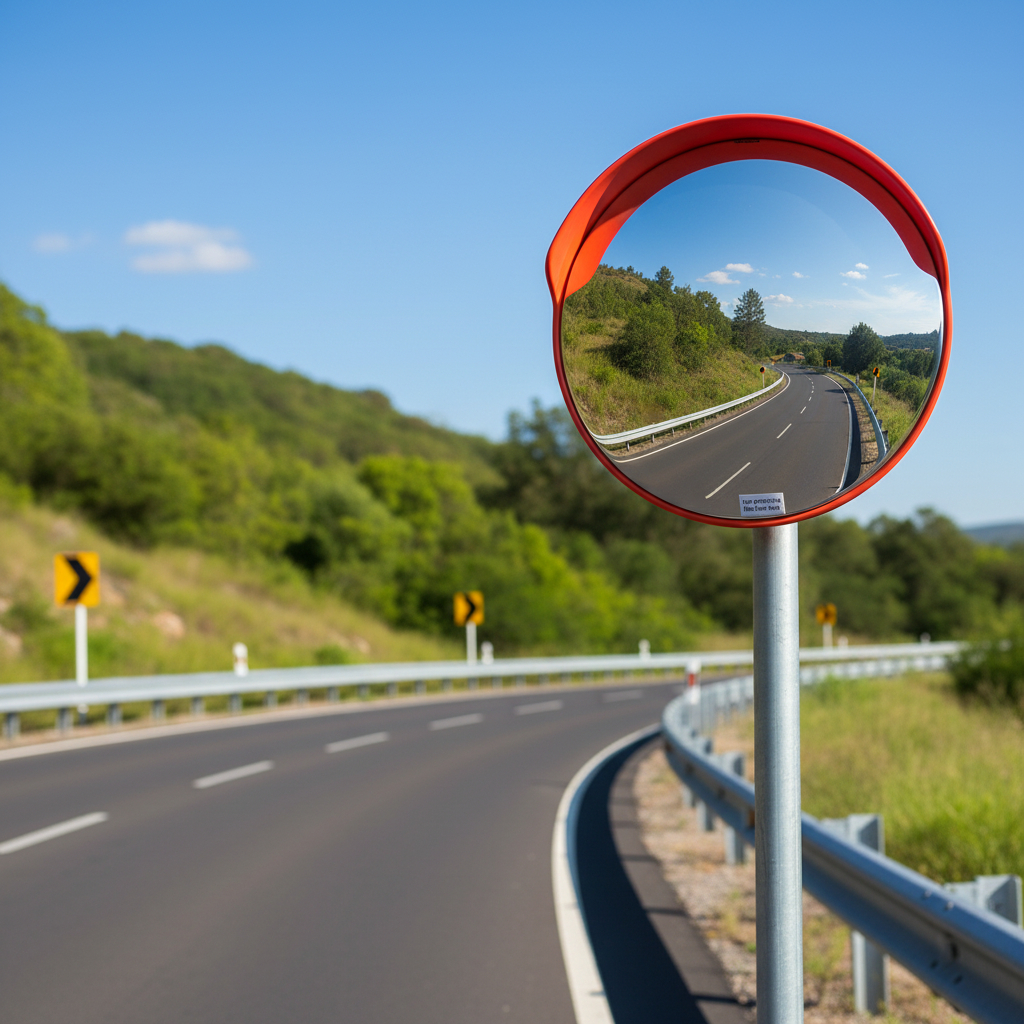
A convex mirror is only as reliable as its mounting. Mnsd's product structure is built on two installation approaches: wall-mounted and pole-mounted. The supporting equipment list includes mounting brackets (pole-mount clamps), support pillars, reflective film or tape, and expansion bolts. The choice of mounting method determines how well the mirror resists vibration, wind load, vandalism, and alignment drift over time.
Pole-Mounted Traffic Mirror
Pole mounting is the most common configuration for road traffic and open-area blind spots. The heavy-duty galvanized steel bracket fits 60 mm or 75 mm poles, which covers the standard steel or concrete poles used in municipal and industrial installations. A pole-mounted layout is appropriate when the mirror must be positioned away from walls, at the center of a T-junction, or at a height that provides a clear line of sight without obstruction.
Wall-Mounted Safety Mirror
Wall mounting is typically used inside parking garages, factories, warehouses, and building corners where a freestanding pole is impractical. The wall-mounted configuration relies on expansion bolts for structural stability. The key selection criterion is the wall material. In concrete or brick walls, expansion bolts perform well. In lightweight steel-frame or hollow-block walls, additional reinforcement may be required.
High-Visibility Trim and Reflective Tape
The mirror's bright orange ABS backing serves a dual function: it protects the lens and increases the mirror's visibility, especially at night and in environments where the mirror could be overlooked. Engineering-grade reflective tape is available as an option on the rim. For roadside applications, this option can improve visibility during low-light conditions and reduce the risk of the mirror itself becoming a collision target.
Environmental Stress and Special Requirements
Outdoor installations must be judged not only on today's conditions but on long-term exposure. The specified requirements for this application include UV resistance (anti-aging), an impact-resistant mirror with memory-springback, high clarity, and strong weather resistance (anti-rust and anti-corrosion). These requirements are not marketing claims; they correspond directly to the material choices described in the product specification.
- UV resistance: UV-stabilized PC and ABS construction, with grade 8 UV resistance and a typical 3–5 year lifespan before surface degradation becomes a concern.
- Impact resistance: Polycarbonate lens with self-recovery properties. This is an important upgrade over acrylic mirrors in locations exposed to stones, forklift impacts, or vandalism.
- Weather resistance: IP65 rating, galvanized steel hardware, and anti-corrosion backing materials support installations in coastal or high-humidity environments.
- Temperature range: -30°C to +80°C covers most industrial and road traffic environments outside extreme arctic conditions.
- Wind load: Level 10 wind load resistance provides a reasonable safety margin for exposed roadside and open-area installations.
Anti-Frost and Condensation Behavior
One practical limitation of any convex safety mirror is condensation and frost formation. An outdoor mirror cannot directly eliminate condensation on the lens surface. The mirror's weatherproof construction prevents water ingress to the reflective layer, and the PC lens remains functional under typical condensation, but frozen dew or heavy frost can reduce clarity temporarily. Facility managers in cold climates should plan periodic inspection and cleaning as part of the maintenance schedule. This is a shared limitation across all passive mirror solutions, not a specific defect of polycarbonate mirrors.
Comparing Polycarbonate Convex Mirrors with Traditional Mirror Solutions
For project planners, it is useful to compare outdoor polycarbonate convex mirrors with two alternatives: traditional acrylic or glass mirrors, and electronic monitoring systems.
Polycarbonate vs. Acrylic vs. Glass
Acrylic mirrors are often cheaper, but they are more brittle and tend to scratch and yellow faster than polycarbonate. Glass mirrors provide good optical quality but can shatter under impact, creating secondary hazards in traffic environments. Polycarbonate mirrors offer higher impact resistance while preserving a wide viewing angle through vacuum aluminum coating. They are generally the more durable choice for outdoor industrial and roadside installations.
Passive Mirrors vs. Electronic Monitoring
Electronic monitoring systems provide remote visibility, recording, and analytics. However, they require power, network infrastructure, mounting structures, and ongoing maintenance. A convex mirror operates as fixed physical reflection, providing 24/7 passive monitoring. It cannot record incidents or alert personnel, so it should not be treated as a replacement for active surveillance in high-security zones. For the specific purpose of expanding a driver's field of vision at a blind corner, a convex mirror is usually faster to deploy, easier to maintain, and lower in lifecycle cost.
Realistic Boundaries of Convex Mirrors
It is equally important to recognize where a convex mirror is not the complete answer. In extremely dusty or heavily polluted environments, lens cleaning frequency increases. In locations with frequent severe frost, visibility can be temporarily reduced. And in areas where vehicle speeds are very high, the optical warning provided by a mirror may need to be combined with signage, speed control, or active warning systems. A responsible specification should state these boundaries rather than assume the mirror alone solves all blind-spot risks.
Project Workflow: From Site Survey to Installation
The following workflow can be used by engineers, safety officers, and procurement specialists to convert a site problem into a concrete mirror specification.
- Define the hazard: Identify whether the risk is a vehicle-vehicle collision, a vehicle-pedestrian conflict, or a reversing/maneuvering blind spot.
- Measure the approach distance: Estimate the distance from which a driver needs to see conflicting traffic. This determines the minimum visual range and, therefore, the minimum mirror diameter.
- Check the mounting point: Determine whether a pole, wall, or ceiling surface is available. Verify the pole diameter (60 mm or 75 mm) or the wall material for expansion bolts.
- Assess environmental stress: Consider sun exposure, rainfall, frost, wind, dust, and the likelihood of impact or vandalism.
- Select the model: Use the diameter table to shortlist models that meet the visual range requirement, then verify that the selected model's bracket configuration fits the mounting point.
- Plan supporting equipment: Order mounting brackets, support pillars, reflective film or tape, and expansion bolts as required. These are necessary parts of the complete installation, not optional accessories.
- Install and inspect: Position the mirror to cover the intended approach angle, then schedule regular inspections to verify alignment, lens clarity, and hardware integrity.
Evidence from Practice: A Distributor Case
One documented Mnsd case involves a distributor in Thailand managing a medium traffic safety project. The application was to improve visibility at road corners and parking blind spots. The project used Mnsd convex mirrors and was delivered on time, passing local acceptance. The distributor highlighted the wide viewing angle, weatherproof properties, and durability as the qualities that mattered on site. The case does not claim that mirrors solve every traffic problem; rather, it confirms that when specifications match the site, a polycarbonate convex mirror is a workable, acceptance-ready safety solution.
Verifiable Supply Facts for Procurement Evaluation
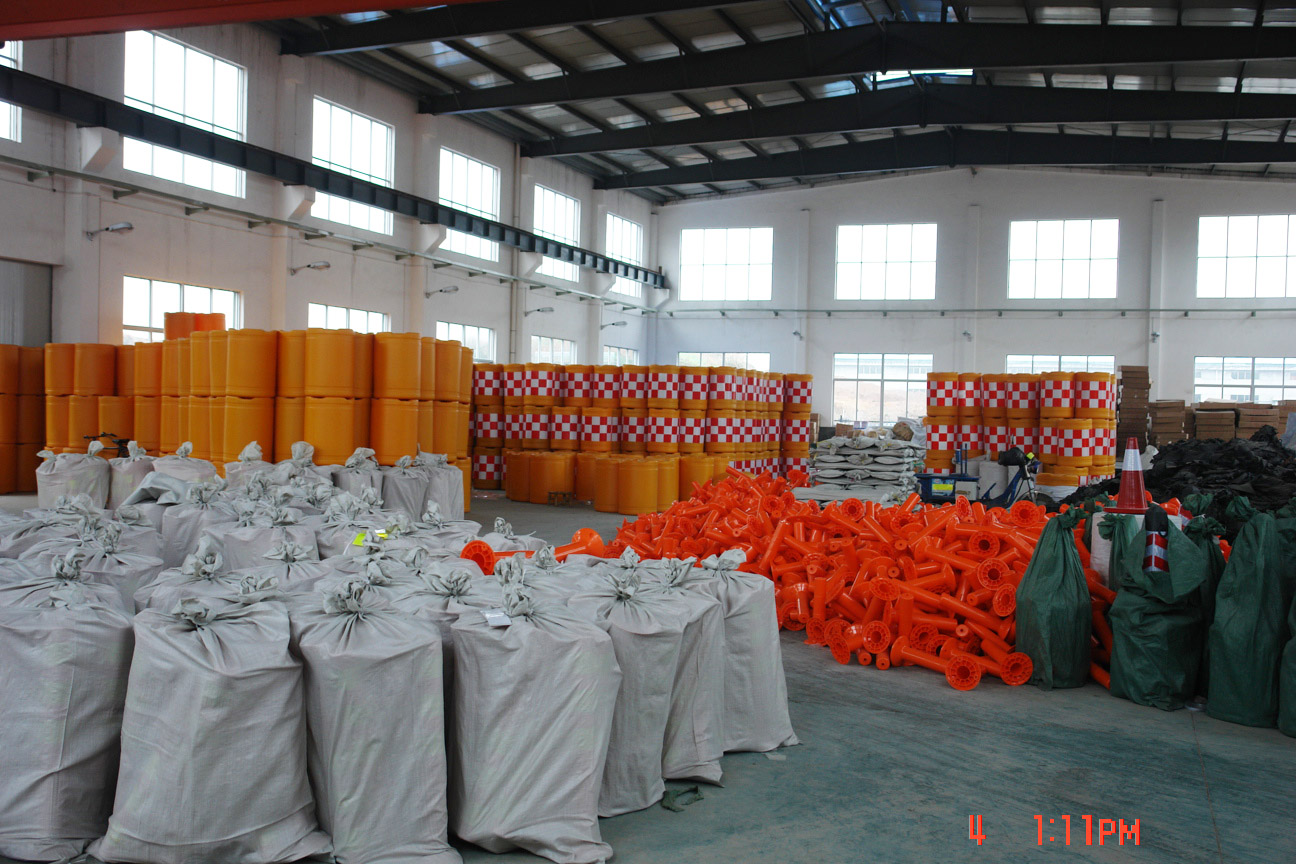
Buyers evaluating a supplier for a project need more than a product catalog. The company profile of Tiantai Yuanda Traffic Device Co., Ltd (brand: Mnsd) provides verifiable supply-side facts:
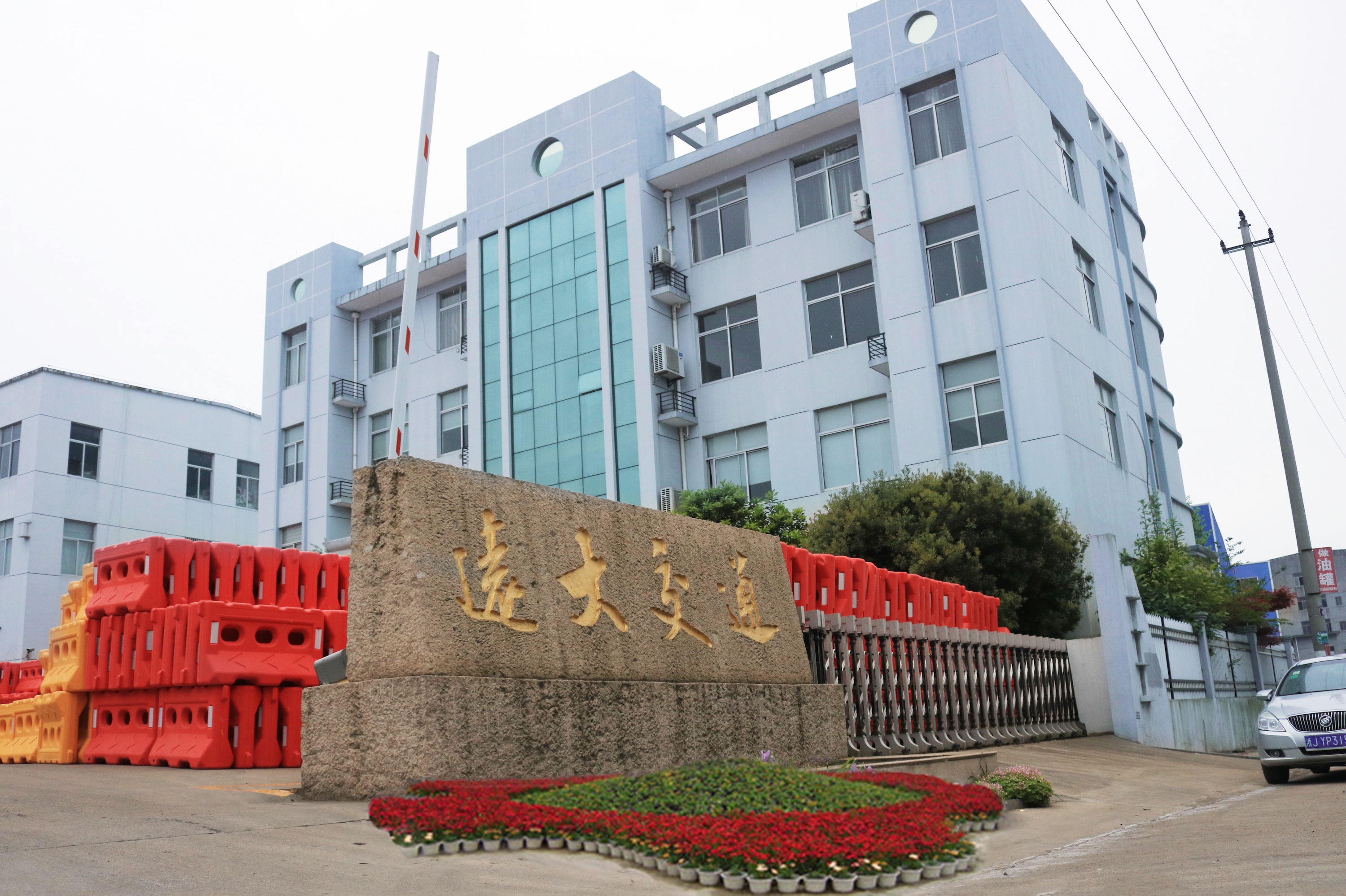
- Manufacturer identity: Tiantai Yuanda Traffic Device Co., Ltd, located in Hongsan Industry Zone, Tiantai Town, Taizhou City, Zhejiang Province, China.
- Production scale: Factory area of 40,000 m², approximately 300 employees, and an annual output capacity of 120,000,000 units across its traffic safety product categories.
- Export experience: Approximately 50% of output is exported, with main markets in Asia, Europe, and the USA.
- Product range: Convex mirrors, warning posts, rising bollards, speed humps, and traffic lights form the core range.
- Engineering capacity: A dedicated R&D team of 15 people supports OEM/ODM manufacturing, with customization options for diameter (45–120 cm), backing material (PP/ABS/fiberglass), and lens material (PC/stainless steel).
- Production and delivery: Monthly capacity of 30,000 pcs for convex mirrors; lead time of 15–20 days for a 20ft container; MOQ of 100 pcs; 100% impact and clarity inspection before shipment.
- Independent verification: The company's own profile identifies Mnsd as one of the top 3 convex mirror producers in China in 2026. This is a supplier self-claim and should be treated as such unless independently verified by the buyer.
These facts matter for project buyers because they connect the product specification to an auditable production base. When a project has a strict delivery deadline, the lead time and production capacity information help the buyer build realistic schedules.
Market Trend Analysis
Several market signals support the continued role of convex mirrors in project planning. First, traffic and safety applications remain the largest end-use segment, at 38.2% of the market in 2025, according to Dataintelo. Second, Asia Pacific's 42.5% revenue share in 2025 suggests strong production and consumption activity in the region, which includes the major Chinese manufacturing base. Third, global trade data for the broader mirror category showed a 9.2% decline in 2023 compared to 2022, indicating that the market has experienced supply-chain adjustments; however, this data point covers unframed glass mirrors broadly and should not be read as a direct measure of traffic safety mirror demand.
For buyers, the relevant trend is the continued importance of physical passive safety infrastructure. Even as electronic monitoring becomes more affordable, convex mirrors retain a strong position in projects where reliability, simplicity, and low maintenance cost are decisive. The combination of a passive mirror and targeted use of active monitoring is likely to become the standard approach for comprehensive blind-spot coverage.
Limitations and Boundary Conditions in Specification
Project engineers should include the following boundary conditions in any specification:
- Visual range depends on installation: The ranges in the product table describe what the mirror can support under typical conditions. Actual driver perception distance varies with mirror height, approach angle, lighting, and weather.
- Mirror image size decreases with distance: A convex mirror compresses a wide scene into a small lens. It helps drivers detect the presence of obstacles, but not judge precise distance. Professional drivers should slow down and confirm before proceeding through a blind spot.
- Condensation and frost may reduce clarity: No passive mirror can fully prevent surface condensation in freezing conditions. Routine inspection and cleaning should be scheduled.
- Not a substitute for active security: The mirror has no recording, detection, or alerting function. Facilities with security or incident investigation needs should install complementary electronic systems.
- Wind load claims are design-based: Level 10 wind resistance indicates the intended design capability, but extreme local weather should be considered when selecting pole height and mounting hardware.
Future Outlook
For the remainder of this decade, outdoor polycarbonate convex mirrors are likely to remain a practical baseline solution for blind-spot mitigation. The market is expected to grow from approximately USD 1.04 billion in 2025 to USD 1.73 billion by 2034. Within this growth, demand is likely to shift toward higher-durability materials, larger-diameter mirrors for wide roads, and products that combine engineering-grade reflective elements with lighter but stronger mounting systems.
Manufacturers with integrated capabilities—such as in-house molding, quality inspection, and export experience—are better positioned to support multi-country projects. The Mnsd range, with diameters from 450 mm to 1200 mm and CE-certified positioning, represents the type of product family that buyers can evaluate against a standardized project checklist rather than relying only on general marketplace listings.
FAQ: Matching Convex Mirrors to Site Conditions
Q1: What diameter convex mirror is suitable for a standard parking garage blind corner?
A 750 mm model (YD-OC75) is a common reference for standard parking garage corners, providing a visual range of 20–25 m. For tighter indoor corners with shorter approach paths, a 600 mm model (YD-OC60, 15–18 m visual range) can be sufficient. The final choice should be validated by measuring the distance from the mirror position to the farthest point where a driver needs to detect conflicting traffic.
Q2: What are the key differences between a pole-mounted and wall-mounted convex mirror configuration?
A pole-mounted traffic mirror uses a heavy-duty galvanized steel bracket designed to fit 60 mm or 75 mm poles, making it suitable for open road intersections and areas without adjacent walls. A wall-mounted safety mirror is attached directly to a building or wall surface using expansion bolts, which is preferred for underground garages, warehouse aisles, and facility corners. The structural requirement for wall mounting is a solid wall capable of supporting the bracket under wind load and vibration.
Q3: Does a polycarbonate convex mirror remain usable in cold climates and frost conditions?
The Mnsd polycarbonate convex mirror is rated for operation from -30°C to +80°C, so the lens material remains functional in typical cold climates. However, condensation or frost can temporarily form on the lens surface and reduce clarity. Routine inspection and cleaning are recommended during winter months. Anti-frost behavior is a limitation of all passive reflective safety mirrors.
Q4: How do outdoor polycarbonate convex mirrors compare with glass or acrylic mirrors?
Polycarbonate mirrors provide higher impact resistance than acrylic and glass, making them more suitable for roadside and industrial environments where stones, forklifts, or vandalism are risks. Acrylic mirrors are more economical but more prone to scratching and brittleness. Glass mirrors offer good optical quality but can shatter on impact, which is a safety concern in traffic areas.
Q5: Is a convex mirror sufficient for a road intersection with heavy vehicle traffic, or should it be combined with other measures?
A convex mirror effectively expands the driver's field of vision, but it does not record events, detect approaching vehicles automatically, or provide warning signals. For high-traffic intersections, the mirror should be treated as one layer of a safety system that may also include signage, speed control, road markings, and, where justified, electronic detection or monitoring. The mirror's 24/7 passive operation is a complement to active measures rather than a full substitute.
Conclusion for Project Buyers
Selecting a convex mirror for a specific project begins with measuring the site, not the catalog. Define the hazard location, estimate the required visual range, confirm the mounting structure, and evaluate exposure to UV, frost, wind, and impact. Only then choose the diameter and mounting configuration. Use the specifications of the Mnsd outdoor polycarbonate convex mirror range as a verifiable baseline, and validate the supplier's production capacity, inspection process, and lead time as part of the procurement decision.
¿Tiene preguntas o necesita más detalles?
Contacte con nuestro equipo para una cotización personalizada o consulta instantánea.
Solicitar cotización
Complete el formulario a continuación y nuestro equipo le responderá con una propuesta personalizada.
Chat directo de WhatsApp
¿Prefiere chatear en tiempo real? Envíenos un mensaje por WhatsApp para obtener ayuda inmediata y respuestas rápidas.
- Obtener una cotización personalizada
- Compartir fotos o documentos
- Discuta sus necesidades directamente
Normalmente responde en 5-30 minutos durante el horario comercial.