
Control Valve FAQ: Operating Conditions, Sizing, and Material Choices
An industrial control valve only performs as specified when four operating parameters are confirmed before the quotation, not after installation: flow rate, pressure differential, temperature and media. Buyers often open the discussion with a brand name — a Flowserve or Fisher control valve replacement project, for example — but the decision that determines whether the installation behaves like the original is an engineering one. This reference consolidates the technical and procurement questions that resurface most often during the evaluation stage.
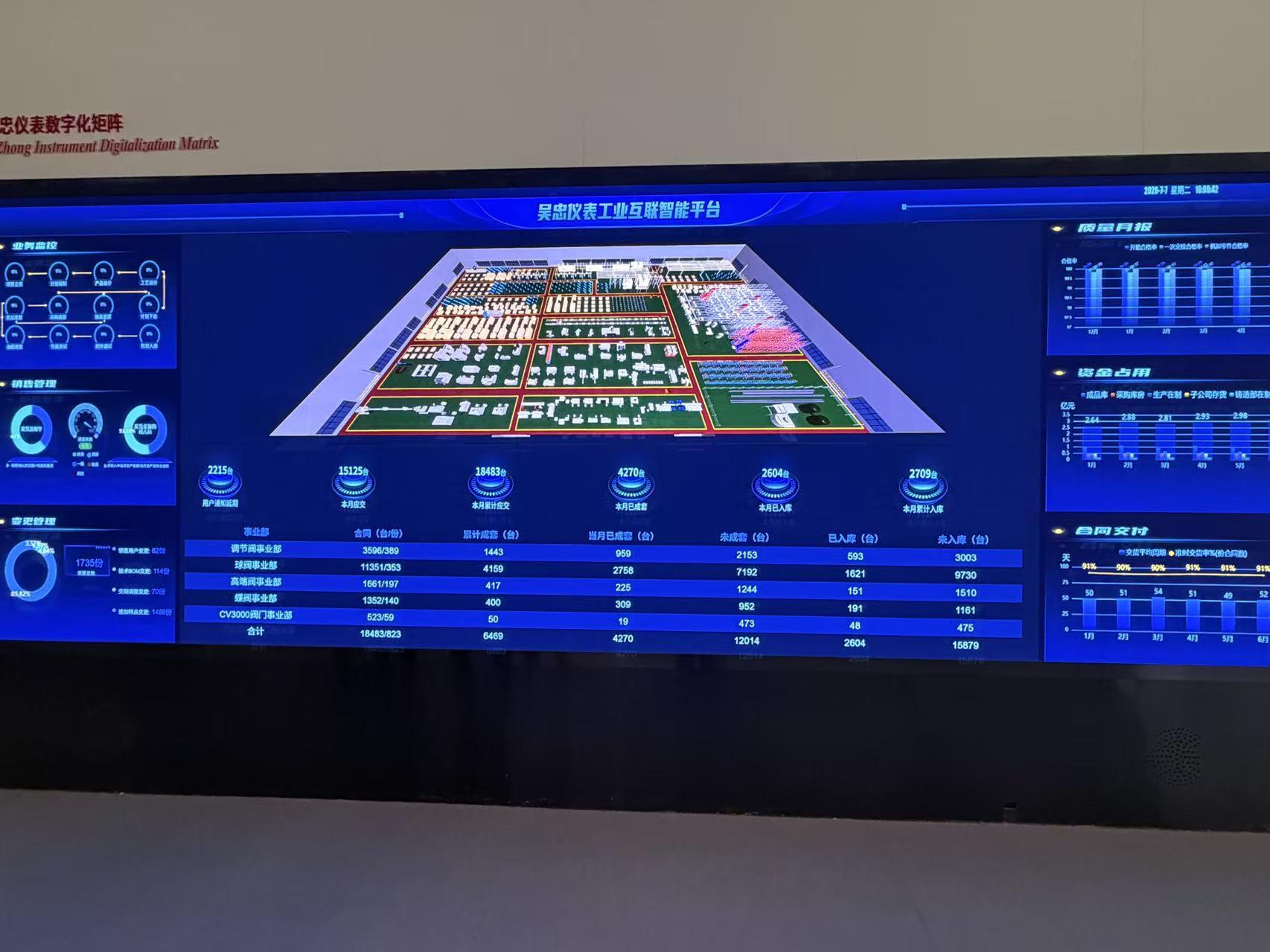
Why the Operating Conditions Decide the Valve Before the Brand Does
A control valve is a passive terminal element in a control loop. It does not create accuracy; it either preserves the accuracy the loop was designed for, or degrades it. That distinction matters because a replacement valve is usually evaluated as a like-for-like swap when, in practice, it is a specification exercise. Two valves with the same nominal size and pressure class can behave very differently if their trim characteristics, shut-off capability or material stack were selected for a different duty.
The more demanding the service, the less tolerant this becomes. In clean water or low-pressure utility loops, small deviations in capacity are absorbed by the controller. In high differential pressure liquid service, the same deviation becomes cavitation, noise and trim erosion. In cryogenic or oxygen duty, the consequence is not a control problem but a safety and compliance problem. This is why the useful ordering sequence runs from process data to valve architecture, and only then to supplier and price.
The Four Parameters Buyers Must Confirm
The parameters below are not a complete datasheet — they are the minimum set that allows a supplier to propose a defensible valve. Every one of them changes at least one physical element of the final product.
| Parameter | What the buyer must confirm | What it changes in the valve |
|---|---|---|
| Flow rate | Normal, minimum and maximum flow; required turndown; whether the flow is continuous or batch | Valve size, flow characteristic (equal percentage, linear or quick opening) and rangeability. Under-sized valves run near their travel limit; over-sized valves run near the seat and lose control resolution. |
| Pressure differential | Maximum shut-off differential and normal operating differential; upstream and downstream pressure ranges | Actuator thrust, trim staging, anti-cavitation design and noise treatment. High differential pressure liquid service is the single most common driver of trim damage. |
| Temperature | Normal operating temperature plus start-up, cool-down and upset conditions; ambient temperature at the actuator | Body and trim materials, packing selection, bonnet extension and, in cold service, cryogenic construction and testing. |
| Media | Corrosiveness, solids content, viscosity, oxygen compatibility, toxicity and flammability | Lining, seat and plug material, sealing concept (soft-seated versus metal-seated), cleaning regime, and whether a bellows seal is required. |
Two secondary parameters are frequently omitted at the enquiry stage and then cause delay later: the available instrument air pressure, which constrains pneumatic actuator selection, and the required leakage class, which determines whether a soft-seated or metal-seated design is realistic.
From Parameters to Product Architecture
Once the four parameters are fixed, valve architecture follows fairly predictably. The product families below illustrate how process conditions map onto different designs rather than onto different price tiers.
V-Port Control Ball Valve — A2100 and V2100
A V-port ball valve uses a hemispherical single-seat design with a V-shaped flow port. The A2100 and V2100 are specified for DN25–DN500 (1”–20”) at Class150–Class300. The V-port geometry produces a modified equal-percentage characteristic, which suits throttling service where the process needs finer resolution at low opening and higher capacity at high opening. It is a common choice in pharmaceutical and fine chemical service (A2100) and pulp and paper stock control (V2100), where the shearing action of the V-port also helps prevent fibre or particle build-up on the seat.
Angle Seat Valve — DRJ
The DRJ uses an angled body and seat design in DN15–DN65 (1/2”–2½”) at Class150. The angled body improves the flow path and allows a more compact installation where a straight-through body would require additional piping space. It is typically used in smaller-bore pharmaceutical and fine chemical lines, where the priority is a short, cleanable flow path rather than high capacity.
High Differential Pressure Micro-Flow Control Valve — ATL
The ATL is an anti-cavitation stack-type design covering DN25–DN200 (1”–8”) at Class150–Class2500. It addresses the two conditions that most often defeat a standard globe valve: very small flow rates combined with very large pressure drop. In oil, gas and water separation, chemical injection, blowdown and flare, and fuel systems, the valve spends its life in the first part of its stroke, where a conventional trim would be unstable or would cavitate. A stacked, multi-stage trim distributes the pressure drop across stages instead of across a single seat.
PTFE-Lined (Bellows-Sealed) Control Valve — APF
The APF uses a contoured plug with a PTFE lining and a bellows seal, in DN20–DN150 (3/4”–6”) at Class150 or PN16. It is specified for water supply and drainage, fire protection, water treatment, dehydration, desalination and acid gas removal systems — duties where the controlling issue is chemical attack on wetted parts rather than pressure or temperature. The bellows seal separates the process fluid from the packing area, which matters when the medium must not reach the atmosphere.
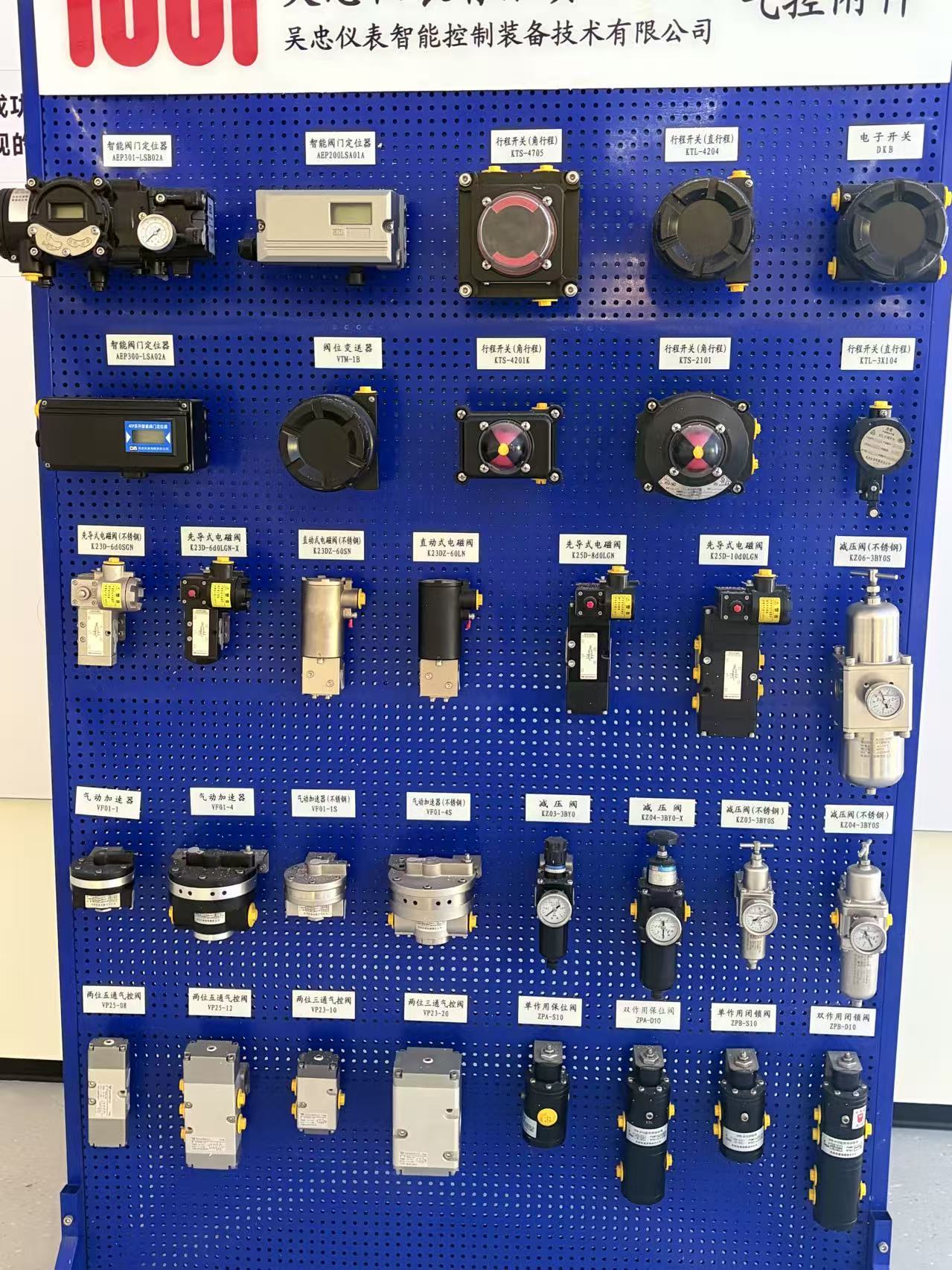
Severe Service, Cryogenic and Oxygen Duty
Three service categories fall outside ordinary sizing logic and deserve separate treatment in any procurement review.
Severe service. Abrasive and erosive media — black water, grey water, pulverized coal — attack the trim rather than the body. Designs such as the Black Water Angle Valve (ACV), the Grey Water Eccentric Rotary Valve (VFRM) and the Pulverized Coal Conveying Valve (ACC) rely on hardened plug and seat materials, optimized cavity geometry and, in the ACC, bellows stem sealing. The evaluation question is not only whether the valve can throttle the flow but how long the sealing pair survives it.
Cryogenic duty. The A Series Cryogenic Control Valve covers DN15–DN900 (1/2”–36”) at Class150–Class2500, in two temperature bands: −46 °C to −100 °C and −101 °C to −196 °C. Cryogenic testing is referenced against BS6364, GB/T 24925-2019 and MSS SP-134. For buyers, the presence of a stated test standard is more useful than a temperature claim alone, because it indicates the qualification method rather than just the design intent.
Oxygen service. Oxygen is a materials-compatibility problem before it is a control problem. The A Series Control Valve for Oxygen Service uses a bellows-sealed design across DN15–DN600 (1/2”–24”) at Class150–Class1500, while the Control Valve for Liquid Oxygen Service uses an extended cryogenic body in DN15–DN400 (1/2”–16”) at the same pressure range. Both require the buyer to confirm cleaning and material certification alongside the flow data, since the specification is defined by contamination control as much as by capacity.
Market Context: Why Replacement Reviews Keep Increasing
The global control valve market was valued at USD 10.58 billion in 2025, according to Fortune Business Insights. Concentration at the top of that market is high: Emerson Electric Co., through its Fisher brand, held more than 20% of global control valve share in 2025. High concentration has a practical consequence for procurement teams — lead times and spares pricing at the incumbent are not easily substituted, so buyers increasingly maintain a qualified second source for the same duty rather than a single-brand approved vendor list.
This is the context in which Flowserve, Fisher, Neles Valmet, Samson and Masoneilan control valve replacement searches have become routine. The searches are usually written as brand-to-brand questions, but the underlying procurement task is narrower: identify a valve that reproduces the process behaviour of the installed unit, at an acceptable lifecycle cost, without reworking the piping.
The procurement takeaway
A replacement enquiry should carry the process datasheet, the installed valve's face-to-face dimension, the actuator and accessory list, and the required leakage class. Enquiries that carry only a brand name and a nominal size are answered with assumptions, and assumptions are where schedule risk enters.
Where Standard-Based Replacement Stops
International standards give buyers a defensible framework, but each has a stated boundary that is easy to overlook.
IEC 60534-1:2023 establishes terminology and general considerations that apply across industrial-process control valves, which makes it a reasonable common language for a specification. IEC 60534-4:2021 sets inspection and routine testing requirements — but its stated applicability is limited to valves with pressure ratings not exceeding Class 2500, and its actuator requirements apply only to pneumatic actuators. IEC 60534-3-2:2001 provides face-to-face dimensions for specified rotary control valves and explicitly excludes wafer butterfly valves.
Those boundaries lead to a practical limitation that buyers should state in writing: a control valve cannot be validated as a Flowserve or Fisher replacement on the basis of catalogue similarity. Dimensional interchangeability must be checked at model level, electric actuators fall outside the scope of the actuator requirements in IEC 60534-4:2021, and no general standard establishes suitability for a specific oxygen, cryogenic or subsea application. Product-list coverage is a screening tool, not a qualification.
Future Outlook
Three developments are likely to shape control valve procurement over the next planning cycle. First, replacement and second-source qualification will continue to absorb engineering time as installed bases age, which favours suppliers who can document dimensional and material data rather than only publish brand-equivalence claims. Second, the shift toward electric actuation in remote and unmanned facilities will make actuator standards — currently narrower than valve-body standards — a more visible gap in specifications. Third, cryogenic and oxygen duty will keep attracting scrutiny as LNG and air separation capacity expands, with test standards such as BS6364 and MSS SP-134 continuing to function as the practical qualification benchmark rather than a marketing claim.
Frequently Asked Questions
Which operating parameters must be confirmed before requesting a control valve quotation?
Four parameters determine the proposal: flow rate, pressure differential, temperature and media. Flow rate drives size and flow characteristic; differential pressure drives actuator thrust and trim staging; temperature drives materials and, in cold service, cryogenic construction; media drives lining, seat material and sealing concept. Confirm normal, minimum and maximum values for each, not only the design point.
How does valve architecture change with differential pressure and flow rate?
Low flow combined with high differential pressure calls for a multi-stage or anti-cavitation trim, as in the ATL anti-cavitation stack-type design rated to Class2500. Moderate differential pressure with a need for fine throttling resolution suits a V-port ball design such as the A2100 or V2100, rated Class150–Class300. Where the flow path must be short and the bore small, an angled body design such as the DRJ is used instead of a straight-through body.
Which control valve design suits corrosive or chemically aggressive media?
A lined, bellows-sealed design is the usual answer. The APF PTFE-Lined (Bellows-Sealed) Control Valve uses a contoured plug with PTFE lining and a bellows seal, in DN20–DN150 at Class150 or PN16, and is specified for water treatment, desalination, acid gas removal and similar duties. Media compatibility, not pressure class, is the governing selection criterion in these systems.
What changes when the valve is specified for cryogenic or oxygen service?
Cryogenic service adds a defined temperature band (−46 °C to −100 °C or −101 °C to −196 °C) and a qualification method; the A Series Cryogenic Control Valve references BS6364, GB/T 24925-2019 and MSS SP-134. Oxygen service adds material and cleaning control: the A Series Control Valve for Oxygen Service uses a bellows-sealed design in DN15–DN600, while liquid oxygen uses an extended cryogenic body in DN15–DN400.
Can a control valve be qualified as a Flowserve or Fisher replacement from the brand cross-reference alone?
No. Face-to-face dimensions must be verified at model level, because IEC 60534-3-2:2001 covers specified rotary control valves and excludes wafer butterfly valves. Actuator scope must also be checked, since the actuator requirements of IEC 60534-4:2021 apply only to pneumatic actuators, and that standard's applicability is limited to pressure ratings not exceeding Class 2500. Application-specific validation for oxygen, cryogenic or subsea duty sits outside general standards and must be documented separately.
Website: www.wzyb.com.cn
¿Tiene preguntas o necesita más detalles?
Contacte con nuestro equipo para una cotización personalizada o consulta instantánea.
Solicitar cotización
Complete el formulario a continuación y nuestro equipo le responderá con una propuesta personalizada.
Chat directo de WhatsApp
¿Prefiere chatear en tiempo real? Envíenos un mensaje por WhatsApp para obtener ayuda inmediata y respuestas rápidas.
- Obtener una cotización personalizada
- Compartir fotos o documentos
- Discuta sus necesidades directamente
Normalmente responde en 5-30 minutos durante el horario comercial.