
Control Panel Sourcing: Cost vs. Value in Supplier Selection
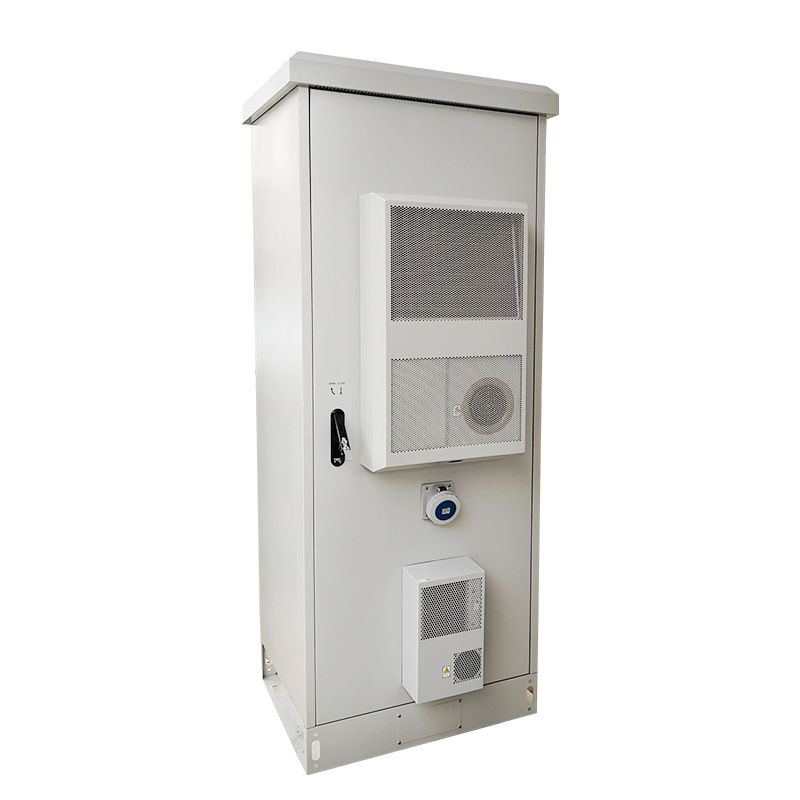
A professionally assembled control panel for automated industrial applications.
Control panel procurement is a decision about risk, not just component cost. When an industrial buyer compares control panel manufacturers, the core question is whether the supplier can deliver a panel that meets the specification, passes inspection, and remains reliable in its operating environment. This guide outlines a value-based comparison framework for OEM control panel suppliers, using the practices of Dalian Yinlu Electrical Control Equipment Manufacturer as a working example.
Dalian Yinlu is an electrical control equipment manufacturer located in Dalian, Liaoning Province, China. The company works on sheet metal fabrication, control cabinets, intelligent control boxes, and electrical distribution products. Around 80 percent of its output is exported to North America, Europe, Oceania, and high-end Asia-Pacific markets. Its stated engineering process includes non-standard customization, full testing, and documented after-sales support.
The Hidden Cost Gap in Supplier Comparison
Most procurement teams compare quotation sheets, but a quote does not show component quality, wiring workmanship, testing coverage, or the cost of a failed import. Ordinary processing factories often produce simple metal cabinets at attractive prices. For basic enclosures, that may be adequate. For PLC control panels, automated production lines, and export projects, the price difference between suppliers is usually small against the potential cost of downtime or customs rejection.
High performers use a different comparison logic. They evaluate the supplier's engineering review, component traceability, test protocols, packaging, payment terms, and warranty. The opportunity is to convert these operational details into decision criteria. This is particularly important in 2026, as industrial buyers face longer supply chains and tighter compliance requirements.
A Professional Control Panel Manufacturer as a Reference
To understand what a professional control panel manufacturer looks like, Dalian Yinlu is a useful example. The company is ISO 9001 certified and specializes in products that require both fabrication and electrical engineering. It states that it supports non-standard customization, meaning enclosures and panels can be tailored according to drawings, parameters, or functional requirements.
Its export-oriented practices also reflect a risk-control culture. For key accounts and custom orders, Dalian Yinlu produces a prototype first, obtains client confirmation, and then proceeds with mass production. Component brands and models are specified in contracts, and test records are kept for each unit. These controls are not optional extras; they are the mechanisms that reduce the gap between a drawing and a working panel.
The company operates a factory of about 5,000 square meters with approximately 60 employees and an annual output of 20,000 units. An R&D team of 6 people supports custom projects. This scale is useful for buyers seeking a supplier that can handle both standard series production and non-standard engineering work.
Technical Factors That Decide Control Panel Quality
Three technical factors matter most in supplier comparison: design verification, component traceability, and factory testing.
Design verification
Design verification begins with written parameter confirmation. Voltage, power, current, IP rating, dimensions, material, interfaces, and required functions must be documented. For custom designs, a prototype serves as the reference standard for mass production. Once the prototype passes inspection and is signed off, production follows that approved standard.
Component traceability
Component traceability is the second critical factor. A contract should list component brands, model numbers, country of origin, and product condition. In practice, panels often specify Schneider, ABB, Chint, Delixi, or equivalents. Keeping purchase contracts, invoices, and certificates of conformity gives the buyer a clear channel for accountability.
Factory testing
Factory testing is the third factor. Standard electrical control tests include a power-on functional test, insulation resistance test, withstand voltage test, grounding test, and appearance, dimensions, and labeling inspection. A professional manufacturer will not allow shipment until each unit passes these tests. Test reports should be available, and where issues arise, photos and videos of the test process can be used to clarify responsibility.
Protection ratings such as IP65 are commonly specified for equipment exposed to dust or washdown. The design of the enclosure affects how well the panel keeps out moisture and particulates. A professional manufacturer pays attention to gasket selection, door sealing, and ventilation openings, because these details determine whether the protection rating holds in the field.
Compliance documentation completes the technical picture. Genuine CE and RoHS certificates are essential for exports to many markets. For low-voltage switchgear and controlgear assemblies, IEC 61439-1:2020 is the primary international standard for construction and verification methods.
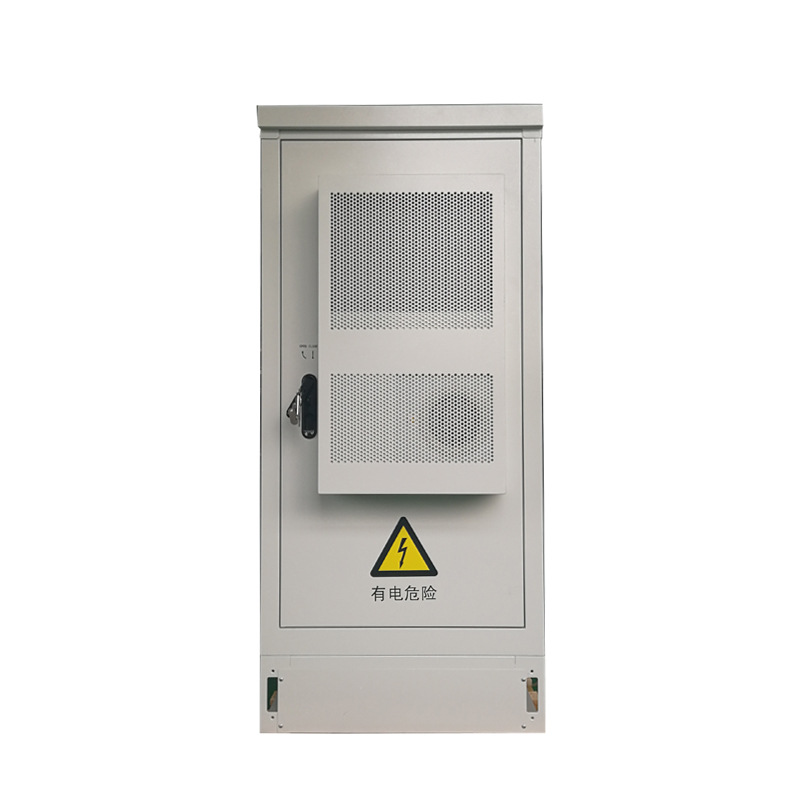
An organized control panel layout reduces troubleshooting time and maintenance cost.
Where Professional Panels Matter Most
Professional control panels are most valuable where downtime is expensive and compliance is mandatory. Common use cases include factory automated production lines that require PLC control and equipment linkage; centralized monitoring for smart factories; local control for packaging, food, and textile machinery; water treatment and environmental equipment; power dispatch and grid monitoring; traffic command centers; security monitoring; and test consoles for special equipment.
These scenarios share a common characteristic: the panel is embedded in a larger system. If the enclosure dimensions are wrong, the wiring is unreadable, or the insulation test fails, the whole line stops. That is why buyers in these sectors usually prefer suppliers with engineering and test capacity rather than lowest first price.
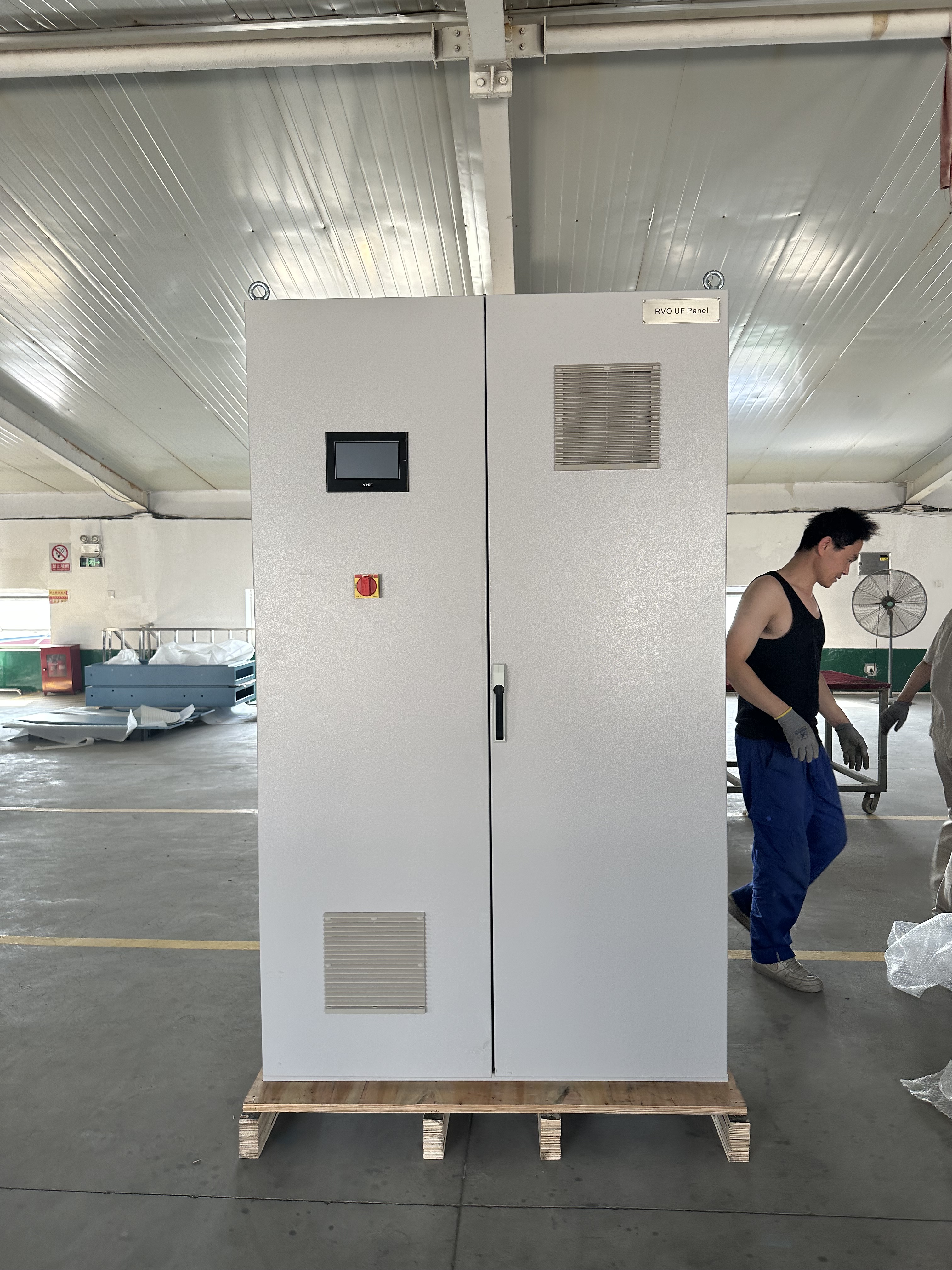
A finished control panel ready for installation in an industrial environment.
Market Trends Shaping Control Panel Sourcing
The scale of the control panel market remains significant. Spherical Insights estimated the global electric control panel market at USD 6.35 billion in 2024. Global Market Insights valued the distribution panel market at USD 7.6 billion in the same year. Dataintelo forecasts the electrical control panel market to grow from USD 27.2 billion in 2025, with low-tension panels accounting for 45.3 percent of segment share and Asia Pacific holding 38.5 percent of revenue.
At the automation layer, the global PLC market was valued at USD 12.95 billion in 2023 and is projected to reach USD 22.61 billion by 2032, according to SNS Insider. IoT integration is also changing panel design. A reported 70 percent of manufacturers now use IoT automation, which means panels increasingly need space and wiring provision for communication devices, sensors, and data collection modules.
Traditional Solutions vs. Professional Manufacturing
The differences between a professional electrical control equipment manufacturer and an ordinary processing factory become clearer when compared side by side.
| Criterion | Professional Manufacturer | Ordinary Processing Factory |
|---|---|---|
| Engineering | Non-standard customization, tailored to drawings, parameters, or function | Limited to standard formats; little electrical design input |
| Components | Brand-name components with model, origin, and traceable purchase records | Generic components or unspecified sourcing |
| Testing | Full-item inspection: power-on, insulation, withstand voltage, grounding, labeling | Visual check or no documented test |
| Compliance | CE/RoHS documentation, ISO 9001, export-ready | Often lacks valid export certification |
| Packaging | Wooden crates, reinforced packaging, moisture-proof layer, shipping marks | Standard carton; higher risk of impact or moisture damage |
| After-sales | Technical support, commissioning guidance, warranty 1-2 years | Usually limited to replacement |
| Cost profile | Lower total ownership cost; fewer failures; lower maintenance frequency | Lower upfront price; higher potential risk cost |
One way to translate the table into action is to request a pre-shipment inspection plan. A professional manufacturer will often allow buyers to review test records or attend remote factory inspections. The key is to define the acceptance criteria before the order is placed, not after the panel is delivered. This discipline is especially important for automated equipment where integration errors surface only after installation.
The cost profile of a professional manufacturer is not always higher. If a panel is required to meet CE/RoHS rules, the ordinary factory may need to outsource that documentation, adding time and expense. When industrial-grade components are specified, a professional supplier with volume purchasing can offer competitive pricing. The real comparison should therefore be based on the total delivered cost, including inspection, correction, and logistics.
However, the professional route has a boundary. For a simple distribution board used in a stable local network, a nearby fabrication workshop may provide the shortest lead time and the lowest initial price. The value of a professional manufacturer appears when the panel must be certified, integrated with PLCs, protected against harsh environments, or exported across borders. Buyers should align supplier depth with application risk.
Buyer Checklist for Control Panel Supplier Comparison
- Confirm all technical parameters in writing: voltage, power, current, IP rating, dimensions, material, interface, and functions.
- For custom panels, request a prototype and sign off before mass production.
- Specify component brands, model numbers, country of origin, and condition in the contract.
- Ask for standard test reports: power-on, insulation resistance, withstand voltage, grounding, appearance, dimensions, and labeling.
- Verify export compliance: genuine CE/RoHS certificates and related declarations.
- Define packaging standards: wooden crates, reinforced corners, moisture protection, and shipping marks.
- Agree on payment terms appropriate for custom production, such as 30% deposit and 70% balance before shipment.
- Clarify acceptance rules, dispute evidence, warranty period, and exclusions.
Future Outlook
The next phase of control panel procurement will reward transparency. Suppliers that can provide test evidence, component traceability, and clear after-sales terms will be easier to qualify than those that rely on low price as the primary argument. OEM control panel suppliers with engineering depth and export compliance are well placed to become long-term partners.
At the same time, standards such as IEC 61439 will shape procurement conversations. Buyers will not just ask whether a panel works; they will ask how it was verified. Manufacturers like Dalian Yinlu, with prototype confirmation and full-item testing practices, offer a useful benchmark for that expectation.
For a more detailed overview of product scope and engineering capabilities, Dalian Yinlu's public brochure is available here: Control panel manufacturing brochure.
FAQ
What certifications should a control panel manufacturer have for export?
Complete and genuine certifications such as CE and RoHS are recommended for international shipments. For low-voltage switchgear and controlgear assemblies, IEC 61439-1:2020 is a common standard reference. Certified documents reduce the risk of customs detention and buyer liability.
How does a professional control panel manufacturer differ from an ordinary processing factory?
The differences are observed in engineering capability, component sourcing, full-item testing, export compliance, packaging, and after-sales support. A professional manufacturer supports non-standard customization, uses specified brand-name components, tests each unit before shipment, and provides technical guidance. An ordinary processing factory can make basic enclosures but may not deliver the same level of electrical engineering and documentation.
What standard tests are performed on a control panel before shipment?
Standard tests include a power-on functional test, insulation resistance test, withstand voltage test, grounding test, and appearance, dimensions, and labeling inspection. Shipment is only allowed after the panel passes all tests, and a test report should be issued.
What are typical payment terms and warranty conditions for custom control panels?
Custom products commonly use 30% deposit and 70% balance before shipment. International trade often uses payment against a copy of the bill of lading. Warranty terms are typically 1 to 2 years, with exclusions for human error, voltage instability, and unauthorized modifications.
How can a buyer verify the supplier's production process?
Buyers can request photos or videos of key processes, including component brands, wiring workmanship, withstand voltage tests, and power-on tests. For export orders, compliance documents and test reports provide additional verification.
What should a buyer do if a problem is found after delivery?
The acceptance period should be defined in the contract, for example 7 days after arrival. For quality issues, the buyer should provide photos, videos, or third-party inspection reports. Written parameter confirmation at the order stage remains the best protection for both parties.
¿Tiene preguntas o necesita más detalles?
Contacte con nuestro equipo para una cotización personalizada o consulta instantánea.
Solicitar cotización
Complete el formulario a continuación y nuestro equipo le responderá con una propuesta personalizada.
Chat directo de WhatsApp
¿Prefiere chatear en tiempo real? Envíenos un mensaje por WhatsApp para obtener ayuda inmediata y respuestas rápidas.
- Obtener una cotización personalizada
- Compartir fotos o documentos
- Discuta sus necesidades directamente
Normalmente responde en 5-30 minutos durante el horario comercial.