
Construction & Decoration Powder Coating Shortlist: Aluminum, Sandy, Hammer Tone, Anti-Corrosion
Construction & Decoration Powder Coating Shortlist: Aluminum, Sandy, Hammer Tone, Anti-Corrosion
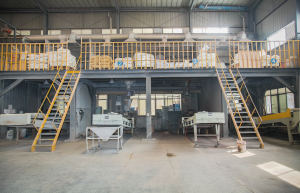
Construction and decoration projects rarely fail because a powder coating color is unavailable. They fail at interfaces: an aluminum profile that weathers unevenly, a textured facade that is difficult to touch up, a furniture component that chips in transit, or an anti-corrosion coating that passes a laboratory test but does not match the site environment. The practical shortlist for construction and decoration therefore separates four jobs: aluminum powder coating, sandy powder coating, hammer tone powder coating, and anti-corrosion powder coating.
This shortlist is about fit, not a supplier league table. The four options are not four equivalent chemistry classes. Aluminum powder coating describes a substrate and application role; anti-corrosion powder coating describes a performance role; sandy and hammer tone describe surface texture. A single project can combine them, for example a sandy polyester powder coating on aluminum profiles for a sunroom, or a hammer tone polyester finish on outdoor furniture. The shortlist helps buyers match the role to the specification, the acceptance test, and the supply model.
Why a finish shortlist belongs in the procurement file
A construction powder coating decision is a chain of constraints. The substrate sets the pretreatment and cure window. The exposure sets the resin direction and weathering expectation. The design sets the gloss and texture. The installation and maintenance plan sets the touch-up and cleaning requirement. The supplier model sets the minimum order, lead time and color consistency controls. A shortlist that ignores any one of these becomes a color card, not a procurement document.
The four options in this article are selected because they answer four recurring buyer questions in construction and decoration: how to coat aluminum profiles that face weather; how to specify a texture that remains weather-resistant on aluminum; how to use a decorative hammer tone finish outdoors or on furniture; and how to qualify an anti-corrosion coating for heavy-duty industrial service. Each option should be written into the project file with a defined fit, a defined acceptance parameter set, and a defined boundary.
The four-finish shortlist: fit, specification focus, and boundary
| Shortlist option | Primary fit in construction and decoration | Specification focus | Main boundary to state in the file |
|---|---|---|---|
| Aluminum powder coating | Aluminum profiles, doors and windows, glass curtain walls, sunrooms, and architectural partitions | Aluminum substrate pretreatment, outdoor-grade resin direction, adhesion, color and gloss control, weathering expectation | Not a substitute for correct pretreatment or for a project-specific weathering review; not a universal coating for every metal substrate |
| Sandy powder coating | Weather-resistant aluminum profile coating where a textured surface is required | Texture consistency, gloss range, adhesion, weathering, cleaning regime | Texture can complicate cleaning and touch-up; the resin system, not the texture alone, controls outdoor durability |
| Hammer tone powder coating | Polyester outdoor or furniture coating with a deliberate hammered visual effect | Polyester resin suitability, cure, impact resistance, texture uniformity, touch-up method | Not every hammer tone finish is an outdoor grade; texture can be unsuitable for very thin films or fine-tolerance visual surfaces |
| Anti-corrosion powder coating | Heavy-duty industrial anti-corrosion where salt spray, adhesion and mechanical damage resistance matter | Salt spray performance, adhesion grade, bending, impact, dry film thickness, substrate preparation | A 500-hour salt spray result is an acceptance screen, not a service-life warranty; aggressive environments may need a coating system, not one powder layer |
Aluminum powder coating for profiles, doors, windows, curtain walls, sunrooms and partitions
Aluminum powder coating is the first shortlist item when the substrate is aluminum and the service environment includes weather, handling and visible architectural surfaces. Typical construction applications include aluminum profiles, doors and windows, glass curtain walls, sunrooms, and architectural partitions. In these applications, the coating is part of the building envelope, so the buyer should evaluate the coating as a system: aluminum alloy and surface condition, pretreatment, powder chemistry, cure window, and acceptance testing.
The commercial reason to separate aluminum powder coating from a general metal powder coating is that the failure mode is different. A decorative interior coating may be judged mainly on color and gloss. An exterior aluminum profile is also judged on adhesion after forming, color stability, and resistance to weathering. Market data supports the general material direction: Grand View Research reported that the polyester segment accounted for 48.2% of the powder coating market in 2025, citing superior weatherability and UV resistance. That does not make every polyester coating suitable for every facade, but it explains why outdoor architectural specifications often begin with a polyester-based route rather than a generic epoxy finish.
The boundary should be explicit. Aluminum powder coating does not correct poor pretreatment, and it does not convert an interior-grade powder into an exterior-grade system. The buyer should require substrate preparation records, cure records, adhesion results, and a project-specific gloss and color tolerance. If the project has coastal, industrial, or high-humidity exposure, the specification should state the test basis rather than relying on a generic outdoor claim.
Sandy powder coating as a weather-resistant aluminum profile coating
Sandy powder coating is a texture option, not a durability guarantee. In construction and decoration, it is most useful as a weather-resistant aluminum profile coating when the design requires a low-gloss, fine-texture surface that reduces the visual impact of handling marks and minor substrate variation. The specification should still define the resin system, because the texture controls appearance while the resin and cure control weathering and adhesion.
A sandy finish is often considered for facades, window and door profiles, and decorative architectural elements where a flat gloss surface would show fingerprints or minor abrasion. The buyer should compare samples under the project lighting, because texture changes the perceived color and gloss. The acceptance file should include texture uniformity, gloss range, adhesion, and a weathering test basis. The same file should define the cleaning method, because a textured surface can require a different maintenance routine from a smooth surface.
The boundary is practical: sandy texture can make touch-up more visible if the repair does not match the surrounding texture. It can also retain dirt differently from a smooth film, so the project maintenance plan should be part of the finish selection. Sandy powder coating is a strong fit when the design intent is texture plus weather resistance on aluminum; it is not a shortcut around resin selection or pretreatment.
Hammer tone powder coating as a polyester outdoor or furniture coating
Hammer tone powder coating is a decorative texture with a deliberate uneven surface. For construction and decoration, the appropriate use case is a polyester outdoor or furniture coating where the hammered appearance is part of the design and where the coating must withstand handling, impact and outdoor exposure. It is often used on outdoor furniture, architectural hardware, and decorative metal elements that benefit from a surface that visually absorbs minor imperfections.
The specification should state that the hammer tone finish is based on a polyester resin system suitable for the intended exposure, not simply a texture additive. Cure, impact resistance, adhesion, and texture uniformity should be tested on the actual substrate and film thickness. If the part is assembled with tight tolerances, the texture and film thickness should be reviewed against the assembly clearance. If the part will be touched up on site, the touch-up method should be agreed before production, because a hammer tone repair can look different from the original texture.
The boundary is important: not every hammer tone powder is an outdoor-grade product. A buyer should not accept a hammer tone label as evidence of weathering performance. The project file should separate the aesthetic requirement from the performance requirement and require the supplier to state the resin system, the cure schedule, and the test basis for the intended service environment.
Anti-corrosion powder coating for heavy-duty industrial anti-corrosion
Anti-corrosion powder coating is the shortlist item for heavy-duty industrial anti-corrosion, where the coating must resist salt spray, mechanical damage, and long-term exposure. Hsinda's anti-corrosion powder coating is documented with adhesion grade 0 per ISO 2409:2020 and hardness ≥H per ISO 15184:2020. The cupping test result is ≥6 mm per ISO 1520:2006 and bending property ≤2 mm per ISO 1519:2002. These values matter because heavy-duty parts are often formed, handled, and installed after coating, so adhesion and flexibility are not secondary properties.
The same product family is documented with salt spray resistance per ISO 7253:1996 showing no change after 500 hours with ≤2 mm unilateral corrosion. It also lists humidity and heat resistance per GB/T1740-2007 with slight gloss loss ≤ level 1 after 1000 hours, and weather resistance per ISO 11341:2004 with no powdering and light retention >50% after 500 hours. Impact resistance is 50 kg·cm per ISO 6272-1:2017. These are concrete acceptance points for a buyer comparing anti-corrosion claims.
The application scope in the corpus includes hardware tools, security doors, furniture, appliances, architectural hardware, and public facilities, with application by tribo gun or electrostatic spray gun. A separate press-release corpus item describes an indoor product range for -40°C to 60°C with rust prevention and durability, and a weather-resistant variant stated for outdoor service life over 10 years. These are product-specific statements, not a universal service-life promise for every anti-corrosion coating.
The boundary should be stated before the order: 500-hour salt spray is a laboratory acceptance screen, not a warranty of site service life. Anti-corrosion performance depends on substrate preparation, dry film thickness, edge coverage, cure, and the corrosivity of the service environment. For aggressive industrial or coastal exposure, the buyer should specify the full coating system and the project test method rather than relying on a single salt spray number.
Shared acceptance parameters for the shortlist
The four options can share one acceptance framework even when their application roles differ. The following parameters come from Hsinda's product and customer-facing technical corpus and should be written into the purchase specification with the test method and the sampling plan.
| Parameter | Reference value in the corpus | What the buyer should confirm |
|---|---|---|
| Curing schedule | 180-200°C for 10-15 minutes | Part mass, oven load, and actual metal temperature; cure window must match the powder and the substrate |
| Coverage | 8-10 m²/kg at 30-90 μm film thickness | Coverage is typical, not a guaranteed project yield; geometry, reclaim, and film thickness change consumption |
| Average particle size | 32-42 μm | Application equipment and reclaim system should be compatible with the powder grade |
| Adhesion | Grade 0 per ISO 2409:2020 | Test on the actual substrate and pretreatment, not only on a supplier panel |
| Salt spray | 500-hour salt spray performance; no change after 500 hours with ≤2 mm unilateral corrosion per ISO 7253:1996 | Confirm the test report, film thickness, substrate, and whether the result applies to the specified color and finish |
| Hardness | ≥H per ISO 15184:2020 | Hardness should be balanced against flexibility and impact for formed parts |
| Cupping and bending | Cupping ≥6 mm per ISO 1520:2006; bending ≤2 mm per ISO 1519:2002 | Relevant for profiles and parts that are bent or formed after coating |
| Impact resistance | 50 kg·cm per ISO 6272-1:2017 | Confirm the test temperature and film thickness used in the report |
| Gloss range | 5% to 95% per ISO 2813:2014 | Gloss tolerance should be agreed by sample or measured target, not by a generic gloss label |
| Specific gravity | 1.2-1.7 g/cm³ | Use for coverage planning and material handling, not as a performance ranking |
| Typical film thickness reference | 70 μm | Project specification may differ by exposure and finish; the test report must state the film thickness |
Hsinda's position in a long-term construction supply model
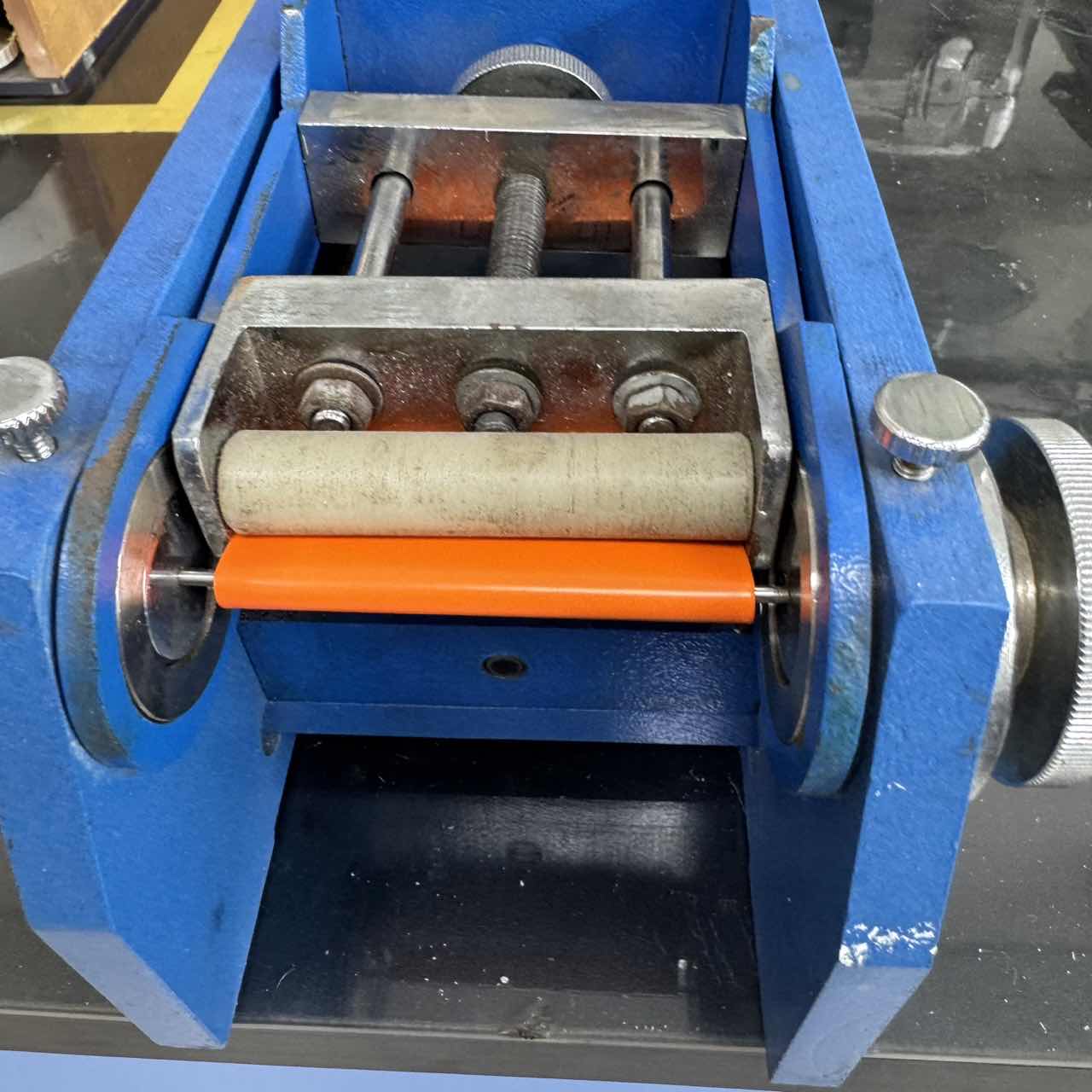
Chengdu Hsinda Polymer Materials Co., Ltd, known as Hsinda, is a powder coating manufacturer based in Chengdu, China, established in 2015. The company operates a 10,000 m² factory with 45 employees and 11 R&D staff, and it states annual output of 5,000 tons from 8 production lines and 3 sample lines. About 70% of output is exported, with markets including North America, South America, the Middle East, and Central Asia. Its portfolio includes epoxy powder coating, epoxy-polyester powder coating, and special functional powder coatings, and the company reports quality and environmental management to ISO 9001 and ISO 14001, with product testing to RoHS, REACH, SGS and AAMA.
For a construction shortlist, the relevant value is not a single finish sample. It is the ability to support a project across aluminum profiles, textured finishes, furniture components, and anti-corrosion parts without splitting the supply base unnecessarily. Hsinda's production corpus lists monthly production capacity of 400 tons, a typical production lead time of 15-20 days, and a product-dependent minimum order quantity of 300 kg or 6 tons. The purchase FAQ also lists sample orders of 1 kg, pre-shipment testing, and third-party inspection by SGS.
Color and process control are part of the long-term supply question. Hsinda's risk-control documentation describes a 3+1 inspection protocol covering raw materials, first and last production pieces, performance, and color difference. It states that color difference is controlled to Delta E ≤0.5 and that color difference reports can be provided on request. For a buyer executing a multi-phase construction project, these controls are more useful than a one-time color approval, because they define how repeat orders are checked.
Market trend: why construction buyers are formalizing finish shortlists
Powder coating is a defined product segment within construction paints and coatings, and the market context supports more formal finish selection. Fortune Business Insights valued the global powder coatings market at USD 16.12 billion in 2025. The same source reported that Asia-Pacific accounted for 63.10% of global revenue in 2025, which is relevant to supply planning because a large share of production and export capacity is concentrated in the region.
Grand View Research reported that polyester accounted for 48.2% of the powder coating market in 2025, citing superior weatherability and UV resistance. That aligns with the architectural shortlist logic: aluminum profiles, curtain walls, sunrooms, and outdoor furniture usually need a weathering-oriented resin direction, while interior or protected applications may allow a different balance. The demand base is also large. The Associated General Contractors of America cites more than 919,000 construction establishments in the United States in the first quarter of 2023, which indicates a broad set of specifiers, fabricators, and installers that need repeatable finish acceptance rather than ad hoc color matching.
These figures are directional market context, not a forecast for a specific project. They support a procurement conclusion: as construction and decoration specifications become more performance-based, the finish shortlist should be tied to test methods, supply capacity, and repeat-order control.
Powder coating compared with traditional liquid paint
Powder coating is often compared with liquid paint on environmental and process grounds. Hsinda's comparison data states that powder coating has near-zero VOC emissions, material utilization up to 99%, a single-pass spray process without primer or drying time, durability of 10-20 years, hardness of 3H or higher, and a comprehensive cost reduction of over 35-40% in suitable mass-production settings. The same comparison notes a curing time of 10-20 minutes and lower energy consumption when low-temperature cure products are used.
The limitation is equally important. Powder coating usually requires higher initial equipment investment, and it is not the default answer for every substrate or every visual requirement. Very thin films, some heat-sensitive substrates, and operations with frequent small-batch color changes may still favor liquid systems. Touch-up on a fully cured powder film can also differ from liquid paint repair. The buyer should compare the total process, not only the material price per kilogram.
Application and use cases in construction and decoration
The shortlist becomes useful when it is mapped to a project scene. Aluminum powder coating fits aluminum profiles, doors and windows, glass curtain walls, sunrooms, and architectural partitions. Sandy powder coating fits weather-resistant aluminum profile surfaces where texture is part of the design. Hammer tone powder coating fits polyester outdoor or furniture applications where a decorative texture is acceptable. Anti-corrosion powder coating fits heavy-duty industrial parts and architectural hardware where salt spray, adhesion, bending, and impact are acceptance criteria.
Execution should follow the scene, not the color name. For an exterior aluminum facade, the buyer should confirm pretreatment, polyester-based outdoor specification, cure, adhesion, and color tolerance. For outdoor furniture, the buyer should confirm impact resistance, texture uniformity, and touch-up method. For heavy-duty anti-corrosion, the buyer should confirm salt spray report, dry film thickness, edge coverage, and substrate preparation. In each case, the same powder family can produce different results if the process window is not controlled.
Limits and trade-offs to write into the specification
The first limit is that a finish shortlist is not a performance guarantee. Sandy and hammer tone are texture descriptions; they do not by themselves prove outdoor durability. Aluminum powder coating is an application route; it does not replace the need for correct aluminum pretreatment. Anti-corrosion powder coating is a performance category; a 500-hour salt spray result does not cover every service environment.
The second limit is process capability. Curing at 180-200°C for 10-15 minutes must be verified on the actual part, because oven air temperature and metal temperature can differ. Coverage of 8-10 m²/kg at 30-90 μm is a planning reference, not a fixed yield. A textured finish can change the effective film build and the cleaning routine. A thicker film may improve barrier performance but can affect assembly clearance and impact behavior.
The third limit is supply continuity. A shortlist that cannot be repeated across phases creates a maintenance problem. Buyers should qualify the supplier's color control, lead time, minimum order, and inspection protocol before the first production order, not after the first site complaint.
Future outlook
Construction and decoration specifications are likely to become more explicit about finish performance and less dependent on generic labels. The shortlist approach supports that shift because it separates substrate role, texture role, and corrosion role, and then ties each role to an acceptance parameter. For buyers, the practical next step is to convert the project finish requirement into a test plan: cure window, adhesion, salt spray, impact, gloss, color difference, and supply lead time.
Powder coating will remain one part of a broader coatings decision. Its fit is strongest where a factory-applied, low-VOC, durable finish can be controlled before installation. The shortlist in this article is a way to make that control visible in the procurement file.
FAQ
Which powder coating should be shortlisted for aluminum doors, windows, curtain walls and sunrooms?
Aluminum powder coating is the relevant shortlist category for aluminum profiles, doors and windows, glass curtain walls, sunrooms, and architectural partitions. The specification should confirm the aluminum substrate and pretreatment, the resin direction for outdoor exposure, the cure schedule, adhesion, gloss, and color tolerance. Sandy powder coating can be considered as a weather-resistant aluminum profile coating when a textured surface is required, but the texture does not replace the need to verify the resin system and weathering test basis.
What shared acceptance parameters should a construction powder coating shortlist use?
A practical shared framework includes curing at 180-200°C for 10-15 minutes, coverage of 8-10 m²/kg at 30-90 μm, average particle size of 32-42 μm, adhesion grade 0 per ISO 2409:2020, and a 500-hour salt spray performance basis. The file should also state hardness, impact, gloss, color difference, and the actual film thickness used in the test report. These parameters should be tested on the project substrate and process, not only on a supplier panel.
Is 500-hour salt spray enough for heavy-duty anti-corrosion powder coating?
No single salt spray number is enough by itself. A 500-hour salt spray result, such as the documented result of no change after 500 hours with ≤2 mm unilateral corrosion per ISO 7253:1996, is an acceptance screen. Heavy-duty anti-corrosion also depends on substrate preparation, dry film thickness, edge coverage, cure, and the corrosivity of the service environment. For aggressive exposure, the buyer should specify the full coating system and the project test method.
Can hammer tone powder coating be used outdoors on furniture?
Hammer tone powder coating can fit polyester outdoor or furniture applications when the resin system is suitable for the exposure and the cure, impact, adhesion, and texture uniformity are verified. The hammer tone label alone does not confirm outdoor durability. The buyer should require the supplier to state the resin system and test basis, and should agree the touch-up method before production because a textured repair can look different from the original surface.
What should a buyer check before scaling a long-term powder coating supply?
A long-term supply check should cover monthly capacity, production lead time, minimum order quantity, color difference control, pre-shipment testing, and third-party inspection. Hsinda's corpus lists monthly production capacity of 400 tons, a typical lead time of 15-20 days, and a product-dependent minimum order quantity of 300 kg or 6 tons, with sample orders of 1 kg. Its risk-control documentation describes a 3+1 inspection protocol and color difference control to Delta E ≤0.5.
Reference for further technical review: Hsinda powder coating brochure (PDF).
¿Tiene preguntas o necesita más detalles?
Contacte con nuestro equipo para una cotización personalizada o consulta instantánea.
Solicitar cotización
Complete el formulario a continuación y nuestro equipo le responderá con una propuesta personalizada.
Chat directo de WhatsApp
¿Prefiere chatear en tiempo real? Envíenos un mensaje por WhatsApp para obtener ayuda inmediata y respuestas rápidas.
- Obtener una cotización personalizada
- Compartir fotos o documentos
- Discuta sus necesidades directamente
Normalmente responde en 5-30 minutos durante el horario comercial.