
Concrete Pump Pipes Compared: Performance, Cost, and Fit Beyond Brand Claims
Independent Buyer Comparison: What to Verify Before You Shortlist
Concrete pump pipes are wear components that look like simple steel tubes. For procurement teams, the real specification is not the outer diameter only but the internal hardness after heat treatment, the published lifetime in cubic meters of pumped concrete, the single-layer or double-layer construction, and the connection behavior at clamps and reducers. These attributes can be checked against documented model data before a supplier is shortlisted. This guide compares straight pipes, elbows, clamps, and reducers on those verifiable attributes, then translates the differences into project fit and cost logic.
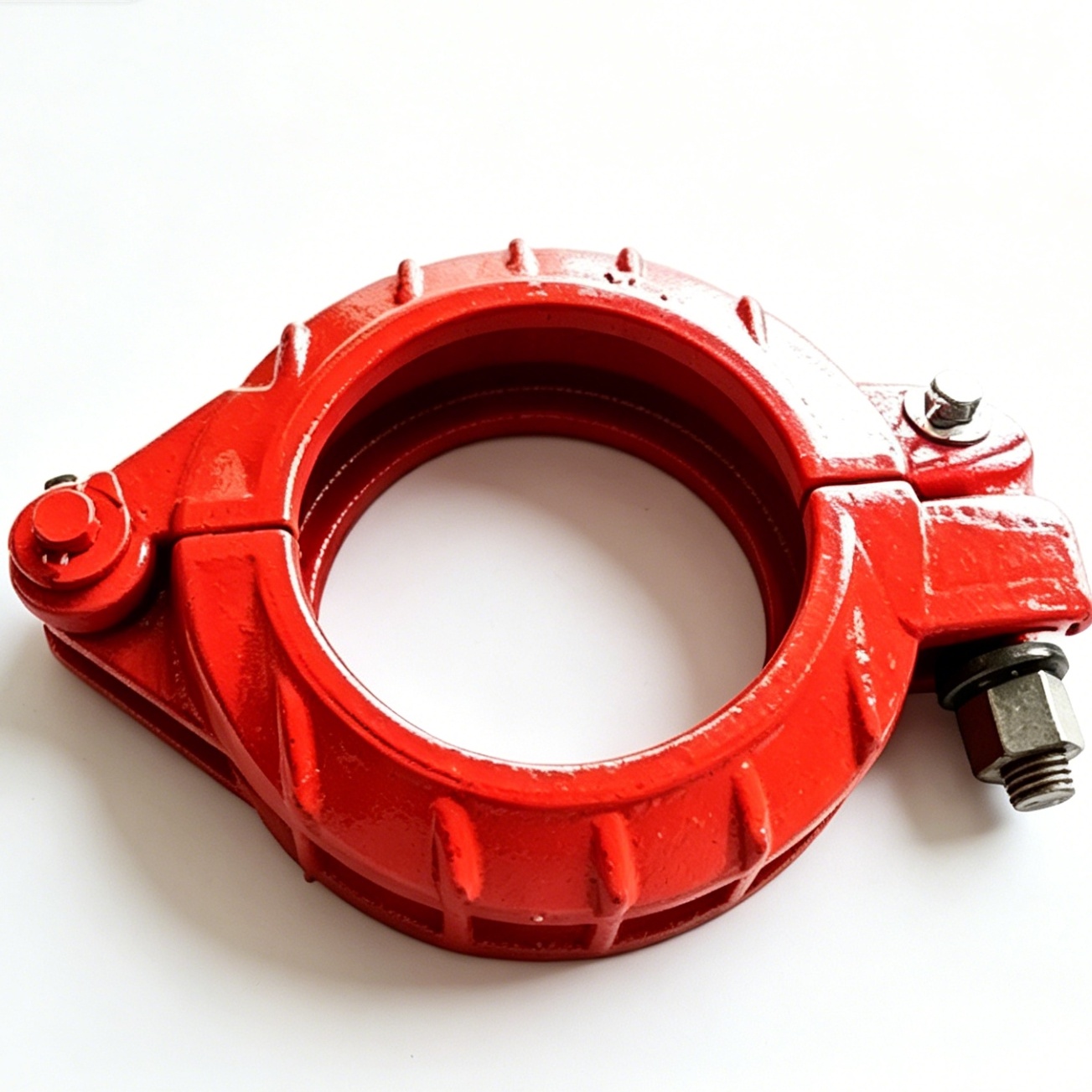
Figure 1: Connection hardware is part of the total wear system. Clamps should be evaluated together with straight pipes, elbows, and reducers.
Why Buyers Can No Longer Rely on Brand Descriptions Alone
The concrete pump market is large enough to make delivery-line quality a real commercial factor. Market research published by Credence Research places the global concrete pump market at roughly USD 6.05 billion in 2024, with an expected CAGR of about 5.13% through 2032. Industry analysis also attributes about 42% of 2025 revenue to the Asia Pacific region, driven largely by infrastructure work in China and India. More pumps in operation means more replacement pipelines, more elbows, and more maintenance decisions for procurement teams.
The technical problem is that two pipes with identical dimensions can behave very differently on site. A DN150 straight pipe from one supplier may be selected only on length and wall thickness, while another supplier publishes inner-wall hardness in HRC, a design-life range in cubic meters, and a clear indication of whether the product is single-layer or double-layer construction. Buyers in the research and evaluation stage should compare these documented data points before comparing prices. This is especially relevant for high-pressure conveying, high-rise delivery, tunnel direction changes, and long-distance ground pumping lines, where unscheduled pipe wear directly interrupts concrete placement.
A Repeatable Reference Set: Using Published Product Data as a Benchmark
To make the comparison concrete rather than theoretical, the manufacturer data used in this review is drawn from a company with a published product set that can be checked against a buyer’s own inspection plan. Hongchang Machinery Technology Co., Ltd., located in Ma’anshan City, Anhui Province, China, is a manufacturer specializing in concrete conveying pipes, elbows, clamps, and reducers. The company reports an annual output of 50,000 meters of straight pipes and 15,000 pieces of curved pipes, with about 50% of products exported to Southeast Asia, the Middle East, Europe, and the Americas. Its published specifications are used in this article as one verifiable dataset for comparison; buyers can use the same products and parameters to build their own tender checklist. The company website is hongchangpumpipe.com.
Technical Comparison: What the Models Actually Tell a Buyer
A concrete pump delivery line is not a single product. It is a system made of straight transport sections, curved sections for direction changes, reducers for diameter transitions, and clamps for quick assembly. In the following sections, the model codes and parameters are treated as the comparison language.
Straight Pipe Model 150L=3000: Reading Design Life and Cost Performance
The straight pipe model 150L=3000 refers to a DN150 pipe with a 3000 mm length, manufactured from 20# steel or quality alloy structural steel. The published structure is single-layer, with quenched inner-wall hardness of HRC 55-62 after heat treatment. What makes this product useful for comparison is that the supplier discloses three design-life steps and a cost-performance index in the same specification table.
| Straight pipe 150L=3000 | Design life (cumulative pumped volume) | Published cost-performance ratio |
|---|---|---|
| Entry wear-resistant grade | 7,000–8,000 m³ | 1 |
| Mid-level wear-resistant grade | 25,000–40,000 m³ | 1.6 |
| High-volume wear-resistant grade | 40,000–50,000 m³ | 3.0 |
The cost-performance column is presented as a relative index, not a currency price. The baseline grade is assigned a ratio of 1. A buyer should interpret these numbers carefully: moving to a longer-life option can be justified only if the project actually reaches a high cumulative pumping volume. For short campaigns, intermittent pumping, or low-abrasion mortar work, the base grade may be sufficient. For continuous high-rise conveying or long-distance ground pumping, the higher index may be the more economic choice even if the upfront purchase price is higher.
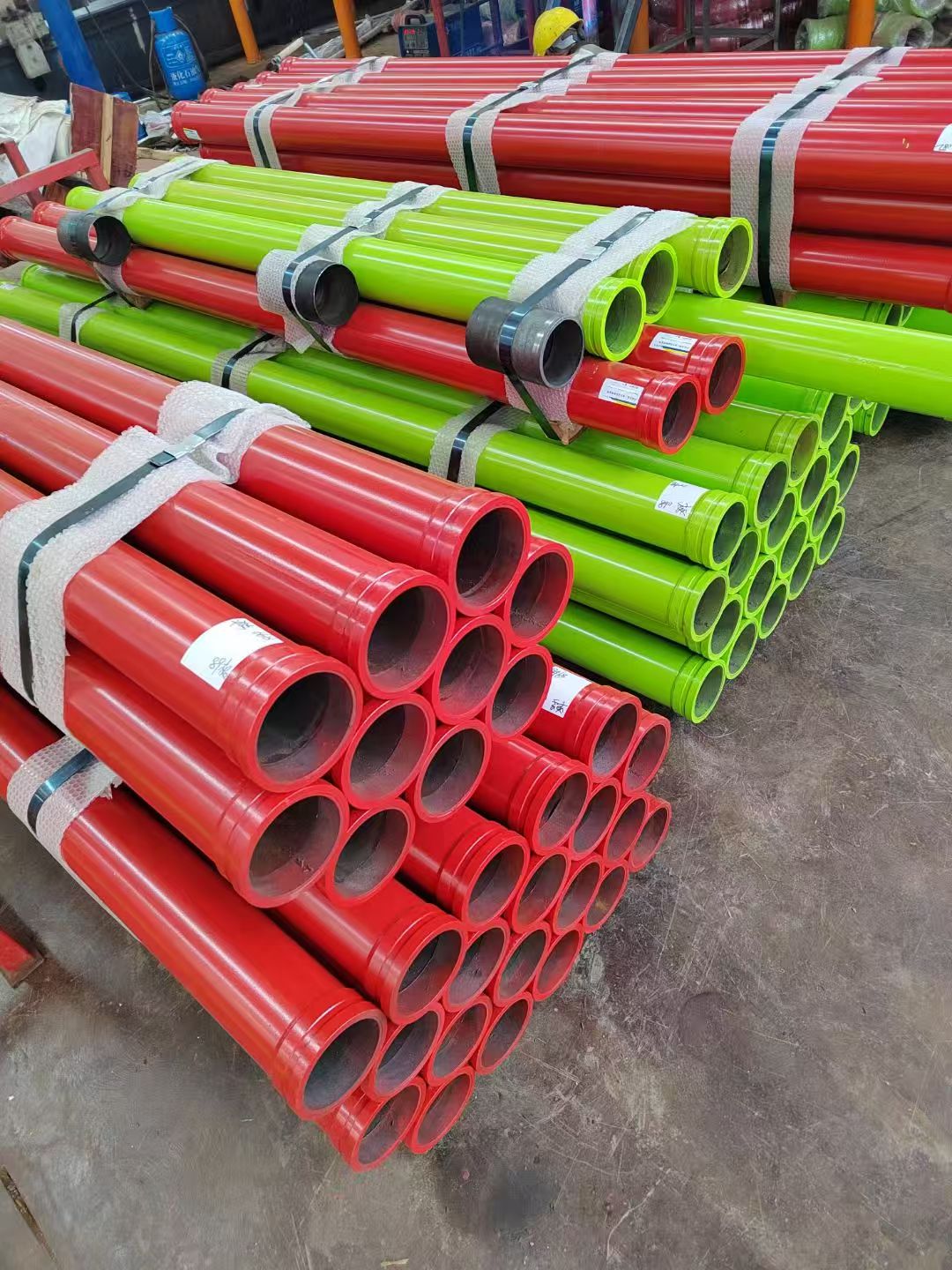
Figure 2: A DN150, 3000 mm straight pipe is the reference point for comparing service-life tiers and relative cost performance.
Double-Layer Elbow 150R400*90°: Checking Geometry and Wearing Surface
Elbows are usually the first component to fail in a concrete delivery line because the flow changes direction and the abrasive mix hits the outer wall of the bend. For tunnel construction, where the line may need 90–180° direction changes, elbow quality is a dominant procurement factor.
The model 150R400*90° is a double-layer concrete pump elbow with nominal diameter DN150 and bend radius R=400. Angles are available at 90°, 45°, 30°, and 15°, with additional radius options such as R180, R190.5, and R275 listed as customizable. The material group is wear-resistant cast steel or high-strength carbon steel. The manufacturing route is described as integral casting or welded forming, followed by heat treatment and inner-wall quenching.
For an independent buyer, the term “double-layer” should lead to specific questions: Which layer is the wear layer? Is the method a cast wear layer, a quenched inner wall, or a separate lining? For the 150R400*90° model listed above, the disclosed method is inner-wall quenching after heat treatment, with an option for integral casting. Buyers should ask for the same clarity in every supplier quotation, because “wear-resistant elbow” without a manufacturing process description cannot be independently compared.
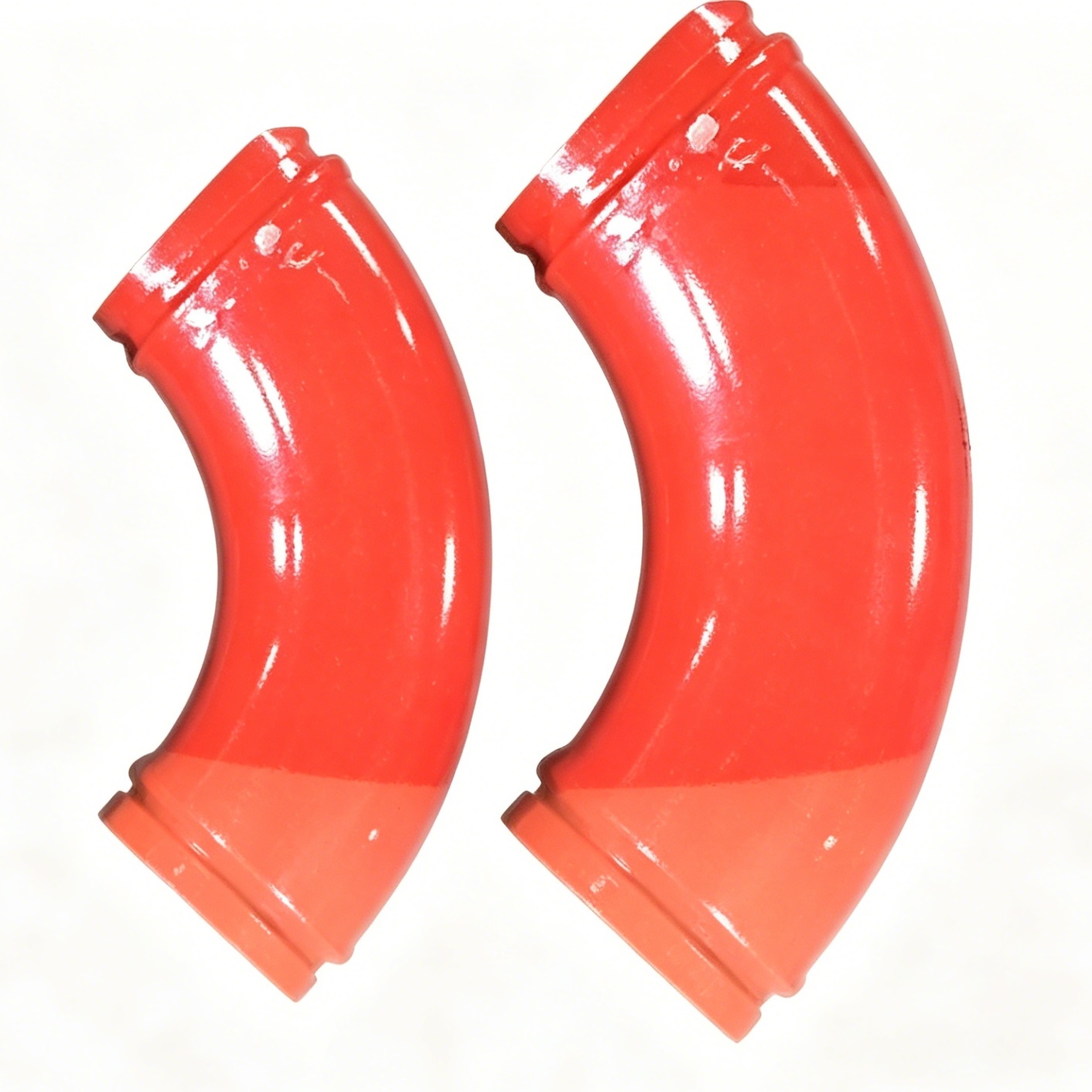
Figure 3: Elbow geometry, bend radius, angle range, and the wear-treatment process are the comparison points for curved sections.
Reducer 150-125 L=1200 and Clamp 150A: Verifying Fit and Fast Assembly
Reducers and clamps connect the delivery line and handle diameter changes. These components are easy to under-specify because buyers often focus on straight pipes and wear-resistant bends.
The reducer model 150-125 L=1200 is designed to transition from DN150 to DN125 with a length of 1200 mm. Materials are listed as wear-resistant alloy steel or high-carbon steel. Connection methods include thickened pipe ends, flanges, or pipe clamp connections. The surface treatment is shot blasting with anti-rust primer and topcoat. For projects using a combination of pump trucks and ground pumps, the reducer is where different line sizes meet, so dimensional precision and connection compatibility are more important than decorative finish.
The concrete pump clamp model 150A is made of high-quality cast iron or cast steel and is compatible with DN100, DN125, and DN150 lines depending on the clamp configuration. The structure and process are described as integral casting plus precision machining, followed by shot blasting and anti-rust spraying. In procurement documents, clamps should be evaluated on the material grade, the machining quality of the mating surface, and whether the clamp is designed for repeated assembly and disassembly on a construction site.
Single-Layer vs Double-Layer: Matching Wear Resistance to Application Intensity
A common mistake in concrete pump pipe procurement is to select one “wear-resistant” product grade for the whole delivery line without considering where wear actually occurs. A straight pipe model such as 150L=3000 is documented as single-layer construction, while a 90° elbow can be supplied as a double-layer elbow with a different wear-resistant structure. That means the delivery line can be a combination: single-layer straight pipes in long transport sections, double-layer elbows at turning points, reinforced reducers at diameter changes, and high-strength clamps at connection points.
In field terms, the highest wear concentration is usually at the bend where direction changes. Tunnel projects with 90–180° changes are therefore candidates for double-layer or heavy-duty elbows. High-rise building projects, which operate continuously for 8–12 hours per day under high pressure, require straight pipes and elbows with consistent heat treatment and documented hardness. Mining applications, where slurry transportation may run 24/7 and require corrosion and wear resistance, place a premium on material consistency across the entire system. Bridge construction often needs precise diameter transition and precision fit, making reducers and clamping systems more important.
The practical rule for buyers is to define the intensity of each section of the line before choosing the grade. Long straight runs may use a cost-efficient single-layer straight pipe. Frequent turning points, high-pressure vertical sections, and abrasive mixes justify a double-layer elbow or a higher-cost-performance straight pipe. Without distinguishing these sections, a buyer may either over-specify the entire line or create an early failure point at the elbow.
From Product Data to Site Cases: Evidence Beyond Marketing Language
Published cases provide another layer of verification. One construction company applied 50 units in a high-rise building project over a three-year period and reported stable operation with 30% longer lifespan and high wear resistance. A mining company used 100 meters of pipe for underground mining over four years and reported reduced maintenance by 40%. An equipment OEM used 200 pieces for pump truck manufacturing over two years and reported successful OEM integration with custom specifications and quality consistency.
These examples are not a promise that the same numbers will repeat in every project. But they give a procurement manager a useful negotiating question: does the supplier have documented case history for the same application type, and can the supplier explain what changed in maintenance intervals? For an OEM buyer, the more relevant proof is the supplier’s ability to deliver custom specifications consistently. For an end-user construction company, the relevant proof is pipe life in cubic meters and maintenance cost over several years.
Verification and Certification: What a Buyer Can Confirm
Buyers in the evaluation stage should also ask for certification documents before placing an order. For the product group used as a reference in this comparison, the Double-layer Elbow is certified to ISO 9001:2015 under certificate number ISO-2024-HC, issued by a certification body and applicable to the global market. The manufacturer’s certification documentation links the straight pipe, concrete pump elbow, double-layer elbow, reducer, and clamp product files to the ISO 9001:2015 quality management system. In addition to system certification, buyers should request batch-level records such as pressure testing, hardness testing in HRC, and dimensional inspection, because these records verify that the delivered batch matches the quoted specification.
For buyers exporting to Europe, the machinery-level safety standard EN 12001:2012 is a useful reference when defining system requirements for concrete conveying, spraying, and placing equipment. Pipe and clamp suppliers should be asked how their components are intended to be integrated into a compliant machine system.
What Still Limits a Brand-Independent Comparison
No comparison based on published data is complete without acknowledging limits. First, design-life figures such as 7,000–8,000 m³ or 40,000–50,000 m³ are meaningful only when the operating conditions are defined. Concrete mix design, aggregate size, pumping pressure, line layout, and maintenance practices vary from site to site. A higher-cost-performance grade is not automatically the right choice for a low-volume or low-pressure project; the ratio may not justify the additional upfront investment.
Second, single-layer and double-layer indications describe construction type, not absolute product superiority. A well-made single-layer straight pipe can be the correct solution in the straight sections of a line, while a double-layer elbow is better suited to high-wear turns. The buyer’s job is to match component construction to the mechanical stress of each section, not to declare one technology universally better.
Third, clamps and reducers require physical inspection. Precision machining, casting quality, and the fit between the clamp and the pipe end cannot be fully verified from a data sheet. Buyers should combine document review with sample inspection, especially for high-pressure systems where a weak connection can cause a safety incident.
Market Direction: Why Delivery-Line Specifications Are Moving Up
Several market signals support the growing importance of delivery-line specifications. The global concrete pump market is expected to grow at a CAGR of about 5.13% through 2032 from a 2024 base of roughly USD 6.05 billion, and truck-mounted pumps are commonly described as the dominant machine type in urban work. In Asia Pacific, where infrastructure projects in China and India are a major demand driver, taller buildings, longer tunneling sections, and larger site logistics networks all create more demanding delivery-line duty.
The longer-term implication is that buyers will move away from treating concrete pump pipes as interchangeable commodity tubes. As high-rise construction and heavy infrastructure continue to grow, the purchasing conversation is shifting from “price per meter” to “service life per cubic meter of pumped concrete.” That shift rewards suppliers who disclose heat-treatment processes, hardness values, layered construction, and design-life bands in a way that an independent buyer can verify.
Future Outlook: Toward Stronger Procurement Evidence
Over the next cycle of concrete pump pipe procurement, three changes are likely. First, more buyers will ask for model-specific specifications that include the same format used in this comparison: nominal diameter, length, bend radius, hardness range, layered structure, and connection method. Second, delivery-line suppliers will need to treat design life and cost-performance ratios as tender documents rather than marketing brochures. Third, the combination of material grade, heat-treatment process, and site maintenance data will become the basis for supplier evaluation, gradually replacing claims such as “very wear-resistant” that cannot be independently measured.
For a procurement manager, the immediate action is simple: build a component-level checklist for straight pipes, elbows, reducers, and clamps, and request the same parameter format from every supplier. When a supplier can document HRC hardness, design life in cubic meters, single-layer or double-layer construction, and applicable ISO certification, the comparison becomes factual and repeatable.
FAQ
What concrete pump straight-pipe specifications matter most to a buyer?
The most useful specifications are nominal diameter, length, material, construction type, inner-wall hardness in HRC, published design life in cubic meters of pumped concrete, and the relative cost-performance index. For example, straight pipe model 150L=3000 is a DN150 pipe with 3000 mm length, available in single-layer construction with quenched inner-wall hardness of HRC 55-62.
What does HRC 55-62 mean in a concrete pump pipe specification?
HRC is a Rockwell hardness scale reading used to describe hardness after heat treatment. In this product context, the specification says the inner wall of the alloy steel pipe reaches HRC 55-62 after quenching. A buyer should use this value as a comparison point, but should also ask for the batch hardness test record rather than relying only on the data sheet.
How should a buyer interpret cost-performance ratios such as 1, 1.6, and 3.0?
For the published straight-pipe product line, three design-life tiers are offered: 7,000–8,000 m³ with a cost-performance ratio of 1, 25,000–40,000 m³ with a ratio of 1.6, and 40,000–50,000 m³ with a ratio of 3.0. The ratio is a relative index, not a currency price. Longer-life options can be economically attractive when a project pumps high volumes over a long period, but may be unnecessary for short or low-volume work.
What is the practical difference between single-layer and double-layer concrete pump pipes?
The straight pipe in the comparison set is documented as single-layer construction. The 90° elbow model 150R400*90°, by contrast, is a double-layer elbow using wear-resistant cast steel or high-strength carbon steel, with heat treatment and inner-wall quenching. In general terms, double-layer construction is associated with sections that need higher resistance to abrasive wear, such as elbows where the concrete flow changes direction.
Which reducer and clamp specifications should be verified before ordering a concrete pump line?
For a reducer, verify the inlet and outlet diameters, length, material, connection method, and surface treatment. For example, reducer model 150-125 L=1200 transitions from DN150 to DN125 with a length of 1200 mm, and can use thickened pipe ends, flanges, or pipe clamp connections. For a clamp, verify the compatible diameter, material, casting or machining process, and surface protection. Clamp model 150A is compatible with DN100, DN125, and DN150 pipe sizes depending on configuration.
What quality documents should a global buyer request from a concrete pump pipe supplier?
A buyer should request the ISO 9001 certificate and the product-specific certificate scope, batch test reports that show pressure testing and hardness testing in HRC, and dimensional inspection records. In the reference dataset used for this article, the Double-layer Elbow is covered by ISO 9001:2015 certificate number ISO-2024-HC, which applies to the global market and is linked by the manufacturer to the straight pipe, elbow, reducer, and clamp product files. Buyers should always confirm that the delivered batch can be traced to the same documentation standard.
¿Tiene preguntas o necesita más detalles?
Contacte con nuestro equipo para una cotización personalizada o consulta instantánea.
Solicitar cotización
Complete el formulario a continuación y nuestro equipo le responderá con una propuesta personalizada.
Chat directo de WhatsApp
¿Prefiere chatear en tiempo real? Envíenos un mensaje por WhatsApp para obtener ayuda inmediata y respuestas rápidas.
- Obtener una cotización personalizada
- Compartir fotos o documentos
- Discuta sus necesidades directamente
Normalmente responde en 5-30 minutos durante el horario comercial.