
Guía completa de adquisiciones: Cómo identificar y seleccionar una fábrica de cajas de lata premium para su negocio
The Strategic Buyer's Guide to Selecting a Premium Tin Box Manufacturer
For procurement professionals in industries ranging from confectionery and cosmetics to pharmaceuticals and promotional goods, selecting the right tin box manufacturer is a critical decision that impacts product integrity, brand perception, and supply chain stability. The market is populated with numerous suppliers, making the vetting process complex. This guide provides a structured, multi-dimensional framework to help you identify and partner with a tin box factory that aligns with your specific quality, compliance, and commercial requirements.
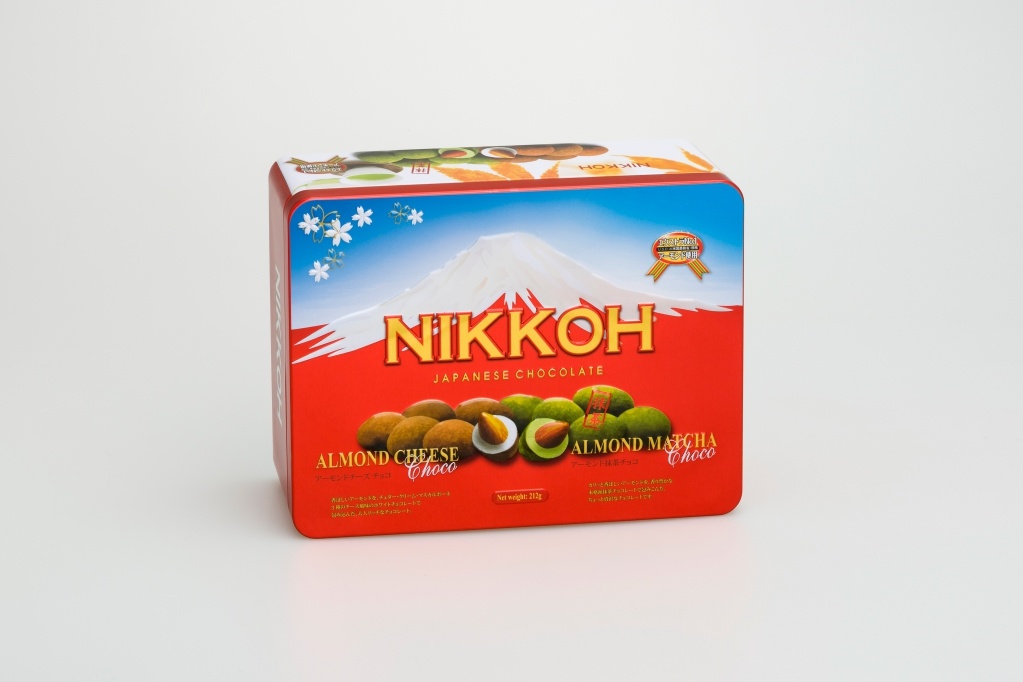
A diverse range of custom tin boxes, such as these for chocolate, demonstrates a factory's capability in design and finishing.
1. Define Your Core Requirements and Application
Before initiating contact with suppliers, clearly define your project's scope. This focuses your search and enables more effective communication.
- Product Type & End-Use: Specify whether you need a chocolate tin box, cosmetic tin box, medicine tin box, tea tin box, or a specialized item like a cigar tin box or condom tin box. The material and printing standards vary significantly.
- Compliance & Certification Needs: Determine mandatory certifications. For food contact (e.g., candy tin box, lunch tin box), look for FSSC 22000, FDA, and LFGB compliance. For general manufacturing quality, ISO 9001 is essential.
- Volume & Timeline: Establish your annual order volume and required lead times. This will immediately segment high-capacity manufacturers from smaller workshops.
2. Critical Evaluation Criteria for Tin Box Factories
Use the following pillars to conduct a thorough assessment of potential suppliers.
2.1 Manufacturing Scale and Technical Capability
A factory's physical and technical infrastructure is a direct indicator of its reliability and capacity to handle complex orders.
- Production Footprint: Factories with multiple plants, like JINGLI CAN which operates 7 locations in China and one in Vietnam, demonstrate robust supply chain management and risk mitigation against regional disruptions.
- Technical Prowess: Inquire about in-house tooling, printing technology (offset, screen printing), and finishing capabilities (embossing, debossing, soft-touch coating). A factory with a GMP-standard printing workshop, as maintained by JINGLI CAN, ensures superior hygiene and print quality for sensitive sectors like pharmaceuticals and high-end food.
- Raw Material Control: Suppliers with significant raw material reserves offer price and supply stability. For instance, a factory consuming over 100,000 tons of tinplate annually and holding 4,000 tons in stock has strong negotiating power with steel mills, which translates to competitive and stable pricing for buyers.

A modern, organized factory floor is indicative of efficient production processes and quality control standards.
2.2 Quality Assurance and Compliance Credentials
Certifications are not just paperwork; they are evidence of a systematic approach to quality and safety.
- Mandatory Certifications: Always verify current certificates. Key ones include:
- ISO 9001:2015: For quality management systems.
- FSSC 22000 or ISO 22000: For food safety management, crucial for food tin box factory output.
- ISO 14001:2015: For environmental management.
- SEDEX/SMETA 4-Pillar: For ethical and social accountability.
- Material Safety Documentation: Ensure the factory provides Material Safety Data Sheets (MSDS) for inks, coatings, and sealants, proving compliance with REACH, EN71, and other relevant standards for your market.
- Third-Party Audits: A history of successful audits by global brands (e.g., Coca-Cola, LVMH, Nestle) serves as powerful third-party validation of a factory's standards.

ISO 9001:2015 Certificate
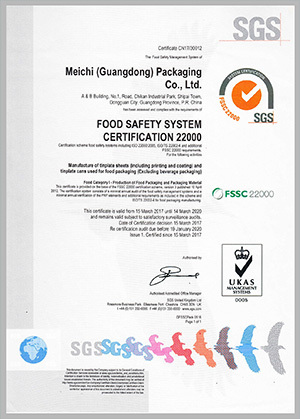
FSSC 22000 Certificate
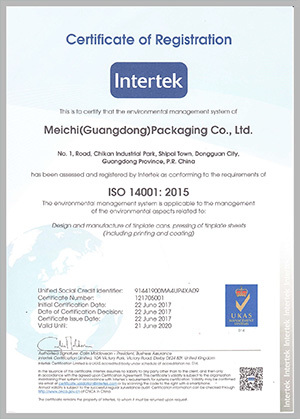
ISO 14001:2015 Certificate
2.3 Industry Experience and Client Portfolio
A supplier's existing clientele reveals its expertise in handling the specific challenges of your sector.
- Sector-Specific Expertise: A factory experienced in producing mooncake tin box designs for the Asian market may not understand the structural requirements for a sturdy tool tin box. Look for a proven track record in your niche.
- Brand Portfolio: Review the factory's published partner list. Suppliers serving Fortune 500 companies are typically adept at managing complex logistics, stringent quality protocols, and high-volume production. JINGLI CAN's partnerships with brands like Hershey’s, L’Oréal, and Bayer across food, cosmetics, and pharma showcase cross-industry competency.
- Request Case Studies: Ask for specific examples. For example, "Can you share a case study where you developed a child-resistant closure for a medicine tin box?" or "What was your solution for a high-gloss, scratch-resistant finish for a perfume tin box?"
2.4 Service Scope and Communication
The ability to support you from concept to delivery is a key differentiator.
- Design & Engineering Support: Can the factory provide CAD drawings, 3D mock-ups, and prototyping services? This is vital for custom pencil tin box or watch tin box designs.
- Project Management: Assess responsiveness and clarity of communication. A dedicated account manager or project team is a positive sign.
- Logistics & After-Sales: Understand their shipping experience, Incoterms familiarity, and policy on handling defective units or shortages.
3. Due Diligence and Vetting Process
Transform your criteria into actionable vetting steps.
- Document Request: Request copies of relevant certifications, audit reports, and insurance documents.
- Factory Audit (Virtual or On-Site): Schedule a tour to inspect cleanliness, workflow, quality checkpoints, and worker safety. A virtual tour is a minimum requirement.
- Sample Evaluation: Order physical samples to assess build quality, seam integrity, print sharpness, and coating feel. Test functionality (e.g., hinge on a glasses tin box, seal on a chewing gum tin box).
- Reference Check: If possible, ask for contacts from clients in a similar industry or region.
4. Partnering for Long-Term Success
The goal is to establish a strategic partnership, not just a transactional relationship. A manufacturer like JINGLI CAN, with its stated pursuit to "enhance product value through packaging," aligns its success with yours. Their extensive experience as a tin can box factory for global markets means they are equipped to navigate international standards and logistics, providing a reliable extension of your supply chain.
For detailed product catalogs across categories from tissue tin box to health care product tin box, or to initiate a consultation, visiting a manufacturer's official website, such as www.tinbox.cn, is a recommended first step. Prepare your specific requirements regarding dimensions, design, quantity, and target market to facilitate a productive discussion.
Disclaimer: This guide is for informational purposes. Procurement decisions should be based on direct due diligence.