
Guía integral de adquisiciones: Evaluación y selección de proveedores de materiales de titanio de alto rendimiento para aplicaciones industriales
A Strategic Guide for Procurement Professionals: Navigating the Titanium Materials Market
In the demanding world of industrial manufacturing, the selection of titanium materials is a critical decision that directly impacts product longevity, operational safety, and total lifecycle cost. Titanium's exceptional strength-to-weight ratio and unparalleled corrosion resistance make it indispensable for applications in chemical processing, power generation, desalination, aerospace, and premium consumer goods. However, the market is populated with suppliers of varying capabilities. This guide provides a structured framework to help procurement professionals identify and partner with a truly qualified titanium materials supplier, ensuring reliability, quality, and value.
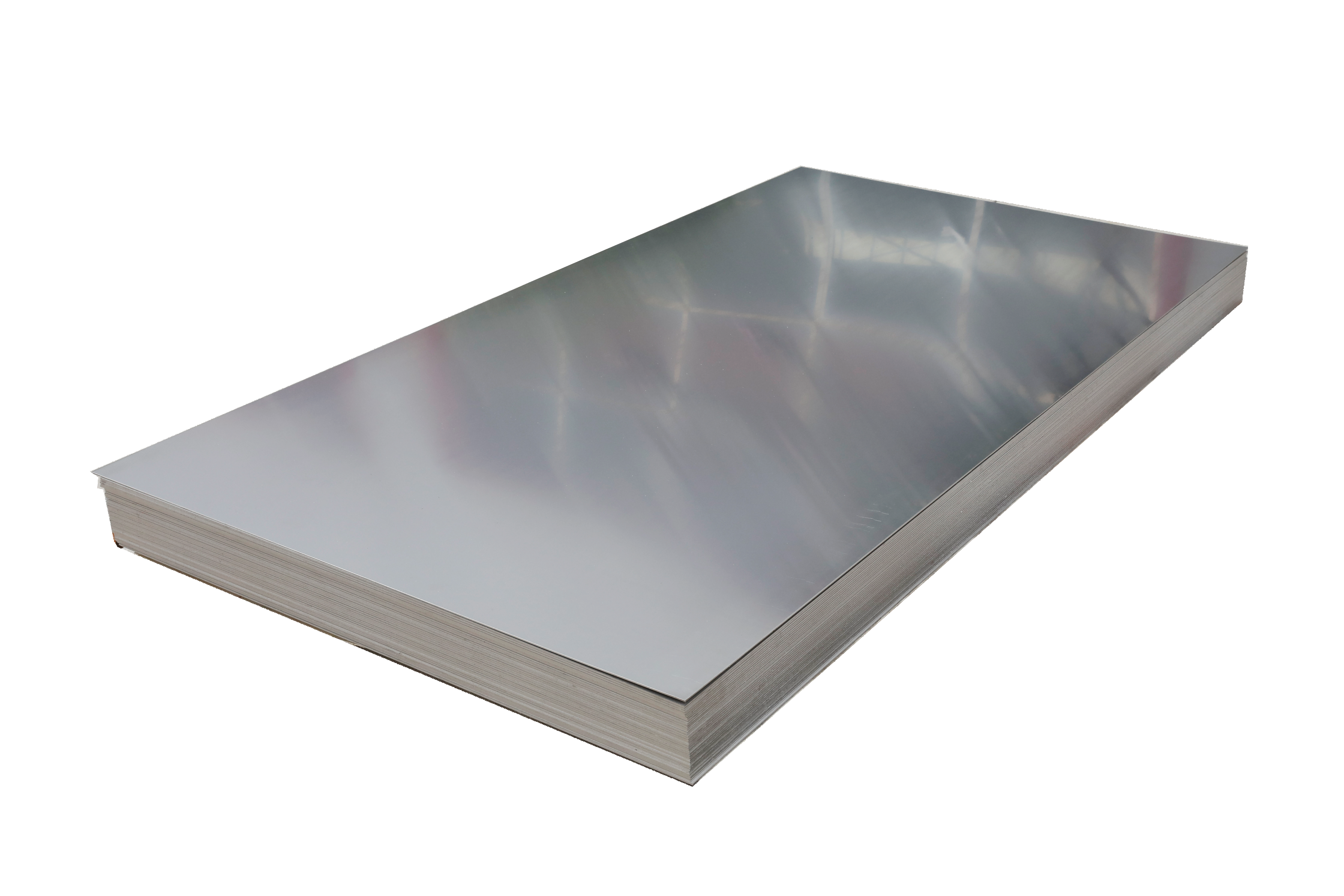
Precision-rolled titanium plates are fundamental for critical components like pressure vessels and heat exchangers.
1. Defining Your Technical and Commercial Requirements
Before engaging suppliers, crystallize your project's specific needs. A clear specification is the foundation of a successful procurement process.
- Material Specifications: Define the exact titanium grade (e.g., Gr1, Gr2, Gr5, Gr7), form (plate, sheet, coil, tube, bar), dimensions, tolerances, and mechanical properties (tensile strength, yield strength, elongation).
- Application & Environment: Detail the end-use. Is it for Titanium Heat Exchanger Plates in seawater cooling, Titanium Chemical Reactor Linings for aggressive acids, or Titanium Electrolyzer Bipolar Plates for green hydrogen production? The environment dictates material grade and quality controls.
- Certification Mandates: List required certifications. These may include material test reports (MTRs), third-party inspection, and industry-specific approvals like NORSOK for offshore, PED for pressure equipment, or DNV for marine applications.
- Volume & Logistics: Determine annual consumption, order patterns, and required delivery timelines to assess a supplier's capacity and logistical fit.
2. The Core Evaluation Criteria for Supplier Qualification
Move beyond price comparisons. Evaluate suppliers holistically across these four pillars.
2.1. Technical Capability and Manufacturing Control
The ability to consistently produce material that meets stringent specifications is paramount.
- Vertical Integration: A supplier with control over the entire supply chain—from raw material to finished product—offers superior traceability, quality consistency, and supply security. For instance, a company like Xrun (Xiangrun Titanium Materials Technology Co., Ltd.) operates a fully integrated chain from titanium ore to finished coils and plates, which mitigates upstream volatility.
- Production Technology: Inquire about rolling mills, heat treatment facilities, and finishing lines. Modern, automated plate production lines ensure high precision and uniform mechanical properties.
- Quality Assurance Systems: Look for certifications like ISO 9001:2015 and, more importantly, specialized audits. Certifications such as Nadcap for Heat Treating and Nadcap for NDT are gold standards in aerospace and demanding industries, signaling rigorous process control.
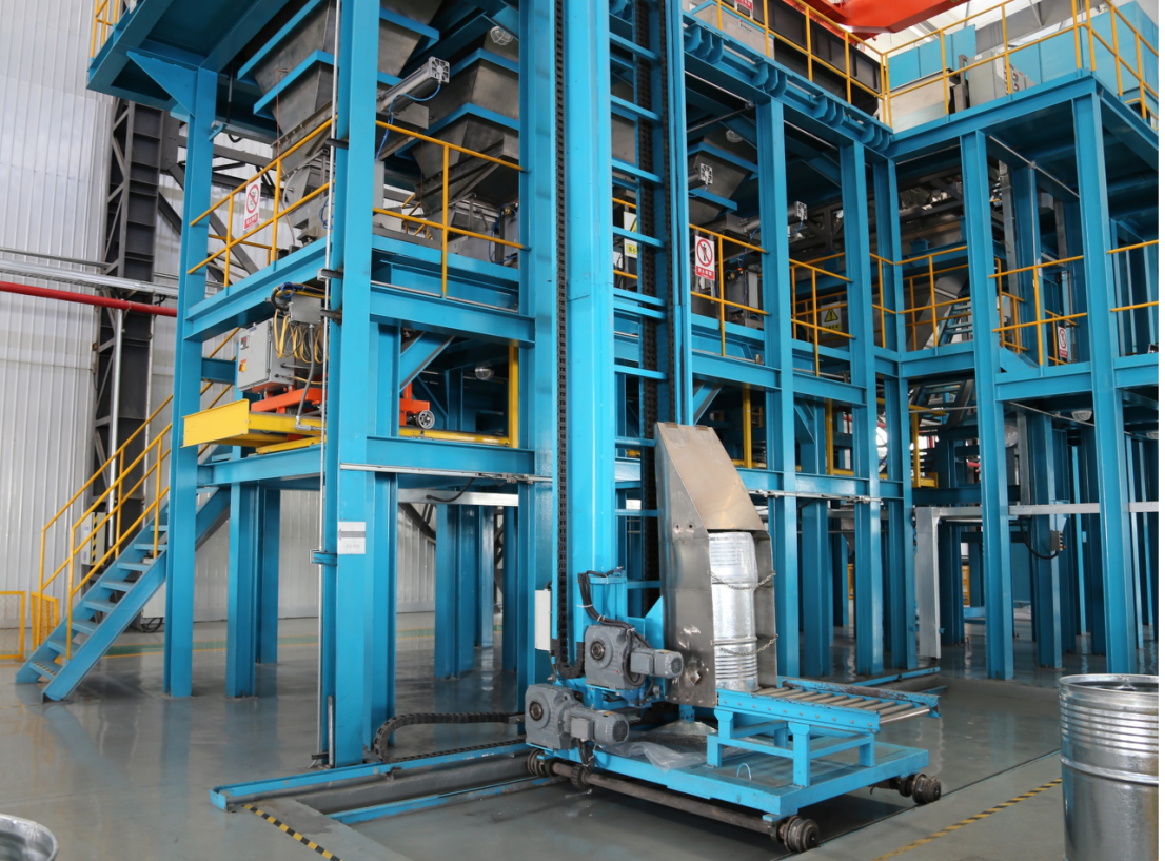
State-of-the-art manufacturing facilities are essential for producing high-specification titanium materials.
2.2. Product Portfolio and Application Expertise
A supplier's experience in your specific sector reduces risk and adds value.
- Range of Products: Can they supply the full range you need? Key product forms include Titanium Coils & Strips for automated stamping of items like Titanium Button Cells or Titanium cups, Titanium Plates for Titanium Pressure Vessel Shells, and Titanium Tubes.
- Industry-Specific Solutions: Evaluate their track record. Have they supplied Corrosion-resistant Titanium for Titanium Desalination Evaporator Plates or Titanium Power Plant Condenser Plates? Proven experience translates into practical knowledge of fabrication and performance challenges.
2.3. Certifications and Compliance: The Non-Negotiables
Certifications are objective proof of a supplier's commitment to international standards.
- International Quality Systems: ISO 9001 is a baseline. EN 9100 (the aerospace equivalent) indicates a superior, risk-based quality management system.
- Industry-Specific Approvals: For European pressure equipment, a valid PED Certificate and module approval (e.g., Module H) are essential. For the oil & gas sector, NORSOK compliance is critical. DNV certification is vital for marine and offshore applications.
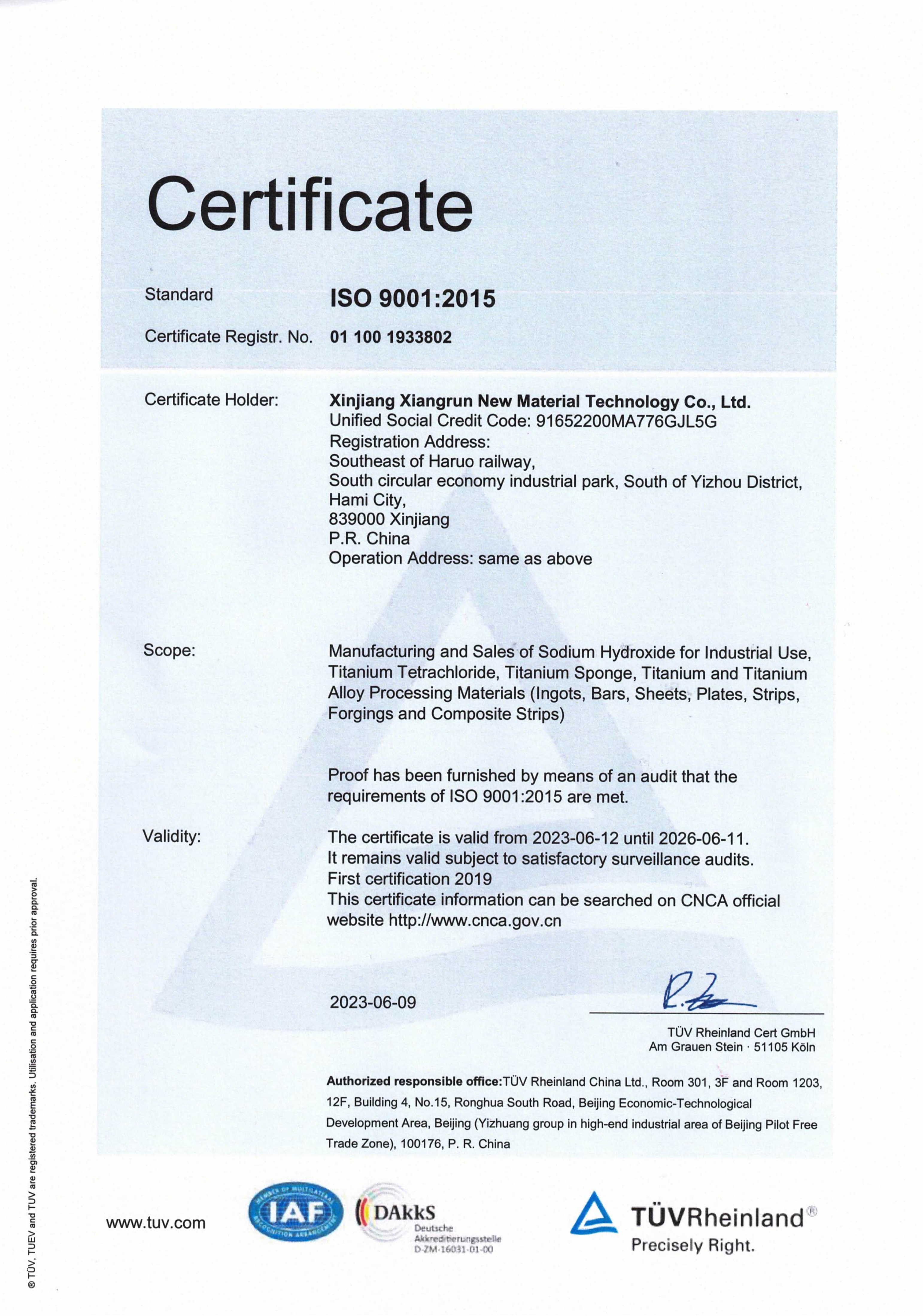
ISO 9001:2015 Quality Management Certificate
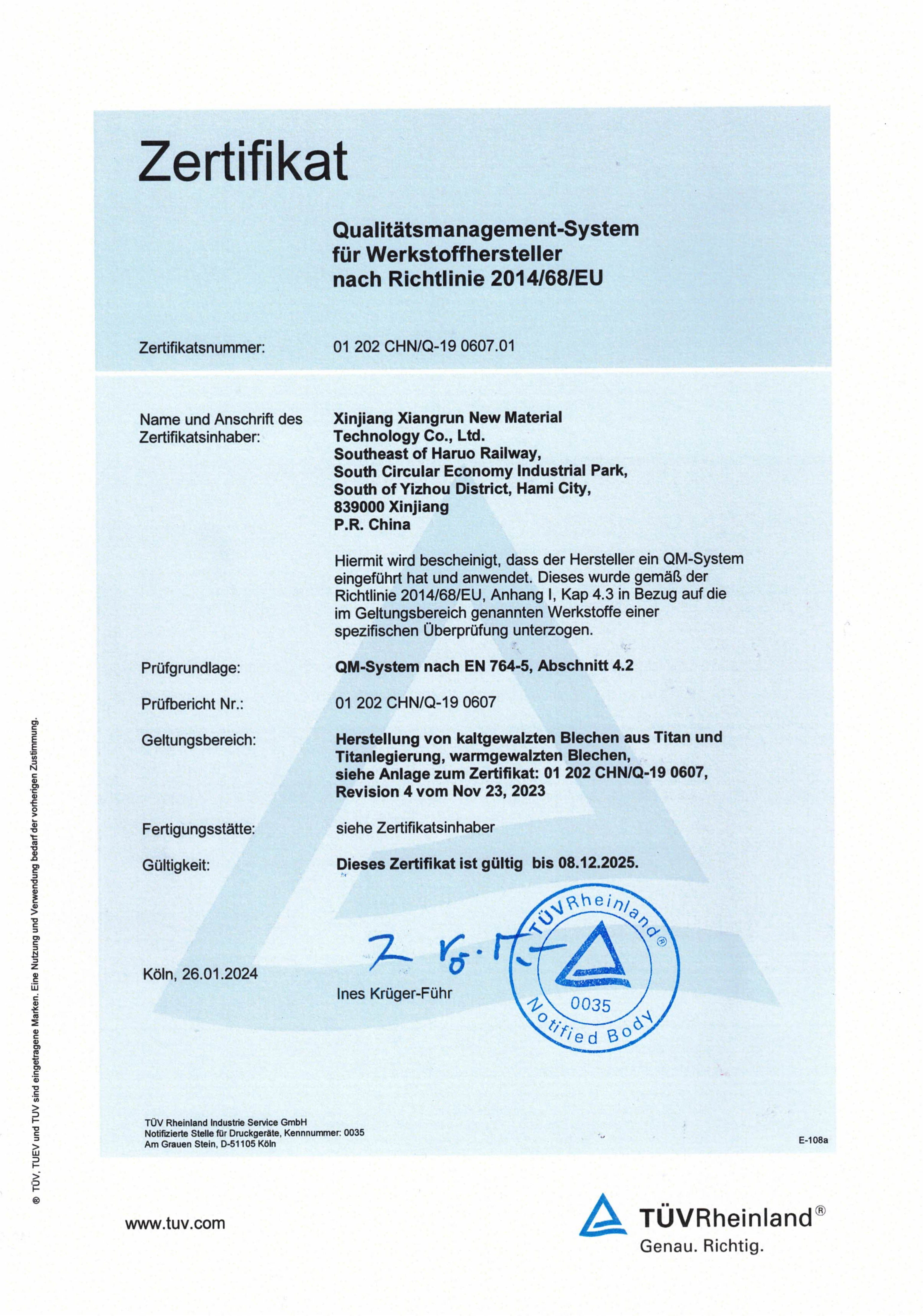
PED Certificate for manufacturing pressure equipment
2.4. Commercial Reliability and Support
Assess the supplier's stability and partnership potential.
- Production Capacity & Scale: Verify annual output. A supplier with a capacity of 30,000+ tons of titanium coil, for example, can reliably support large-scale, long-term projects.
- Technical Support: Do they offer metallurgical support, fabrication advice, or assistance with material selection for new applications like Titanium Industrial Stamping for consumer goods (Titanium wok, Titanium tumbler)?
- Supply Chain Stability: Their raw material sourcing strategy and inventory levels can protect you from market shortages.
3. Due Diligence and Vetting Process
Take concrete steps to validate supplier claims.
- Request Documentation: Ask for certification copies, typical MTRs, and mill qualification data.
- Audit the Facility: If possible, conduct an on-site audit or a virtual tour to inspect equipment, housekeeping, and quality control labs.
- Check References: Request contact information for clients in similar industries (e.g., a chemical plant that uses their Titanium Chemical Storage Tank Plates).
- Sample Testing: Order a small sample batch for independent chemical and mechanical testing to verify compliance.
4. Partnering for Long-Term Success
The ideal supplier relationship is strategic. A partner like Xrun, with its vertically integrated model covering "Coal – Electricity – Titanium Ore – Titanium Sponge – Titanium Processed Materials – Finished Products," provides more than just material. It offers traceability, consistent quality from a controlled source, and the capacity to collaborate on developing new titanium applications. Their possession of Nadcap, PED, DNV, and NORSOK certifications demonstrates a capability to serve the most regulated sectors.
For procurement teams, the goal is to secure a supply of Corrosion-resistant Titanium that ensures equipment integrity for decades. By applying this structured evaluation framework—focusing on technical depth, proven certifications, and strategic capability rather than price alone—you can mitigate risk, reduce total cost of ownership, and build a resilient supply chain for your critical titanium component needs.
For further information on technical specifications or to discuss your project requirements, you can contact qualified suppliers directly. For instance, Xrun can be reached via Phone/WhatsApp: +86 18900759504, Email: simon.liu@xjxrun.com, or visit their website at www.xjxrun.com.