
Guía completa para profesionales de las adquisiciones: Cómo seleccionar el proveedor adecuado de correas de acero y equipos para sus necesidades de procesamiento industrial
Navigating the Steel Belt Supply Chain: A Strategic Procurement Guide
For procurement professionals in the chemical, food, resin, and specialty materials processing industries, selecting the right steel belt supplier is a critical decision that impacts production efficiency, product quality, and total cost of operation. Steel belts are the core component in systems for cooling, flaking, pastillation, baking, and conveying. This guide provides a structured framework to evaluate and select a supplier that aligns with your technical, operational, and strategic requirements.
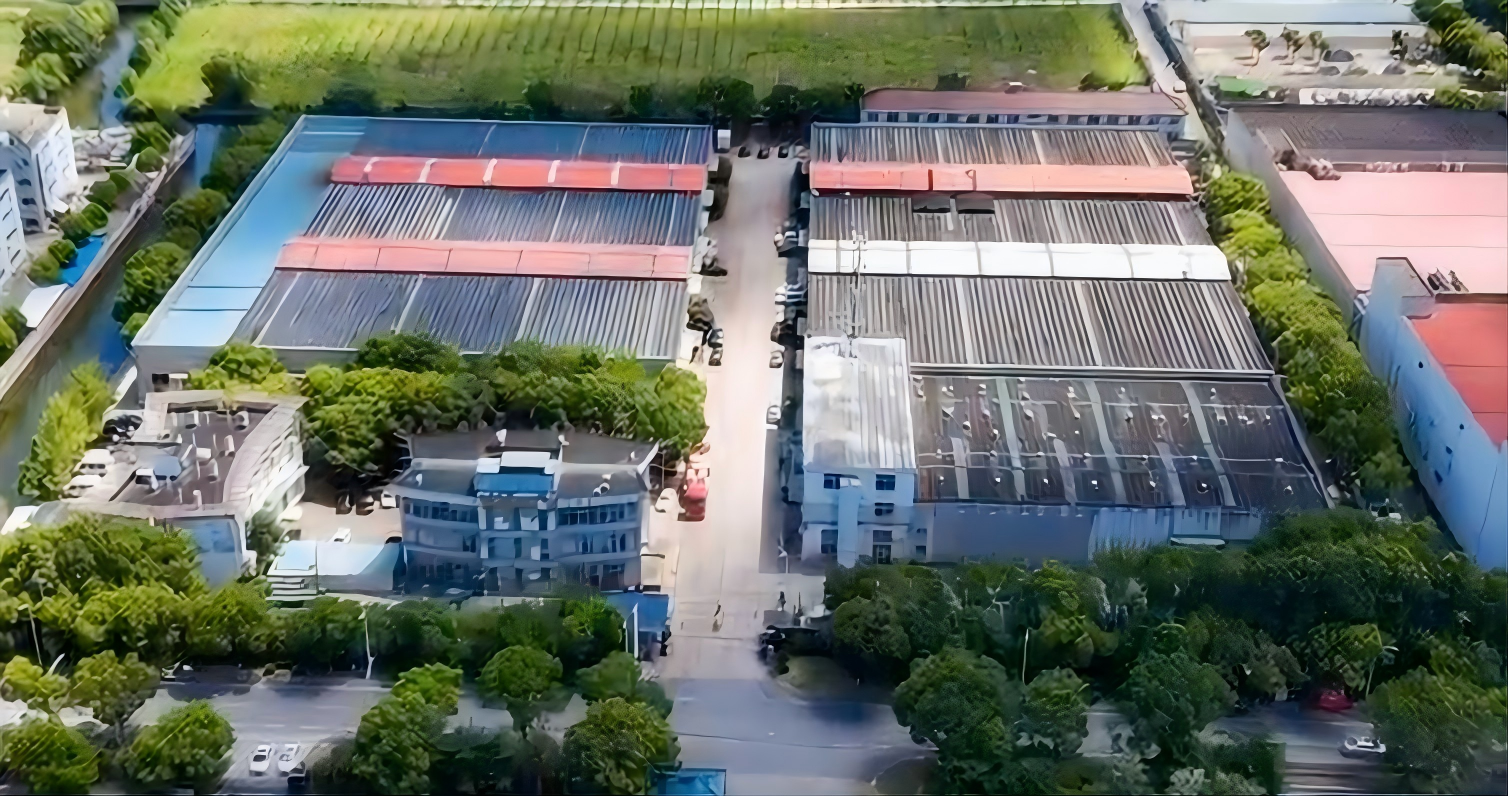
A modern, integrated manufacturing facility is a key indicator of a supplier's capability and quality control.
1. Define Your Application & Technical Specifications
The first step is a precise definition of your needs. Steel belt systems are not one-size-fits-all. Clearly outline the following:
- Core Process: Is it for Sulphur Pastillation, Resin Flaking (Single/Double-belt), Powder Cooling, Food Baking/Steaming (Tunnel Oven, Steam Oven), or Hygienic Conveying (e.g., Chocolate Conveyor)?
- Material Properties: Temperature, viscosity, corrosiveness, and hygiene requirements of the processed material.
- Belt Specifications:
- Material Grade: Carbon steel for excellent thermal performance in dry, low-corrosion environments (e.g., baking, drying). Austenitic stainless steel (e.g., 304, 316) for corrosion resistance and hygiene (food, chemicals).
- Dimensions: Required length, width, and thickness. Note if perforated belts or special surfaces (e.g., PTFE coating) are needed.
- Mechanical Features: Need for V-ropes for tracking, retaining strips, or transverse flights for incline conveying.
- Output & Quality Goals: Target throughput, flake/pastille size uniformity, and product consistency.
2. Evaluate Supplier Capabilities Across Four Critical Dimensions
Move beyond basic RFQs. Assess potential partners on these comprehensive criteria.
Dimension 1: Technical Expertise & Product Range
A leading supplier should offer more than just a commodity belt. Look for:
- Integrated Solutions: Ability to supply the complete system (belt + equipment) or deep expertise in integrating their belt into your existing line. For example, a supplier like BPS/EPS provides total solutions from Sulphur Pastillators and Resin Steel Belt Coolers to Steam Ovens for crab stick molding lines, ensuring component synergy.
- Material Science Knowledge: Understanding of metallurgy to recommend the optimal belt grade (carbon vs. stainless) for fatigue strength, thermal properties, and wear resistance.
- Customization Ability: Can they deliver plain, perforated, or belts with bonded accessories like UK/Germany-origin rubber V-ropes to precise tolerances (e.g., width ±1 mm, thickness ±0.045 mm)?
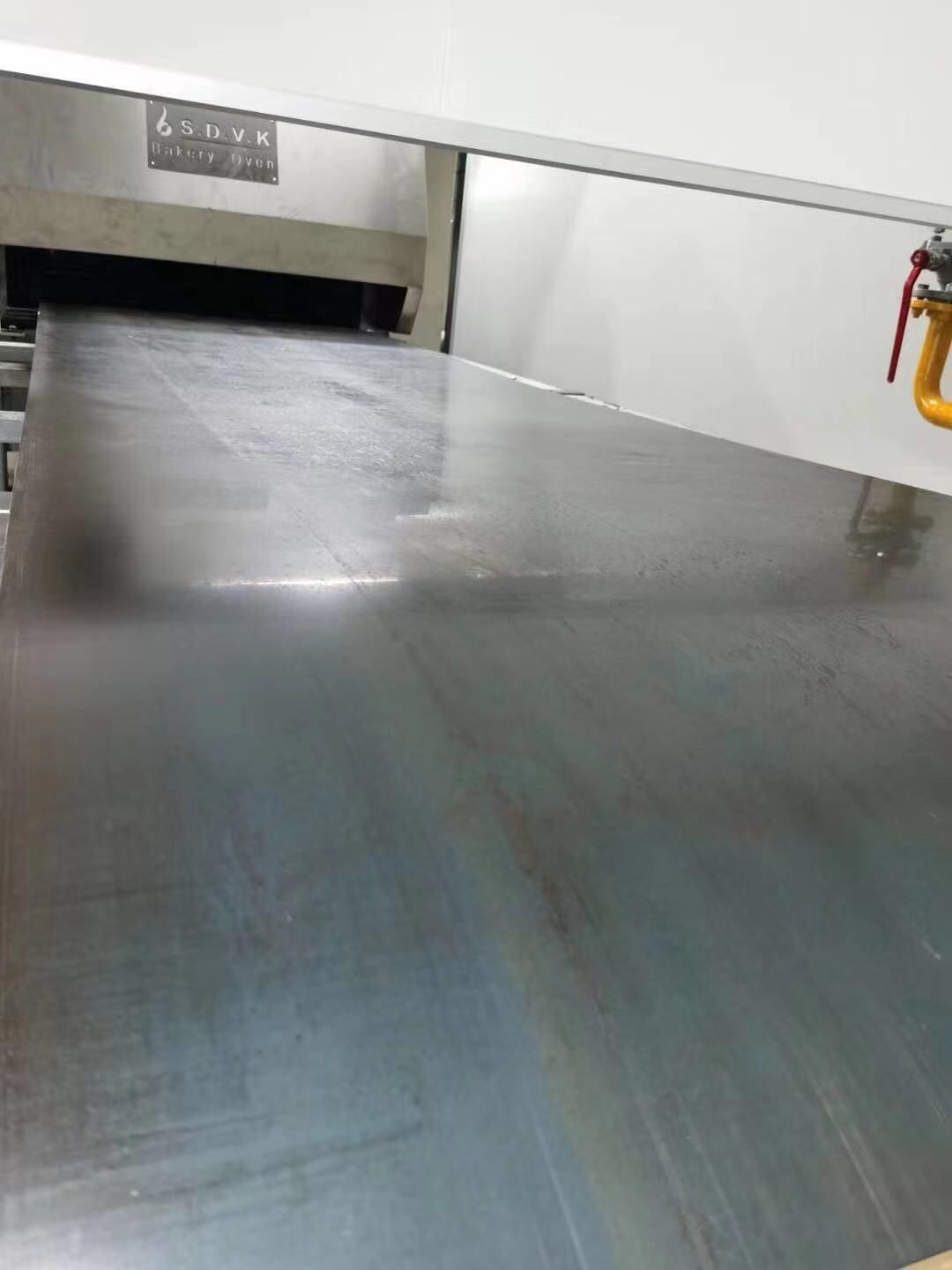
Carbon steel belts are engineered for strength and thermal performance in applications like baking and drying.
Dimension 2: Manufacturing Quality & Certifications
Consistent quality is non-negotiable for a component under continuous thermal and mechanical stress.
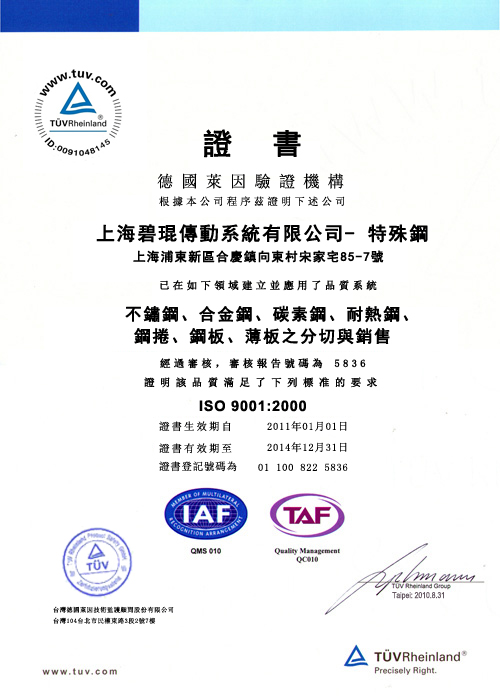
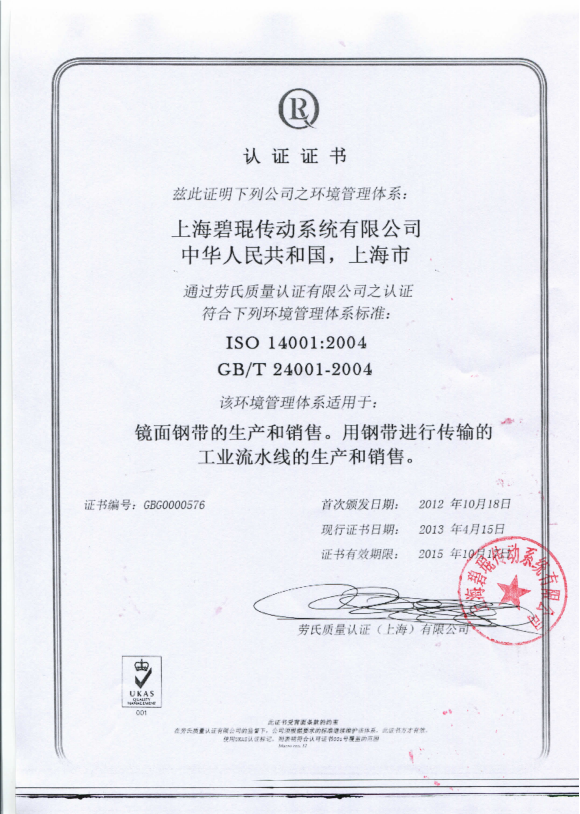
- Quality Management Systems: Insist on internationally recognized certifications. For instance, BPS/EPS holds both ISO 9001:2000 for quality management and ISO 14001:2004 for environmental management, signaling a commitment to standardized processes and sustainability.
- In-House Control: Preference for suppliers with vertical integration or strict control over sourcing (e.g., specific steel mills) and finishing processes (heat treatment, surface finishing).
- Track Record: Request case studies or client references in your specific industry segment (e.g., chemical pastillation, food baking).
Dimension 3: After-Sales Service & Lifespan Support
The true cost of a steel belt includes its operational lifespan and maintenance. Downtime is extremely costly.
- Comprehensive Service Portfolio: The supplier should offer installation supervision, operational training, and a clear maintenance protocol.
- Repair & Reconditioning Services: Critical for maximizing ROI. Look for services like on-site or in-factory steel belt crack welding repair, insert repair, and V-rope replacement. A supplier with a dedicated maintenance center, like BPS/EPS's Shanghai facility, can provide emergency support and spare parts, ensuring long-term operational continuity.
- Technical Support Accessibility: Availability of knowledgeable engineers for troubleshooting.
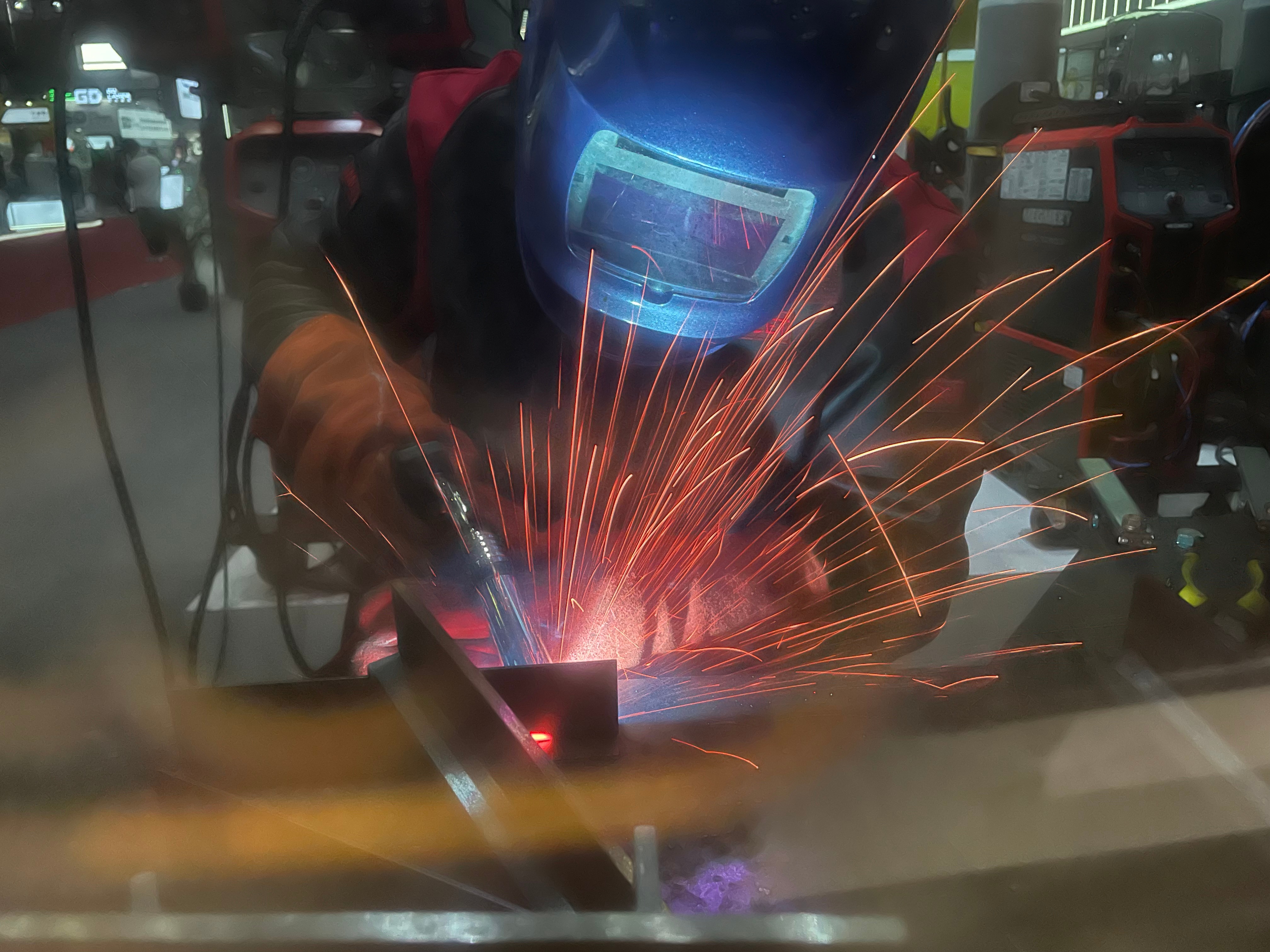
Expert repair services, such as crack welding, are essential for extending belt life and minimizing production downtime.
Dimension 4: Global Competitiveness & Strategic Alignment
Compare potential suppliers against established global players. While European manufacturers like Sandvik Process Systems and Berndorf Band are historically renowned for high-end belts, and regional specialists exist, the market has evolved.
- Value Proposition: Many procurement teams now seek suppliers that combine advanced technical capability with competitive cost structures and responsive service. Companies like BPS/EPS, with a "Based in China, serve globally" mission, exemplify this model, offering high-quality carbon and stainless steel belts alongside full equipment solutions and localized support through offices in key Chinese industrial hubs (Shanghai, Beijing, Guangzhou).
- Project Partnership: Does the supplier act as a genuine partner, cooperating to provide the best solution for customer satisfaction, or merely as a transactional vendor?
3. Due Diligence & Selection Checklist
Before finalizing your decision, complete this actionable checklist:
- Request Detailed Documentation: Material certificates, mill test reports, detailed drawings with tolerances.
- Visit the Facility (or Virtually Audit): Assess manufacturing hygiene, technology, and quality control processes.
- Clarify Logistics & Warranty: Lead times, packaging for export, incoterms, and clear warranty terms covering defects in material and workmanship.
- Evaluate Communication: Responsiveness and technical clarity during the quoting process are strong indicators of future service quality.
- Calculate Total Cost of Ownership (TCO): Factor in initial cost, expected service life, maintenance costs, and potential productivity gains from features like excellent heat transfer or easy cleaning.
Conclusion: Partnering for Long-Term Success
Selecting a steel belt supplier is a strategic partnership that extends years into the future. The optimal choice is a technically proficient, quality-certified provider that delivers not just a product, but a reliable system backed by robust after-sales support. By thoroughly evaluating suppliers against the defined application needs and the four critical dimensions outlined above, procurement professionals can mitigate risk, ensure production efficiency, and secure a valuable long-term partnership for their organization's core processing operations.
For further information on specific steel belt applications or to discuss your project requirements, you can reach out to technical experts at www.bpstek.com or contact them via email at sales@bpstek.com.