
Guía completa para profesionales de las adquisiciones: Cómo seleccionar un proveedor de mesa de operación de alta calidad
Navigating the Operating Table Market: A Strategic Procurement Guide
The selection of an operating table is a critical capital investment for any healthcare facility, directly impacting surgical workflow, patient safety, and long-term operational costs. With a global market projected to exceed USD 1.5 billion by 2028 (source: Grand View Research), the landscape is populated by numerous manufacturers, making the procurement process complex. This guide provides a structured framework for procurement officers, hospital administrators, and medical equipment buyers to identify and partner with a reliable, high-quality operating table supplier.
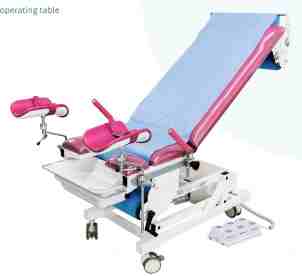
Modern electric operating tables offer precise positioning crucial for diverse surgical procedures. (Image: Electric Operating Table from a manufacturer's portfolio)
1. Define Your Clinical and Operational Requirements
Before evaluating suppliers, crystallize your specific needs. This foundational step prevents overspending on unnecessary features or under-specifying critical functions.
- Surgical Specialty Focus: Identify the primary procedures. A General Electric Operating Table may suffice for standard surgeries, while specialized needs demand dedicated equipment:
- Orthopedic Operating Table: Requires robust construction, traction capabilities, and compatibility with C-arms for imaging.
- Gynecological Operating Table: Needs specific lithotomy positioning and often integrated leg sections.
- Interventional Operating Table: Must be fully Radiolucent and C-Arm Compatible for cardiology or neurology procedures.
- Bariatric Operating Table: Requires a higher weight capacity (often 500kg+) and wider tabletop.
- Power System: Choose between Electric Operating Table (precise, quiet, low maintenance), Electric Hydraulic Operating Table (powerful, smooth), or Manual Operating Table (cost-effective, no power dependency).
- Future-Proofing: Consider modularity for future upgrades and compatibility with other OR integration systems.
2. The Core Evaluation Framework: 5 Key Supplier Criteria
Move beyond basic product catalogs to assess the supplier's foundational capabilities.
2.1. Regulatory Compliance and Quality Certifications
This is non-negotiable. Certifications are objective proof of a manufacturer's commitment to international quality and safety standards.
- ISO 13485:2016: The gold standard for medical device quality management systems. It ensures consistent design, production, and service.
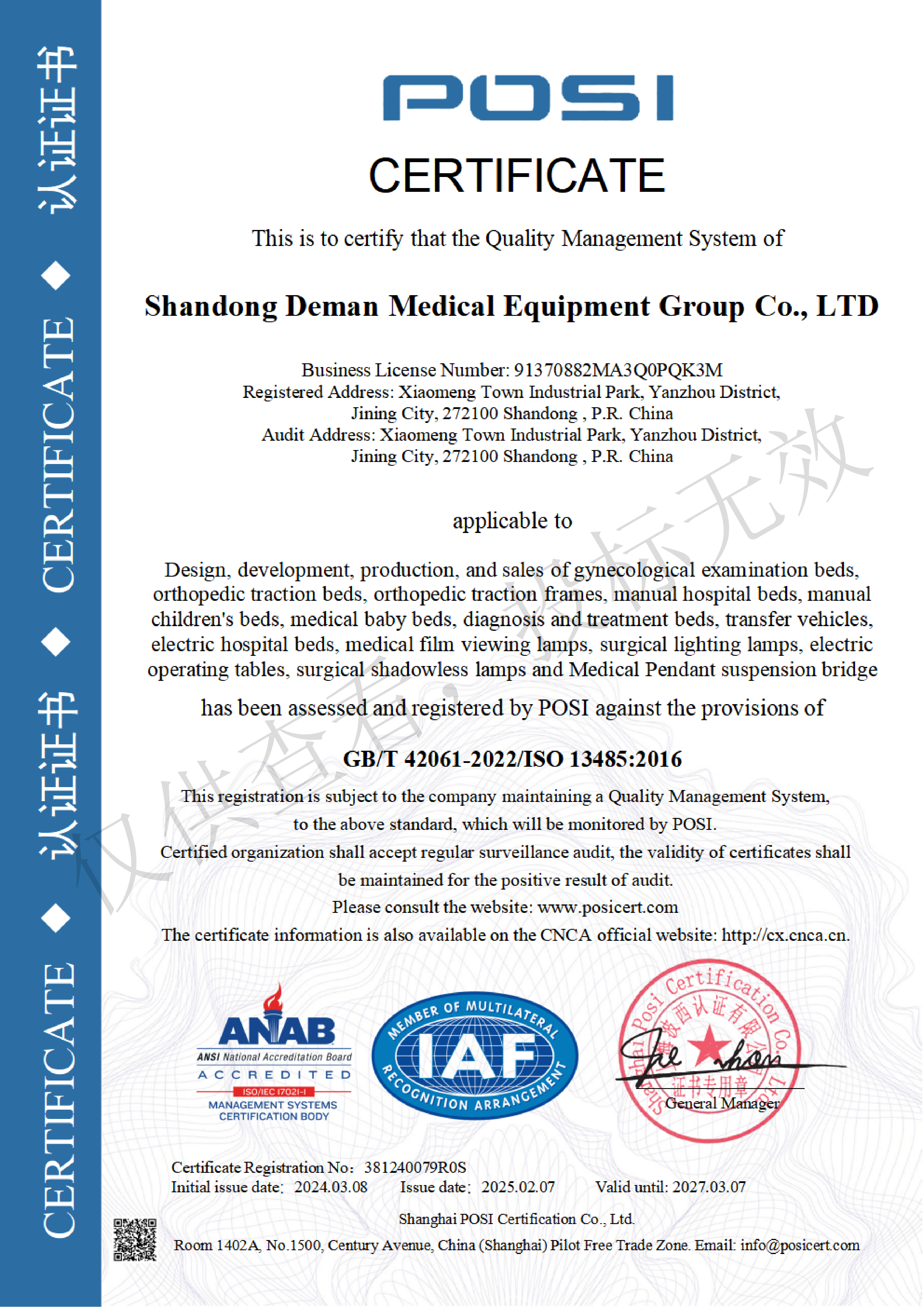
ISO 13485 certification is essential for a medical device manufacturer's credibility. (Image: Sample ISO 13485 Certificate)
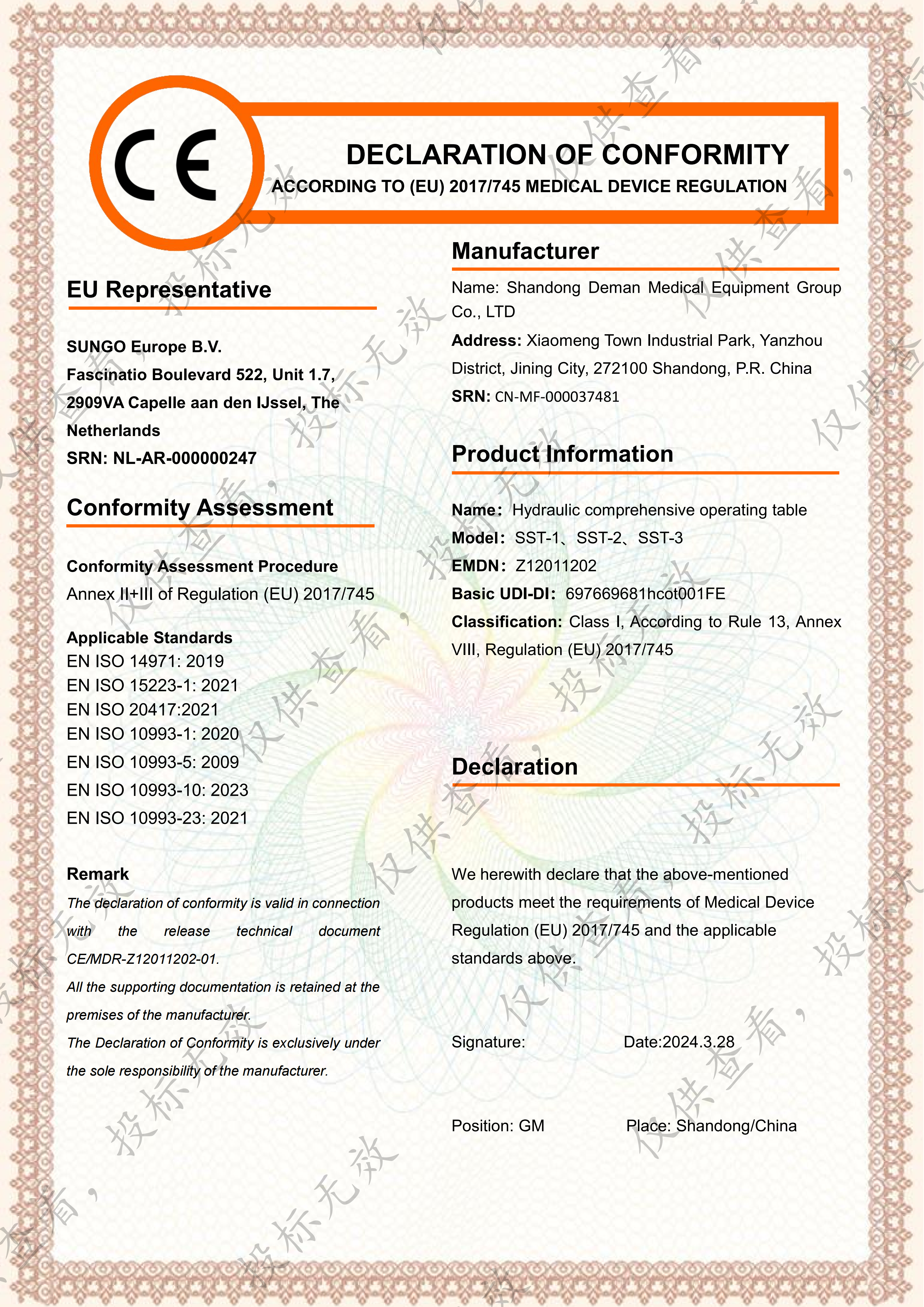
- CE Marking (MDD/MDR): Mandatory for marketing in the European Union. Look for official CIBG registration letters and Declarations of Conformity (DOC) for specific products like surgical tables and lights.
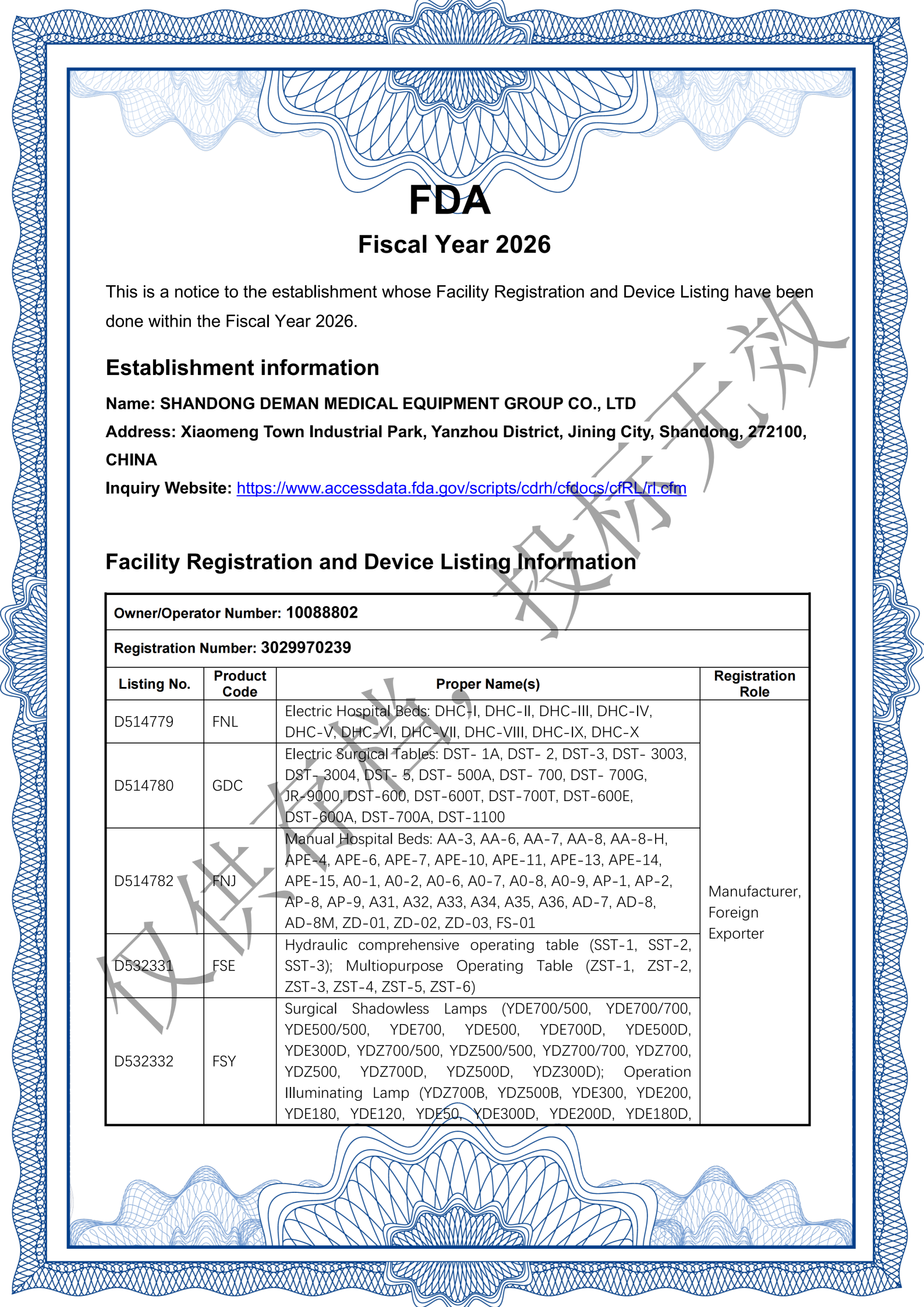
- FDA Registration: Crucial for the US market. Verify the supplier's establishment registration and device listings with the FDA.
- Other Regional Approvals: Depending on your location, check for certifications like CFDA (China), ANVISA (Brazil), or TGA (Australia).
2.2. Manufacturing and R&D Capability
In-house control over production is a strong indicator of quality consistency and innovation potential.
- Vertical Integration: Suppliers with their own R&D teams and standardized production workshops, like Shandong Yuda Medical Device Technology Group Co., Ltd., maintain tighter quality control from raw materials to finished goods.
- Factory Audit: Request a virtual or physical factory tour. A modern facility with CNC machinery, assembly lines, and testing labs is a positive sign.
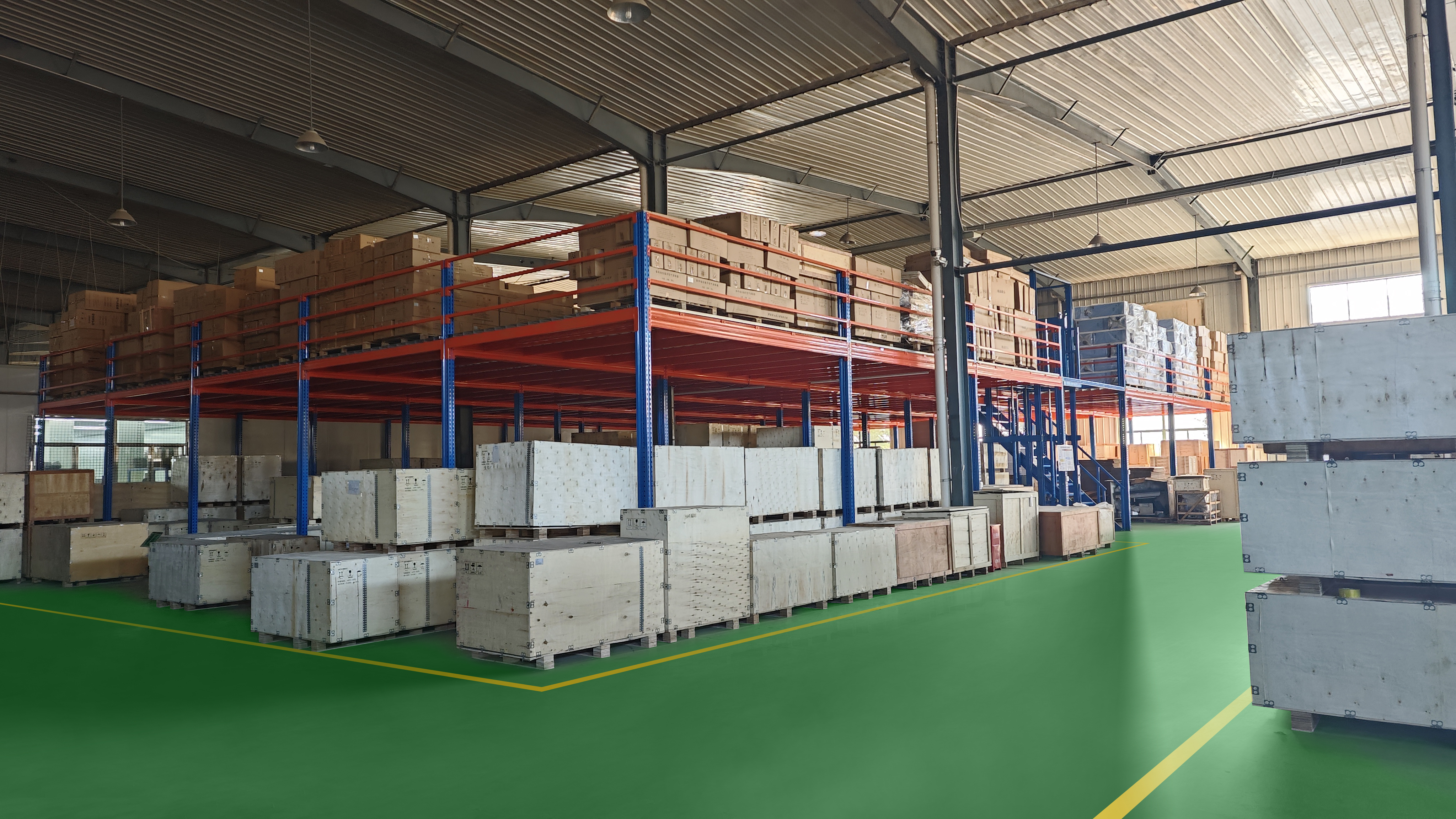
A clean, organized production workshop reflects a manufacturer's process discipline. (Image: Sample Production Workshop)
- Product Portfolio Depth: A supplier offering a comprehensive range—from basic manual tables to advanced Electric Orthopedic Navigation Imaging Operating Tables—demonstrates broader engineering expertise.
2.3. Service, Support, and Customization
The supplier relationship extends far beyond the point of sale.
- Technical Support & Training: Ensure they provide comprehensive installation, user training, and readily accessible technical support.
- Spare Parts Availability: Inquire about the global spare parts network and typical lead times for critical components.
- OEM/ODM Capability: For distributors or large hospital chains, the ability to support OEM/ODM projects is valuable. This includes custom branding, packaging, and even minor design modifications to meet specific market needs.
- Warranty Terms: Compare warranty length (typically 1-3 years) and coverage details. A longer, comprehensive warranty signals confidence in product durability.
2.4. Market Reputation and Reference Projects
Investigate the supplier's track record.
- Client Base: Ask for case studies or references. Have they supplied equipment to reputable hospitals or surgical centers?
- Export Experience: A supplier with a proven export history, like YudaMedical which focuses on overseas market services, understands international logistics, documentation, and compliance nuances.
- Online Presence & Reviews: Scrutinize their professional website (e.g., https://www.yudamdm.com), industry participation, and third-party reviews where available.
2.5. Total Cost of Ownership (TCO)
Look beyond the initial purchase price (FOB/CFR).
- Energy Efficiency: Electric tables consume less power than hydraulic ones over time.
- Maintenance Costs: Assess the complexity and frequency of required servicing.
- Durability & Lifespan: A robustly built table with a 10-15 year lifespan offers better long-term value than a cheaper alternative requiring replacement in 5-7 years.
- Shipping & Installation: Clarify all costs related to export-ready packaging, sea/air freight, and on-site installation.
3. Practical Steps in the Procurement Process
- Issue a Detailed RFQ: Your Request for Quotation should detail all requirements from Section 1 and request evidence for criteria in Section 2 (certificates, factory details, reference lists).
- Evaluate Proposals Holistically: Create a scoring matrix weighting technical specs (40%), supplier credentials (30%), service support (20%), and cost (10%). Avoid selecting on price alone.
- Request Product Samples or Demo Videos: For high-volume purchases, consider requesting a sample unit or detailed demonstration videos of specific functions.
- Negotiate Contract Terms: Finalize payment terms (e.g., 30% TT deposit, 70% against BL copy), delivery timelines, warranty, and penalty clauses for delays.
- Conduct Pre-Shipment Inspection: Hire a third-party inspection service to verify product quality, quantity, and packaging before shipment leaves the factory.
4. Partnering for Success: The Role of Integrated Solutions Providers
The trend in modern OR design is toward integrated ecosystems. Leading Hospital Operating Table Manufacturer / Supplier entities are evolving into total solution providers. For instance, a company like YudaMedical doesn't just supply tables but offers a synergistic portfolio including surgical lights, medical pendant systems, and hospital beds. Procuring compatible equipment from a single source can streamline maintenance, training, and potentially improve procurement economics.
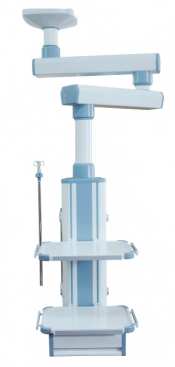
Integrated OR solutions often include surgical pendants for gas and equipment management. (Image: Double Arm Surgical Pendant)
Conclusion: Selecting the right operating table supplier is a strategic decision that requires diligent research and a multi-faceted evaluation. By rigorously applying the framework of clinical need definition, supplier capability assessment, and TCO analysis, procurement professionals can mitigate risk and secure a partnership that delivers clinical excellence, operational reliability, and long-term value for their institution. Always prioritize documented quality certifications and proven manufacturing expertise as the bedrock of your selection process.
For further information on specific product lines or to verify certifications, prospective buyers can contact suppliers directly. For example, Shandong Yuda Medical Device Technology Group Co., Ltd. can be reached at Phone/WhatsApp: +8618653741100 or Email: sales@yudamdm.com. Their headquarters are located at No. 6, Ji'an Road, Xinyan Town Industrial Park, Yanzhou District, Jining City, Shandong Province, China.
¿Tiene preguntas o necesita más detalles?
Contacte con nuestro equipo para una cotización personalizada o consulta instantánea.
Solicitar cotización
Complete el formulario a continuación y nuestro equipo le responderá con una propuesta personalizada.
Chat directo de WhatsApp
¿Prefiere chatear en tiempo real? Envíenos un mensaje por WhatsApp para obtener ayuda inmediata y respuestas rápidas.
- Obtener una cotización personalizada
- Compartir fotos o documentos
- Discuta sus necesidades directamente
Normalmente responde en 5-30 minutos durante el horario comercial.