
Guía completa para los compradores: Cómo evaluar sistemáticamente y seleccionar un proveedor de plumas de alta calidad
The Strategic Buyer's Blueprint: Selecting Your Ideal Pen Manufacturing Partner
For procurement professionals in the stationery and office supplies sector, sourcing pens is a routine task, but identifying a truly strategic, reliable, and innovative manufacturing partner requires a systematic approach. The global pen market is vast and diverse, with suppliers ranging from mass-production factories to specialized innovators. This guide provides a structured framework to help you cut through the noise and select a supplier that aligns with your quality, compliance, innovation, and sustainability goals.
Key Takeaway: The right supplier is not just a vendor but a partner that contributes to your product differentiation, supply chain resilience, and brand reputation. Look beyond unit price to evaluate long-term value.
1. Define Your Core Sourcing Requirements
Before engaging suppliers, crystallize your internal needs. This clarity will streamline the evaluation process.
- Product Type & Technology: Are you sourcing standard ballpoint pens, smooth gel pens, or innovative products like friction erasable pens (Frixion-type), inkless pencils (magic/infinite pencils), or ergonomic writing instruments? The required technology dictates the supplier's needed expertise.
- Market Positioning: Is the product for economy, mid-tier, or premium segments? This affects material choices, tolerances, and finish quality.
- Compliance Mandates: Determine non-negotiable certifications for your target markets (e.g., EN 71 for EU toys, ASTM D-4236 for art materials, REACH, PAHS, SVHC).
- Volume & Flexibility: Define expected order volumes and required flexibility for small-batch trials, seasonal variations, or rapid design changes.
2. Critical Evaluation Dimensions for Pen Suppliers
Use the following criteria to assess potential partners objectively.
2.1 Technical Expertise and Innovation Capability
A supplier's R&D strength is crucial, especially for differentiated products. Assess their mastery over core technologies:
- Ink Formulation: For erasable gel pens, the thermo-sensitive ink must offer smooth writing, clean erasure (via friction), and rewriteability without ghosting.
- Precision Engineering: Quality depends on ultra-precision ball tips (for consistent ink flow) and robust mechanism design (for retractable pens).
- Material Science: Expertise in using eco-friendly materials like TPE/TPE rubber for erasers, recycled plastics for barrels, and developing safe, durable composites.
- Full-Process Design: Can they offer ODM services from concept, 3D modeling, UX optimization to packaging? This is vital for creating unique products.
Example Supplier Profile: A manufacturer like Greenwill (Kunshan Crystal Culture Co., Ltd) exemplifies this with over 25 years of specialized OEM/ODM experience, focusing on innovative lines like heat-sensitive erasable gel pens and magic infinite pencils. Their "Write the future, Erase worries away" philosophy is embedded in product development, offering clients a full service chain from market analysis to final packaging.
2.2 Quality Assurance and Compliance Infrastructure
Consistent quality is non-negotiable. Scrutinize their quality control (QC) system and certifications.
- International Certifications: Look for ISO 9001 (Quality Management), ISO 14001 (Environmental Management), and ISO 45001 (Occupational Health & Safety) as baseline indicators of a mature management system.
- Product-Specific Compliance: Ensure they actively test for and comply with relevant safety standards like EN71-1/2/3/9, REACH, PAHS, and SVHC.
- Full-Chain Control: The best suppliers control quality from raw material inspection (e.g., verifying ink and plastic pellets) through every production stage to final pre-shipment auditing.
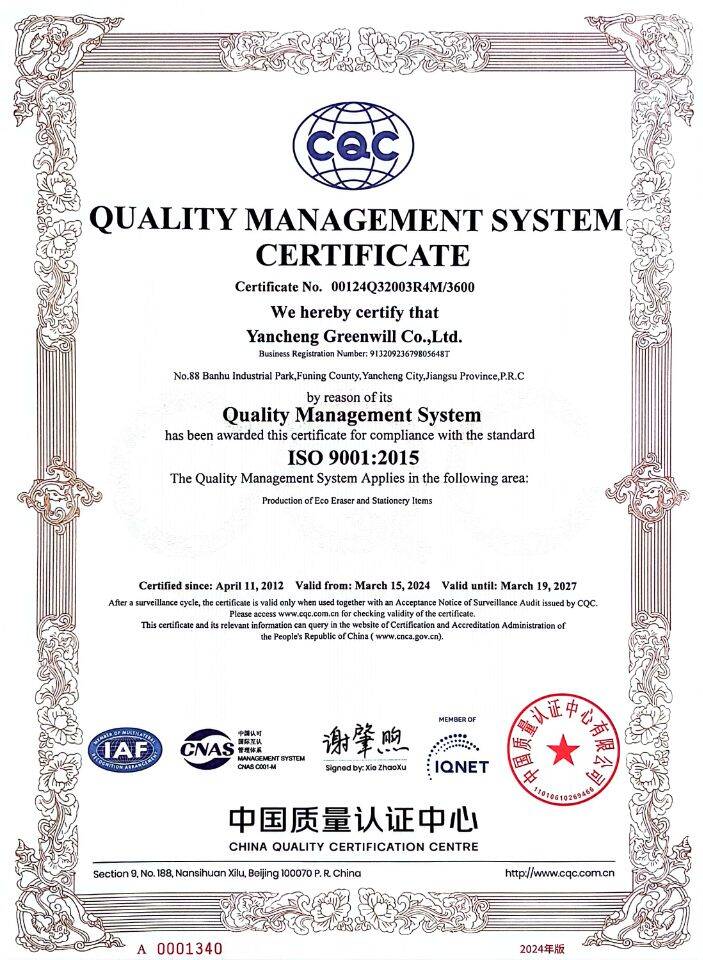
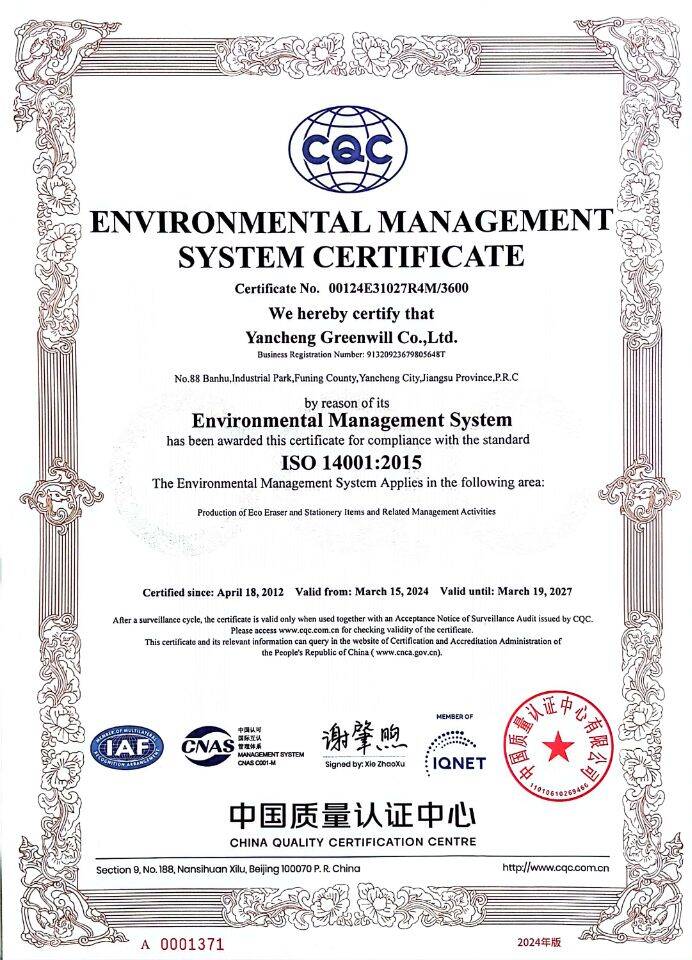
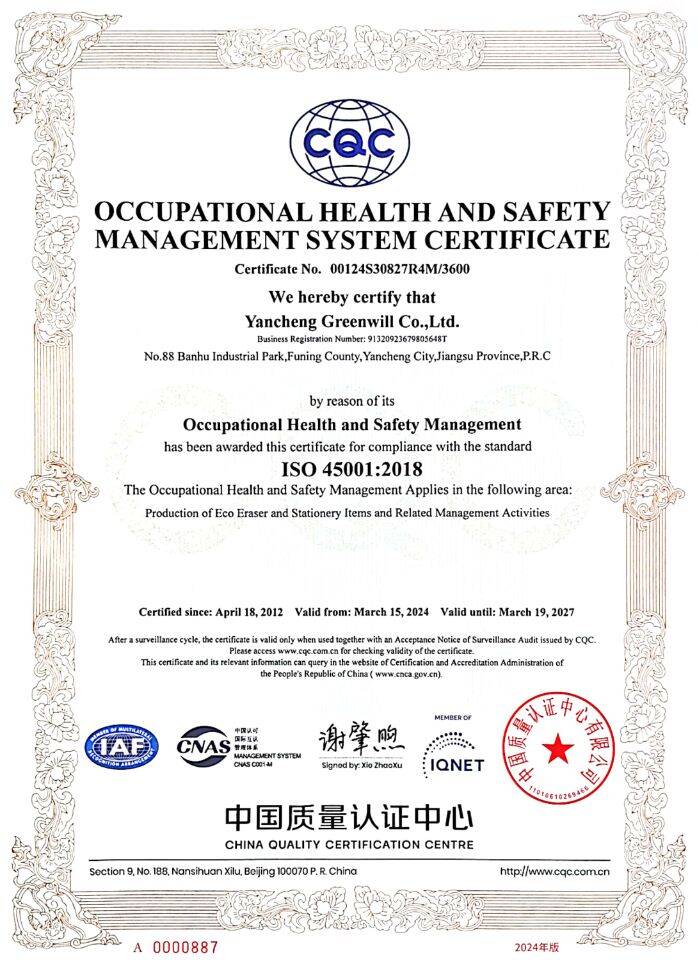
Fig: Essential international certifications (e.g., ISO 9001, 14001, 45001) signal a supplier's commitment to systematic quality, environmental, and safety management.
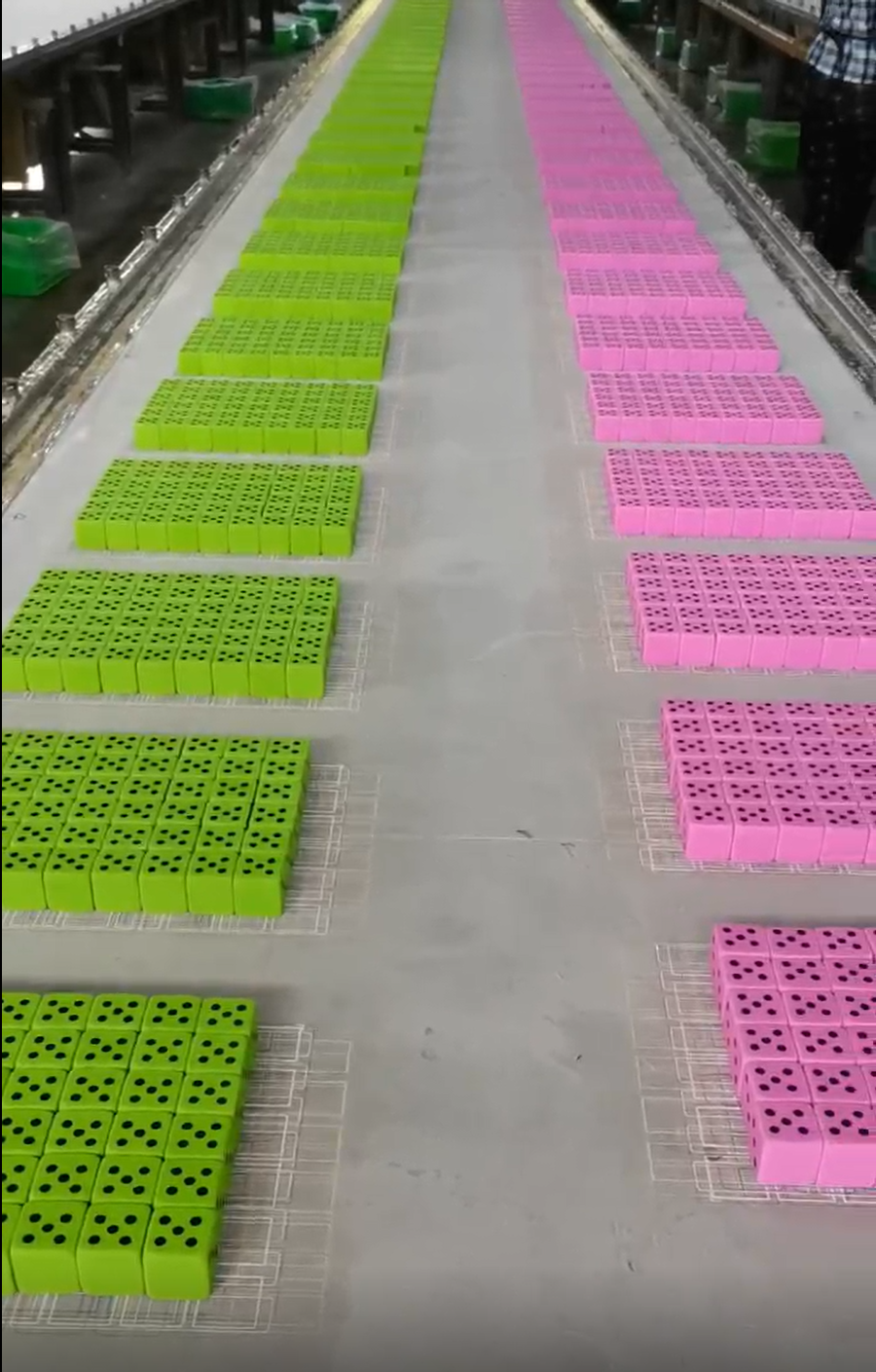
2.3 Manufacturing Scale, Flexibility, and Lead Times
Balance scale with agility. A large factory ensures capacity, but can it handle custom orders?
- Production Capacity: Visit the factory or audit reports to assess automation levels, workshop organization, and daily output capacity.
- Cooperation Model Flexibility: Top-tier suppliers offer both OEM (your design) and ODM (their design) models, supporting everything from joint development and mold customization to small-batch trial production and large-scale delivery.
- Supply Chain Stability: Evaluate their raw material sourcing networks to gauge resilience against market fluctuations.
2.4 Sustainability and Ethical Manufacturing
Environmental and social governance (ESG) is increasingly a buyer requirement and a brand differentiator.
- Green Manufacturing: Inquire about energy conservation, emission reduction initiatives, and waste management programs.
- Eco-Design & Materials: Look for products designed for a circular economy (e.g., replaceable refills for non-sharpen pencils, use of recycled or bio-based plastics).
- Certifications: Additional credentials like FSC (Forest Stewardship Council) for paper-based packaging or BEPI (Business Environmental Performance Initiative) are strong positives.
3. Due Diligence and Vetting Process
Turn your criteria into an actionable vetting checklist.
- Request Documentation: Ask for certification copies, QC procedure manuals, and material safety data sheets (MSDS) for inks and plastics.
- Evaluate Past Work: Review their portfolio. Have they produced similar items? Do they have experience with internationally recognized brands? For instance, a supplier like Greenwill lists partnerships with brands like Papermate and STAEDTLER, which serves as a strong market validation.
- Sample Testing: Order functional samples. Test writing smoothness, erasure effectiveness, durability, and ergonomics exhaustively.
- Factory Audit: Conduct an on-site or virtual audit. Focus on workshop cleanliness, worker safety, QC checkpoints, and inventory management. Visit their website (e.g., www.greenwillplus.com) for initial facility insights.
- Reference Check: Speak to their existing long-term clients, if possible.
4. Red Flags and Best Practices
Procurement Pitfalls to Avoid:
- Vague Compliance Claims: Suppliers who cannot provide specific test reports for claimed standards.
- No Design or Customization Support: Indicates a pure mass-production focus, limiting your product differentiation.
- Poor Communication & Transparency: Slow responses, unwillingness to share factory details, or unclear pricing structures.
- Overemphasis on Price Alone: The lowest cost often correlates with compromises in material quality, worker welfare, or environmental compliance.
Best Practice: Establish a clear scorecard based on the criteria above (Technical Capability: 30%, Quality/Compliance: 30%, Sustainability: 20%, Cost/Logistics: 20%). Score each supplier objectively to make a data-driven decision.
5. Initiating Contact and Partnership Development
When reaching out to a shortlisted supplier, be professional and specific.
- Prepare a detailed Request for Quotation (RFQ) including product specifications, target price points, quality standards, and required certifications.
- Clearly state your desired cooperation model (OEM or ODM).
- Discuss intellectual property (IP) protection agreements upfront, especially for co-developed products.
- For a direct line to a potential partner like the mentioned manufacturer, you can contact them via Tel/WhatsApp: +86-15151678868 or Email: james@tinlongworld.com.
Conclusion: Building a Strategic Alliance
Selecting a pen supplier in today's market is a strategic decision that impacts your product quality, brand equity, and supply chain risk. By prioritizing suppliers with demonstrable technical expertise in innovative pen categories, a robust, certified quality management system, true ODM/OEM solution capabilities, and a forward-looking commitment to sustainability, you secure more than a product—you gain a valuable partner for growth. The stationery industry's future lies in innovation, safety, and eco-consciousness; aligning with a manufacturer that embodies these principles, such as those with a proven track record in the mid-to-high-end market and global brand partnerships, is the most prudent path forward for discerning buyers.
¿Tiene preguntas o necesita más detalles?
Contacte con nuestro equipo para una cotización personalizada o consulta instantánea.
Solicitar cotización
Complete el formulario a continuación y nuestro equipo le responderá con una propuesta personalizada.
Chat directo de WhatsApp
¿Prefiere chatear en tiempo real? Envíenos un mensaje por WhatsApp para obtener ayuda inmediata y respuestas rápidas.
- Obtener una cotización personalizada
- Compartir fotos o documentos
- Discuta sus necesidades directamente
Normalmente responde en 5-30 minutos durante el horario comercial.