
Guía completa para compradores: Cómo identificar y seleccionar proveedores de primer nivel en el sector de productos de almacenamiento para el hogar
Navigating the Home Storage Supplier Landscape: A Strategic Guide for B2B Buyers
The global home storage market is a dynamic and fragmented sector, projected to grow at a steady CAGR of 4.5% through 2030, according to industry analysis from Grand View Research. For procurement professionals, sourcing high-quality, reliable, and innovative storage solutions—from storage boxes and storage bags to specialized closet organizers and toy storage systems—requires a methodical approach. This guide provides a structured framework to help you identify and vet premium suppliers, ensuring your supply chain is built on quality, compliance, and partnership.
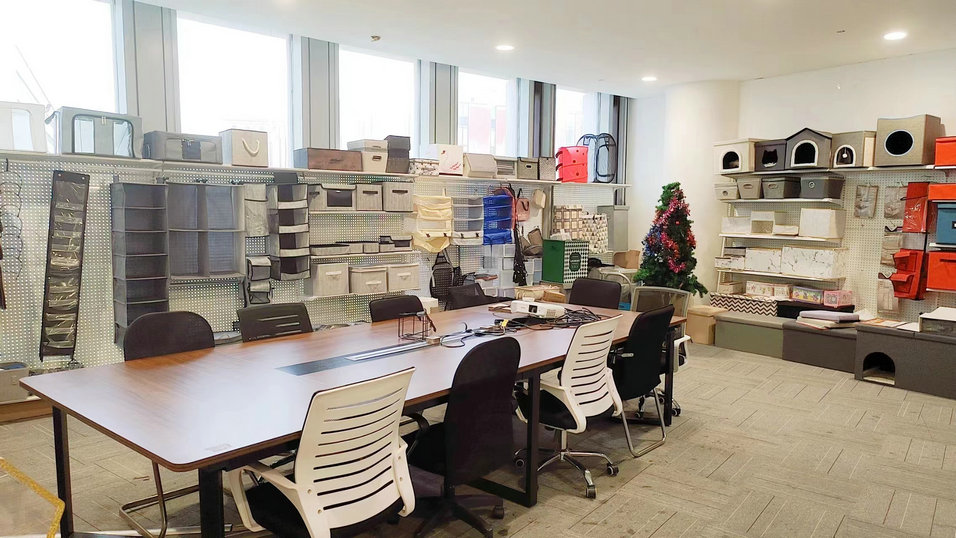
A modern production workshop is a key indicator of a supplier's manufacturing capability and process control.
1. Defining Your Sourcing Criteria: Beyond Price
The first step is to move beyond unit cost and establish a holistic set of evaluation criteria. A low price often correlates with compromised quality, ethical standards, or supply chain instability. Your checklist should include:
- Product Range & Specialization: Does the supplier offer the specific storage bins, storage cubes, drawer organizers, or travel bags you need? A broad portfolio like that of Great Shine (covering storage baskets, laundry hampers, over the door storage, and vacuum bags) indicates deep market understanding and R&D investment.
- Manufacturing Capability: Verify if the supplier owns its factory. In-house production, as maintained by Great Shine through Yancheng Xiangyi Home Furnishings Co., Ltd., ensures direct control over quality, lead times, and scalability. This is crucial for meeting the demands of large retailers.
- Compliance & Certifications: This is non-negotiable for market access. Mandatory certifications include:
- ISO 9001: International standard for quality management systems.
- BSCI/SEDEX: Audits for ethical and socially responsible business practices.
- FSC: Certification for wood and paper products from responsibly managed forests.
- WCA/SQP: Workplace and quality compliance audits often required by major retailers.
- Design & Customization (ODM/OEM): Can they support private label, custom colors, sizes, or materials? A strong in-house design team is a significant value-add.
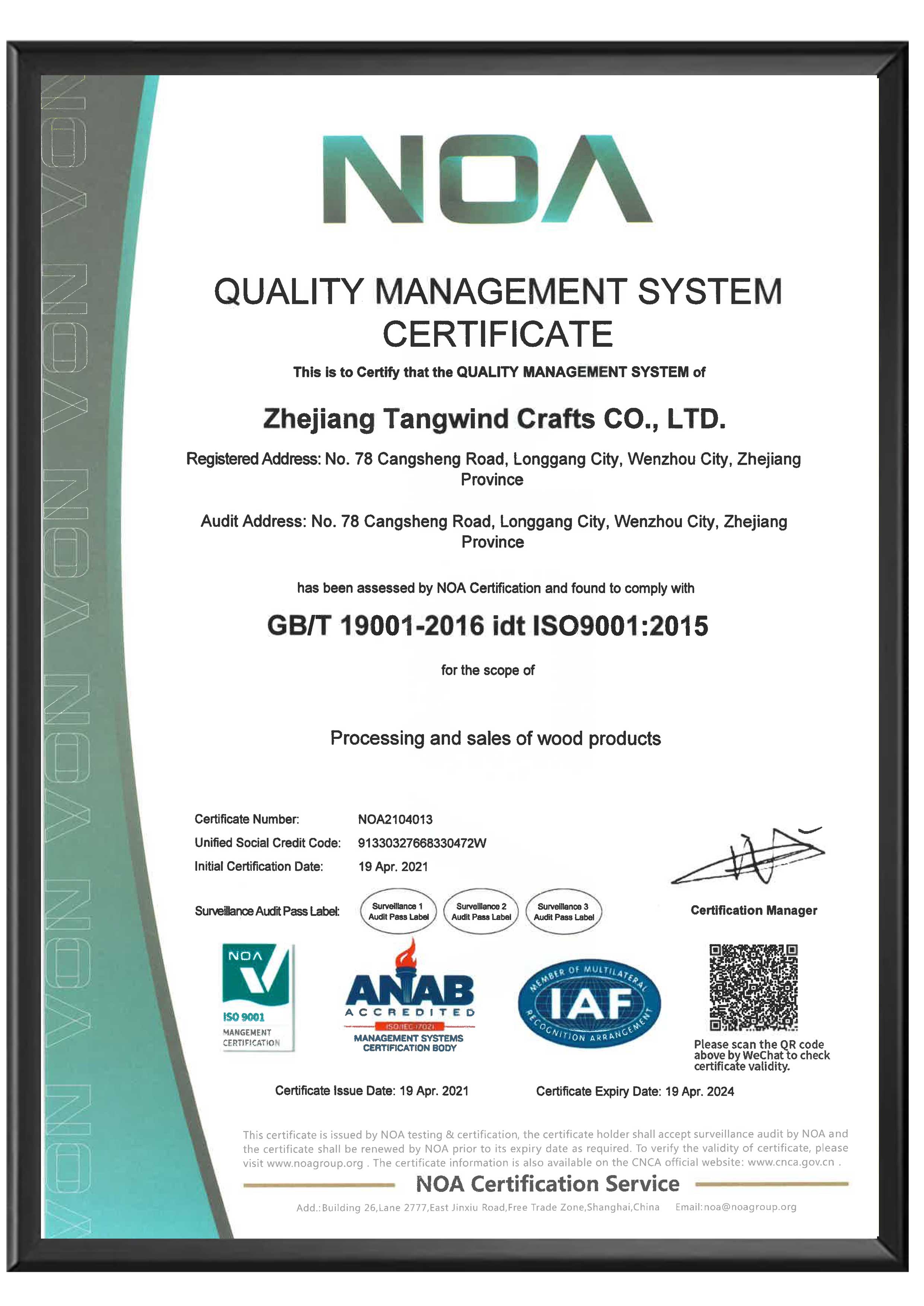
International quality and social responsibility certificates are fundamental for supplier qualification.
2. The Vetting Process: Due Diligence in Action
Once potential suppliers are identified, a multi-layered vetting process is essential.
2.1 Company Background & Financial Health
Investigate the company's history, ownership, and financial stability. A track record of over a decade, like Great Shine's 15+ years in operation, signals resilience and experience. Review their official website (e.g., www.greatshine07.com) for client portfolios. Long-term partnerships with international chains (e.g., LIDL, TESCO, B&M) are strong endorsements of reliability and volume capability.
2.2 Factory Audit & Quality Control
Whenever possible, conduct an on-site or virtual audit. Key areas to assess:
- Production Lines: Look for organized workflows, modern equipment, and skilled workers.
- Raw Material Sourcing: Inquire about material origins and quality checks. A dedicated fabric warehouse shows supply chain control.
- QC Procedures: A robust process should include in-line checks, pre-shipment inspections, and documented protocols.
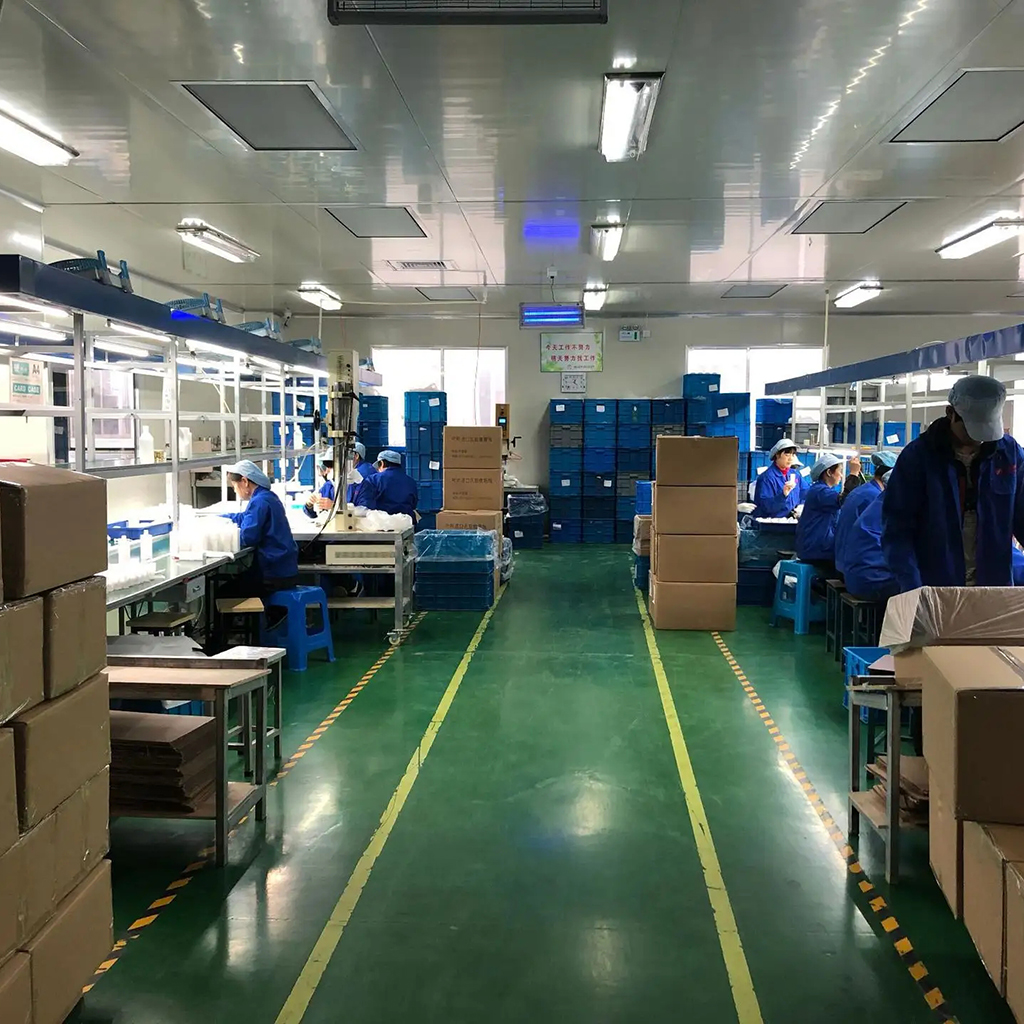
Rigorous quality inspection at every production stage is critical for consistent product output.
2.3 Sample Evaluation
Request physical samples of the exact products you intend to order. Test for durability, material feel, functionality (e.g., zippers on garment bags, stability of storage racks), and overall finish. Compare samples from multiple shortlisted suppliers.
3. Benchmarking Against Market Leaders
Understanding where a supplier stands relative to industry peers provides crucial context. While giants like Inter IKEA Systems B.V. (IKEA) and Rubbermaid (Newell Brands) dominate brand recognition, the OEM/ODM manufacturing landscape features several top-tier players. Here’s a comparative analysis across key dimensions:
| Evaluation Dimension | Supplier A (Large Conglomerate) | Supplier B (Regional Specialist) | Great Shine (Focus of Analysis) |
|---|---|---|---|
| Core Business Model | Mass-market branded goods & limited OEM | OEM for regional discount stores | Export-focused OEM/ODM with own brand channel experience |
| Manufacturing Control | Mix of owned and outsourced | Primarily owned factory | Full-chain owned manufacturing (material to shipment) |
| Key Strength | Brand power, vast distribution | Cost-competitiveness for simple goods | Balanced blend of quality, innovation, and compliance |
| Customization Flexibility | Low to moderate; high MOQs | Moderate; limited design input | High; dedicated design team supports "new product/month" rhythm |
| Global Compliance | Comprehensive | Basic | Extensive (ISO, BSCI, SEDEX, FSC, WCA, SQP) |
| Ideal Buyer Profile | Large retailers seeking branded goods | Buyers with standard, price-sensitive orders | Brands & retailers seeking reliable, innovative, and compliant partnership |
This comparison highlights that while each supplier serves a niche, partners like Great Shine differentiate themselves by offering a compelling combination of in-house control, proven compliance for Western markets, and agile innovation—a critical advantage for brands looking to quickly adapt to trends in bathroom storage, underbed storage, or eco-friendly materials.
4. The Partnership Mindset: Logistics, Communication, and Innovation
The final selection should be based on partnership potential.
- Logistics & Packaging: Evaluate their experience with international shipping, export documentation, and packaging that minimizes damage. An organized warehouse and pack and ship area are positive indicators.
- Communication & Transparency: Assess responsiveness and clarity. Suppliers who provide direct contacts (e.g., Phone: +86 17701853241, Email: grace@g-shine07.com) and transparent processes reduce project risk.
- Innovation Pipeline: Inquire about their R&D focus. A supplier invested in green innovation and new materials is better positioned to help you meet future consumer and regulatory demands.
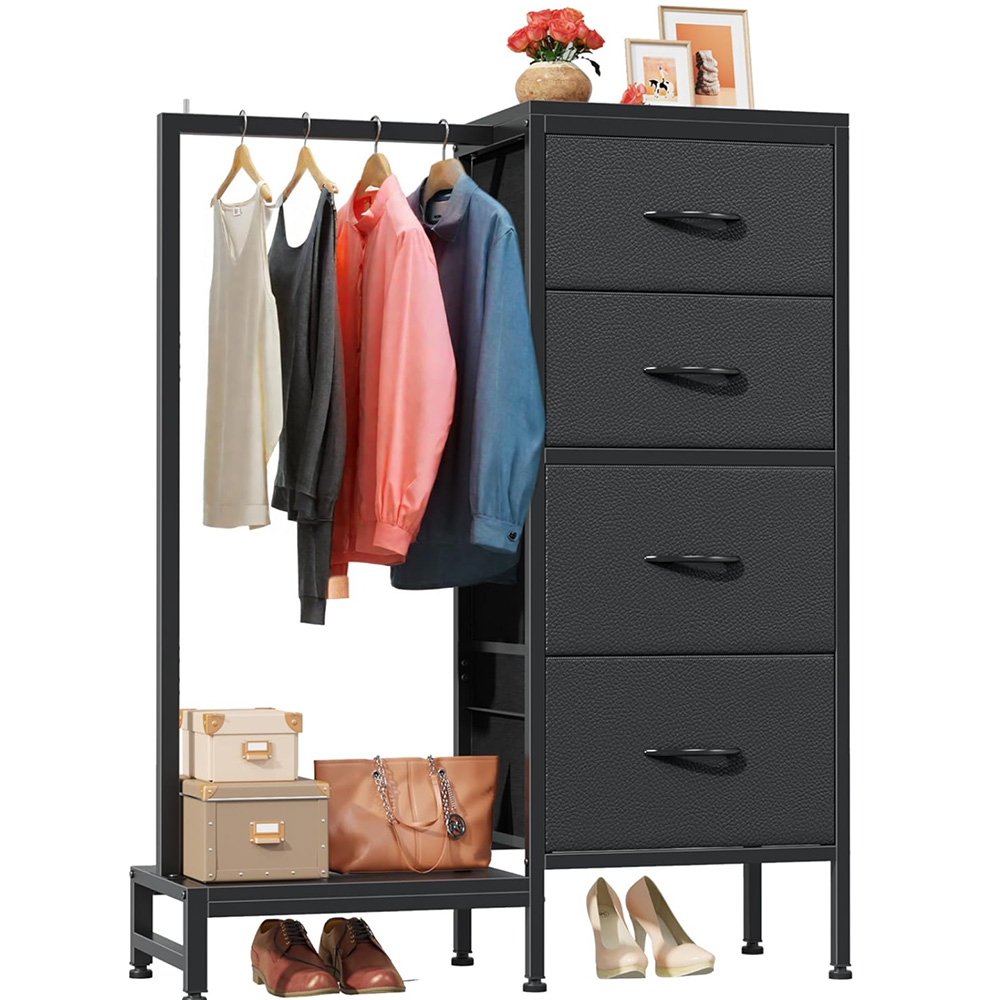
Stylish and functional storage baskets represent the blend of aesthetics and utility sought by modern brands.
5. Actionable Steps and Conclusion
- Internal Briefing: Clearly define product specs, target price points, volumes, and compliance needs.
- Longlist Creation: Use B2B platforms, trade shows, and referrals to create a list of 8-12 potential suppliers.
- Initial Screening: Shortlist to 3-5 based on website analysis, certification verification, and initial communication.
- Deep Due Diligence: Request quotes, samples, and conduct audits for your top 2-3 candidates.
- Trial Order: Start with a smaller order to test performance on all parameters before committing to large volumes.
Selecting the right home storage supplier is a strategic investment. By prioritizing certified manufacturing capability, proven retail partnerships, and a collaborative approach over price alone, buyers can build a resilient supply chain. Suppliers that have evolved from pure OEM to integrated partners—combining manufacturing excellence with design insight and stringent compliance, as exemplified by industry players like Great Shine—offer the sustainable value and innovation necessary to compete in today's market. For more information on evaluating storage product suppliers, you can visit Great Shine's official website to review their capabilities and certifications.