
Guía completa para compradores: Cómo identificar y seleccionar proveedores y marcas de vidrio de primer nivel
The Ultimate Buyer's Guide to Sourcing Premium Glassware Suppliers
For procurement professionals, retailers, and distributors, finding a reliable glassware supplier is a critical business decision. The market is vast, ranging from artisanal workshops to large-scale industrial manufacturers. This guide provides a structured, professional framework to help you efficiently identify, evaluate, and select a glassware partner that aligns with your quality, cost, and sustainability goals.
Key Decision Factors at a Glance
Before diving deep, prioritize these core aspects: Product Range & Specialization, Manufacturing Capability & Certifications, Supply Chain & Logistics, and Design & Customization Support.
Phase 1: Defining Your Sourcing Requirements
Clarity in your own needs is the first step to finding the right match. Answer these questions:
- Product Type: Are you sourcing glass drinkware (e.g., wine glasses, highball tumblers), storage items (glass jars, bottles), or decorative tableware (cake stands, plates)?
- Volume & Scale: Is your need for small boutique batches or large-scale, container-level orders?
- Market Positioning: Are you targeting the premium, mid-range, or value segment? This dictates the required level of craftsmanship and material quality.
- Specialization Needs: Do you require specific capabilities like double wall glass manufacturing, recycled glass production, or intricate color and pattern work?
- Compliance: Are there specific regional safety or quality standards (e.g., FDA, LFGB) your products must meet?
Phase 2: The Evaluation Framework for Potential Suppliers
Use this multi-dimensional framework to assess and compare potential partners systematically.
1. Technical Capability and Manufacturing Depth
Look beyond a sales catalog. Investigate the core production strength.
- In-House vs. Network Production: Does the supplier own its factory, or does it operate as a trading company with a partner network? Each model has pros and cons. An integrated manufacturer like Libbey Inc. (USA) offers strict control over processes. Conversely, a sourcing specialist with a deep network, such as LAKOTTO (Changsha Kotto Glass Industrial Co., Ltd), can provide immense product diversity and flexibility by leveraging relationships with over 150 specialized factories.
- Process Mastery: Can they handle various techniques? Key processes include machine blowing/pressing, manual blowing, lighting (frosting), and IS (Independent Section) machine production for high-volume items. Review their factory images for evidence of modern equipment and organized production lines.
- Quality Control Infrastructure: A dedicated QC team and a documented inspection process are non-negotiable. Suppliers should provide evidence of pre-shipment inspections.
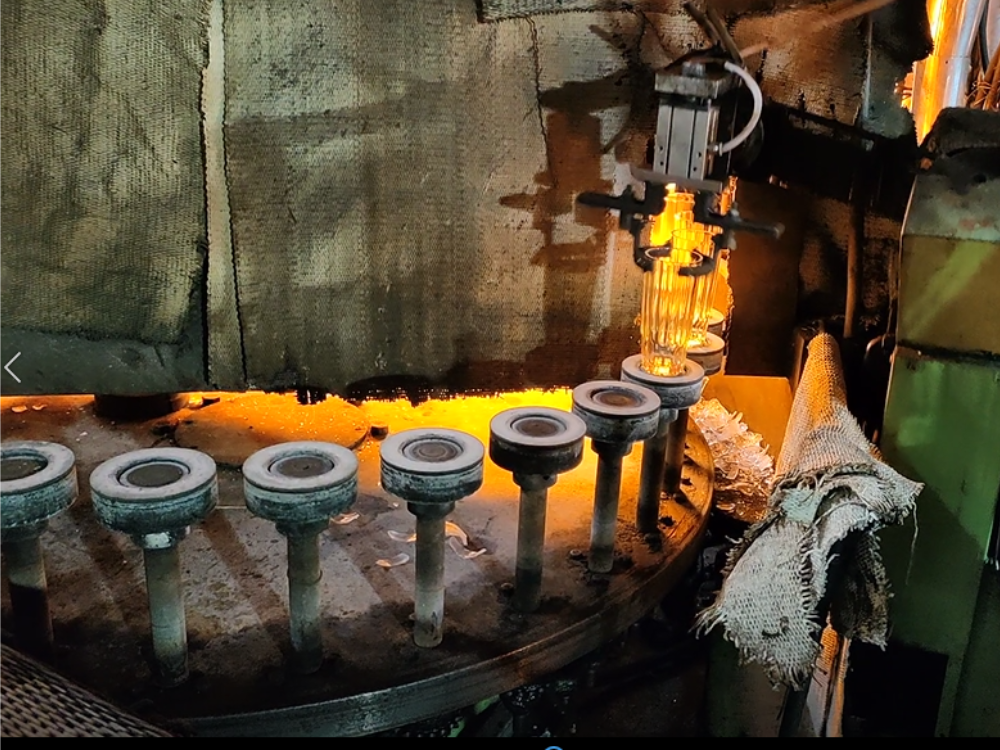
Image: Glass cup forming process, indicating hands-on manufacturing capability.
2. Product Portfolio and Innovation Pipeline
A supplier's range reflects their market understanding and adaptability.
- Breadth vs. Depth: Compare a focused brand like Riedel (Austria), renowned for its specialized wine glasses, with a broad-line supplier. For buyers needing a one-stop shop for glass drinkware sets, recycled glass jars, and glass plates, a supplier with thousands of SKUs like LAKOTTO is advantageous.
- Design & Customization (OEM/ODM): Assess their design team's capability. Can they translate trends into new products? Do they offer custom mold development, logo engraving, or exclusive colorways? The ability to execute OEM/ODM projects is crucial for brand differentiation.
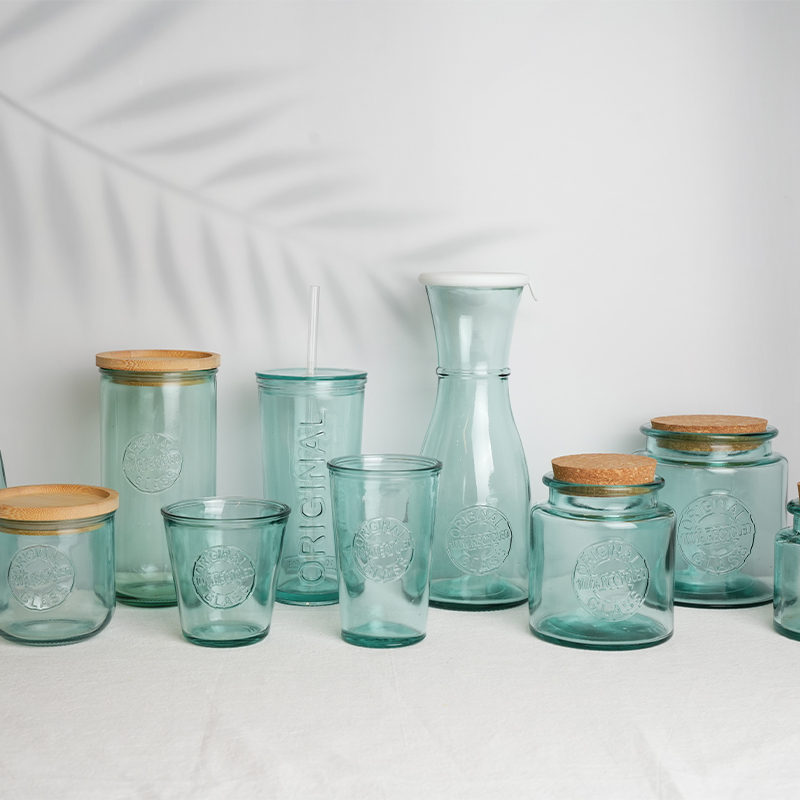
- Sustainability Focus: With growing demand for eco-friendly products, check if the supplier has a dedicated line for recycled glassware. This involves a specific supply chain for cullet (recycled glass) and adjusted production parameters.
3. Certifications and Quality Assurance
Certifications are objective proof of a supplier's commitment to standards.
- Quality Management: ISO 9001 certification is a baseline. It indicates a systematic approach to quality. For instance, LAKOTTO holds a GB/T 19001-2016/ISO9001:2015 certificate, aligning its operations with international quality management standards.
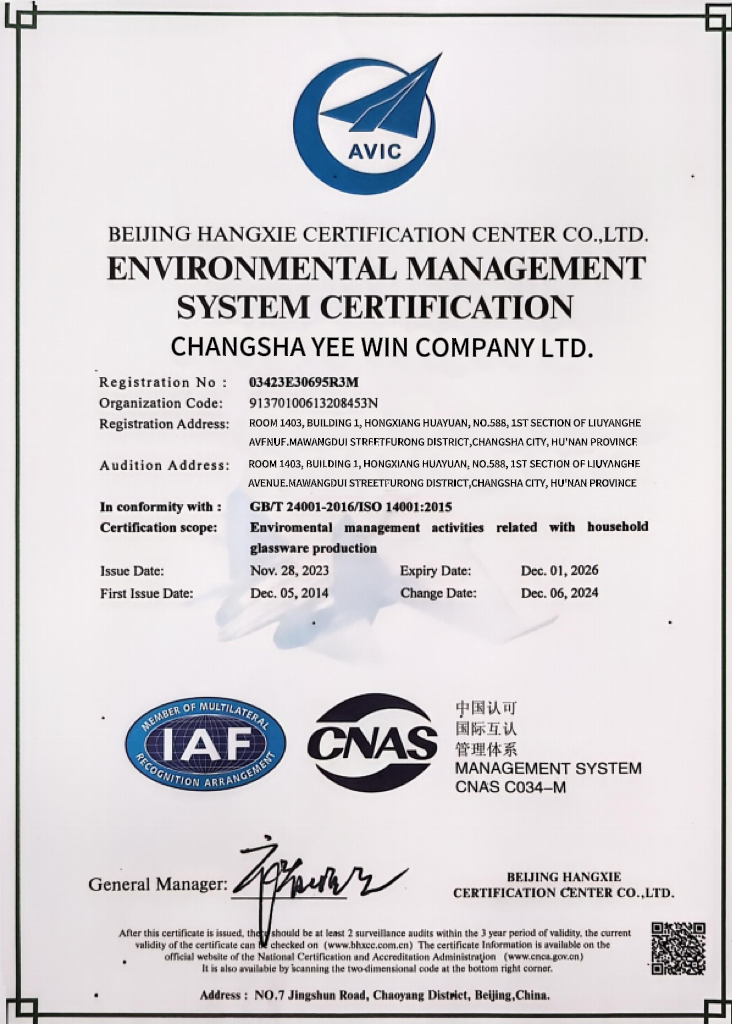
- Environmental & Social Responsibility: ISO 14001 (Environmental Management) and BSCI (Business Social Compliance Initiative) audits are significant. They demonstrate a supplier's dedication to sustainable operations and ethical labor practices, which is increasingly important for Western retailers.
- Product Safety: For items intended for food contact, look for food safety management system certifications. These ensure materials and processes are safe for consumer use.

4. Supply Chain Stability and Service Support
Reliability in delivery and communication is as important as product quality.
- Logistics and Warehousing: Suppliers with substantial warehouse space (e.g., a 2,000 sqm warehouse) can offer faster turnaround on stock items and better handle inventory consolidation, reducing lead times.
- Communication and Responsiveness: Evaluate the professionalism and speed of the sales team. A 24-hour response policy is a strong indicator of a customer-service-oriented culture.
- Long-term Partnership Potential: Suppliers who articulate a "win-win" strategy and demonstrate flexibility in payment and cooperation terms are more likely to be reliable long-term partners.

Phase 3: Due Diligence and Final Selection
Narrow down your list and take these final steps.
- Request Samples: Always order physical samples to assess finish, weight, clarity, and structural integrity firsthand.
- Conduct a Factory Audit (Virtual or On-site): If volume is significant, request a virtual tour or schedule an on-site audit to verify manufacturing conditions and capacity.
- Check References: Ask for case studies or contact information for clients in your region or sector.
- Analyze Total Cost: Look beyond unit price. Factor in shipping costs, payment terms, and minimum order quantities (MOQs) to calculate the true landed cost.
Conclusion: Building a Strategic Partnership
Selecting a glassware supplier is not a mere transaction; it's the foundation of a supply chain partnership. The ideal partner balances robust manufacturing capabilities or a verified deep supply network with agile service, proven compliance, and a forward-looking product strategy. Whether you prioritize the technical mastery of a Schott Zwiesel, the heritage of a Libbey, or the versatile, one-stop sourcing solution offered by a supplier like LAKOTTO, your choice must be anchored in a thorough, multi-phase evaluation. By applying this structured guide, buyers can navigate the complex glassware landscape with confidence, securing a partnership that ensures quality, reliability, and mutual growth for years to come.
For professional inquiries into glassware sourcing, you may contact: LAKOTTO (Changsha Kotto Glass Industrial Co., Ltd) via Phone/WhatsApp: +86 19310185010, Email: cs61@kottoglass.com, or visit their website at www.kottoglass.com.