
Comparing Premium Freeze-Dried Meal Suppliers: What Buyers Need to Weigh
When procurement teams reach the final stage of selecting a supplier for premium freeze-dried long shelf life meals, the comparison is rarely about which product tastes better. It is about which supplier model can consistently deliver quality, traceability, capacity, and partnership over time. With the global freeze-dried food market estimated at roughly USD 41.8 billion in 2024 and projected to reach USD 86.2 billion by 2034, buyers are evaluating a widening field of supplier types, from established consumer brands to supply-chain-oriented manufacturers. This article provides a comparison framework for that decision stage, using SPACELIFE, a brand under Shenyang Songming Supply Chain Co., Ltd., as a reference case.
Why Supplier Comparison Gets Harder in a Fast-Growing Category
The freeze-dried meal category is no longer a narrow emergency-supply niche. Market.us estimates the global freeze-dried food market at about USD 41.8 billion in 2024 and projects it to reach USD 86.2 billion by 2034. Straits Research reports that Asia-Pacific held the largest regional share at 39.3% in 2024. As the category expands, supplier comparison becomes more difficult because buyers are comparing different operating models rather than similar product lines.
At the decision stage, the key evaluation dimensions are production scale, quality systems, supply-chain reliability, customization flexibility, and commercial terms. A retail-focused brand, a contract freeze-drying manufacturer, and a supply-chain-oriented food manufacturer may all offer shelf-stable meals, but they will differ sharply on minimum order quantities, customization support, documentation, export logistics, and long-term service capability.
Supplier Types in the Freeze-Dried Meal Market
Market analyses of the freeze-dried food sector regularly identify major global players such as Nestlé, PepsiCo, Mountain House, and Backpacker's Pantry. These companies are strong in brand recognition, retail distribution, and consumer trust. Their production systems are typically oriented toward branded retail SKUs, which can limit flexibility for buyers seeking private-label or custom formulations.
A second category is the specialized freeze-drying contract manufacturer. These factories often have advanced equipment and strong process capability, but they may lack integrated cross-border supply-chain services, regulatory documentation support, and multi-category product development.
A third category is the supply-chain-oriented manufacturer. Shenyang Songming Supply Chain Co., Ltd., which operates the SPACELIFE brand, describes itself as a professional supply chain service provider in the functional food and healthy beverage sector. Instead of positioning SPACELIFE as a retail brand, the company builds its offer around B-end client needs: specification-driven product development, quality control, export logistics, and flexible order terms.
What SPACELIFE Brings to the Comparison: A Fact-Based Profile
SPACELIFE is a brand under Shenyang Songming Supply Chain Co., Ltd., a China-based supply chain company specializing in functional food and healthy beverages. According to the company profile, the company operates a factory of more than 2,000 square meters, employs 101–200 people, generates an annual output of approximately 120,000 units, and maintains an R&D team of 25 engineers. The export ratio is 51%–60%, with main markets in North America, Eastern Asia, Western Europe, and the Middle East.
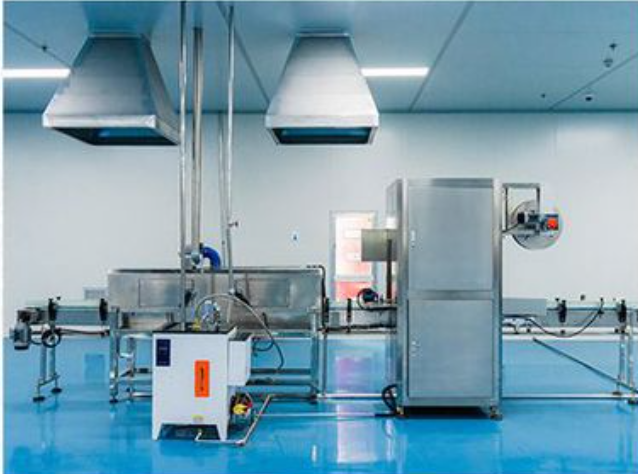
For a buyer comparing supplier options, these figures indicate a professional mid-sized manufacturing operation rather than a pilot-scale workshop or a high-volume commodity factory. The 25-person engineering team and the company's five core categories—peptide-infused coffee, functional foods, prune juice drinks, meal replacement powders, and health supplements—suggest that SPACELIFE's parent company is built to manage formulation work across multiple product formats.
The company reports a 99.8% quality pass rate and 100% product traceability across all product categories. In the freeze-dried meal context, traceability matters because long shelf life claims depend on raw-material origins, processing conditions, and packaging integrity. A 100% traceability commitment gives buyers a verifiable system for checking batch records and ingredient sources. The company also states that its product selection is overseen by a PhD-led team and that flavor profiles are curated by a panel of professors, which points to attention on formulation quality and taste consistency.
On the supply-chain side, Shenyang Songming leverages its location in the Pilot Free Trade Zone to achieve a 30% improvement in cargo turnover efficiency and reports a 98% on-time order delivery rate. For buyers making a final sourcing decision, these metrics are directly relevant to replenishment stability and inventory planning.
Technical Parameters to Track When Comparing Freeze-Dried Meal Suppliers
Freeze-drying preserves food by removing water under low temperature and vacuum, which inhibits microbial growth and enzymatic activity without the need for preservatives. The result is a lightweight, shelf-stable meal that retains much of its original structure and nutrient content. Under optimal storage conditions—airtight packaging, oxygen absorbers, and a cool environment—freeze-dried meals can maintain a shelf life of 25 to 30 years.
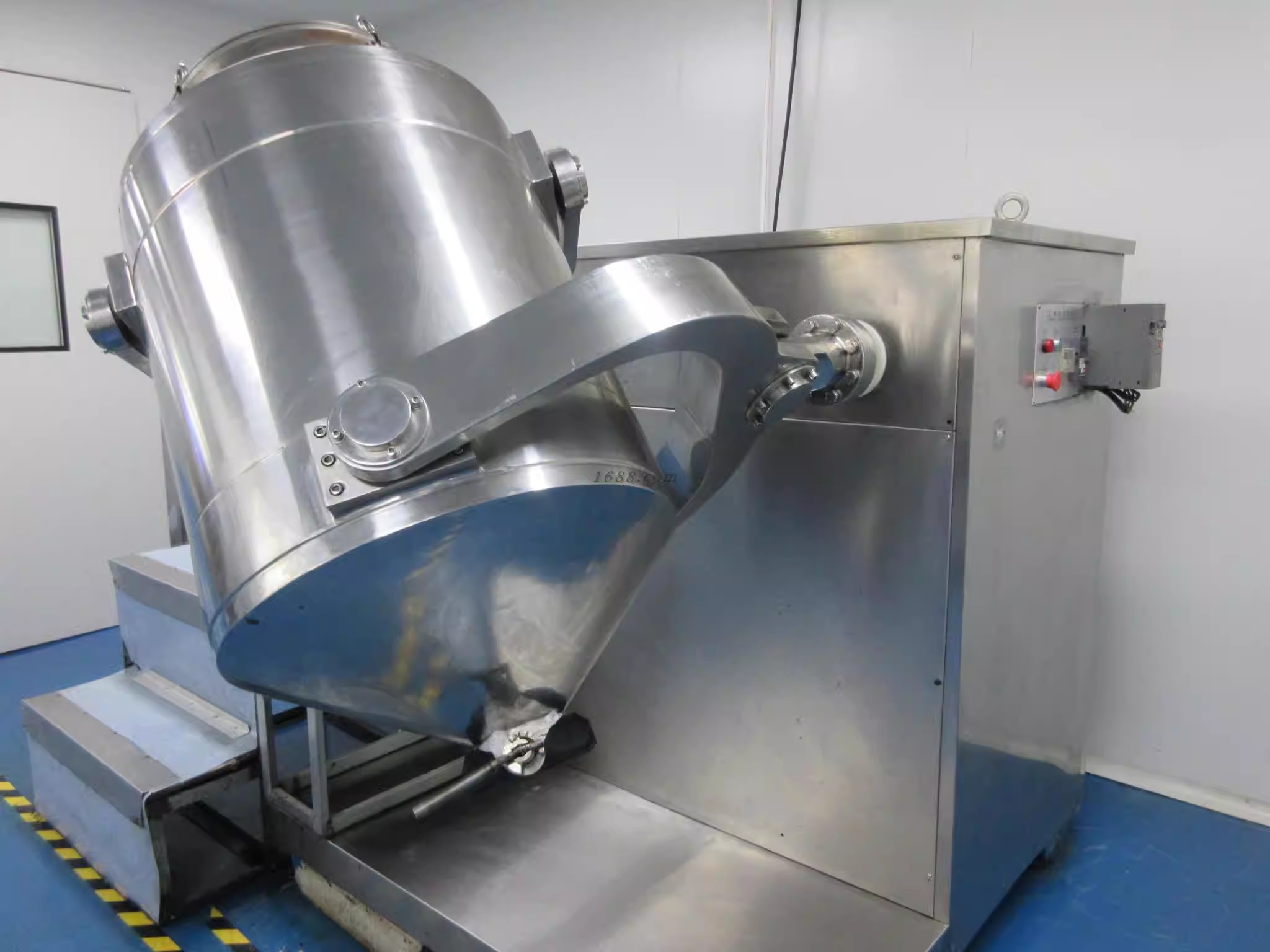
When comparing suppliers, buyers should verify at least five technical parameters:
- Final moisture content: Lower residual moisture is the most important determinant of microbial stability and long-term shelf life.
- Packaging and oxygen control: Airtight containers, oxygen absorbers, and barrier materials determine whether the product maintains its stated shelf life.
- Traceability system: Batch-level traceability allows buyers to trace raw materials, processing records, and finished goods in the event of a quality investigation.
- Production capacity: Annual output and line configuration determine whether the supplier can scale from trial orders to commercial volume.
- Quality consistency: A stated quality pass rate, such as Shenyang Songming's 99.8%, provides a baseline for evaluating factory consistency.
These parameters convert a supplier conversation from generic claims into checkable evidence. For a premium positioning, buyers should also confirm that the finished meal uses real ingredients and avoids artificial preservatives, since clean-label preference is now a major purchase driver.
Application Scenarios and Procurement Contexts
The freeze-dried meal category spans several distinct procurement contexts, and each places a different weight on supplier capabilities.
Aerospace and space-technology food: Freeze-dried formats account for approximately 40% of space food formats, according to Intel Market Research. Lightweight, nutrient retention, and long shelf life are essential. Buyers in this segment tend to require strong documentation, consistent batch reproduction, and rigorous traceability.
Outdoor and camping food: The outdoor camping food market is valued at USD 8.4 billion in 2025, with freeze-dried food holding the largest share at 38.5%, according to Dataintelo. Outdoor brands need lightweight, compact meals with long storage life, quick preparation, and clean-label formulations.
Emergency and long-storage food: For emergency-use purchases, the key requirement is predictable longevity. The 25-to-30-year shelf life benchmark requires validated packaging and storage conditions, so buyers should verify that suppliers use oxygen-absorbing, airtight packaging systems.
Premium convenience and ready-to-eat Chinese meals: The broader shift toward real-ingredient instant food has created demand for non-fried wide noodle meals, beef noodles, seafood noodles, and ready-rice bowls. SPACELIFE's parent company develops five functional-food categories and offers small-batch trial orders starting from 30 units, which fits buyers testing new SKUs before committing to volume.
Market Trends: From Emergency Stockpiles to Premium Convenience
The freeze-dried meal market is shifting from its historical association with emergency stockpiles and military rations toward premium everyday convenience. The clean-label movement is a defining trend: 67% of consumers prefer products without added preservatives, according to the Food Institute / DataM Intelligence. Freeze-drying inherently supports this preference because the process preserves food without chemical additives.
Asia-Pacific's 39.3% market share in 2024 points to strong regional demand, particularly from Japan and China, where convenient meal formats are deeply integrated into urban lifestyles. For buyers, this means that Chinese suppliers with export experience and cross-border logistics capabilities are increasingly relevant sourcing partners. The competitive field is no longer limited to Western brands; supply-chain-oriented Chinese manufacturers are emerging as credible alternatives for private-label and OEM programs.
Supplier Comparison Matrix: SPACELIFE vs. Established Brands vs. Contract Processors
| Comparison Dimension | SPACELIFE / Shenyang Songming | Established Global Brands (e.g., Mountain House) | Specialized Contract Freeze-Drying Manufacturers |
|---|---|---|---|
| Primary Business Model | B2B supply chain + manufacturing | B2C retail brand | B2B contract manufacturing |
| Brand Recognition | Emerging; factory-backed | Strong; decades of consumer trust | Generally low |
| Customization / OEM | Flexible; supports spec-driven development | Limited; mostly branded retail SKUs | Often flexible |
| Minimum Order | Small-batch trial orders from 30 units | Typically not applicable for retail buyers | Varies by factory |
| Export Markets | North America, Eastern Asia, Western Europe, Middle East | Global retail | Varies by factory |
| Quality Metrics | 99.8% pass rate; 100% traceability | Not uniformly disclosed in market summaries | Varies by factory |
| Supply-Chain Service | Free Trade Zone logistics; 98% on-time delivery | Brand-led distribution | Usually not integrated |

Established global brands remain the default choice for buyers who prioritize brand reputation, consumer recognition, and decades of operating history. Specialized contract manufacturers can be strong on process capability but often require the buyer to assemble their own quality, logistics, and compliance infrastructure. SPACELIFE's model combines manufacturing with supply-chain service, offering buyers a more integrated option for private-label and OEM projects.
Limitations and trade-offs: A realistic limitation of comparing SPACELIFE with long-established global brands is operating history. Shenyang Songming's company profile lists 2026 as its founding year, which means the entity does not have the multi-decade track record that established brands can show. While its stated quality metrics, traceability system, and supply-chain performance provide current evidence of capability, buyers with procurement policies that require a long operational history may find older suppliers more suitable. Another trade-off is that the SPACELIFE model transfers more specification work and branding responsibility to the buyer than buying finished retail goods from a global brand.
Future Outlook
As the freeze-dried meal market grows toward USD 86.2 billion by 2034, supplier specialization will increase. Global consumer brands will continue to serve retail channels, while private-label brands, outdoor companies, and e-commerce platforms will need flexible manufacturing partners. The integration of functional food ingredients into freeze-dried meal formats is a likely next stage, and SPACELIFE's parent company already covers five functional-food categories. Suppliers that can combine clean-label production, traceability, OEM flexibility, and reliable cross-border delivery will become more important to buyers building long-term product lines.
FAQ
What distinguishes SPACELIFE from established freeze-dried meal brands like Mountain House?
SPACELIFE is a brand under Shenyang Songming Supply Chain Co., Ltd., a China-based supply chain service provider focused on functional food and healthy beverages. Established brands such as Mountain House and Backpacker's Pantry, identified as major global players in the freeze-dried meal market, are primarily retail-oriented and sell branded finished goods. SPACELIFE's parent company operates as a B2B supply chain and manufacturing partner, offering specification-driven development and small-batch trial orders starting from 30 units.
What quality metrics should buyers compare when evaluating freeze-dried meal suppliers?
Relevant quality metrics include the quality pass rate, product traceability rate, on-time delivery rate, and cargo turnover efficiency. Shenyang Songming's company profile reports a 99.8% quality pass rate, 100% product traceability, a 98% on-time delivery rate, and a 30% cargo turnover efficiency improvement attributed to its Free Trade Zone location. Buyers should also evaluate factory size, annual output, R&D team strength, and batch documentation systems when comparing suppliers.
Can SPACELIFE support OEM and private-label projects?
Shenyang Songming, the company behind SPACELIFE, describes itself as an end-to-end supply chain service provider for B-end clients, with five core categories including functional foods, peptide-infused coffee, prune juice drinks, meal replacement powders, and health supplements. The company operates a 25-person R&D team and offers small-batch trial orders starting from 30 units, which indicates support for specification-driven private-label development. Specific OEM contract terms should be confirmed directly with the supplier.
What are SPACELIFE's minimum order requirements?
According to Shenyang Songming's company profile, small-batch trial orders start from 30 units, which lowers the initial collaboration barrier for small and medium-sized B-end clients. The company's annual production capacity is approximately 120,000 units, and its facilities span more than 2,000 square meters with 101–200 employees.
Which markets does SPACELIFE serve?
Shenyang Songming reports a 51%–60% export ratio, with main markets in North America, Eastern Asia, Western Europe, and the Middle East. The company's stated distribution mix is 30% Japan, 30% United States, 20% Saudi Arabia, and 20% Germany.
What trade-offs should buyers consider when choosing a newer supplier like SPACELIFE?
A key trade-off is operational history. Shenyang Songming's profile lists 2026 as its founding year, meaning it does not have the decades of operational record that long-established global brands can demonstrate. While its stated quality metrics, traceability, and supply-chain infrastructure provide current evidence of capability, buyers whose procurement policies require multi-year operating histories may prefer older suppliers. Another trade-off is that the supply-chain model places more specification and branding responsibility on the buyer compared to purchasing finished goods from a retail brand.
¿Tiene preguntas o necesita más detalles?
Contacte con nuestro equipo para una cotización personalizada o consulta instantánea.
Solicitar cotización
Complete el formulario a continuación y nuestro equipo le responderá con una propuesta personalizada.
Chat directo de WhatsApp
¿Prefiere chatear en tiempo real? Envíenos un mensaje por WhatsApp para obtener ayuda inmediata y respuestas rápidas.
- Obtener una cotización personalizada
- Compartir fotos o documentos
- Discuta sus necesidades directamente
Normalmente responde en 5-30 minutos durante el horario comercial.