
Comparing Insulated Bags: Cost, Thermal Retention & Compliance
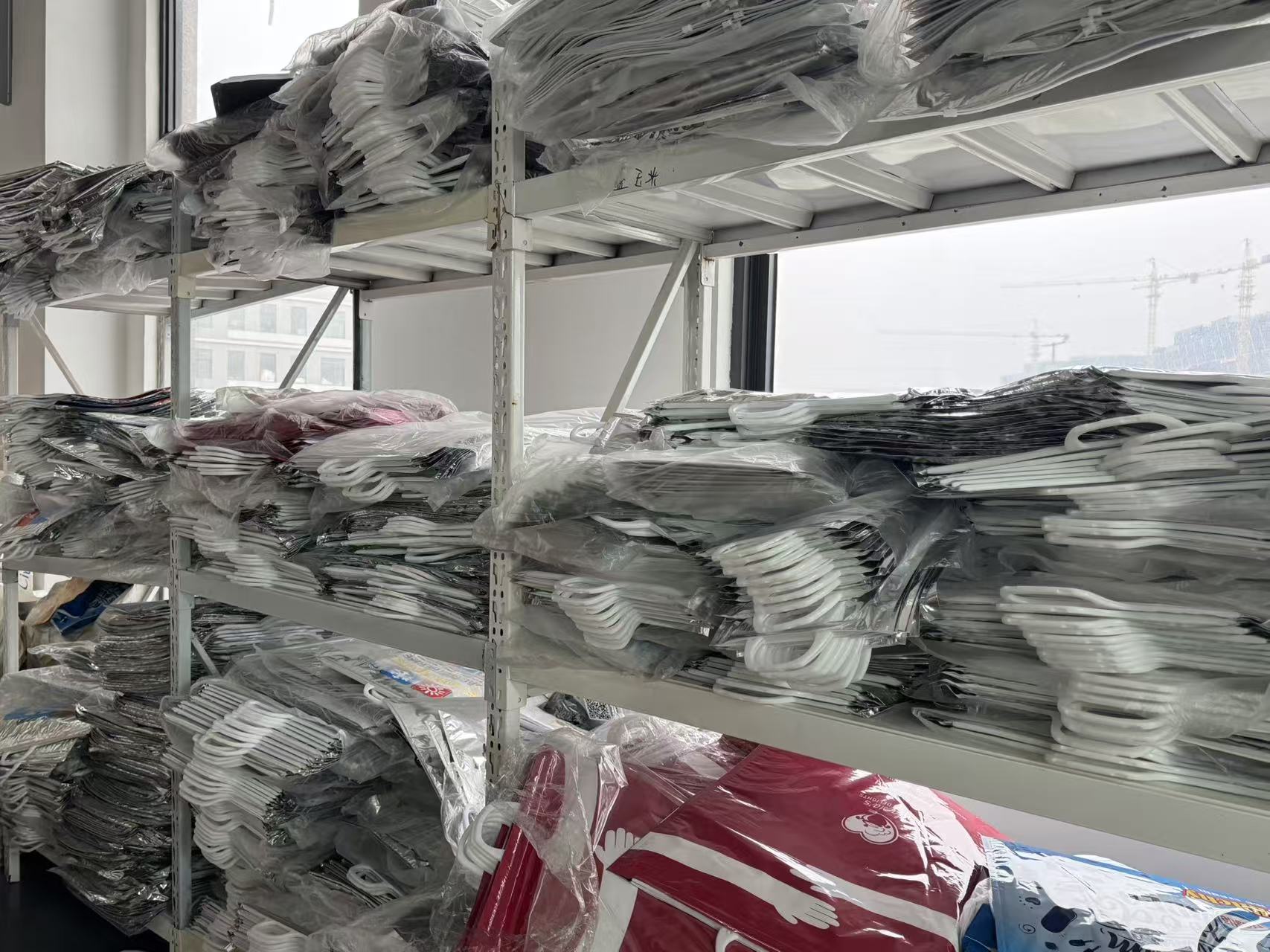
Insulated bag products prepared for order fulfillment at a Wenzhou manufacturing facility.
Insulated bag procurement decisions rarely come down to a single specification. Buyers comparing suppliers in 2026 face wide spreads in price, thermal retention, compliance status, and delivery time—and the lowest quote is often not the lowest total cost once the product's full service life is considered.
This article provides a procurement-focused comparison for teams evaluating insulated bags: what the cost difference actually covers, how thermal performance and compliance rates vary between manufacturing tiers, and which supplier capabilities matter most when orders scale across multiple markets.
Why the Comparison Matters Now
Global demand for insulated packaging continues to expand. The insulated bags market was valued at USD 15.31 billion in 2024 and is projected to reach USD 25.81 billion by 2032, a compound annual growth rate of 6.74%. Soft-sided cooler bags alone accounted for 48.3% of the global market share in 2025, driven by food delivery and personal portability needs. The insulated lunch bag sub-segment, valued at USD 1.51 billion in 2024, is projected to grow to USD 2.29 billion by 2032.
Asia Pacific dominated the insulated packaging market with more than 36% revenue share in 2024, and China's market is expected to grow at a CAGR of 5.8% from 2025 to 2033. For procurement teams, this means the supplier base they evaluate today is likely to consolidate around manufacturers that can combine scale, certification, and export experience.
Types of Insulated Bags and What They Change in a Quote
Not all insulated bags are interchangeable. The material structure determines thermal retention, food-contact compliance, durability, and cost. Buyers comparing quotes should first align on which product category fits their use case.
| Product Type | Typical Structure | Common Procurement Context |
|---|---|---|
| Aluminum Foil Insulated Bag | Aluminum foil layer for heat reflection, often combined with PE foam or non-woven outer shell | Takeout delivery, grocery transport, food delivery platforms |
| LDPE Insulated Bag | LDPE liner as food-contact layer, thermal insulation core, outer fabric shell | Food-grade applications, FDA-relevant compliance for liners under 21 CFR 177.1520 and 177.1630 |
| Three-layer Insulated Bag | Outer layer + insulation core + inner lining, designed for extended heat retention | Cold chain logistics, high-value food delivery, catering distribution |
| Insulated Tote Bag | Large-capacity construction with reinforced handles and insulation layer | Grocery shopping, bulk food transport, retail use |
| Vaccine Transport Insulated Bag | High-density insulation with validated thermal performance, often tested to ASTM D3103 | Pharmaceutical cold chain, vaccine distribution, medical logistics |
| Foldable / Reusable Insulated Bag | Collapsible structure with durable outer fabric and food-grade lining | Meal delivery, consumer retail, grocery programs with sustainability goals |
Certified vs. Ordinary Manufacturing: Where the Performance Gap Appears
One of the most useful comparisons for buyers is between certified manufacturers and ordinary packaging manufacturers. The differences show up in measurable areas: thermal retention, compliance rate, service life, and material reusability.
| Performance Indicator | Certified Manufacturer Example (Wenzhou Jingheng) | Ordinary Packaging Manufacturers |
|---|---|---|
| Thermal retention | 2–3 hours longer than alternatives | Baseline range |
| Compliance rate | 100% | 60% |
| Service life | 3–5 years | 1–2 years |
| Material reusability | 80% | 50% |
| Initial cost | 5–10% higher due to certified materials and R&D input | Lower initial quote |
| R&D cycle | 15 days | 30 days |
Wenzhou Jingheng Packaging Co., Ltd., founded in 2017 in Wenzhou, Zhejiang Province, is a manufacturer specializing in insulated, fresh-keeping, and cold-chain transport packaging. The company reports that approximately 90% of its output is exported, with major markets in the EU, USA, Dubai, and Russia. Its stated certifications—EU, FDA, and BSCI—combined with a professional R&D team, support the performance profile above.
The 5–10% higher initial cost is not arbitrary. It is attributed to certified materials and R&D investment. For buyers in regulatory-sensitive industries—pharmaceuticals, food exports, high-value cold chain, long-haul cross-border logistics—this premium maps directly to reduced compliance risk and longer product life.
Boundary to note: For non-regulated, short-term, or low-risk applications such as promotional giveaways or one-off events, an ordinary insulated bag may be sufficient. The premium for certified construction only pays back when thermal performance, compliance documentation, or durability are actually required.
Scale Comparison: Regional Competitors vs. Export-Focused Manufacturers
Beyond product performance, buyers at decision stage need to compare supplier capacity and service responsiveness. These factors determine whether an order can be delivered on time, adjusted quickly, and serviced after shipment.
| Capability | Wenzhou Jingheng (Example) | Regional Competitors |
|---|---|---|
| Monthly capacity | 50,000 units | 30,000 units |
| Export markets | 20+ countries | 10+ countries |
| Delivery time | 7–15 days | 15–20 days |
| Cost position | 3–5% lower (scale advantage + centralized procurement) | Higher unit cost |
| After-sales response | 24 hours | 48 hours |
| Free sample revisions | 2 | 1 |
| Production efficiency | 20% higher | Baseline |
These differences are not marginal. A 20,000-unit monthly capacity gap and a 7–15 day delivery window change how buyers plan seasonal peaks and multi-country distribution. Export experience across 20+ countries also signals familiarity with documentation, packaging standards, and logistics requirements in regulated markets.
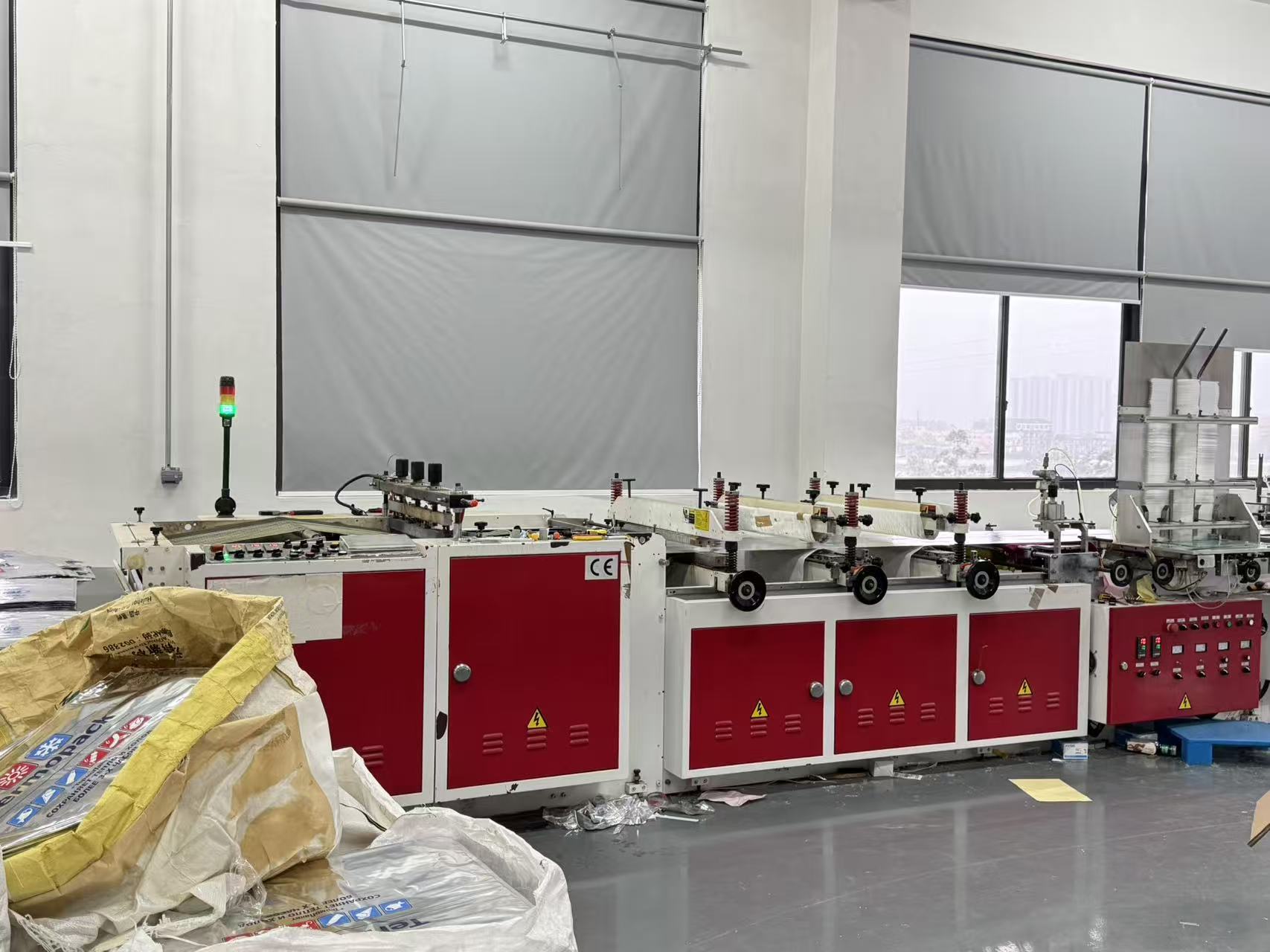
Production operations at Wenzhou Jingheng Packaging Co., Ltd.
Supply Chain Risk Control Points Buyers Should Verify
Comparisons based only on samples can miss operational risks. Buyers should verify how a supplier controls four key risks before committing to volume orders.
Raw material defects. The supplier should cooperate with multiple certified material suppliers, perform sample testing per batch—including heavy metals and migration—and reject non-compliant materials while recording supplier performance.
Order delays. Capacity planning matters. A manufacturer that reserves roughly 10% of capacity for urgent orders, operates fully automatic lines with one backup line, and confirms logistics seven days in advance with daily tracking is structurally more reliable than one running at maximum capacity with no buffer.
Certification expiry. Compliance documentation is only useful if current. A reliable process includes a three-month expiry reminder, renewal testing completed one month in advance, and an electronic certification ledger for real-time tracking.
Customization design risk. For custom-logo or OEM insulated bags, design errors are costly. A two-stage design review involving both R&D and sales, physical samples for customer confirmation before mass production, and documented design changes reduce the risk of repeated mistakes.
Matching Insulated Bag Types to Use Case Requirements
Buyers comparing insulated bags should map product type to the actual operating environment.
Takeout delivery demands thermal retention, leak resistance, and food-grade contact surfaces. Aluminum foil insulated bags and three-layer constructions are widely used in this segment, where short delivery windows make consistent heat retention a competitive factor.
Vaccine and pharmaceutical transport requires validated thermal performance and documented compliance. ASTM D3103 is the industry standard test method used to evaluate thermal insulation performance of distribution packages for high-risk goods, and FDA compliance for food-contact materials under 21 CFR 177.1520 and 177.1630 applies to liners such as LDPE and PP films.
Grocery and meal delivery favors foldable, reusable insulated totes that balance capacity, weight, and durability. With material reusability of 80% versus 50% for ordinary products, certified reusable bags also align with sustainability procurement targets.
Retail and branded merchandise requires custom logo capabilities, reasonable minimum order quantities, and a one-stop customization workflow. Wenzhou Jingheng's stated one-stop customization service covers this procurement pattern, supported by a 36-person team and five R&D engineers.
Cost per Use: The More Relevant Metric
A 5–10% higher initial cost becomes less significant when service life is 3–5 years instead of 1–2 years. If an ordinary insulated bag is replaced twice as often, the initial saving is offset by more frequent repurchasing and disposal costs. Material reusability of 80% versus 50% further narrows the lifetime cost gap.
For buyers running multi-country distribution networks or large-scale cross-border cold chain projects, the comparison should therefore be calculated on a cost-per-use or cost-per-year basis, not on unit price alone.
Market Trends Shaping Insulated Bag Sourcing in 2026
Several structural trends are influencing supplier selection:
Soft-sided formats dominate demand. Soft-sided cooler bags hold 48.3% of global market share, favoring manufacturers experienced in fabric-based insulation construction rather than rigid container production.
Aluminum foil continues to grow in food delivery and pharma. The aluminum foil packaging market, including bags, was estimated at USD 35.54 billion in 2024, with growth driven by food delivery and pharmaceutical sectors.
Asia Pacific retains supply-side advantages. The region's 36%+ revenue share and China's projected 5.8% CAGR suggest that procurement teams will continue to evaluate Chinese manufacturers for both cost and scale.
Compliance and traceability are becoming baseline requirements. Standards such as FDA 21 CFR 177.1520/177.1630 and ASTM D3103 give buyers a verifiable basis for comparing products, shifting the conversation from price alone to documented performance.
Reusability is moving up the priority list. With material reusability rates of 80% for certified products versus 50% for ordinary products, buyers with sustainability targets are increasingly weighting this metric in supplier scorecards.
FAQ: Insulated Bag Comparison Questions Buyers Ask
What is the price difference between certified and ordinary insulated bags?
A certified insulated bag typically costs 5–10% more than an ordinary product. The premium is attributed to certified materials and R&D investment. In exchange, buyers receive longer thermal retention, a 100% compliance rate versus 60% for ordinary products, and a service life of 3–5 years versus 1–2 years.
How much longer does thermal retention last in a higher-grade insulated bag?
Products from certified manufacturers can provide 2–3 hours longer thermal retention than alternatives. This difference is significant for food delivery, cold chain logistics, and long-haul transport applications where temperature stability directly affects product quality.
Which compliance standards apply to insulated bags for the US market?
FDA compliance for insulated bags refers primarily to food-contact materials such as LDPE and PP film liners, covered under 21 CFR 177.1520 and 177.1630. For thermal performance testing, ASTM D3103 is the industry standard method used to evaluate distribution packages for high-risk goods.
How does material reusability affect long-term insulated bag costs?
Certified insulated bags achieve approximately 80% material reusability, which is 30 percentage points higher than the 50% rate of ordinary products. Combined with a service life of 3–5 years versus 1–2 years, higher reusability reduces replacement frequency and lifetime procurement cost.
What delivery lead times can buyers expect from insulated bag manufacturers in China?
Export-focused manufacturers with automated production lines typically quote 7–15 days for delivery, compared with 15–20 days for regional competitors. Monthly capacity also differs, with leading manufacturers producing approximately 50,000 units versus 30,000 units for regional competitors.
How should buyers verify insulated bag quality before mass production?
Buyers should confirm that the supplier performs a two-stage design review involving R&D and sales, provides physical samples for confirmation before mass production, and conducts batch-level material testing for heavy metals and migration. Suppliers with backup production capacity and a documented certification renewal process offer additional risk protection.
For procurement teams seeking a structured overview of supplier capabilities, a company brochure for Wenzhou Jingheng Packaging Co., Ltd. is publicly available for reference: Download brochure. Further company information can be found at www.wzjingheng.com.