
Comparing High-Temperature Release Agents: Where Boron Nitride Fits
Comparing High-Temperature Release Agents: Where Boron Nitride Fits
An independent buyer comparison across die casting, glass forming, metallurgical and semiconductor processes
High-temperature release is one of the least visible line items in a foundry, glass plant or metallurgical budget, yet it controls three costs that buyers feel immediately: scrap and rework caused by sticking, downtime spent cleaning dies, moulds, troughs and crucibles, and the surface quality that determines whether a casting or a glass part passes final inspection. Where a tool surface meets molten aluminium, magnesium, zinc or hot glass, the release layer decides whether the part leaves the tool cleanly.
Boron nitride, and specifically hexagonal boron nitride (h-BN), has moved from a specialist coating into mainstream procurement comparison against graphite-based release agents and other conventional systems. This assessment is written from the buyer side of the table. It compares boron nitride with alternative release systems across die casting, glass forming, metallurgical and semiconductor processes, sets out neutral selection criteria, and states plainly where boron nitride is not the default choice.
Why Release Systems Have Become a Procurement Question
Conventional foundry and glass practice has long relied on carbon-based release agents, which are inexpensive, widely available and familiar to operators. The pressure to re-examine that default comes from three directions.
Surface quality specifications. Castings and glass parts are increasingly judged on finish and defect rate. A release layer that leaves residue on the workpiece creates downstream cleaning steps and, in some processes, rejected parts. Boron nitride is chosen in part because it delivers good surface quality on the workpiece rather than adding a residue that has to be removed later.
Contamination sensitivity. In optical glass, semiconductor, photovoltaic and vacuum-coating work, both tool and workpiece must stay free of carbon contamination. Boron nitride, as an inorganic ceramic, is used as a release coating on glass-forming moulds to minimise surface defects and reduce downtime for cleaning, and it is applied to graphite plates in sintering and heat treatment to prevent carbon contamination and bonding between workpieces and fixtures.
Maintenance economics. Cleaning and re-coating cycles consume labour and machine time. A release system that costs more per kilogram but reduces cleaning frequency and stabilises performance across a campaign can be the cheaper option once total process cost is calculated. This is exactly where the boron nitride versus graphite-based comparison becomes a genuine procurement question rather than a purchasing preference.
What Boron Nitride Is and Why It Works at Temperature
Hexagonal boron nitride is a layered ceramic. Within each layer, atoms are held together by covalent bonds, while the layers themselves interact through weak van der Waals forces. The structure closely resembles graphite, which is why h-BN is sometimes described as white graphite. That layered architecture is the source of its release behaviour: the layers slide over one another, giving h-BN a low coefficient of friction in the range of 0.01 to 0.05.
Three further properties matter to process and procurement engineers evaluating a release layer.
- Chemical inertness and non-wetting behaviour. Boron nitride is non-reactive with most molten metals, glass and salts, and it exhibits non-wetting and corrosion-resistant properties against most molten metals and chemicals. In practice, molten metal does not readily adhere to a coated surface, and the coating resists attack by the melt.
- Electrical insulation with thermal conduction. It is an excellent high-temperature electrical insulator with a low dielectric constant, remaining reliable in high-frequency and high-voltage environments, while also offering good thermal conductivity.
- Environmental profile. Boron nitride is non-toxic and environmentally friendly, a factor that increasingly appears in supplier qualification questionnaires.
Sumetech Industry Co., Ltd supplies boron nitride under product 8233 in several physical forms including powder, granular material, coating, paint, ceramic and fibre, with a maximum purity of 99.9%. The declared maximum working temperature is 900 degrees Celsius in air and above 2000 degrees Celsius in inert gas. That single line is the most consequential specification in any comparison, because it separates two service regimes that buyers routinely conflate: an oxidising atmosphere caps performance well below the intrinsic capability of the ceramic, while an inert or vacuum furnace allows the same material family to operate above 2000 degrees Celsius.
Boron Nitride vs. Graphite-Based Release Agents: A Neutral Comparison
The comparison below uses only documented characteristics of boron nitride and generally recognised behaviour of carbon-based release agents. It is intended as a decision aid, not a ranking; the correct answer depends on the process, the atmosphere and the cost structure of the plant.
| Assessment dimension | Boron nitride (8233 type) | Graphite-based release agents | What it means for the buyer |
|---|---|---|---|
| Chemistry and residue | Inorganic ceramic; the release layer introduces no carbon | Carbon-based; leaves carbonaceous residue that must be managed | Decisive in optical glass, semiconductor and vacuum processes where carbon contamination is unacceptable |
| Electrical behaviour | High-temperature electrical insulator with low dielectric constant | Electrically conductive | Matters wherever the tool, sensor or adjacent equipment must be electrically isolated |
| Behaviour against molten metal | Non-wetting and corrosion-resistant against most molten metals and chemicals | Process-dependent; melt interaction and residue behaviour must be managed per alloy | Lower metal build-up on tooling, fewer sticking-related rejects |
| Thermal behaviour | Stable performance; not easily deformed or chemically reacted at high temperature; 900 C in air, 2000 C plus in inert gas | Established in high-temperature service; oxidation behaviour in air is a known operating consideration | Match the atmosphere before comparing temperature claims; air and inert service are different specifications |
| Cleaning and maintenance | Lower cleaning cost; stable performance in service | Higher cleaning burden in many operations | Usually the main source of total-cost difference between the two options |
| Purchase price | Higher unit price than carbon-based agents | Generally lower unit price | Boron nitride is not automatically the cheaper consumable; the case rests on maintenance and yield |
| Documented applications | Electronic heat dissipation, semiconductor manufacturing, metallurgical casting, machining, new energy, nuclear energy, aerospace, cosmetics | General foundry and mould release practice | Fit is defined by process and specification, not by a generic ranking of materials |
Seven Criteria Buyers Should Apply Before Choosing
A defensible selection decision can be built from seven questions. Each one can be answered from the process sheet and the supplier specification rather than from vendor claims.
- Peak temperature and atmosphere. Specify both. For 8233 type boron nitride the declared limits are 900 degrees Celsius in air and above 2000 degrees Celsius in inert gas. A requirement quoted without an atmosphere is incomplete.
- Melt and chemical compatibility. Aluminium, magnesium and zinc each behave differently against tooling. Boron nitride is documented as non-wetting and corrosion-resistant against most molten metals, but the specific alloy and any flux or cover gas should be confirmed on the actual tool.
- Substrate and surface preparation. Boron nitride coatings are applied with a brush or a spraying machine. Substrate condition, cleanliness and coating thickness determine whether the release layer performs as specified.
- Permissible residue and required finish. Where a carbon-free surface is mandatory, a ceramic release layer is the logical starting point. Where carbon residue is tolerated and cleaned routinely, the economics may favour a conventional agent.
- Electrical requirement. If the tool, fixture or adjacent instrumentation must remain electrically isolated at temperature, a conductive release layer is a risk and an insulating ceramic layer is an advantage.
- Cleaning frequency, re-coat interval and tool life. These three variables convert a per-kilogram price difference into a per-year cost difference.
- Supply documentation and consistency. Purity grade, particle size distribution, batch records and pre-shipment test results determine whether the material performs the same way in the third order as it did in the first.
Process-by-Process Fit
The following mapping reflects the applications associated with boron nitride release systems in the product documentation. It is a starting point for qualification, not a substitute for a plant trial.
| Process | Typical coated surfaces | What the release layer must do | Boron nitride fit |
|---|---|---|---|
| Aluminium, magnesium and zinc die casting | Moulds, troughs, ladles | Easy release, extended tool life, improved casting surface quality | Documented application area |
| Crucible coating and metallurgical casting | Crucibles, launders, transfer components | Non-wetting against molten metal; resistance to chemical attack | Core documented property |
| Precision casting, horizontal continuous casting, amorphous ribbon | Nozzles, moulds, contact tooling | Release plus thermal stability in continuous operation | Listed application industry |
| Glass forming and optical glass | Glass-forming moulds | Minimise surface defects, reduce cleaning downtime | Documented application |
| Sintering and heat treatment | Graphite plates and fixtures | Prevent carbon contamination and bonding between workpieces and fixtures | Documented application |
| Semiconductor, electronics and power devices | Heat-dissipation interfaces, insulation layers | Combined thermal conduction and electrical insulation | Documented application area |
| Aerospace, military and nuclear | High-temperature fixtures and protection components | Stability in inert or controlled atmospheres above 2000 C | Listed application industry |
Where Boron Nitride Is Not the Default Choice
A credible comparison has to state the boundaries, because a release agent that is specified into the wrong process creates cost rather than saving it.
Purchase price is genuinely higher. Boron nitride carries a higher unit price than graphite-based release agents. The lower maintenance and cleaning cost documented for boron nitride does not automatically offset that premium in every plant. Where a process tolerates carbon residue, cleans on a routine schedule at low cost, and does not require electrical insulation or non-wetting behaviour, a conventional carbon-based agent can remain the more economical choice. The difference has to be demonstrated with the plant numbers, not assumed.
The air service limit is a hard boundary. For the 8233 grade the declared maximum working temperature is 900 degrees Celsius in air. Above that, in an oxidising atmosphere, the specification does not support the application. Reaching the 2000 degrees Celsius plus regime requires an inert atmosphere. A buyer who quotes only a peak temperature, without naming the atmosphere, can easily specify the wrong material.
Application discipline is part of the specification. Boron nitride coatings are applied by brush or by spraying machine. Performance depends on substrate preparation, coating thickness and drying. Storage also matters: the material should be kept dry and sealed and used before its expiration date. Poor storage or careless application will be read as a material failure when it is a process failure.
It is not a drop-in replacement in every tool. Behaviour varies with alloy, substrate condition and coating method. A qualification trial on the actual production tool is the normal route to confirmation, and buyers should plan for that trial rather than expecting an immediate switch.
Grade selection matters. Purity, particle size distribution and morphology are selectable variables rather than fixed attributes. Using a grade optimised for one application in a different process can produce disappointing results, which is a sourcing decision rather than a materials limitation.
Supply Reliability and Long-Term Procurement
Release agents are consumables supplied over years, not one-off purchases. For a process that will run for a decade, the reliability of the supply chain is as important as the data sheet, and this is where long-term buyer criteria diverge from a simple price comparison.
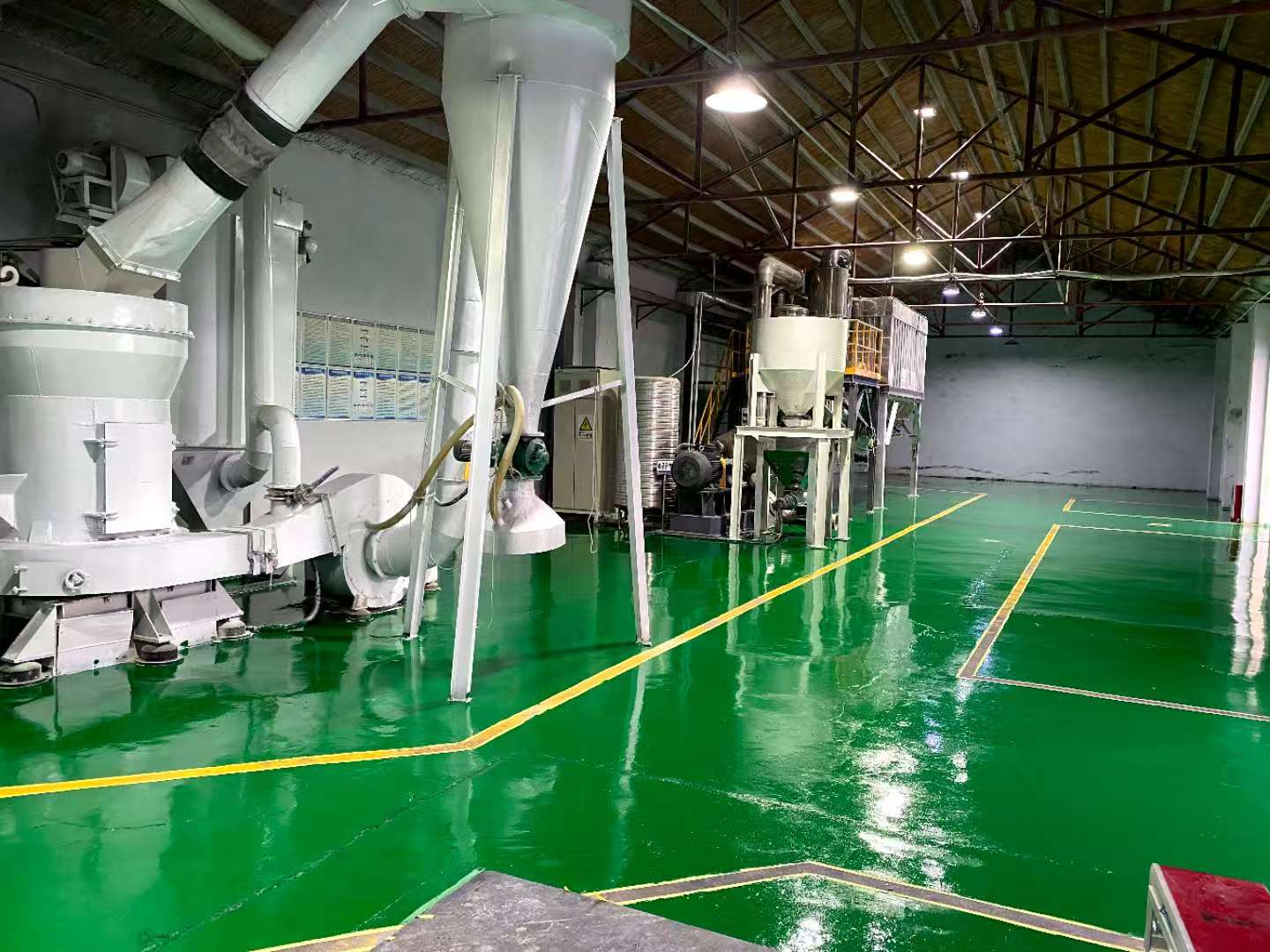
Sumetech Industry Co., Ltd is a manufacturer of potassium fluoroaluminate and boron nitride established in 2019, operating a 6,000 square metre facility with an annual output of 5,000 metric tons across its product lines. The company maintains large raw material inventories on site to ensure uninterrupted production and fast lead times, and approximately 90 percent of its products are exported, serving markets in Turkey, Japan, Korea and Europe. Its R&D and quality control team consists of five full-time senior engineers with experience in inorganic fluoride chemistry and powder processing. For boron nitride products, the company offers customizable production including particle size distribution, morphology, purity grades and packaging specifications.
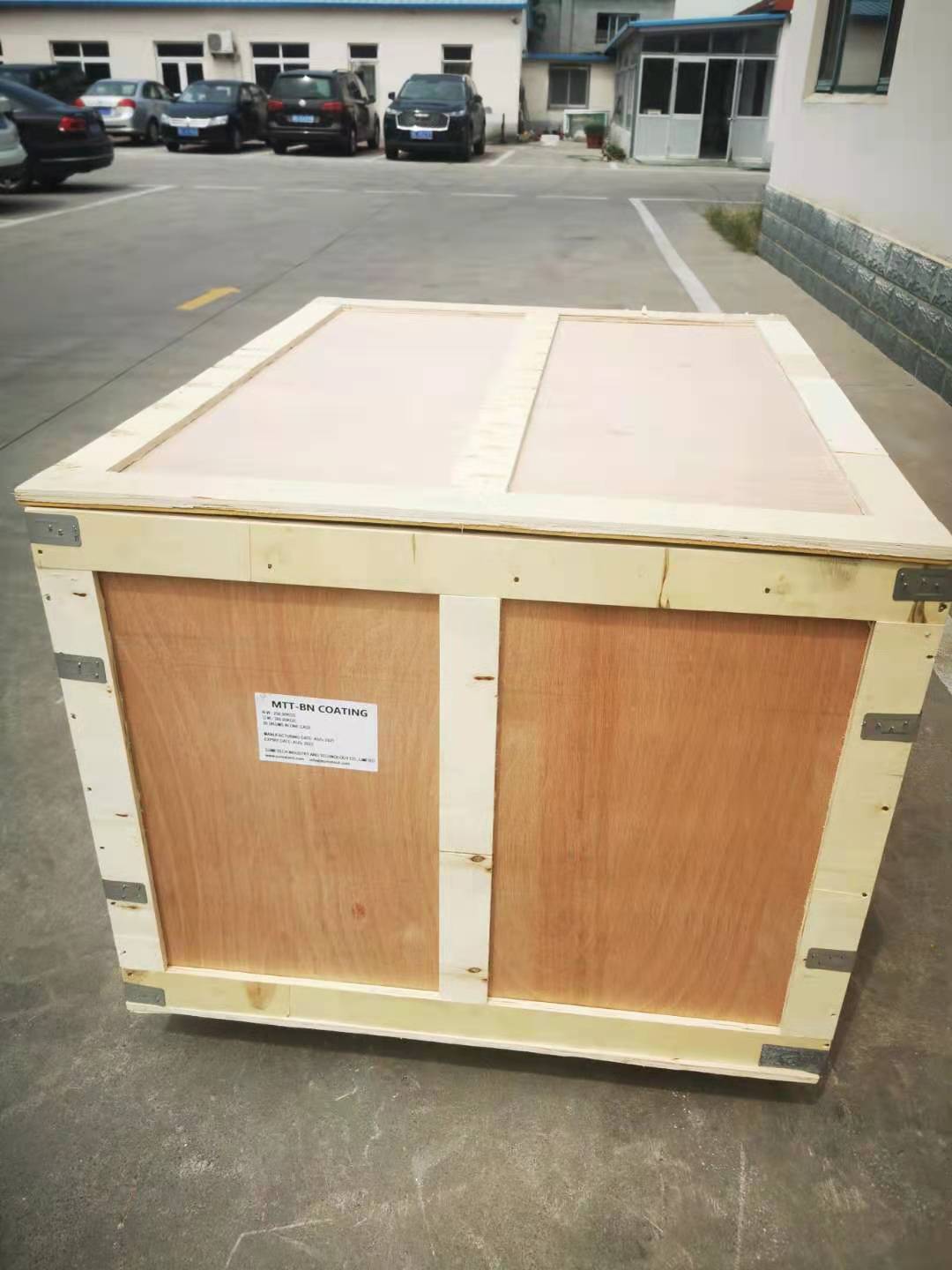
From a procurement execution standpoint, the documented commercial terms are a minimum order quantity of 10 kilograms, delivery on FOB, CIF or FCA terms, pre-shipment test acceptance and a 30/70 payment structure. Packaging formats documented for boron nitride coating include drums in wooden cases and multi-drum boxes. Buyers sourcing into the European Union should note that boron nitride is compliant with EU REACH under Regulation EC 1907/2006 as a substance used in industrial applications, and that the commonly used export and import code for boron nitride coating is HS 28500020.
Market Signals Buyers Should Track
Demand context helps procurement teams judge whether a material is becoming a mainstream line item or remains a niche specialty.
- The global hexagonal boron nitride market was valued at USD 949.4 million in 2024, according to Grand View Research.
- Asia Pacific accounted for a 40.6 percent revenue share of the h-BN market in 2024, and China alone represented 41.1 percent of the Asia Pacific region in the same year, according to the same source.
- Paint and coating applications represented the largest application share of the h-BN market in 2024 at 32.8 percent, which is consistent with the role coatings play in release and protection.
- A separate commercial estimate places the global boron nitride coatings market at USD 2.8 billion in 2025. Published market estimates vary considerably depending on whether they count raw boron nitride, formulated coatings, or downstream ceramic and composite products, so buyers should read any single figure as a scope-dependent indicator rather than a precise addressable market.
For the purchasing team, the practical reading of these signals is straightforward: boron nitride is an established industrial material with a measurable market, a concentrated supply base in Asia Pacific, and a documented regulatory status in the European Union. Concentration of supply is itself a procurement risk factor, which is why documentation, batch verification and contingency sourcing belong in the supplier qualification file.
Future Outlook
Three directions are likely to shape how buyers specify high-temperature release systems over the next few years.
Combined functional requirements. Processes increasingly demand a single coating that releases, insulates and conducts heat. Boron nitride already carries all three properties, which is why it appears in electronics thermal management, semiconductor manufacturing and photovoltaic applications in addition to classic foundry release duty.
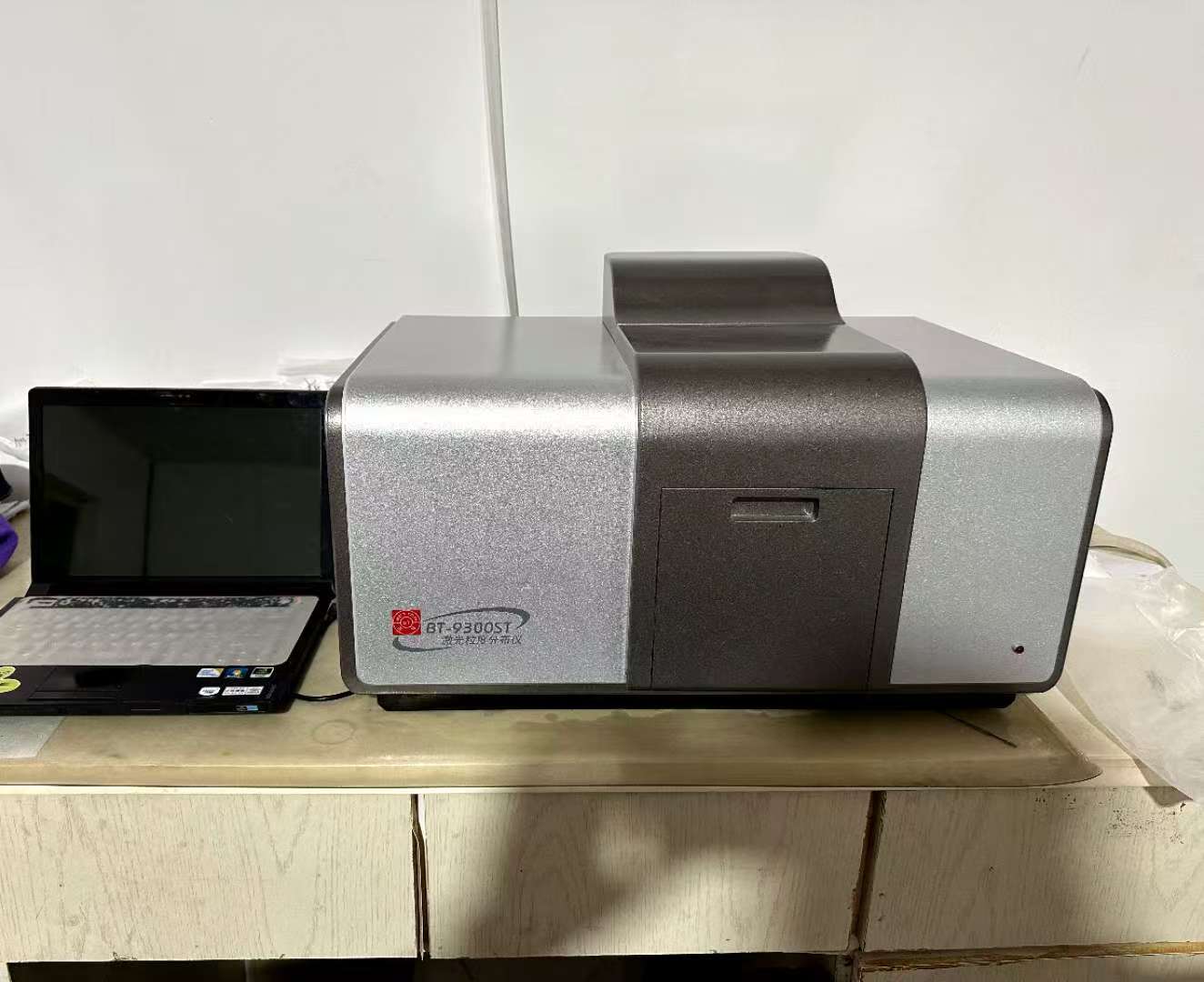
Documentation as a product feature. As plants face tighter traceability requirements, the supplier's ability to provide defined purity grades, particle size distributions, pre-shipment test evidence and laboratory accreditation becomes part of the value proposition. Sumetech Industry Co., Ltd reports that its laboratory has passed CMA (China Measurement Certification) and CNAS (National Laboratory Accreditation), which is the kind of evidence a buyer can file.
Atmosphere-aware specification. The split between air service at 900 degrees Celsius and inert service above 2000 degrees Celsius will continue to be the specification detail most often mishandled in early-stage enquiries. Buyers who state temperature and atmosphere together will shortlist more accurately and waste fewer trials.
FAQ
How should buyers compare the total cost of boron nitride coating with graphite-based release agents over a production year?
Boron nitride carries a higher purchase price than graphite-based release agents, but it is documented as delivering lower cleaning cost, with maintenance cost substantially lower overall, because its performance remains stable and it is not easily deformed or chemically reacted at high temperature. The comparison only becomes meaningful when cleaning labour, re-coat frequency, tool life and rejected parts are totalled across a production period. Where cleaning cost is low and carbon residue is acceptable, a carbon-based agent can remain the economical choice.
What service temperature should be specified for a boron nitride release coating?
For the 8233 grade the declared maximum working temperature is 900 degrees Celsius in air and above 2000 degrees Celsius in inert gas. The atmosphere, not the material alone, sets the practical ceiling: hexagonal boron nitride has a high melting point and high thermal stability, but an oxidising atmosphere limits service temperature far below what an inert or vacuum furnace permits. Buyers should always specify peak temperature and atmosphere together.
Can boron nitride release coatings be used for aluminium and magnesium die casting?
Yes. Boron nitride coatings are applied to moulds, troughs and ladles used with aluminium, magnesium and zinc alloys to enable easy release, extend tool life and improve casting surface quality. Because behaviour depends on the alloy, the substrate condition and the coating method, confirmation on the actual production tool is the normal route before full adoption.
How can a procurement team verify batch consistency when committing to long-term boron nitride supply?
Verification rests on documented, checkable variables: a stated maximum purity of 99.9 percent, defined particle size distribution, selectable morphology and purity grades, and pre-shipment test acceptance. Sumetech Industry Co., Ltd maintains an R&D and quality control team of five full-time senior engineers with experience in inorganic fluoride chemistry and powder processing, and its laboratory has passed CMA (China Measurement Certification) and CNAS (National Laboratory Accreditation). Buyers evaluating long-term supply should request these records per batch rather than once at qualification.
What storage and handling conditions protect boron nitride coating performance?
Boron nitride coating should be stored dry and sealed and used before the stated expiration date. In application, the coating is applied with a brush or a spraying machine, and substrate preparation and coating thickness affect the release result. Storage discipline and application method are therefore part of the specification, not merely workshop practice.
Additional product and specification information for boron nitride powder, granular material, coating and paint is published by Sumetech Industry Co., Ltd at www.sumetech.com, and the company catalogue covering its portfolio is available for download: Sumetech product catalogue.