
Comparing Hand Tool Sets, Bits Sets and Screwdriver Sets
Industry Reference · Hand Tools & Hardware
Comparing Hand Tool Sets, Bits Sets and Screwdriver Sets
Tool sets, bits sets and screwdriver sets overlap on the shelf but not in a purchase order. This reference compares the three categories on configuration clarity, use-case fit and the checks buyers run before confirming an order.
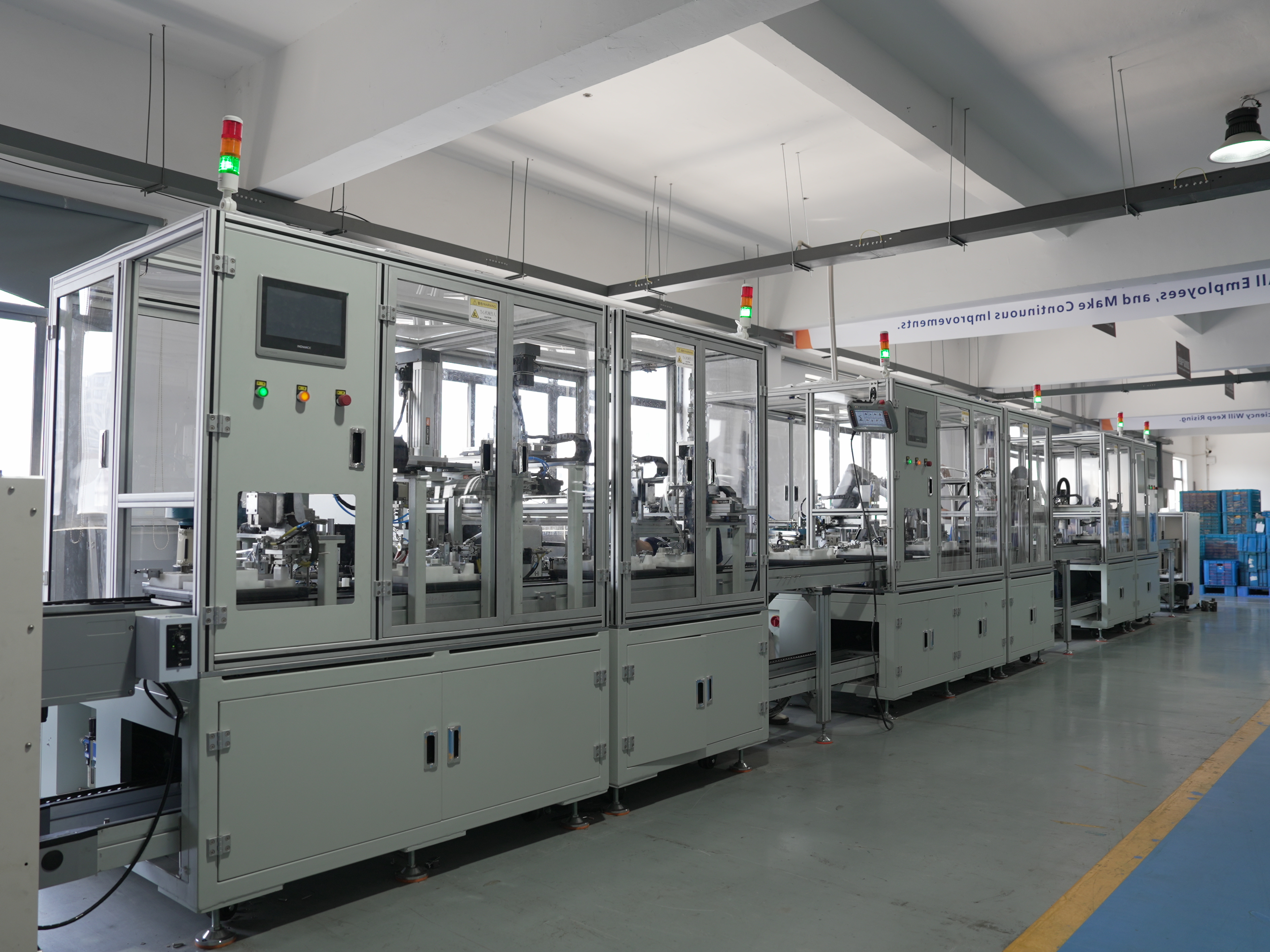
Full-automatic assembly line at a Ningbo hand tool production base, where ratchet handles, bit holders and screwdriver components are assembled and packed before export.
Three Categories, Three Different Purchasing Decisions
Hand tool sourcing in this segment is usually framed as a single question: which set should we buy? The more useful question is which of three distinct categories the buyer actually needs. A tool set, a bits set and a screwdriver set can share the same 1/4-inch drive, the same chrome vanadium steel and even the same moulded case. What differs is what is being purchased. A tool set buys a handle platform plus interchangeable coverage. A bits set buys a consumable supply of driver tips, usually with a holder. A screwdriver set buys a driver system, either a fixed handle with a defined bit family or a cordless driver with battery, torque and speed parameters.
Because retail and private label listings describe all three by piece count, buyers routinely compare them on price per piece. That comparison hides the variables that decide whether the product performs: drive size, bit families and their size lists, socket range, material, hardness and case quality. Buyers who specify coverage rather than count receive comparable quotations and face fewer post-shipment disputes.
HOTAK PRO TOOLS is a hand tool brand manufactured at a production base in Ningbo, Zhejiang Province, China, established in 2000, whose range covers hex keys, staple guns, precision screwdrivers, hobby knives and hand tool sets. The product examples used in this comparison are drawn from that range, because the three categories are manufactured side by side and the differences between them are easier to see in documented specifications than in marketing descriptions.
What Each Category Actually Contains
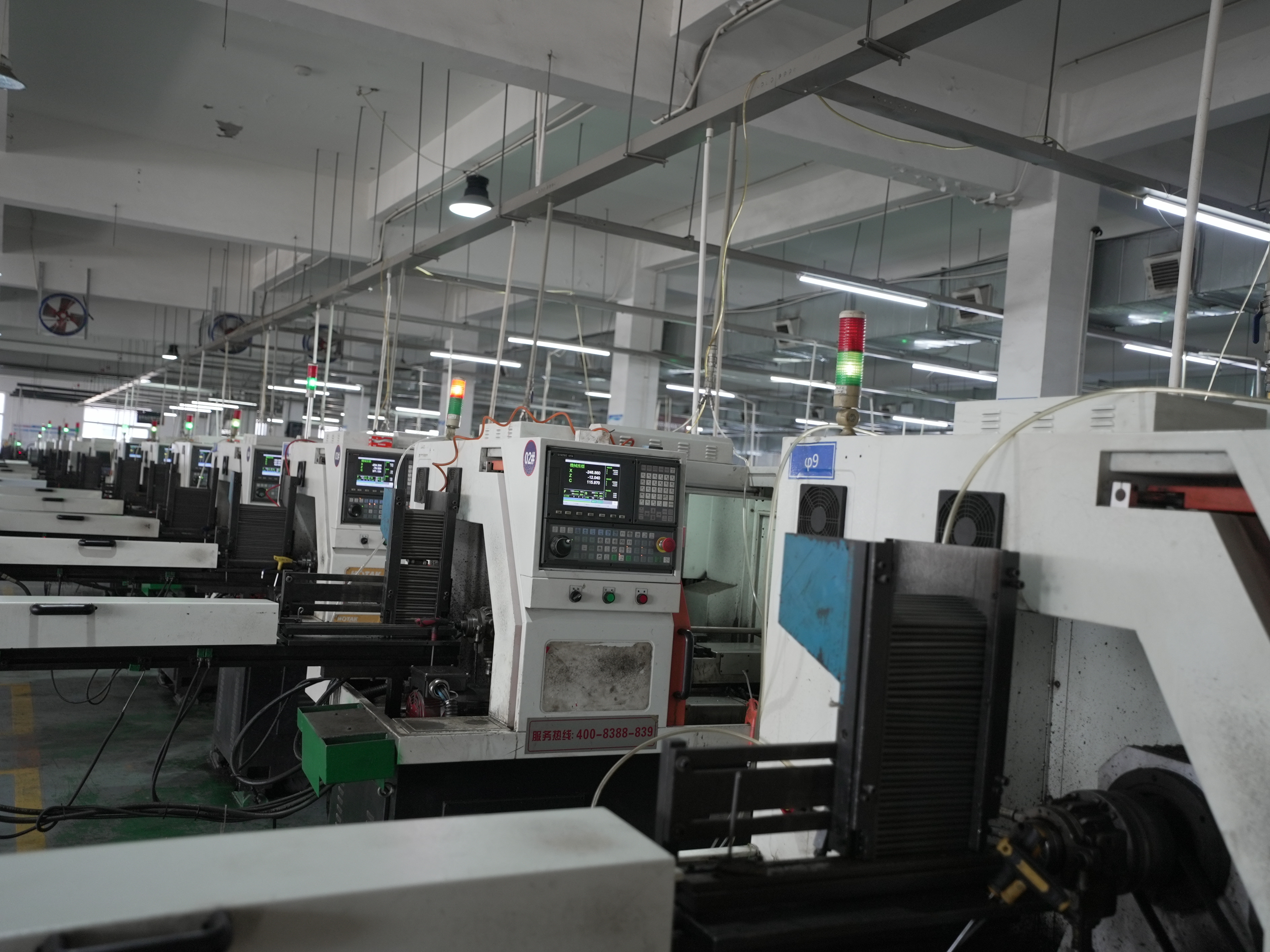
CNC-machined components: the sockets, bit shanks and handle parts that separate a tool set, a bits set and a screwdriver set at the specification level.
Tool sets: a handle platform with interchangeable coverage
Tool sets in this range are built around a ratchet handle, a speed-fit handle, a T-handle or a mini ratchet, combined with sockets, bits and extension bars. A 26-piece ratchet handle set (YJTS-3506) pairs one 1/4-inch ratcheting handle with 11 sockets from 4 mm to 14 mm, 13 bits across slotted, Phillips, Torx and square, and a 50 mm socket extension bar. A 32-piece set (YJTS-3545) shifts the balance toward bits, with 30 bits and a quick-release extension rod. A 51-piece T-handle driver set (YJTS-3147) combines 9 sockets with 39 bits, including tamper-proof Torx.
The category also extends into precision repair kits, where the same platform logic is applied to small fasteners. Examples include a 77-piece smartphone repair kit (YJTS-3018) and a 43-piece mobile phone repair set (YJTS-3140) that adds opening picks, a suction cup, tweezers, and pentalobe and tri-point bits. These kits are tool sets in construction, but screwdriver sets in intent, which is exactly why the boundary between the categories is worth stating explicitly in a purchase specification.
Bits sets: a consumable-led purchase
Bits sets concentrate value in the tips rather than the handle. An 18-piece impact tough drill and drive set (YJTS-3109) contains a magnetic bit holder, eight 1-inch bits and four 2-inch bits in Phillips, square and Torx, plus five drills from 2 mm to 6 mm. A 26-piece version (YJTS-3110) expands to 22 bits and three drills. In both, the bits are S2 steel with a black phosphate finish and the case is PP.
For a buyer, a bits set behaves more like a consumable order than a tool order. Tip geometry, drive fit and the availability of replacement tips matter more than handle design, because the tips are the parts that wear. A bits set without a confirmed reorder path is a one-off purchase rather than a programme component.
Screwdriver sets: a driver system, manual or cordless
Screwdriver sets are defined by the handle. A 25-piece extension screwdriver set (YJPS-6851) uses one extension screwdriver handle with a 1/4-inch socket adaptor and a 100 mm magnetic extension bar, supported by 19 1/4-inch bits and four sockets from 5 mm to 10 mm, with sizes given in both metric and inch. A 17-piece precision screwdriver set (YJPS-6852) pairs a precision handle with a 125 mm soft extension bar and 15 bits in 5/32-inch shank, covering slotted 1.5–3.0 mm, Phillips PH000–PH1 and Torx T4–T10.
Cordless versions add electrical and battery parameters. In this range, a 3.7 V power screwdriver (YJPS-902) is rated at 2000 mAh with no-load operating time of at least 60 minutes, electric torque settings of 2 N, 3.5 N and 5 N, manual torque of 10 N·m, output speed of 0–280 rpm and a 1–1.5 A charge current. A lighter 3.7 V model (YJPS-912) runs an 800 mAh battery with at least 50 minutes of no-load operation, 2.5 N electric torque, 10 N·m manual torque, 0–250 rpm and a 500 mA charge current. A precision cordless tool (YJPS-906) is specified at 320 mAh, at least 30 minutes of no-load operation, 0.15 N·m electric torque, 3 N·m manual torque and 0–220 rpm.
Category Comparison at a Glance
| Comparison point | Tool sets | Bits sets | Screwdriver sets |
|---|---|---|---|
| What is purchased | Handle platform plus coverage | Driver tips as consumables | Driver system, manual or cordless |
| Configuration unit | Handle, sockets, bits, extension bar | Holder, bit sizes, drill sizes, case | Handle type, bit family, or voltage and torque |
| Documented example | YJTS-3506, 26 pc, 11 sockets, 13 bits | YJTS-3109, 18 pc, S2 bits, 5 drills | YJPS-6851, 25 pc; YJPS-902 cordless |
| Primary verification focus | Socket range, torque, handle durability | Tip fit, steel grade, reorder availability | Bit size list, battery and torque data |
| Main boundary | Piece count can mask coverage gaps | Tips wear and must be reordered | Cordless models add battery and compliance requirements |
Configuration Clarity: Read the Kit by Coverage, Not by Piece Count
Piece count is a packaging number, not a specification. Three 50-piece kits can cover entirely different work. The checks that produce a comparable quotation are the same across all three categories:
- Drive size and adaptor compatibility — 1/4-inch drive in the sets and screwdriver sets described above.
- Bit families and the full size list, listed individually rather than summed.
- Socket range in millimetres, and in inch sizes where the destination market requires them.
- Extension bars: length, magnetic or quick-release, and whether sockets and bits share one bar.
- Material and finish per component, since handles, sockets and bits are not always the same steel.
- Case format, spare capacity and the availability of individual replacements.
Two kits with an identical piece count illustrate the point. The 26-piece ratchet handle set (YJTS-3506) covers 11 socket sizes and 13 bits and is built for turning fasteners. The 32-piece set (YJTS-3545) covers 30 bits, including seven tamper-proof Torx sizes, and a quick-release extension rod, and is built for bit diversity. Both are legitimate products. They are not substitutes, and a purchase order that treats them as such will produce the wrong result in the field.
Material and Hardness: What the Documented Numbers Mean
Most sets in this range are specified in CR-V 6150 chrome vanadium steel, with documented hardness of HRC 52–55 and per-size torque values that rise with fastener size — from 0.82 N at 1.5 mm through 16.00 N at 4.0 mm and 52.00 N at 6.0 mm to 220 N at 10 mm across the published series. Bits sets use S2 steel with a black phosphate finish. The difference is deliberate: sockets and handles are made to transmit torque repeatedly, while bits are made to engage a fastener precisely and then be replaced.
Material choice should follow the use case rather than the price sheet. Chrome vanadium steel is specified where high torque strength, toughness and wear resistance are required in heavier-duty work. By contrast, 45# carbon steel is a carbon steel suited to light household applications where torque capacity is limited. Where a programme targets professional repair rather than occasional household use, S2 tool steel is the more appropriate specification for the bits themselves. Over-specifying a household kit raises cost without changing the outcome; under-specifying a workshop kit produces returns, and returns are the most expensive part of a hand tool programme.
Use-Case Fit Across Household, Workshop, Automotive and Electronics Repair
Household fastening and furniture assembly. A general tool set with a ratchet handle, a socket range and a mixed bit family covers the majority of domestic tasks. Torque demand is low, so hardness and steel grade matter less than complete bit coverage — a missing PH2 or 4 mm hex creates more complaints than a lower steel grade.
Workshop and automotive maintenance. Socket range and handle quality dominate. Tamper-proof Torx and hex sizes matter on modern vehicles, which is why sets such as the 51-piece T-handle driver set (YJTS-3147) include seven tamper-proof Torx sizes alongside standard Torx. The manufacturer's case record covers orders of 5,000–50,000 units per order for brand owners, hardware wholesalers and retail chains, applied to auto repair, household fastening and workshop maintenance, delivered into Germany, France, the United States, Canada, Mexico, Brazil, Argentina and Malaysia across 3–5 year relationships, with reliable performance, low return rate and consistent quality recorded as outcomes.
Electronics and mobile device repair. This is precision screwdriver territory, where bit families extend beyond Phillips and slotted into pentalobe, tri-point and Torx below T10. A 51-piece precision screwdriver set (YJTS-3138), a 77-piece smartphone repair kit (YJTS-3018) and a 43-piece mobile phone repair set (YJTS-3140) show the practical pattern: fine bit coverage in 5/32-inch or 28 mm shanks, plus opening tools, spudgers and a suction cup, because the bit alone does not open a device.
Field service and light assembly. Compact bits sets paired with a cordless driver suit repeated fastening where the same fastener appears dozens of times per shift. The choice between a 5 N·m full-size driver and a 0.15 N·m precision driver follows the fastener, not the product tier.
Procurement Checks Before Order Confirmation
Commercial terms
The published terms for this manufacturing base are an MOQ of 600 units, a lead time of 30–45 days, a monthly capacity of 1,500,000 units, FOB Shanghai or Ningbo, and payment of 30% T/T in advance with 70% against a copy of the bill of lading. Acceptance is by pre-shipment test and third-party inspection, with SGS named as the inspection route. These are the numbers a buyer should model before comparing quotations, because a lower unit price with a longer lead time is not a lower total cost.
Quality control and documentation
Production is covered by incoming inspection, in-process inspection and final inspection. For a buyer, the practical requirement is that the inspection record attaches to the ordered model rather than to the programme generally, and that the buyer knows whether third-party inspection is included in the quotation or billed separately. A supplier that can produce in-process records on request is easier to hold to a specification across reorders.
Certification scope
Certificates attach to models and standards, not to a supplier's whole catalogue, and this is one of the most common misunderstandings in hand tool sourcing. One documented example: GS certificate S 50694620 0001, issued by TÜV Rheinland LGA Products GmbH, covers hexagon screw keys with ball end to DIN ISO 2936-10.16 and AfPS GS 2019:01 PAK, with a validity period from 18 March 2026 to 17 March 2031. A buyer ordering any other product category cannot rely on that document, and should not accept it as evidence for a different SKU.
For hand and cordless tools, the practical check is to request the certificates that apply to the destination market — mechanical safety, electrical safety and restricted substances, with CE/EMC and RoHS frequently referenced — and to cross-check the certificate's model number and standard numbers against the product being purchased. Where a programme runs through European retail, the PAH requirement referenced in the GS certificate above is an example of a market-specific condition that must be answered with documentation, not with a verbal assurance.
Social compliance documentation in this case includes BSCI certification, VPA approval, and factory audits approved by Walmart (USA) and Kingfisher (UK), alongside ISO 9001 quality management system certification. Buyers with retail customers should confirm which of these audits remain current at the time of ordering.
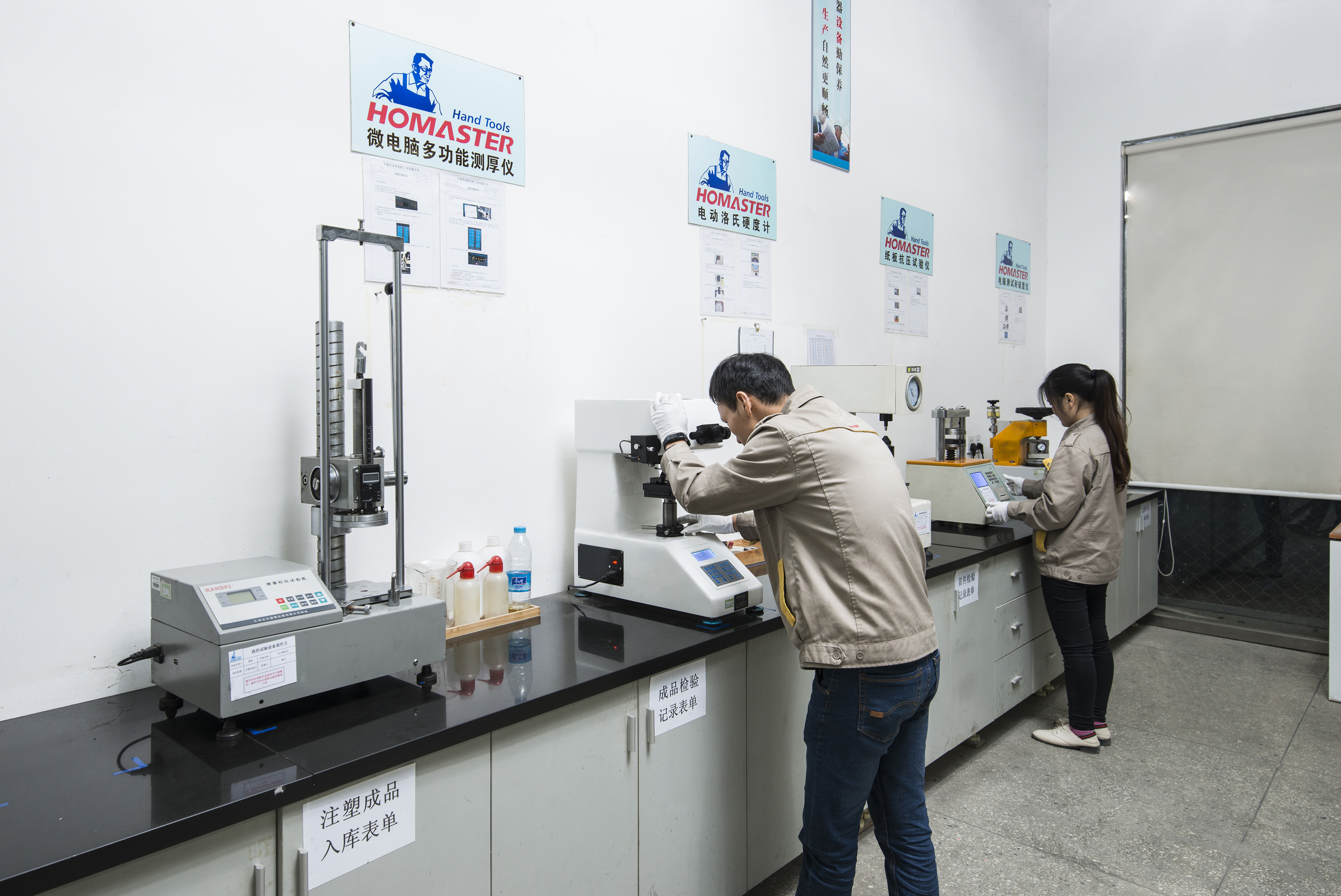
Final inspection stage: hardness, torque and bit-fit checks are the records a buyer should request against the exact ordered model.
Limits and Boundaries: Where Each Format Stops Working
Minimum order quantity and lead time. An MOQ of 600 units per item constrains smaller buyers and multi-SKU private label programmes, where the total order may be large but each individual SKU is small. A 30–45 day lead time is a production schedule rather than a replenishment service, so buyers with seasonal peaks need to order with buffer rather than against demand.
Piece count as a specification. A higher piece count does not automatically mean better coverage. Kits can be padded with sizes that a given market never uses. The specification that protects the buyer is the individual size list, confirmed in writing before the order.
Manual versus cordless. Cordless screwdrivers in this range span from 0.15 N·m electric torque in a precision model (YJPS-906) to 5 N·m in a full-size model (YJPS-902), with manual torque of 3 N·m to 10 N·m. Where a task needs tight torque control on small fasteners, or where battery charging and storage are impractical, a manual set remains the more predictable choice. Where the same fastener is driven repeatedly through a shift, the cordless format earns its cost. Neither replaces the other, and a programme that assumes one will cover both cases will generate complaints.
Consumable economics. Bits wear out. A bits set is only as good as the availability of replacement tips in the required sizes, so the reorder path should be confirmed before the first order rather than after the first failure. This is a commercial limit, not a technical one, and it is the one buyers most often overlook.
After-sales scope. Support for this range is remote. Buyers who require on-site service commitments, calibration or field replacement programmes should confirm what is and is not covered before treating after-sales as a differentiator.
OEM, Private Label and Regional Compliance Signals
OEM and ODM production is offered with color and logo customisation, which is what makes private label hand tool programmes possible at this scale. Export orientation is high — 95% of output is exported, into the EU, USA, Southeast Asia and South America — which means compliance documentation is a routine part of the offer rather than an exception. The mix of certificates in the portfolio reflects that reality: the GS certificate referenced earlier cites AfPS GS 2019:01 PAK, a German requirement on polycyclic aromatic hydrocarbons, which is the kind of market-specific condition that determines whether a private label line can be listed in European retail at all.
For a buyer evaluating a partner, the useful question is not whether the supplier can print a logo, but whether it can hold a specification constant across reorders while meeting the documentation requirements of the destination market. Configuration documentation at the level described in this article — hardness, per-size torque values, complete bit size lists — is what makes that possible. Where that documentation is missing, the private label programme carries the risk, not the supplier.
Future Outlook
Three shifts are visible in how these three categories are specified. First, configuration is moving from piece count to coverage lists, driven by buyers who have already absorbed the cost of an under-specified kit in the form of returns. Second, documentation is moving from certificate existence to certificate scope, as retail programmes in Europe and North America increasingly check the model number and standard behind a certificate rather than its cover page. Third, the manual-versus-cordless boundary is becoming a portfolio question rather than a category question: the same buyer now sources a manual set and a cordless driver for the same task family and assigns them by torque requirement and repetition, instead of treating cordless as an upgrade path.
None of these shifts require new technology. They require purchasers to specify coverage, confirm scope and match material to use case — three checks that cost nothing before an order is placed and a great deal afterwards.
FAQ
What is the difference between a tool set, a bits set and a screwdriver set?
A tool set pairs a handle platform — ratchet, T-handle, speed-fit or mini ratchet — with sockets, bits and extension bars, for example a 26-piece ratchet handle set with 11 sockets from 4 mm to 14 mm and 13 bits. A bits set concentrates value in the driver tips and a holder, such as an 18-piece impact drive set with S2 steel bits and five drills from 2 mm to 6 mm. A screwdriver set is defined by its handle: either a fixed handle, such as a 25-piece extension screwdriver set with 19 bits and four sockets, or a cordless driver specified by voltage, battery capacity, torque and speed.
How can a buyer verify configuration before placing an order?
By reading the size list rather than the piece count. The checks that matter are drive size, the full bit family and size list, socket range, extension bar length and type, material and finish for each component, and case format. Two kits with the same piece count can cover different work: the 26-piece ratchet handle set (YJTS-3506) emphasises sockets with 11 sizes, while the 32-piece set (YJTS-3545) emphasises bit diversity with 30 bits and a quick-release extension rod.
Which material and hardness specifications matter for bits and drivers?
Sets in this range are commonly specified in CR-V 6150 chrome vanadium steel with documented hardness of HRC 52–55 and per-size torque values rising from 0.82 N at 1.5 mm to 220 N at 10 mm. Bits sets use S2 steel with a black phosphate finish. Chrome vanadium steel is chosen for high torque strength, toughness and wear resistance in heavier-duty work, while 45# carbon steel is a carbon steel used for light household applications where torque capacity is limited.
Which certifications should be requested for hand tool sets and cordless drivers?
Request the certificates relevant to the destination market and confirm their scope. Mechanical safety, electrical safety and chemical restrictions are the common areas, with CE/EMC and RoHS frequently referenced. Certificates are model- and standard-specific: GS certificate S 50694620 0001 from TÜV Rheinland LGA Products GmbH covers hexagon screw keys with ball end to DIN ISO 2936-10.16 and does not extend to other categories. Buyers should cross-check the certificate model number and standard against the ordered product.
What are the typical commercial terms for OEM hand tool sourcing?
At this manufacturing base the published terms are an MOQ of 600 units, a lead time of 30–45 days, a monthly capacity of 1,500,000 units, FOB Shanghai or Ningbo, and payment of 30% T/T in advance with 70% against a copy of the bill of lading. Acceptance is by pre-shipment test and third-party inspection (SGS).
What limits customisation on hand tool sets?
Customisation covers color and logo under OEM/ODM production. The practical limits are commercial: an MOQ of 600 units per item restricts multi-SKU programmes in which each SKU is small, and a 30–45 day lead time requires planning rather than urgent replenishment. Certification scope is a further limit, since a customised model requires its own documentation where the destination market demands it.
When are manual sets a better fit than cordless drivers?
Manual sets are the more predictable choice where tight torque control on small fasteners is required, or where battery charging and storage are impractical. Cordless drivers in this range are specified from 0.15 N·m electric torque in a precision model (YJPS-906) to 5 N·m in a full-size model (YJPS-902), with manual torque from 3 N·m to 10 N·m, and suit tasks where the same fastener is driven repeatedly. The manual torque function on cordless tools also remains useful when a fastener must be finished by hand.
For readers who need the full configuration data, the publicly accessible catalogue PDF covers the product range referenced in this comparison: 2025 catalogue (PDF).