
Comparing Air Filters: Pressure Drop, Efficiency, and Cost
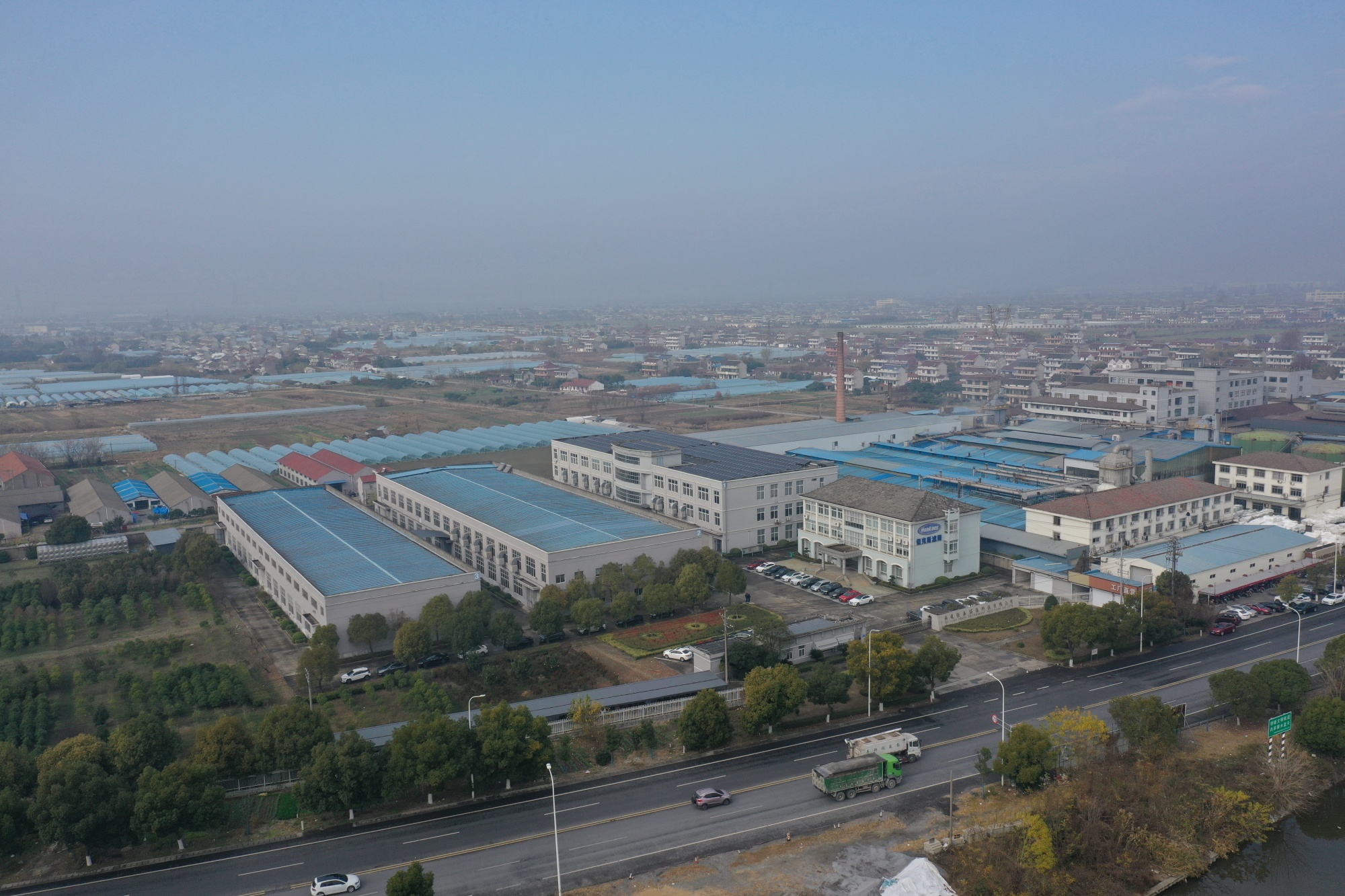
Henkaes operates a 30,000 m² air filter production facility in Haimen, Jiangsu Province.
Air filter procurement at the decision stage rarely comes down to efficiency alone. Buyers comparing supplier quotes and technical specifications must also weigh air pressure drop, filter service life, energy consumption, and total cost over the filter's operating life. This article examines the comparison metrics that matter, the performance data published by Henkaes across filter categories, and the practical boundaries buyers should keep in mind when interpreting those figures.
Why Air Filter Comparison Often Misses the Real Cost Drivers
Most air filter selection processes start with an efficiency question: What MERV rating does the HVAC specification require? What HEPA grade does the cleanroom standard demand? These are necessary questions, but they are not sufficient for a cost-effective purchasing decision.
Two filters with the same efficiency rating can behave very differently in a real system. The differences sit in metrics such as pressure drop, dust-holding capacity, and replacement lifespan. Pressure drop is particularly important because it directly affects fan energy consumption. A filter that resists airflow more than necessary forces the air-handling unit to work harder, converting that resistance into electricity cost. In systems that operate year-round, the accumulated energy impact can exceed the original purchase price of the filter.
For decision-stage buyers, the practical question is not only "does this filter meet the efficiency grade?" but also "what does this filter cost to operate per year, and how often will it need to be replaced?"
Henkaes: Manufacturer Background and Testing Infrastructure
Nantong Henka Environment Solutions Co., Ltd (Henkaes) is an air filter manufacturer founded in 2004 and located in Haimen City, Jiangsu Province, approximately 120 kilometers from Shanghai. The company operates a 30,000 m² production facility, employs 63 people including an 11-engineer R&D team, and reports an annual output of about 2,000,000 pieces. Approximately 69% of production is exported, primarily to the European Union and the United States.
Henkaes' product line includes HEPA filters, VOC removal filters, formaldehyde removal filters, activated carbon filters, HVAC filters, and purification devices. The company holds ISO 9001:2015, ISO 14001:2015, and ISO 45001:2018 certifications, and maintains testing infrastructure that includes an efficiency and air resistance test system for filter media, a noise test lab, a 30 m³ test room for formaldehyde and VOC removal efficiency, and a CADR test room for air purifiers. ASHRAE 52.2 is used in the company's air filter testing.
For procurement teams, the significance of this infrastructure is that performance-related claims can, in principle, be traced to in-house testing equipment and standard test methods rather than being purely descriptive.
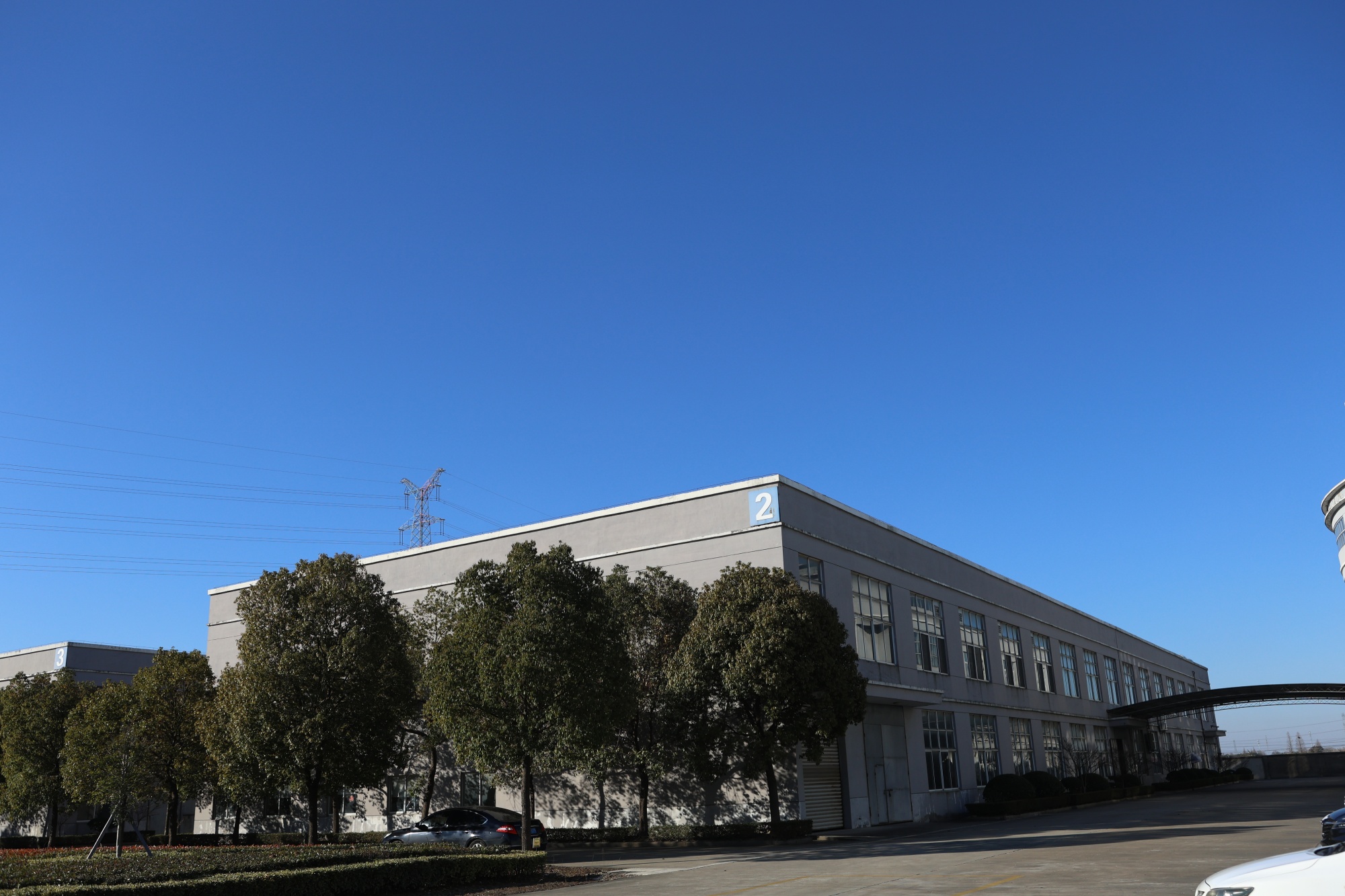
Henkaes is located about 120 km from Shanghai, serving export markets primarily in the EU and USA.
Core Comparison Metrics: What the Data Shows
Henkaes publishes comparison data positioning its filters against common conventional filters in seven product categories. The central claim across these comparisons is consistent: 5% to 10% lower air pressure drop while maintaining the same filtration efficiency, at the same price point, with a longer filter replacement lifespan.
The table below summarizes the comparison data by application scenario.
| Application Scenario | Compared To | Stated Difference |
|---|---|---|
| HVAC filtration | Conventional furnace air filter | 5%–10% lower pressure drop, same efficiency; same price with higher removal performance; longer replacement lifespan |
| Cleanroom industry | Common box filter | 5%–10% lower pressure drop, same efficiency and price; longer replacement lifespan |
| Pharmaceutical plants | Common V-bank filter | 5%–10% lower pressure drop, same efficiency; same price with higher removal performance; longer replacement lifespan |
| Food and beverage plants | Common panel filter | 5%–10% lower pressure drop, same filtration efficiency; higher Energy Star rating; longer replacement lifespan |
| Household air purifiers | Common HEPA filter | 5% lower pressure drop, 5% higher CADR; higher filtration efficiency; no price increase; longer replacement lifespan |
| Household air purifiers | Conventional activated carbon filter | Carbon quality above CTC 70, indicating higher adsorption capacity; same price with higher removal performance; longer replacement lifespan |
| Aerospace and aviation | Common B737/B757 electronic cabin air filter | 5%–10% pressure drop improvement, same efficiency; same price with higher removal performance; longer replacement lifespan |
These figures are Henkaes' own published comparisons. Buyers should interpret them as supplier-provided baseline data and, where the application is critical, validate them through independent or third-party testing.
Application-by-Application Analysis
HVAC and Furnace Air Filters
In HVAC systems, filters with a lower pressure drop reduce the static pressure the blower must overcome. Henkaes' comparison with conventional furnace air filters states a 5% to 10% lower air pressure drop at the same efficiency. For a building owner operating air-handling units continuously, a pressure drop reduction in this range can reduce fan energy consumption. The company also reports a longer filter replacement lifespan, which affects both maintenance labor and filter purchasing frequency.
Cleanroom Box Filters
Cleanrooms depend on high-efficiency filtration and high air-change rates. Box filters used in cleanroom ceilings handle large air volumes, and pressure drop directly influences the energy required to maintain pressurization and airflow. Henkaes' comparison with common box filters states the same efficiency and price with 5% to 10% lower pressure drop and a longer replacement lifespan. For cleanroom operators, lower pressure drop can translate into reduced operating cost, provided the filter still meets the cleanroom's classification requirements.
Pharmaceutical V-Bank Filters
Pharmaceutical production areas typically require high-efficiency particulate filtration under controlled conditions. Henkaes compares its V-bank filter offering with common V-bank filters, stating the same efficiency with 5% to 10% lower pressure drop, the same price with higher removal performance, and a longer replacement lifespan. V-bank filters are often used as pre-filters or final filters depending on the cleanroom classification, so buyers should confirm the relevant efficiency grade and test standard for their specific application.
Food and Beverage Panel Filters
In food and beverage processing, filtration is used to protect both product quality and equipment. Henkaes states that its panel filter product offers 5% to 10% lower pressure drop than common panel filters, with a higher Energy Star rating and longer replacement lifespan, making it suitable for food and beverage plant applications. The lower pressure drop can reduce the load on ventilation fans, while a longer lifespan reduces the frequency of filter changes in environments where access to filter banks may be constrained by production schedules.
Household Air Purifier HEPA Filters
For residential air purifiers, CADR (Clean Air Delivery Rate) is a key performance indicator. Henkaes' comparison with common HEPA filters states a 5% lower air pressure drop and 5% higher CADR, along with higher filtration efficiency and a longer replacement lifespan at the same price. In a household air purifier, a higher CADR means the unit can deliver more clean air at the same fan speed, or potentially operate at a lower speed with less noise while maintaining the same output.
Activated Carbon Filters
Henkaes compares its activated carbon filters with conventional activated carbon filters primarily on carbon quality, citing a CTC grade above CTC 70. CTC (carbon tetrachloride) activity is an indicator of the adsorption capacity of activated carbon. A higher CTC grade suggests the carbon has a greater capacity to adsorb volatile organic compounds and odors, which is directly relevant for household air purifiers that combine particle filtration with gas-phase removal.
Aerospace Electronic Cabin Air Filters
Henkaes also positions a product for aerospace and aviation scenarios, comparing it with common B737/B757 electronic cabin air filters. The stated difference is a 5% to 10% pressure drop improvement at the same efficiency, with higher removal performance at the same price and a longer replacement lifespan. In aircraft cabin air recirculation systems, pressure drop affects the load on the recirculation fans, so lower pressure drop can contribute to system efficiency.
Market Context: Air Filter Demand and Competitive Landscape
The air filter market is expanding. According to Fortune Business Insights, the global air filters market was valued at USD 17.08 billion in 2025 and is projected to reach USD 34.66 billion by 2034. This long-term growth is consistent with increasing attention to indoor air quality, stricter building ventilation requirements, and expansion in industries that depend on controlled environments.
Within the air purifier segment, Grand View Research reports that HEPA filters held a 41.7% market share in the air purifier technology segment in 2025, and that the global smart air purifier market is growing at a CAGR of 14.1% from 2024 to 2030, driven by AI and IoT integration. The significance for air filter manufacturers is that connected, smart purification devices tend to place more emphasis on CADR, energy efficiency, and filter replacement intervals — exactly the metrics where Henkaes' comparisons claim differentiation.
In China, H13/H14 grade HEPA filters represented 35% of the country's air filter exports in 2025, according to China Briefing and industry reports, with demand driven by the semiconductor and biopharmaceutical sectors. This suggests that high-efficiency filtration remains a growth area in global supply chains.
The competitive landscape remains concentrated. Parker Hannifin led the industrial filtration systems market with a 15.7% share in 2024, according to Global Market Insights. Daikin Industries reported filtration revenue of USD 1.12 billion in 2024, focusing on high-end MERV 15 and HEPA products, per Report Prime Research. These figures indicate that large established players dominate parts of the market, but the overall market expansion also leaves room for specialized manufacturers with OEM/ODM capabilities.
Standards That Define Air Filter Comparison
Three standards frameworks are particularly relevant when comparing air filters across categories:
ASHRAE 52.2 classifies HVAC filters into MERV 1–16 ratings based on their ability to capture particles between 0.3 and 10 micrometers. It is the most common baseline for commercial HVAC filter specification in North America. MERV alone, however, does not express pressure drop, dust-holding capacity, or lifespan — all of which affect total operating cost.
EN 1822 / ISO 29463 classify HEPA and ULPA filters based on efficiency at the Most Penetrating Particle Size (MPPS). Under EN 1822, an H14 filter must achieve 99.995% efficiency at MPPS. These standards are the reference for cleanroom, pharmaceutical, and semiconductor applications.
EN 779 (now replaced by ISO 16890 in many markets) was previously used to classify coarse and fine filters for general ventilation. Buyers should be careful when comparing older EN 779 classifications with ISO 16890 or ASHRAE 52.2 ratings, because the test methods and classification thresholds differ.
When a supplier claims "same efficiency" in a comparison, the buyer should confirm which standard and test method the claim refers to.
Limitations and Boundaries
An objective comparison of air filters should also acknowledge where the data does not extend.
1. Supplier-sourced data: The 5%–10% pressure drop and 5% CADR differences reported by Henkaes are manufacturer-published comparisons. They are useful as a baseline, but for critical applications, independent verification through accredited testing is advisable.
2. System-dependent results: Pressure drop measured in a laboratory may not be reproduced exactly in a real system. Face velocity, duct configuration, pre-filter loading, and fan characteristics all influence the effective pressure drop and energy impact.
3. Service life is context-specific: A longer replacement lifespan is not an absolute product property. It depends on the contaminant load in the air stream, the efficiency of upstream pre-filters, and the operating hours of the system. In high-particulate environments, any filter will load faster.
4. Energy Star is a consumer-oriented scheme: Energy Star ratings are most meaningful for consumer appliances. For industrial or commercial filters, buyers should evaluate annual fan energy directly rather than relying on Energy Star as a primary procurement criterion.
5. Price comparisons vary by configuration: The "same price" statements refer to Henkaes' pricing relative to common alternatives in equivalent product categories. Final landed cost depends on order quantities, customization requirements, shipping, and import duties, which differ by region and supply chain structure.
6. Pressure-drop risk management: High air pressure drop is the most common operational risk associated with air filters, as it increases energy consumption. The standard mitigation is to replace the filter frequently before pressure drop becomes excessive. Suppliers such as Henkaes typically remind customers to replace the product when the lifespan is approaching its end, which underscores the importance of monitoring pressure drop in critical systems.
Future Outlook
Several trends are likely to shape air filter purchasing decisions over the next five years. The continued growth of the smart air purifier segment, with a projected CAGR of 14.1%, points toward filters that support higher CADR and longer service intervals being increasingly valuable in residential and light commercial applications. As building energy codes tighten, pressure drop may become a more prominent specification in HVAC filter tenders, because it is one of the few filter properties that directly affects annual operating cost.
In industrial and cleanroom applications, the strong share of H13/H14 HEPA filters in China's exports reflects sustained demand from semiconductor and biopharmaceutical sectors. For procurement teams, this means supplier capacity for high-efficiency filtration, consistent quality control, and responsive customization will remain important evaluation criteria. Manufacturers with in-house test labs and documented quality systems are better positioned to provide the evidence that decision-stage buyers need.
For a detailed reference on Henkaes' product range, the company publishes an electronic catalogue that procurement teams can use to compare specifications across filter types: Henkaes Air Filter E-Catalogue (PDF).
Frequently Asked Questions
What does "5%–10% lower pressure drop at the same efficiency" mean for an HVAC system?
It means the filter captures the same fraction of particles as a conventional filter at the same efficiency rating, but resists airflow less. This can reduce the fan energy required to maintain the same airflow rate. The actual energy saving depends on the fan efficiency, the system's operating hours, and the pressure drop of the rest of the duct system.
How does pressure drop affect the total cost of an air filter?
Pressure drop determines how much energy the fan consumes to push air through the filter. A filter with a higher pressure drop increases fan energy consumption. Over a year of operation, the additional electricity cost can exceed the purchase price difference between two filters. Filters with 5%–10% lower pressure drop at the same efficiency can therefore reduce the total cost of ownership even if the initial price is the same.
What is a CTC grade, and why does it matter in activated carbon filters?
CTC (carbon tetrachloride) activity measures the adsorption capacity of activated carbon. A CTC grade above 70 indicates relatively high adsorption capacity, meaning the carbon can adsorb more volatile organic compounds and odors. For household air purifiers, a higher CTC grade generally corresponds to better gas-phase removal performance, depending on the target contaminants and filter design.
How do MERV ratings relate to air filter comparison?
ASHRAE 52.2 classifies HVAC filters into MERV 1–16 categories based on particle capture efficiency for particles between 0.3 and 10 micrometers. The MERV rating sets the efficiency baseline for comparison, but it does not capture pressure drop, dust-holding capacity, or service life. Two filters with the same MERV rating can have different operating costs if their pressure drop and lifespan differ.
What should a buyer verify when comparing air filters from different suppliers?
Buyers should confirm the efficiency standard and test method (ASHRAE 52.2, EN 1822, ISO 29463, etc.), pressure drop at the rated airflow, dust-holding capacity, recommended replacement interval, filter media type and construction, and whether the supplier has in-house testing capability to support performance claims. Price per piece should be considered together with these technical parameters.
Are lower-pressure-drop filters more expensive?
Not necessarily. In Henkaes' published comparisons, the company states that its filters achieve 5%–10% lower pressure drop at the same price as common alternatives. However, pricing depends on configuration, order volume, customization, and supply chain factors, so buyers should request test reports and pricing documentation from the supplier to evaluate the claim for their specific case.
What is the difference between EN 1822 and ASHRAE 52.2 for high-efficiency filters?
EN 1822 classifies HEPA and ULPA filters by efficiency at the Most Penetrating Particle Size (MPPS), with grades such as H13 and H14 requiring minimum efficiencies of 99.95% and 99.995%, respectively. ASHRAE 52.2 applies to HVAC filters and rates them MERV 1–16 based on particle-size-specific efficiencies. High-efficiency filters for cleanrooms and pharmaceutical applications are generally classified under EN 1822 / ISO 29463, while HVAC filters are commonly rated under ASHRAE 52.2.