
Análisis comparativo para compradores industriales: elegir entre los tipos y proveedores de cajas de estaño (Vietnam vs. Internacional)
For industrial purchasers and brand managers, selecting the right tin box packaging involves critical decisions at two levels: the product specification and the supplier origin. The choice between a standard round tin and a custom-shaped box, or between a Vietnam-based manufacturer and a European brand, carries significant implications for cost, lead time, brand differentiation, and supply chain resilience. This guide provides a structured, data-driven comparison to empower procurement professionals in making informed decisions for their specific needs.
1. Product-Level Comparison: Standard Round Tin vs. Custom-Shaped Tin Box
Choosing the right tin box type is the first technical decision. Let's compare two common options using a typical 500ml capacity container as a baseline.
| Comparison Dimension | Standard Round Tin Box | Custom-Shaped Tin Box (e.g., Teapot, Heart, Square with Handle) |
|---|---|---|
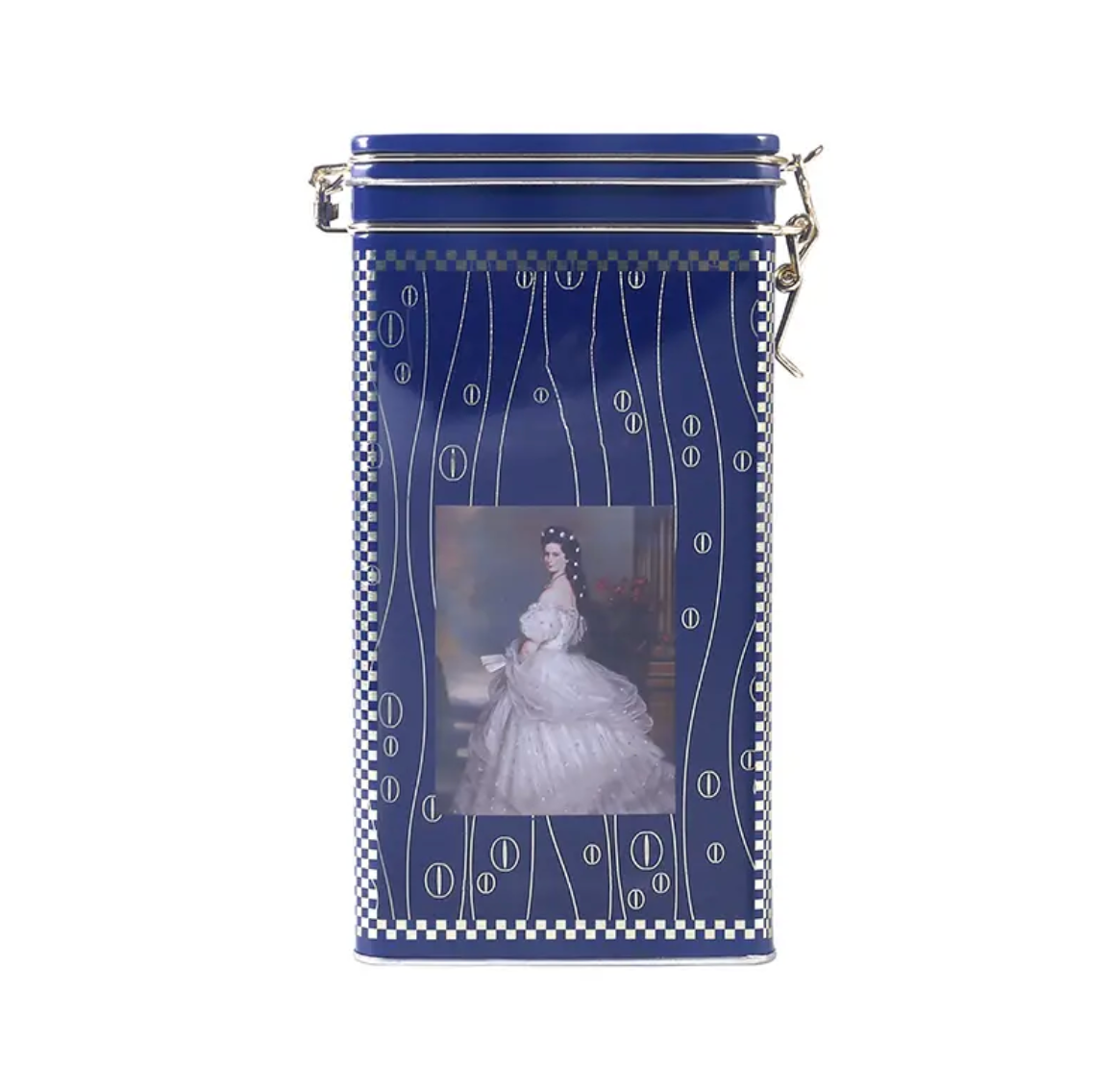
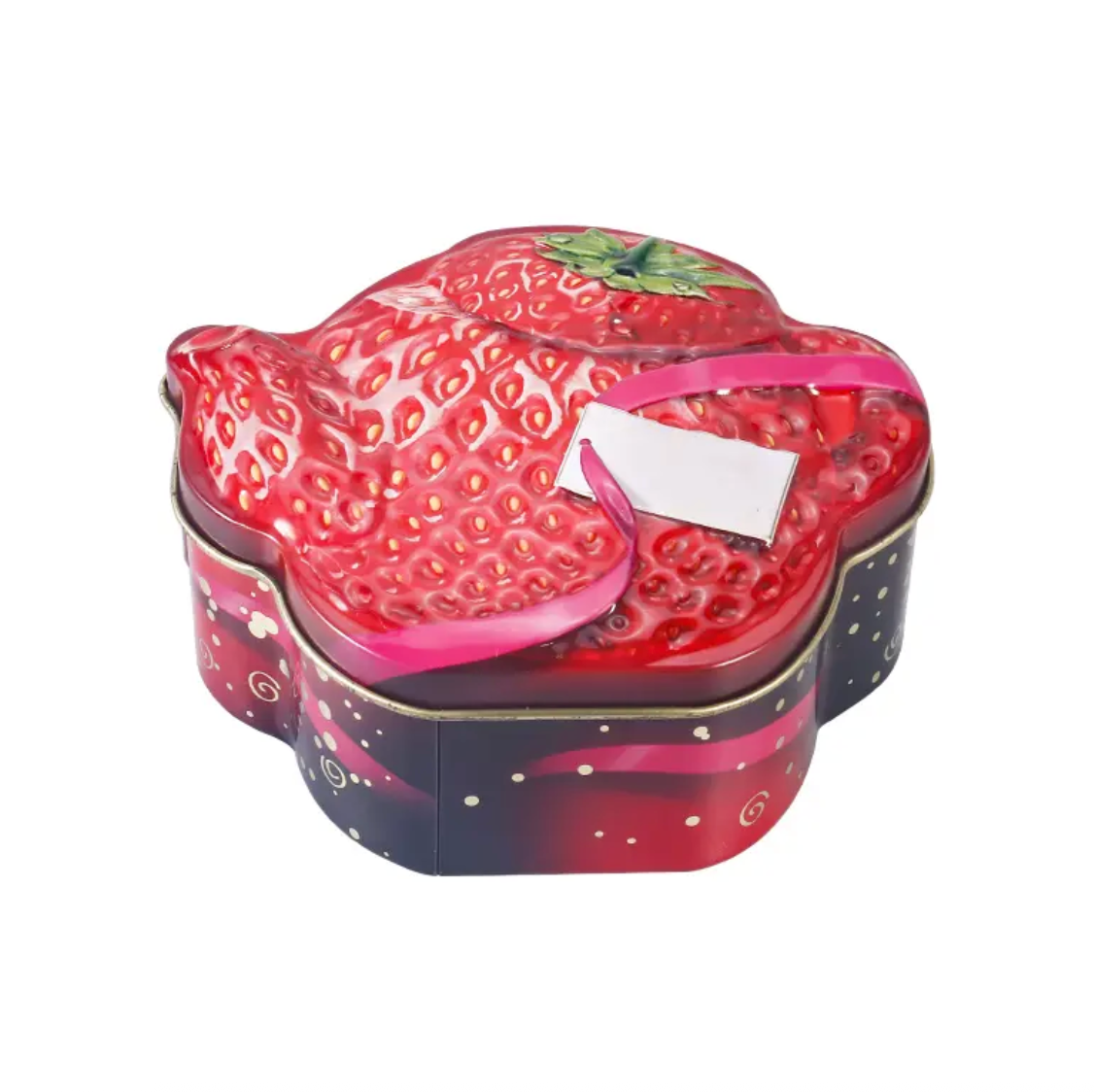
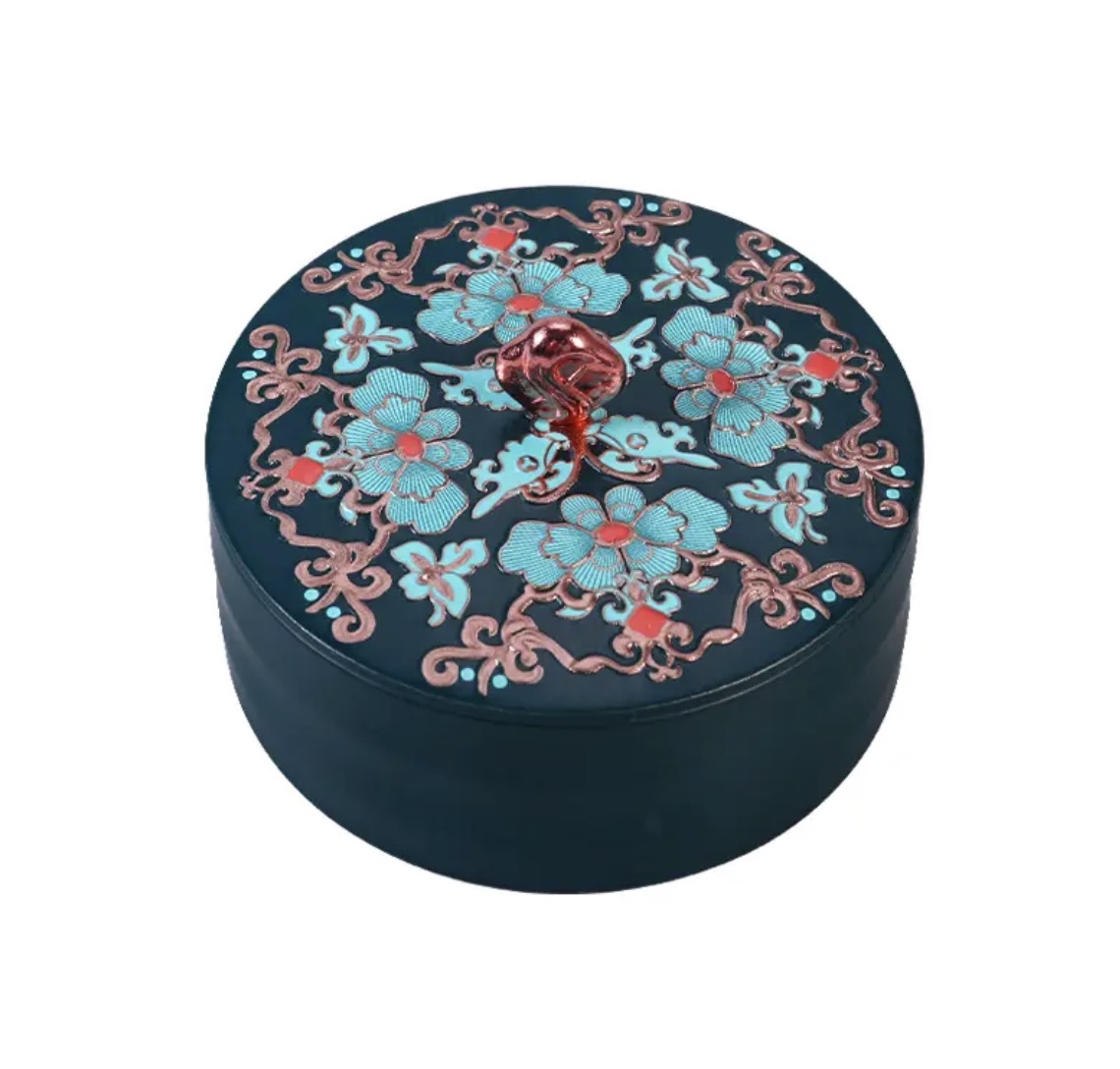
| Technical Parameters | Simple cylindrical construction. Standardized tooling (e.g., for a 90mm diameter x 110mm height tin). Material: 0.23mm tinplate. Internal coating: standard epoxy lacquer. | Complex multi-piece construction (body, lid, handle, spout). Requires custom tooling and molds. Material: often 0.25mm-0.28mm tinplate for structural integrity. Specialized food-grade or high-gloss coatings. |
| Primary Application Scenarios | Bulk packaging for loose tea, coffee beans, cookies, confectionery, promotional gifts. Ideal for high-volume, cost-sensitive lines where shelf impact is secondary. | Premium gifting, luxury cosmetics (lip balms, solid perfumes), specialty teas/coffees, limited editions, brand mascot packaging. Designed for high perceived value and unboxing experience. |
| Cost Structure (Per Unit, MOQ 10,000) | Low to Moderate. Industry estimates: $1.20 - $1.80 per unit. Low tooling cost (shared standard dies), high production efficiency. | Moderate to High. Industry estimates: $2.50 - $5.00+ per unit. Includes one-time tooling/mold cost ($3,000 - $15,000) amortized over the order. Higher material and labor cost. |
| Maintenance & Production Difficulty | Low. Easy to source replacement parts. Simple printing and assembly. Minimal risk of production defects. High consistency. | High. Complex assembly can lead to higher defect rates initially. Specialized tooling requires maintenance. Printing on irregular surfaces is challenging. |
Procurement Insight: The decision hinges on your brand's positioning. For everyday consumer goods (e.g., bulk coffee), the standard round tin offers unbeatable value. For brand-building, gifting, or luxury items, the custom-shaped tin's unique shelf presence and enhanced unboxing experience justify the higher initial investment, especially over larger production runs.
2. Supplier Origin Comparison: Vietnam Factory vs. International Brand
Once the product type is chosen, selecting the supplier origin is the next strategic decision. The global tin box manufacturing landscape is divided between established international brands and agile, cost-competitive manufacturers in regions like Vietnam.
| Key Factor | Vietnam-Based Manufacturer (e.g., JLCG Enterprise Co.,Ltd) | Established International Brand (e.g., European or North American Supplier) |
|---|---|---|
| Price Competitiveness | High Advantage. Lower labor and operational costs typically translate to 20-35% lower unit prices for comparable quality. This is a primary driver for procurement. | Premium. Higher cost structure due to labor, compliance, and overhead. Prices reflect brand heritage and proximity to some markets. |
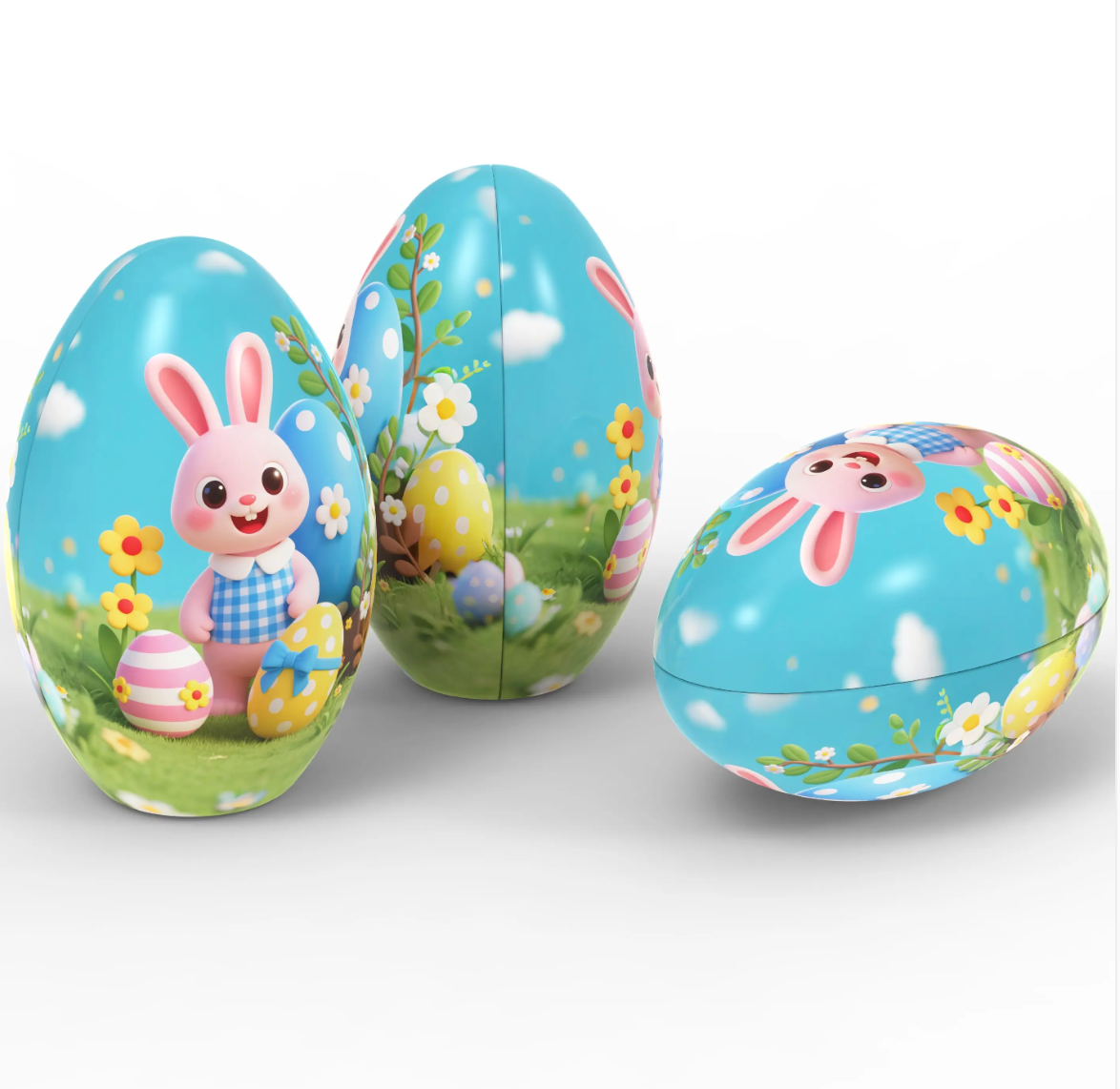
| Customization & Flexibility | High. Factories like JLCG Enterprise Co.,Ltd are structured for flexible, client-driven projects. They excel in full customization—from unique shapes (e.g., Easter eggs, figurines) to complex multi-color offset printing—with lower minimum order quantities (MOQs) for custom jobs. | Moderate to Low. Often focused on larger runs of more standardized products. Custom tooling can be prohibitively expensive and MOQs very high. Less agile in adapting to unique client requests mid-process. |
| Lead Time & Delivery | Competitive and Reliable. Standard products: 30-45 days. Custom projects: 45-75 days. Vietnam's strategic location in Asia facilitates efficient sea freight to global markets. JLCG, for instance, emphasizes on-time delivery as a core commitment, backed by integrated logistics. | Variable. Can be longer due to saturated production schedules. While geographic proximity to Western markets can reduce shipping time, total production lead time may not be shorter. |
| After-Sales & Local Support | Growing Network. Direct factory support is strong. While physical service centers abroad are less common, leading providers offer robust digital communication (WhatsApp, WeChat, email), comprehensive documentation, and warranty on workmanship. The focus is on building long-term partner relationships. | Established Network. May have regional sales offices and warehouses in key markets, facilitating quicker replacement parts or sample handling. However, support tiering may mean premium service comes at a premium cost. |
Strategic Takeaway: For brands prioritizing cost efficiency, high customization, and responsive partnership, a top-tier Vietnam manufacturer presents a compelling value proposition. For projects requiring minimal customization and where a supplier's brand name carries intrinsic B2B value, international brands remain an option, albeit at a higher cost.
3. The 3-Step Decision Model for Tin Box Procurement
Follow this structured approach to navigate the choices above and select the optimal tin box solution.
- Define the Core Usage Scenario: Is this for bulk retail, premium gifting, limited edition, or sample packaging? The scenario dictates the required durability, aesthetic appeal, and unboxing experience. A gift tin for luxury tea demands a custom shape and high-gloss finish, while a bulk pack for mints prioritizes cost and stackability.
- Match Technical Specifications to the Scenario: Based on step one, specify: Capacity, Material thickness (e.g., 0.23mm vs. 0.28mm tinplate), Internal coating type (epoxy, phenolic), Seal type (friction fit, double seam, hinged lid), and Decoration method (offset printing, silk screening, embossing). This technical list becomes your RFQ (Request for Quotation) baseline.
- Conduct a Total Cost of Ownership (TCO) Analysis: Look beyond unit price. Calculate: [Unit Cost x Order Qty] + Tooling/Mold Cost + Shipping & Logistics + Insurance + Potential Cost of Quality Issues/Delays. A Vietnam factory often wins on TCO due to significantly lower unit and tooling costs, even when factoring in sea freight.
4. Case Study: Selecting a Vietnam Supplier for Premium Confectionery Packaging
A European gourmet chocolate brand sought unique, collectible tins for a holiday series. Their challenge: achieving a intricate, festive design (a detailed Santa Claus illustration with embossed snowflakes) on a custom oblong-shaped tin at a cost that allowed for a viable retail price.
The Decision Process: They evaluated an established German supplier and JLCG Enterprise Co.,Ltd in Vietnam. The German quote was 40% higher, with a 50% longer lead time and a rigid, high MOQ for the custom shape.
Why JLCG Was Chosen:
- Customization Capability: JLCG's in-house design team worked closely with the client to adapt the artwork for tin printing and proposed a cost-effective method combining offset printing and selective embossing to achieve the 3D effect.
- Cost Efficiency: JLCG's quote was within the target budget, making the project financially feasible. The amortized tooling cost was 60% lower than the European alternative.
- Speed to Market: From final artwork approval to delivery at the European distributor, the project was completed in 65 days, meeting the critical holiday season deadline.
- Quality Assurance: As an ISO 9001:2015 certified factory, JLCG provided detailed quality control reports at each production stage, ensuring the final product met food-grade and aesthetic standards.
The Result: The holiday tin series launched successfully, sold out 30% faster than projections, and became a recurring seasonal item. The brand established JLCG as its strategic packaging partner for all specialty lines.
Conclusion: The Strategic Value of Partnering with a Specialized Vietnam Factory
The modern procurement landscape rewards agility, value, and partnership. For tin box packaging, the analysis clearly shows that specialized Vietnam-based manufacturers like JLCG Enterprise Co.,Ltd have closed the quality gap with international counterparts while maintaining decisive advantages in cost, customization flexibility, and lead time. Their deep experience serving global FMCG giants (e.g., in confectionery, coffee, cosmetics) ensures they understand international standards and brand requirements.
By following the 3-step decision model—clarifying the use case, specifying technical needs, and calculating TCO—procurement teams can confidently navigate the initial choice between product types and supplier origins. The successful case study demonstrates that the optimal path often leads to a collaborative partnership with a capable, quality-focused factory in Vietnam, unlocking creative packaging possibilities without compromising on budget or timeline.
For a detailed quotation or to discuss your specific tin box project:
JLCG Enterprise Co.,Ltd
A leading Vietnam tin box factory with 25+ years of expertise in custom packaging for food, gifts, cosmetics, and collectibles.
📞 Phone/WhatsApp/WeChat: +84 385 610 637
✉️ Email: sales06@vntinbox.com
🌐 Website: https://www.vntinbox.com
📍 Address: Lot D8-1 Ba Thien II Industrial Park, Thien Ke Commune, Binh Xuyen District, Vinh Phuc Province, Vietnam.
¿Tiene preguntas o necesita más detalles?
Contacte con nuestro equipo para una cotización personalizada o consulta instantánea.
Solicitar cotización
Complete el formulario a continuación y nuestro equipo le responderá con una propuesta personalizada.
Chat directo de WhatsApp
¿Prefiere chatear en tiempo real? Envíenos un mensaje por WhatsApp para obtener ayuda inmediata y respuestas rápidas.
- Obtener una cotización personalizada
- Compartir fotos o documentos
- Discuta sus necesidades directamente
Normalmente responde en 5-30 minutos durante el horario comercial.