
Choosing a Custom Hydraulic Power Unit: Key Specs and OEM Criteria
Hydraulic power units (HPUs) are the core of many mobile and industrial systems, converting engine or electric motor energy into controlled fluid flow. Buyers searching for a hydraulic power unit typically need more than a catalog model: they need a unit matched to duty cycle, mounting constraints, voltage availability, and OEM integration requirements. This article explains how custom hydraulic power units are specified, what makes OEM and DC designs different, and what to verify before sourcing from a manufacturer.
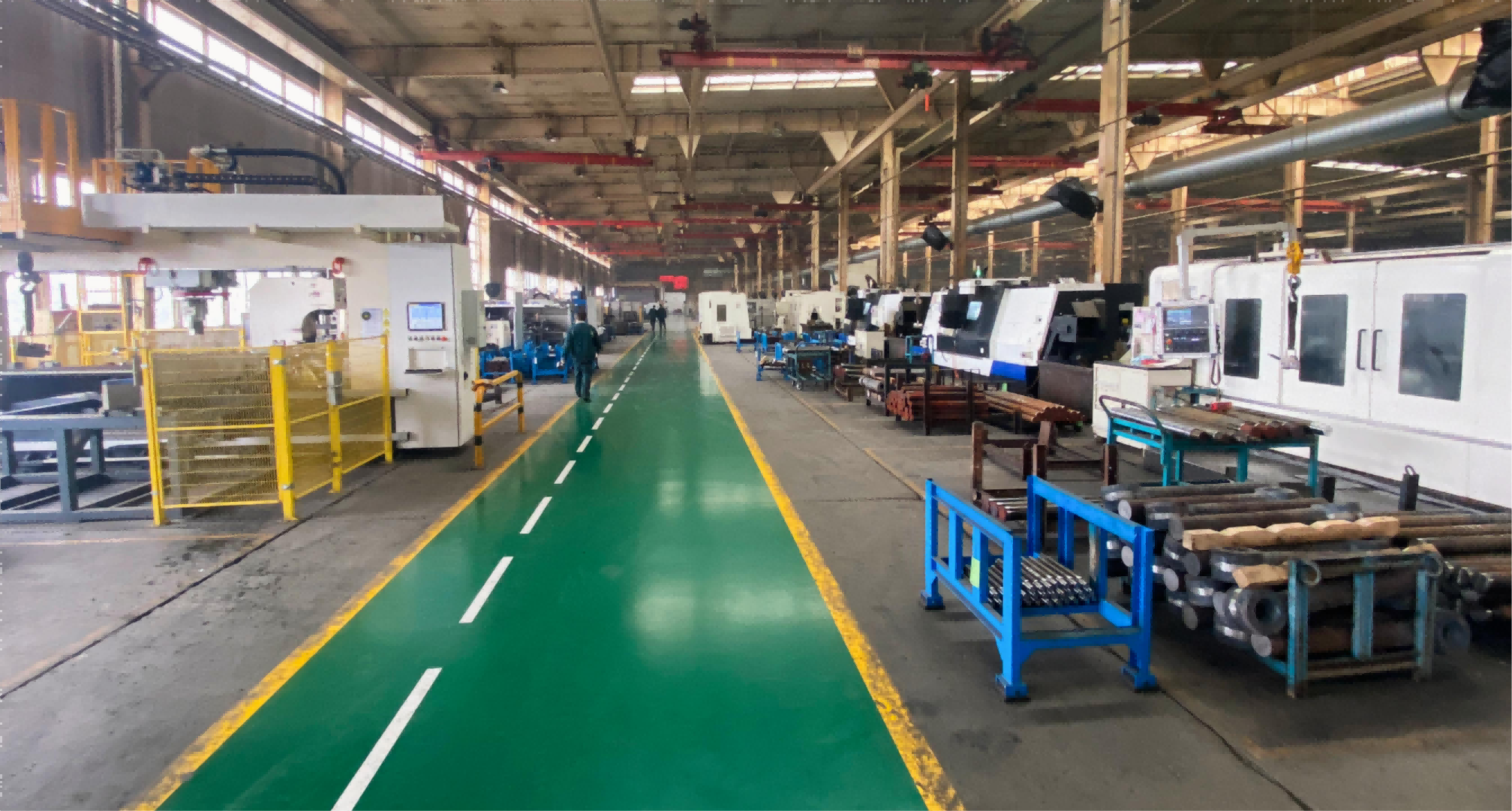
Problem/Opportunity: Why a Standard Hydraulic Power Unit May Not Fit
A standard power pack can be suitable when the duty cycle, flow, pressure, reservoir size, mounting position, and control elements are all close to a catalog configuration. In practice, many buyers need a specific voltage, a compact footprint, a particular valve package, or an interface that must match existing equipment.
The opportunity is that modular design and manufacturing discipline allow a hydraulic power unit to be customized without sacrificing reliability or delivery. A manufacturer with in-house cylinder and power unit production can also coordinate the complete hydraulic system, reducing interface risk between components.
What Is a Hydraulic Power Unit?
A hydraulic power unit, also called a hydraulic power pack, is a self-contained assembly that provides pressurized hydraulic fluid to actuate cylinders or motors. It typically includes a reservoir, pump, electric motor or engine connection, valves, filters, pressure relief protection, and required instrumentation.
For OEM integrators, the power unit is not just a commodity: it determines system efficiency, thermal behavior, noise, mounting geometry, and serviceability. Therefore, evaluating suppliers on technical capability and quality control is as important as comparing price.
Main Types of Hydraulic Power Units
Custom Hydraulic Power Unit
A custom unit is engineered around the application: reservoir shape and capacity, pump displacement, motor power, control manifold, and mounting points are adapted to the machine and installation space. Custom units are common in dump trailers, scissor hoists, sanitation vehicles, roll-off trucks, and construction or agricultural equipment.
DC Hydraulic Power Unit
DC hydraulic power units, including 12V and 24V versions, are widely used in mobile equipment where the power supply comes from a vehicle battery or alternator. A 12V hydraulic power unit is typical in trailers and light trucks; a 24V hydraulic power unit is more common in heavier mobile systems and commercial vehicles with 24V electrical systems.
Key requirements for DC units include low current draw during peak load, appropriate solenoid valve voltage, thermal management under intermittent operation, and compatibility with vehicle mounting.
Mini Hydraulic Power Unit
Mini units are compact packs for light-duty applications such as tailgates, small lifts, clamping devices, and auxiliary actuators. They save space but still require exact pressure and flow characteristics to work correctly with the driven cylinder.
Vehicle and Dump Trailer Hydraulic Power Unit
Vehicle-mounted units, including dump trailer hydraulic power units, need robust construction because they experience vibration, road shock, exposure to moisture and dust, and often frequent but short operating cycles. A dump trailer HPU usually drives a single-acting cylinder through a control valve with a power-down or gravity-down function.
Scissor Hoist Hydraulic Power Unit
Scissor hoist systems are used on dump trailers, truck bodies, and material handling platforms. The power unit and scissor hoist must be matched in lifting capacity, operating pressure, and fold/unfold speed. A mismatched pump flow can cause the hoist to raise too quickly or too slowly, affecting safety and stability.
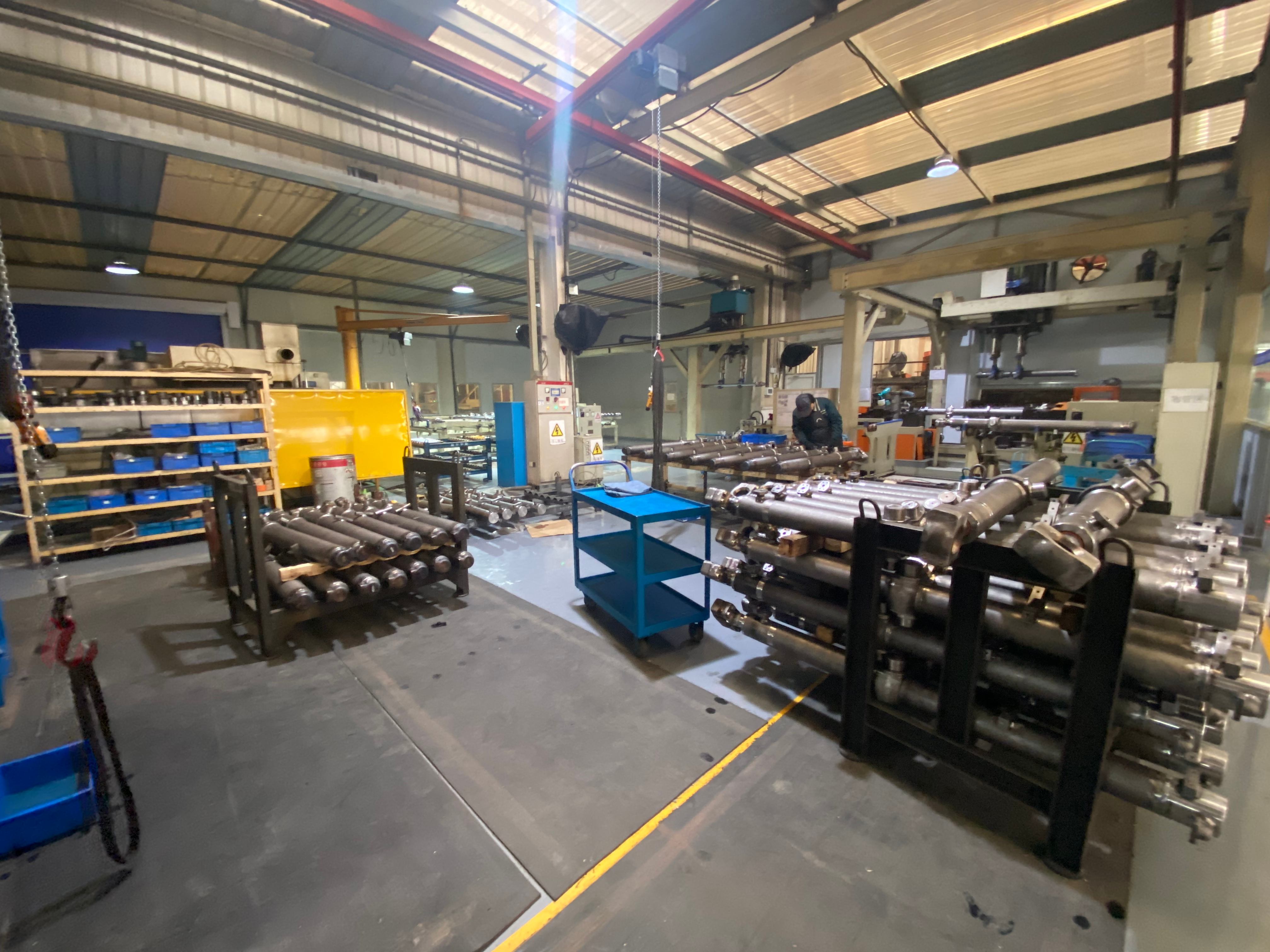
OEM Hydraulic Power Unit: What to Specify
When ordering OEM hydraulic power units, a detailed specification protects both buyer and supplier. At minimum, the following points should be documented:
- Duty cycle and operating frequency: intermittent or continuous operation determines motor rating, reservoir sizing, and cooling needs.
- Flow and pressure requirements: the pump displacement and relief valve setting must be matched to cylinder bore, rod size, and load.
- Voltage and electrical controls: 12V, 24V, AC motor options, solenoid ratings, and wiring connectors.
- Reservoir volume and mounting: available space, orientation, filler/breather position, return line filtration, and port connections.
- Environmental conditions: temperature range, IP rating, vibration, and exposure to washdown or road salt.
- Compliance and certification needs: applicable regional standards for mobile or industrial hydraulic equipment.
Manufacturing Capability and Quality Control
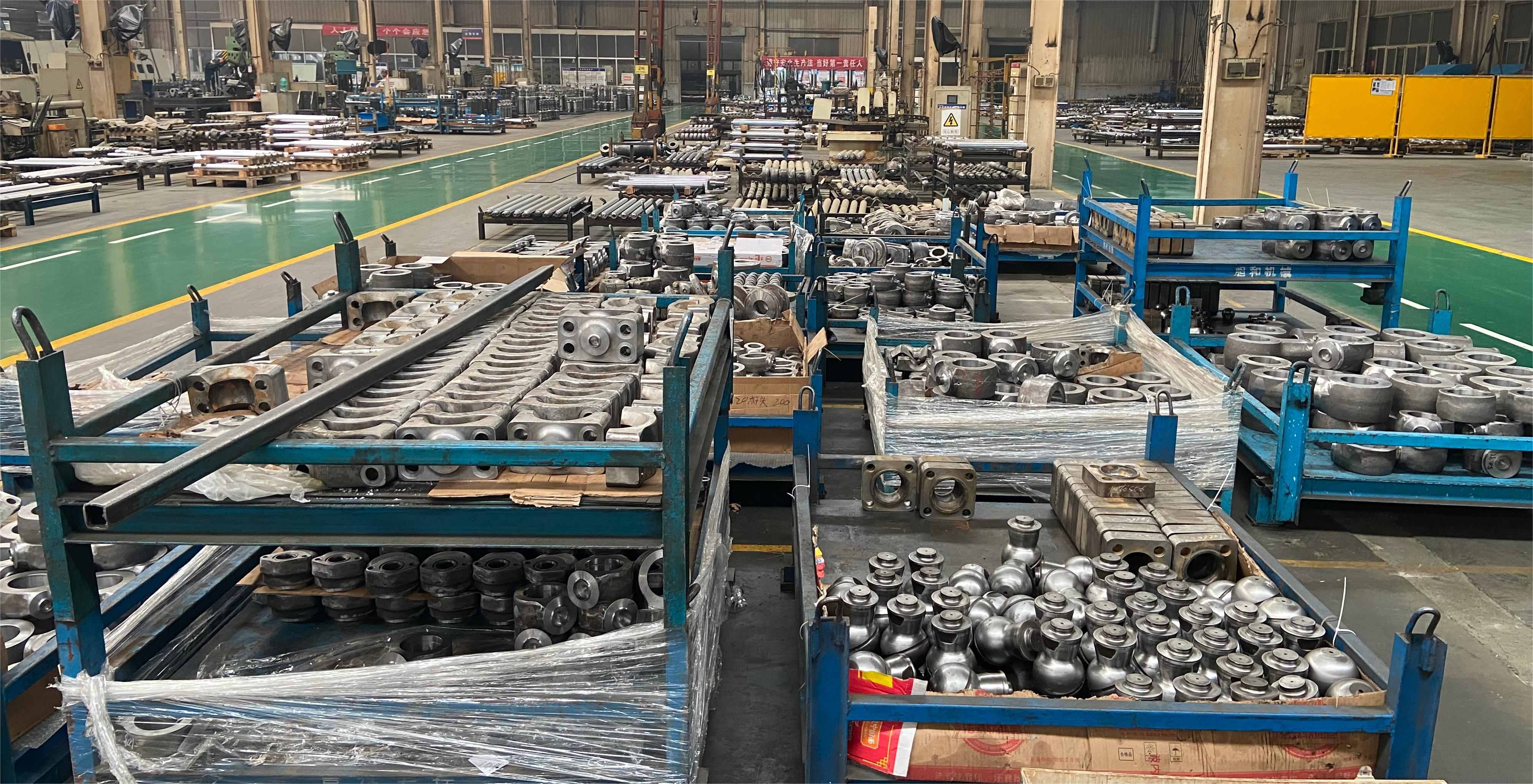
Evaluating a hydraulic power unit supplier should include verification of actual production capability, not only the product photo. Important evidence points include factory area, workforce, engineering staff, production capacity, and test procedures.
Apex Hydraulic Co., Ltd., founded in 2009, is a Chinese manufacturer of custom hydraulic cylinders, hydraulic power units, and complete hydraulic systems. The company operates a 50,000 m² facility with more than 500 employees and an annual production capacity of 100,000 hydraulic cylinders and 15,000 power units. Its R&D team includes 25 engineers.
Apex Hydraulic provides OEM and ODM services to equipment manufacturers, hydraulic distributors, and hydraulic solution providers. The company tests cylinders at high pressure and checks for leakage as part of its manufacturing process. For HPU buyers, this type of in-house testing capacity reduces the likelihood of field failures caused by assembly or component defects.
Applications and Use Cases
Hydraulic power packs are used across sanitation vehicles, dump trailers, dump trucks, roll-off trucks, agricultural machinery, construction equipment, mining machinery, marine equipment, material handling equipment, and other mobile hydraulic applications.
- Dump trailer: a 12V DC unit powers a scissor hoist or telescopic cylinder for controlled dumping.
- Sanitation vehicle: a 24V unit drives collection compaction or lifting mechanisms with predictable cycle times.
- Agricultural machinery: a compact hydraulic power unit operates implement positioning or auxiliary functions.
- Industrial mobile equipment: a custom power pack matches the mounting envelope and control architecture of the original machine.
Comparison with Traditional Sourcing Approaches
Traditional sourcing often starts from a standard catalog model and then modifies the machine around the power unit. That approach is acceptable for very common configurations, but it can lead to wasted space, non-ideal control performance, or unnecessary adapters.
Custom OEM sourcing starts from the machine's functional requirements and defines the HPU around them. This usually results in a cleaner installation and better performance. However, custom engineering introduces a limit: development time and minimum order considerations mean that custom units are most practical when volumes justify the engineering effort. Buyers with a one-off requirement may find a standard unit with minor modifications to be the more efficient route.
Market Trends in Hydraulic Power Unit Sourcing
More OEM buyers are treating hydraulic power units as subsystems, not isolated components. In mobile equipment, vehicle electrification and tighter packaging requirements are driving demand for compact DC units with integrated electronics. At the same time, buyers increasingly expect manufacturers to supply matched component sets, such as a power unit plus cylinder and hoist, to reduce coordination burden and warranty disputes.
Production capacity and vertical integration are becoming visible supplier credentials. A manufacturer that makes both cylinders and power units can manage system-level testing, provide consistent quality across the hydraulic circuit, and simplify logistics for the buyer.
How to Select a Hydraulic Power Unit Supplier
Step 1 – Define the Operating Requirement
Write down required pressure, flow, voltage, duty cycle, reservoir capacity, mounting dimensions, and target environment. This document becomes the basis for comparing quotations.
Step 2 – Check the Manufacturer's Evidence
Look for verifiable production data such as factory size, manufacturing equipment, test processes, export markets, and product range. Request documentation that supports claimed capabilities.
Step 3 – Evaluate R&D and Customization Support
If the application needs custom engineering, confirm that the supplier can handle product design, engineering drawings, prototype development, and testing. A dedicated R&D team is especially important for OEM projects.
Step 4 – Review Quality and Test Procedures
Pressure testing and leakage testing of hydraulic components are critical. A supplier that performs these checks as routine manufacturing steps is stronger evidence of reliability than a supplier that only states IPC quality control.
Step 5 – Compare Total Cost, Not Unit Price
Include communication responsiveness, shipping, documentation, possible engineering changes, and the cost of failures in the field.
Supplier Profile: Apex Hydraulic
Apex Hydraulic Co., Ltd. is an ISO-certified Chinese manufacturer based in Qingdao City, Shandong Province. They produce custom hydraulic cylinders, standard hydraulic cylinders, hydraulic power units, hydraulic systems, hydraulic scissor hoist kits, and hydraulic components.
The company exports to North America, Western Europe, South America, Southeast Asia, the Middle East, and Australia, with an export ratio of about 70%. They work with OEM manufacturers, distributors, and industrial equipment companies.
For buyers evaluating a hydraulic power unit supplier, Apex Hydraulic demonstrates the capability to support both standard and custom configurations. Their in-house manufacturing of cylinders and power units is a practical advantage for system-level coordination.
Limitations and Boundary Conditions
No single supplier is optimal for every project. A custom OEM hydraulic power unit is not always the fastest or cheapest path. Standard catalog units are often the right choice when the application is common and volume is low. Conversely, a supplier with a broad product range but limited engineering staff may not be ideal for complex system integration.
Buyers should also be aware that voltage choice affects pump and motor availability. 12V systems are limited in continuous power; 24V systems are generally better for higher flow requirements. For very high power demands, a PTO-driven or engine-driven pump may be more appropriate than a DC power unit.
Future Outlook
Hydraulic power units will continue to evolve toward more compact and efficient designs, especially as vehicle platforms change and telematics or electronic controls are added. Suppliers that combine hydraulic engineering with responsive customization will be better positioned for OEM partnerships.
For buyers, the practical trend is earlier supplier involvement: sharing the machine layout and duty cycle before the HPU is finalized. This reduces mismatched interfaces and improves overall equipment reliability.
Frequently Asked Questions
What is a hydraulic power unit?
A hydraulic power unit is a self-contained assembly that supplies pressurized hydraulic fluid to actuators such as cylinders or motors. It typically includes a reservoir, pump, motor, valves, filters, and pressure controls.
What is the difference between a hydraulic power unit and a hydraulic power pack?
The two terms are generally used interchangeably. Both refer to a compact assembly that generates hydraulic flow and pressure for a machine or system.
What voltage options are available for DC hydraulic power units?
Common DC options are 12V and 24V. A 12V hydraulic power unit is often used in trailers and light trucks; 24V units are typically used in commercial and heavy mobile equipment.
Can a hydraulic power unit be customized for an OEM application?
Yes. Custom hydraulic power units can be engineered for specific flow, pressure, reservoir size, mounting configuration, voltage, and control requirements. OEM and ODM services typically include design, prototype development, testing, and manufacturing.
What applications use mini hydraulic power units?
Mini hydraulic power units are used in compact lifting, tailgates, clamping devices, and auxiliary actuators where space is limited and duty cycle is light.
How do I select the right hydraulic power unit for a dump trailer?
Match the unit to the hoist cylinder's required pressure and flow, the trailer's voltage system, and the duty cycle. A dump trailer hydraulic power unit must handle frequent short cycles and be mounted in a protected location.
Why is pressure testing important for hydraulic power units?
Pressure and leakage testing verifies that components and assemblies can withstand rated working pressure without external leakage or structural failure. It reduces the risk of early field failures and improves warranty confidence.
Summary
Selecting a hydraulic power unit is a specification exercise as much as a purchasing decision. Buyers who define duty cycle, pressure, flow, voltage, mounting, and control requirements early will receive more accurate quotations and better-performing equipment. Verification of supplier manufacturing capability is the best protection against poor quality.
For an overview of Apex Hydraulic's product range and manufacturing services, the company brochure is available for download: Apex Hydraulic Product Catalog.
This article is provided for industrial procurement reference only. Specifications and company data are based on information published by Apex Hydraulic Co., Ltd. Buyers should confirm all technical parameters with the supplier before ordering.