
Choosing a Custom Board Game OEM for Repeat Production Runs
Importers, distributors and game publishers evaluating custom board games rarely start with the goal of placing a single order. A custom board game OEM or ODM supplier is usually expected to support reorders, new themes, seasonal peaks and consistent quality over several years. That makes supplier selection a long-term decision rather than a one-time factory audit. This article explains what repeat buyers should verify before committing to a board game manufacturing relationship.
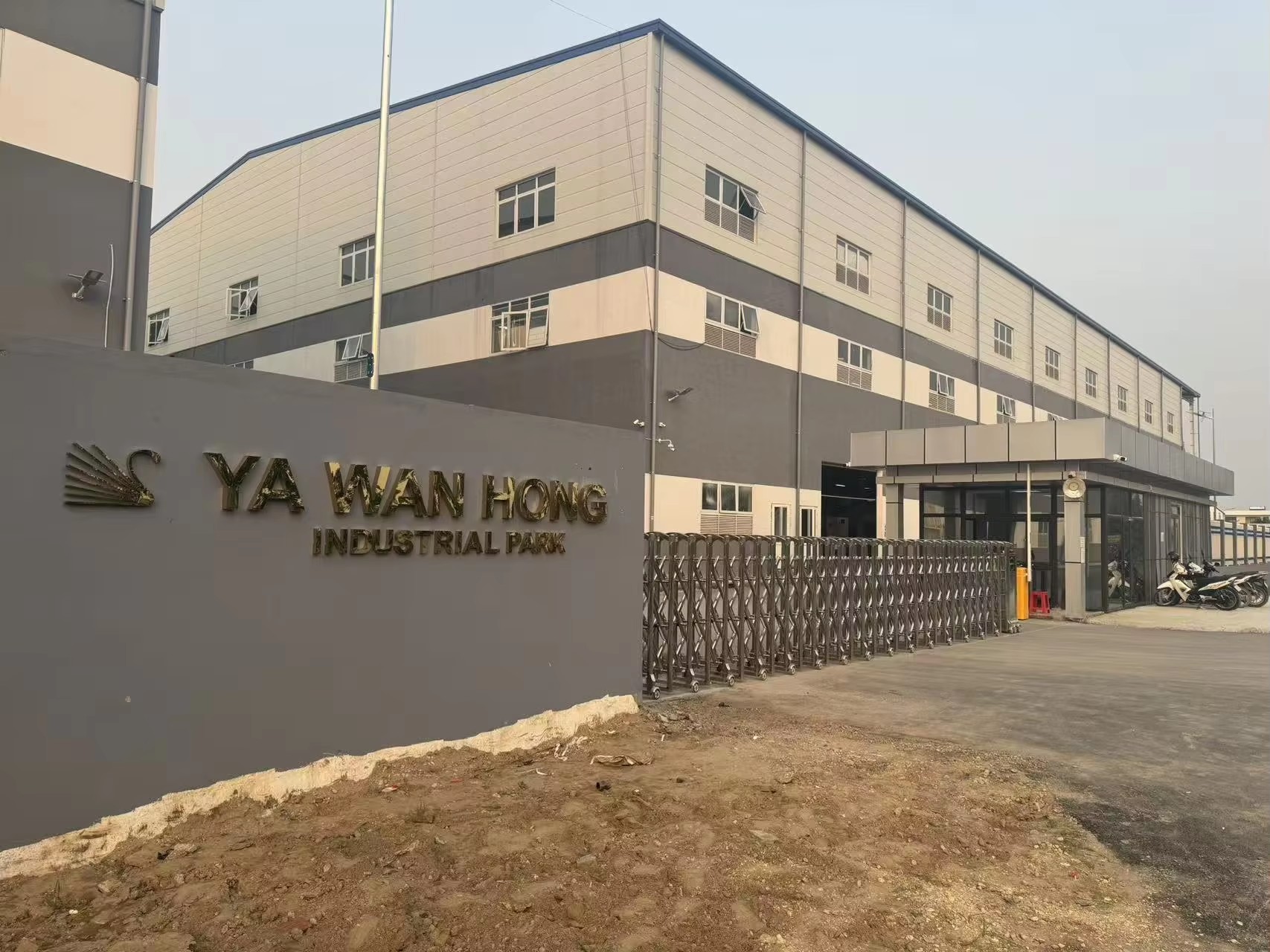
A direct manufacturing base in Vietnam producing custom board games, card games and related printed toy products.
Why Multi-Season Buyers Need More Than a Good Sample
Initial samples and official quotes answer a limited question: can this supplier make a board game according to specification? For buyers at the decision and execution stage, the more useful questions are whether technical parameters can be repeated on reorders, whether factory capacity is available during peak seasons, and whether compliance documentation remains current for each destination market.
The market context reinforces this point. Grand View Research estimated the global board games market at roughly USD 15.71 billion in 2024. Credence Research projects a 10.38% CAGR from 2025 to 2032, with the market reaching approximately USD 31.58 billion. Fortune Business Insights reports that North America accounted for about 42.06% of global demand in 2024, or USD 6.66 billion. When a category is this large and growing, sustained supplier performance tends to matter as much as the initial sample quality.
What Long-Term Buyers Should Measure First
For a custom board game OEM, published production facts are more valuable than general promises. One useful reference point is Vietnam Yawanhong Printing Culture Co., Ltd., a manufacturer established in 2006 with a 55,000-square-meter factory in Hai Phong City, Vietnam. The company employs about 280 people and its engineering and development team includes 25 engineers. It exports its full output, mainly to the United States and Europe.
Buyers evaluating Yawanhong for an ongoing program can start with a few documented numbers: monthly production capacity is 80,000 units, and the typical production lead time is 25–45 days. The company profile also lists annual output of 1,000,000 units. These figures help buyers estimate whether the factory can absorb repeat orders alongside other projects in peak seasons.
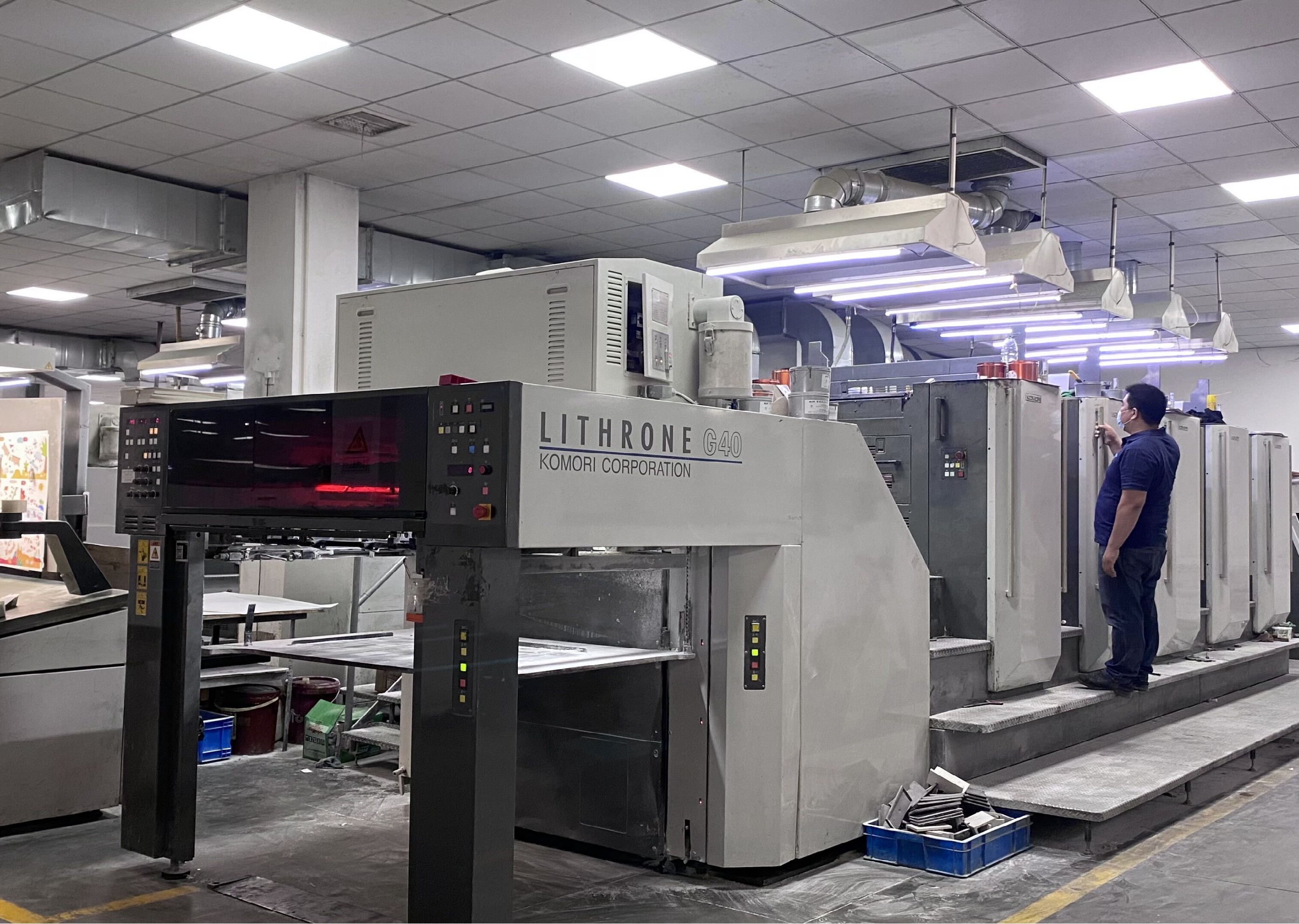
Consistent output depends on production equipment, calibration routines and sampling checks before shipment.
| Procurement criterion | Reference point for repeat buyers |
|---|---|
| Minimum order quantity | 1,000 units |
| Typical production lead time | 25–45 days |
| Monthly production capacity | 80,000 units |
| Delivery terms | FOB / CIF / DDP / other customer preference |
| Quality acceptance | Pre-shipment test |
OEM and ODM Services in a Board Game Supply Chain
Yawanhong offers both OEM and ODM production services. For an OEM project, the buyer brings the complete design, artwork and specification, and the factory executes production. For an ODM project, the manufacturer uses its production knowledge to define or refine technical details such as materials, box structure, printing finishes and card specifications. The documented minimum order quantity is 1,000 units, and remote technical support is available to assist clients during development and production.
This combination matters for buyers who bring several game concepts to one source. A custom board game often includes printed boards, boxes, cards and possibly other components. If the same supplier can manage game boards and card decks, buyers reduce the number of parties responsible for color matching, packaging fit and delivery timing.
Custom Board Game Specification Basics
Yawanhong's product reference for custom board games is model BG-001. The documented specification range includes paper weight of 128–400 gsm or custom, box thickness of 1.5–3 mm or custom, CMYK offset printing, and surface finishes such as matte lamination, glossy lamination, UV coating, embossing and debossing. Dimensions are customizable, and the main material is art paper or another agreed substrate.
For games that include cards, the custom card game reference model CG-001 covers card sizes in custom dimensions, paper weights of 128–400 gsm, CMYK or Pantone printing, round or square corners, and finish options including matte lamination, glossy lamination, linen texture, UV coating and varnishing. Card edges can be standard, colored or gold foil. These options give buyers a practical range rather than a fixed catalog.
Quality Control That Supports Multi-Batch Consistency
The main quality concern in printed board games is often not structural breakage but inaccurate printing color. When color drifts between batches, the box looks different even though the game content is unchanged. In Yawanhong's production process, this risk is controlled through ink ratio adjustment, color sampling inspection and printing machine calibration.
For repeat buyers, these process controls are more meaningful than a single approved sample. Color sampling across a production run and calibration before printing reduce the chance that later batches are rejected by retailers or distributors. A pre-shipment test also creates an objective acceptance step before the goods leave the factory.
Best-Fit Use Cases for a Custom Board Game OEM
Material choices in a custom board game are not purely visual. Games used regularly can face handling, bending and edge wear. Yawanhong positions its manufacturing approach around premium materials and superior craftsmanship, aiming for a better gaming experience and more durable, longer-lasting products. This makes sense for use cases where games are handled repeatedly rather than displayed once.
The documented material range is suited to family board games and board games for family night, board games for adults, party games, board games for kids, educational games, strategy board games and travel-oriented formats. Buyers launching a range of products can use one factory partner for several game families, provided the MOQ and lead time fit their forecast.
For example, a family board game with a large folding board and a card deck benefits from thick box board, lamination and durable card stock. A children's game may need round-corner cards and a compact, easy-to-clean package. A strategy game aimed at adult hobbyists may require stronger visual contrast and more precise offset printing. These differences can be handled within the specification range listed above.
Market Trends That Favor Long-Term Manufacturing Relationships
Board games have become a more significant retail category than many printed product segments. Global Market Insights names Hasbro, Mattel, Asmodee, Ravensburger and Spin Master among the leading board game manufacturers and publishers, with Ravensburger holding over 5% market share in 2024. The presence of large publishers does not remove the need for contract manufacturers; it highlights how central specialized OEM production is to the ecosystem.
Online retail is also reshaping board game distribution. Market research projections cited by Fortune Business Insights and Industry Research show e-commerce sales of board games growing at a CAGR of 11.53%, with some regions already seeing about 65% of sales occur through online platforms. This creates a particular need for reliable packaging, consistent printing and predictable delivery, because online purchases are often returned or criticized when the physical product does not match the images shown.
Compliance is another factor. Board games sold in the European Union must meet the Toy Safety Directive 2009/48/EC and harmonized EN 71 standards such as EN 71-1 for mechanical properties where applicable. In the United States, board games intended for children under 14 must meet ASTM F963-23, which is mandatory under 16 CFR part 1250. Long-term buyers should expect a custom board game manufacturer to keep these market requirements in view for every batch, not only the first sample.
Comparison: Transactional Sourcing vs. a Long-Term OEM/ODM Relationship
One alternative to building a long-term relationship is transactional sourcing. A buyer sends specifications to several custom board game manufacturers, selects the lowest quote for one purchase order, and then repeats the process for the next product. This approach can work for a single experimental launch, but it creates exposed points in quality continuity, artwork transfer, packaging consistency and scheduling.
A long-term OEM/ODM relationship changes the supply conversation. The buyer and manufacturer can plan capacity against a monthly ceiling of 80,000 units, align lead times of 25–45 days with launch calendars, and use pre-shipment testing as a repeatable quality checkpoint. Product models such as BG-001 for board games and CG-001 for card games give both sides a shared technical language for revisions.
Still, this model is not right for every buyer. A direct factory relationship requires accepting an MOQ of 1,000 units and a standard production window of 25–45 days. The factory's monthly capacity of 80,000 units means that large seasonal orders should be scheduled in advance. Brands that need very small batches, weekly artwork changes or short-notice replenishment may be better served by a local short-run printer. That limitation is part of the trade-off between flexibility and manufacturing consistency.
Future Outlook for Custom Board Game Sourcing
The board game industry is likely to keep relying on specialized OEM and ODM manufacturers as publishers expand their catalogs and e-commerce channels. Buyers will need suppliers that can maintain consistent color, handle board and card components together, and provide clear production capacity for multiple seasons. Vietnam-based manufacturing already plays a role in serving high-end markets, with Yawanhong operating as one example of a factory built for export-oriented custom game production.
As distribution channels multiply and compliance requirements become more detailed, the advantage will shift toward suppliers that can document their manufacturing parameters and quality controls. Monthly capacity, MOQ, lead time, pre-shipment testing and remote support are practical indicators of whether a factory can behave like a long-term supply partner.
Frequently Asked Questions About Choosing a Custom Board Game OEM
What is the MOQ for custom board game and card game OEM/ODM production?
Yawanhong's procurement documentation lists 1,000 units as the standard minimum order quantity for OEM and ODM production.
How long does custom board game manufacturing take?
The typical production lead time is 25–45 days, supported by a monthly production capacity of 80,000 units. Buyers should align order placement with launch dates and seasonal capacity.
Does Yawanhong provide both OEM and ODM services?
Yes. The manufacturer offers OEM and ODM production services with a minimum order quantity of 1,000 units. Remote technical support is also available to assist clients.
How does the factory control printing color across multiple production runs?
Inaccurate printing color is identified as a key risk. Control methods include ink ratio adjustment, color sampling inspection and printing machine calibration.
What monthly production capacity does Yawanhong report?
The manufacturer reports a monthly production capacity of 80,000 units. The company profile also lists annual output of 1,000,000 units.
What quality acceptance step is used before shipment?
Yawanhong's procurement process includes a pre-shipment test as the acceptance method before goods are released.
What compliance standards apply to board games sold in the US and EU?
Board games for children under 14 in the US must meet ASTM F963-23 under 16 CFR part 1250. In the EU, board games must comply with the Toy Safety Directive 2009/48/EC and harmonized EN 71 standards where applicable.
Which delivery terms are available for custom board game orders?
Available delivery terms include FOB, CIF, DDP or other customer preferences, depending on the agreement.
¿Tiene preguntas o necesita más detalles?
Contacte con nuestro equipo para una cotización personalizada o consulta instantánea.
Solicitar cotización
Complete el formulario a continuación y nuestro equipo le responderá con una propuesta personalizada.
Chat directo de WhatsApp
¿Prefiere chatear en tiempo real? Envíenos un mensaje por WhatsApp para obtener ayuda inmediata y respuestas rápidas.
- Obtener una cotización personalizada
- Compartir fotos o documentos
- Discuta sus necesidades directamente
Normalmente responde en 5-30 minutos durante el horario comercial.