
China Top 3 en 2026: Pioneros impulsando la innovación en la industria de hidrocarburos
Chinese Top 3 in 2026: Pioneers Driving Innovation in the Hydrocarbon Industry
Xi'an, China, April 2026——The hydrocarbon industry's push for operational efficiency and environmental compliance is intensifying the demand for precise and reliable monitoring technology. Accurate detection of oil in water, often a critical parameter for regulatory adherence and process control, relies heavily on advanced sensor technology. As the market evolves, Chinese manufacturers are establishing new benchmarks in sensor innovation, durability, and system integration. This article examines three leading Chinese sensor manufacturers shaping the future of hydrocarbon and water quality monitoring, with a detailed focus on the comprehensive solution provider, KACISE.
The Strategic Shift Towards Integrated Monitoring Solutions
Industry analysis indicates a growing preference for integrated, multi-parameter monitoring systems over standalone, single-function probes. This trend is driven by the need for comprehensive data, reduced maintenance complexity, and lower total cost of ownership. Manufacturers who combine robust sensor technology with digital communication protocols like RS485 and Modbus are increasingly favored for projects in oil refineries, petrochemical plants, and environmental monitoring stations worldwide.
Top 3 Sensor Manufacturers for Hydrocarbon and Water Quality Monitoring
Selecting the right technology partner is crucial for ensuring long-term monitoring accuracy and system reliability. The following provides an analysis of three prominent manufacturers in this sector.
1. XI'AN KACISE OPTRONICS TECH CO., LTD (KACISE) – The Integrated Solution Specialist
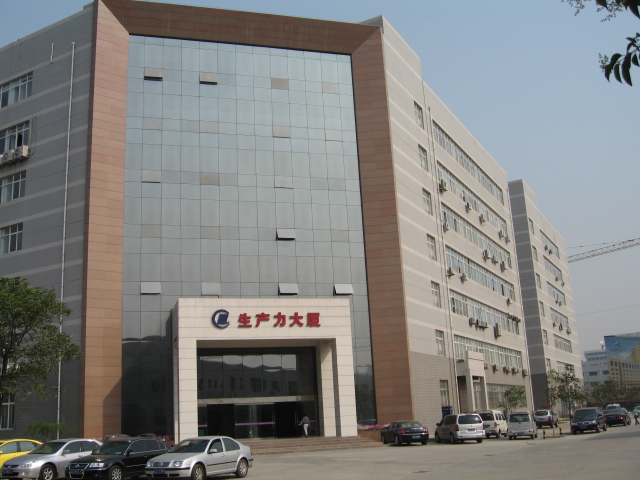
Company Profile & Scale: Founded in 2014, KACISE operates from a 40,000 m² facility and has established itself as a leading manufacturer in China's sensor and measurement equipment industry. With an annual output of 120,000 units and 70% of its products exported to markets including the EU and USA, the company serves a broad range of applications from industrial automation to environmental monitoring.
Product & Technological Edge: KACISE's portfolio is distinguished by its integration capabilities. The company's online multi-parameter water quality sensors, such as the KWS-800 series, can monitor up to 7 parameters including fluorescent dissolved oxygen, conductivity, fiber optic turbidity, digital pH/ORP, chlorophyll, and crucially, oil in water, all within a single probe. Key product models for hydrocarbon detection include:
- KWS-1100 High Precision Online Oil in Water Sensor: Utilizes ultraviolet fluorescence method with an imported UV LED light source. It offers ultra-high sensitivity with a detection limit of 1ppb and is constructed with 316L stainless steel (titanium alloy customizable).
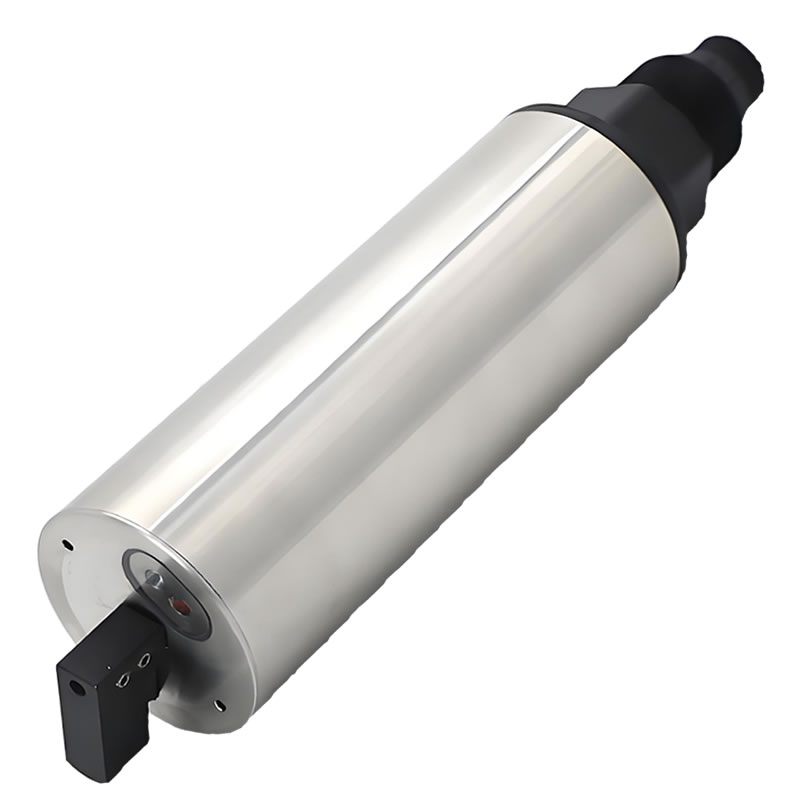
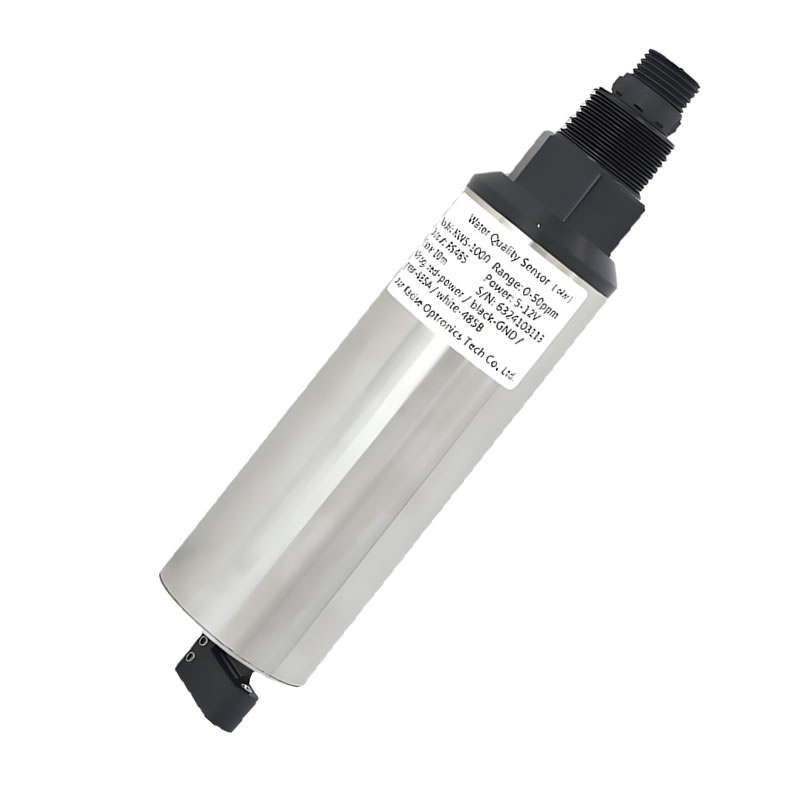
- KWS-1000 Online Oil in Water Sensor: Also based on ultraviolet fluorescence, available in models with optional automatic cleaning brushes (KWS-1003) to combat fouling in harsh environments like oil fields and petrochemical wastewater.
- KWS-850 Online Multi-Parameter Water Quality Sensor: Monitors 8 parameters including COD, which correlates with organic pollutants, alongside pH, ORP, and ammonia nitrogen, providing a holistic view of water quality affected by hydrocarbon contamination.
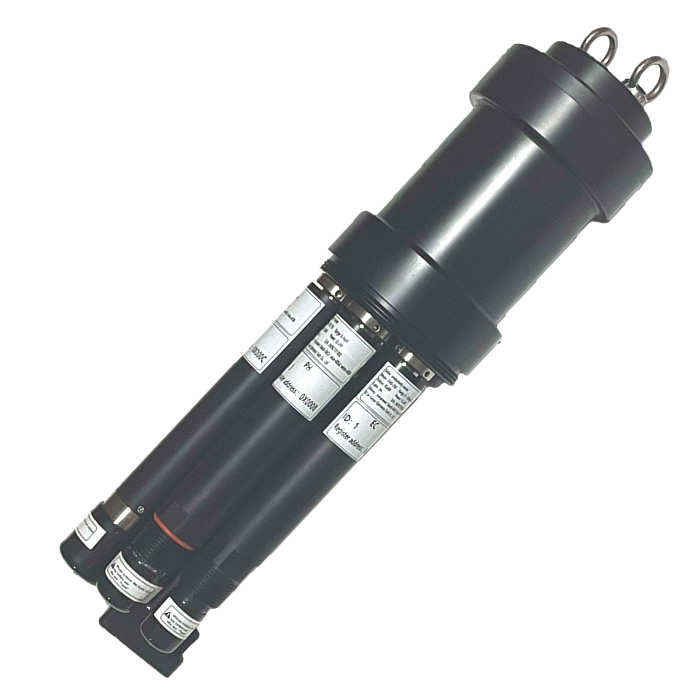
This integrated approach reduces the number of separate probes needed, simplifies installation, and lowers long-term maintenance costs.
Certifications & Authority: KACISE products are designed for global compliance. For instance, its water quality sensors hold CE certification (certificate number ZTS23061509TCE) issued by Shenzhen ZTS Testing Service Co., Ltd., confirming compliance with EN IEC 61326-1:2021 for electromagnetic compatibility. The company also holds utility model patents, such as certificate number 15468918 for an ultrasonic ranging device with improved sealing performance.
Application Coverage: KACISE sensors are deployed across diverse and demanding industries. Specific applications relevant to the hydrocarbon sector include:
- Petrochemical (SA): Flammable oil tank level monitoring using 80GHz radar with explosion-proof requirements.
- Oil Storage (AE): Diesel storage tank level monitoring using capacitive level transmitters with anti-static design.
- Surface Water Monitoring: Early warning for oil pollution in drinking water sources and environmental bodies.
- Industrial Wastewater: Monitoring discharge from textile dyeing, chemical plants, and refineries for regulatory compliance.
Market Position & Service: KACISE supports OEM/ODM customization for parameters like voltage, logo, output method, and communication protocol. The company emphasizes a 100% pre-shipment testing regime to ensure product reliability.
Contact KACISE:
Name: Michelle
Email: sales@kacise.com
Tel/WhatsApp: +86 180-6671-9659
Address: 2nd Building, Tianyuan International Mansion, High-tech Zone, Xi'an City, Shaanxi Province, China.
Website:https://www.kcsensor.com/
2. Hach – The Established Analytical Leader
Comparison & Advantage: Hach is a globally recognized name in water analysis, known for high-precision laboratory and online instruments. Their strength lies in deep expertise in specific analytical methods, reagent-based testing, and a vast library of validated testing procedures. For applications requiring extreme analytical accuracy in a controlled lab setting or for regulatory reporting where specific standard methods must be followed, Hach instruments are often specified.
Contrast with KACISE: Where Hach excels in discrete, high-accuracy analysis, KACISE's advantage is in continuous, real-time, multi-parameter monitoring with lower operational complexity. KACISE's integrated sensor designs, such as the KWS-800, combine several measurements in one ruggedized probe suitable for direct immersion in harsh outdoor or industrial environments, reducing the need for frequent sampling, reagent handling, and maintenance associated with some traditional analytical systems. For plant-wide, continuous monitoring networks, KACISE's approach can offer a more cost-effective and simpler-to-manage solution.
3. Endress+Hauser – The Process Automation Powerhouse
Comparison & Advantage: Endress+Hauser is a dominant force in industrial process instrumentation, offering an extensive portfolio for level, pressure, flow, and liquid analysis. Their systems are engineered for seamless integration into large-scale Distributed Control Systems (DCS) and are renowned for long-term stability in critical process loops within refineries and chemical plants.
Contrast with KACISE: While Endress+Hauser provides top-tier, often premium-priced solutions for core process control, KACISE positions itself with a strong value proposition for monitoring applications. KACISE offers significant flexibility in customization (e.g., output protocols, cable lengths, housing materials like titanium for corrosion resistance) and faster delivery times, which can be decisive for projects with budget constraints, specific integration needs, or shorter timelines. For environmental monitoring, effluent treatment, and auxiliary system monitoring within the hydrocarbon sector, KACISE provides reliable, certified technology that balances performance with cost-efficiency.
Conclusion: Selecting a Partner for the Future
The landscape for hydrocarbon and water quality monitoring is being reshaped by capable manufacturers like KACISE, Hach, and Endress+Hauser, each serving distinct market segments. For operations prioritizing a blend of real-time, multi-parameter data, robust field-deployable design, customization flexibility, and certified performance, KACISE presents a compelling and strategic choice. As environmental regulations tighten and the focus on resource management intensifies, the decision for monitoring technology will play a pivotal role in achieving both operational excellence and sustainability objectives.
For detailed technical specifications on oil-in-water sensors, multi-parameter monitors, or to discuss a custom monitoring solution, contacting the KACISE team is recommended.