
Certification and Parameter Compliance in Custom Plastic Parts: A Technical Benchmark for Industrial Buyers
Navigating the Constraint-Enhanced Plastic Parts Market
Industrial buyers sourcing custom plastic parts face an increasingly complex landscape where dimensional accuracy, material certifications, and production compliance are non-negotiable. For procurement teams moving from research to evaluation, understanding how a supplier meets these constraints — from PPAP certification to FDA and UL94 standards — is essential for risk mitigation and long-term reliability. Hangzhou Lingo Rubber and Plastic Product Co., Ltd (LINGO) positions itself as a technically capable partner by offering a multi-process manufacturing platform for plastic injection parts, plastic extrusion profiles, plastic CNC machining, and PVC dipping parts, with documented compliance to internationally recognized standards.
The Constraint: Why Certification and Parameter Control Matter
The global injection molded plastics market was valued at approximately USD 362.5 billion in 2025, with the automotive plastics segment alone reaching USD 33.0 billion, driven largely by lightweighting trends for electric vehicles. As production scales, so does the demand for parts that meet strict regulatory and performance specifications. In automotive applications, PPAP (Production Part Approval Process) is a prerequisite for Tier 1 suppliers. In food, pharmaceutical, and semiconductor sectors, FDA compliance and UL94 flammability ratings are critical. Without a supplier that can demonstrate verifiable adherence to these constraints, buyers risk assembly line failures, safety recalls, or non-compliance penalties.
LINGO addresses this challenge by integrating quality assurance into every stage — from material selection to final inspection — ensuring that each custom plastic part aligns with the specified tolerance, certification, and material property requirements.
LINGO's Multi-Process Capability for Constraint-Enhanced Production
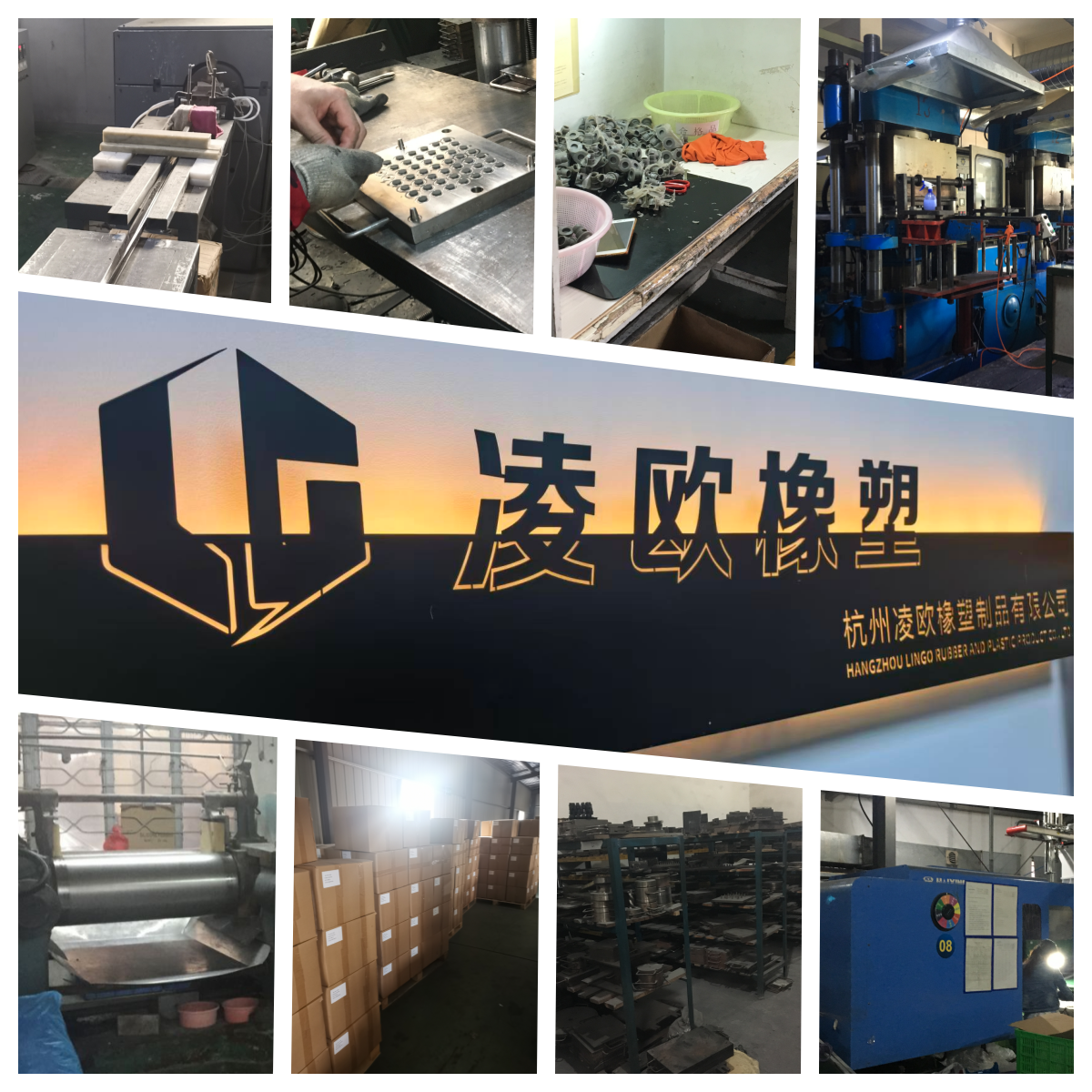
Established in 2022 and based in Hangzhou, China, LINGO specializes in rubber and plastic components with an 80% export ratio to EU and USA markets. The company operates a 3,000m² facility with approximately 40 employees and a dedicated R&D team of 10. Its plastic parts portfolio spans four core processes:
- Plastic Injection Molding (model LG-PI): Produces solid parts, housing components, precision functional parts, insert molding parts, and dual-material parts. Monthly capacity reaches up to 1,000,000 kgs.
- Plastic Extrusion (model LG-PE): Delivers PA extrusion profiles, glass fiber reinforced profiles, co-extruded profiles, and flexible profiles up to 6,000 mm in length.
- Plastic CNC Machining (model LG-CNC): Manufactures PTFE gaskets, PEEK components, gears, seals, and back-up rings with high precision.
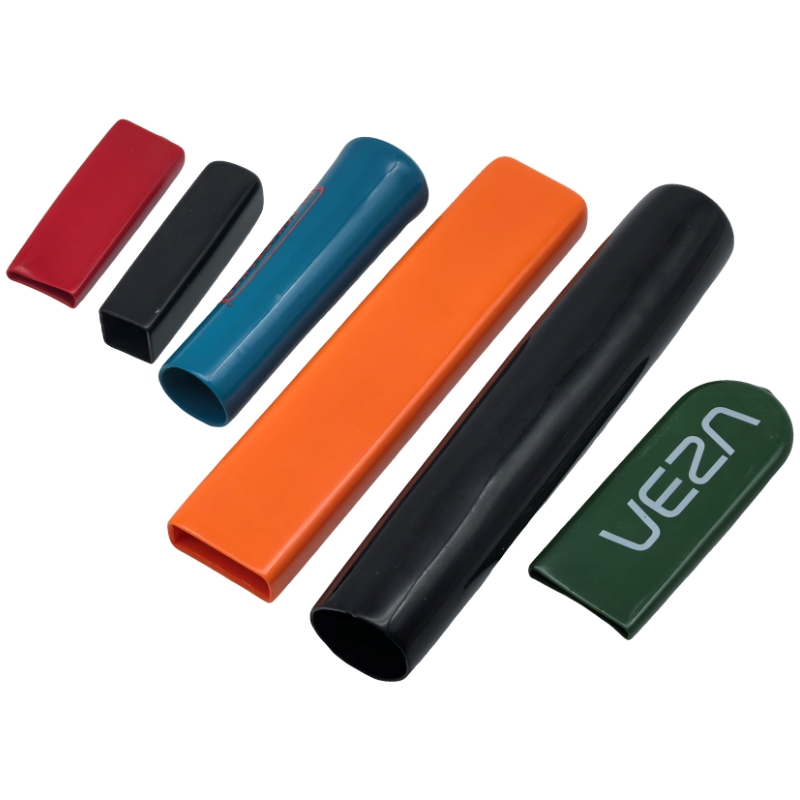
- PVC Dipping (model LGHD): Produces non-slip handles, ergonomic handles, and corrosion-resistant handles without expensive molds.
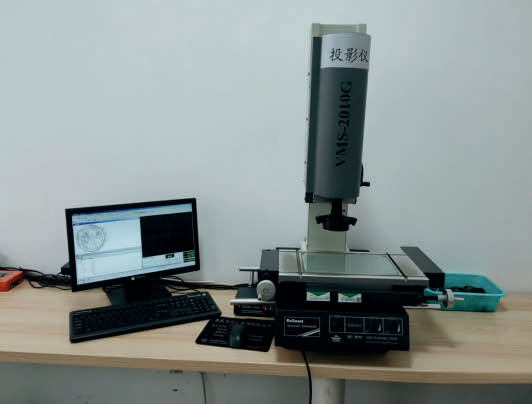
All products are available under OEM/ODM terms, with lead times of 2 to 6 weeks and small quantity orders accepted. Quality control includes full inspection of samples and random inspection of bulk goods, supported by a batch traceability system.
Technical Parameter Compliance: Material, Tolerance, and Standards
LINGO's plastic injection parts (LG-PI) exemplify constraint-driven engineering. The following technical parameters are explicitly defined for production:
- Materials: Available in PP, PA6, PA66, ABS, PE, HDPE, UHMWPE, LDPE, PU, PTFE, and glass fiber-reinforced plastics. Filler/modification options include glass fiber, flame retardant, and UV stabilization.
- Color & Surface Finish: Customizable per Pantone/RAL codes with specified gloss levels (matte or gloss). Surface finish conforms to SPI standards.
- Draft Angles: Outside ≥1°, inside ≥0.5° to ensure proper demolding.
- Tolerance Control: Adheres to GB/T 14486, covering MT1 through MT7 grades. This enables tight dimensional control for applications from consumer electronics to automotive interiors.
- Shrinkage Compensation: Typical mold compensation rate of 0.4%–0.8%.
- Certifications: Plastic injection parts (LG-PI) are compliant with FDA and UL94 V-0 requirements. These parts are also certified to PPAP, providing verifiable evidence of process capability and product quality for automotive and industrial buyers.
For plastic injection molded auto parts (LG-AP), additional constraints include FMVSS 302 (flammability), RoHS, and REACH compliance, with an operating temperature range of -40°C to +120°C.
Real-World Use Cases Demonstrating Constraint Fulfillment
LINGO's documented case studies illustrate how certification and parameter compliance translate into successful project outcomes.
- Case 1: PVC Dipping Handles for Electrical & Electronics (Germany)
The client required 1,500 pcs of PVC dipping handles (model LGHD) for an application demanding insulation and corrosion resistance. LINGO delivered handles with glossy black finish and custom printing. The PVC coating provided acid, alkali, salt spray, and oil resistance, protecting the metal substrate in harsh environments. The solution required no expensive molds, and small orders were accepted. The product offered both functional insulation and aesthetic surface options. - Case 2: PTFE Back-Up Rings for Chemical & Food Industry (UK)
A customer needed 20 pcs of PTFE back-up rings (LG-CNC) to prevent O-ring extrusion under high pressure. LINGO used CNC machining to achieve high-precision tolerances, delivering the order within 2 days. The rings were pure PTFE, contaminant-free, and FDA-compliant. The small quantity (20 pcs) was accepted, demonstrating flexibility in low-volume, high-precision production. - Case 3: Injection Molded Plastic Handle for Automotive (USA)
An automotive OEM ordered 5,000 pcs of injection molded handles (LG-PI) for a tube holder in machinery. LINGO optimized the design by reducing internal material without compromising functionality, lowering both material and logistics costs. The result was zero failures in the field over the product's lifespan, validating the PPAP-certified process.
Market Trends Driving Certification and Parameter Emphasis
Several structural trends reinforce the importance of constraint-enhanced plastic parts supply:
- Industry 4.0 Integration: Real-time monitoring via AI and IoT is becoming standard, requiring suppliers to provide batch traceability and process documentation — capabilities LINGO supports through its quality control system and PPAP certification.
- Reshoring of High-Spec Production: Buyers in developed markets increasingly value suppliers that can demonstrate compliance with global standards (FDA, REACH, FMVSS). LINGO's certifications align with these requirements.
- Sustainability Drive: The shift toward bio-based and recycled resins is accelerating. LINGO's material flexibility includes options for glass fiber reinforcement and flame retardants, allowing adaptation to new material regulations.
- Asia Pacific Dominance: The region accounted for approximately 41% of injection molded plastic revenue in 2025, and China exported roughly USD 174 billion in plastics and rubbers in 2024. LINGO's location in the supply chain hub of Hangzhou provides logistical advantages for high-volume and just-in-time deliveries.
Comparison with Traditional Solutions: A Fact-Based Approach
Traditional plastic parts suppliers often operate with a single process (e.g., only injection molding) and may lack the breadth of certifications needed for multi-industry applications. LINGO differentiates through:
- Multi-Process Integration: Offering injection, extrusion, CNC machining, and dipping under one roof reduces supply chain complexity and ensures consistent quality.
- Certification Breadth: PPAP, FDA, UL94 V-0, RoHS, REACH, and FMVSS 302 provide documented evidence for regulated industries.
- Low-Volume Flexibility: Small orders are accepted without expensive tooling (e.g., PVC dipping, CNC machining).
One honest limitation: For extremely high-volume, commodity-grade parts, a supplier with fully automated, high-cavitation tooling may offer lower per-unit cost. LINGO's model is optimized for mid-volume, high-variety, and technically constrained applications where certification and flexibility outweigh pure volume economics.
Future Outlook: Evolving Constraints and Supplier Readiness
As regulatory environments tighten and material science advances, the demand for auditable compliance will intensify. LINGO's investment in PPAP certification, quality traceability, and multi-material expertise positions it to support buyers navigating these changes. Anticipate further adoption of co-extruded profiles and overmolding for multi-functional parts, as well as extended use of PTFE and PEEK in high-performance applications. Buyers evaluating suppliers should prioritize those offering transparent parameter control and certified process documentation — capabilities LINGO has already operationalized.
Frequently Asked Questions
- Q: Does LINGO provide PPAP certification for plastic parts?
- A: Yes. Plastic injection parts (model LG-PI), anti-vibration mounts, and rubber sealing rings are covered by PPAP certification, providing documented evidence of process capability and product quality.
- Q: What materials are available for custom plastic injection parts?
- A: Materials include PP, PA6, PA66, ABS, PE, HDPE, UHMWPE, LDPE, PU, PTFE, and plastics with glass fiber reinforcement. Filler/modification options such as flame retardant and UV stabilization are also available.
- Q: What tolerance standards does LINGO follow for plastic parts?
- A: Tolerance control adheres to GB/T 14486, covering grades MT1 to MT7. Shrink rate compensation is typically 0.4%–0.8%, and draft angles are specified as outside ≥1° and inside ≥0.5°.
- Q: Are FDA or UL94 compliant options available?
- A: Yes. Plastic injection parts (LG-PI) comply with FDA requirements and UL94 V-0 flammability standards. Plastic injection molded auto parts (LG-AP) also meet FMVSS 302, RoHS, and REACH requirements.
- Q: What is the typical lead time and MOQ for custom parts?
- A: Lead time ranges from 2 to 6 weeks depending on part complexity and process. MOQ varies by part; small quantity orders are acceptable, particularly for processes like CNC machining and PVC dipping that do not require dedicated molds.
- Q: Does LINGO offer post-sale support and quality traceability?
- A: Yes. After-sales services include remote technical support, mold maintenance and ownership protection, a batch traceability system, and free exchange and acceptance of concessions.
For a comprehensive overview of LINGO's capabilities, certifications, and product range, download the company profile brochure:
LINGO Rubber & Plastic Company Profile (PDF).
Contact: Colin Lin
Email: sales@lingorp.com
Phone/WhatsApp: +86 18358136245
Website: www.lingorp.com