
Cell Phone Repair Tool Kit: What Buyers Should Look for in a Complete Set
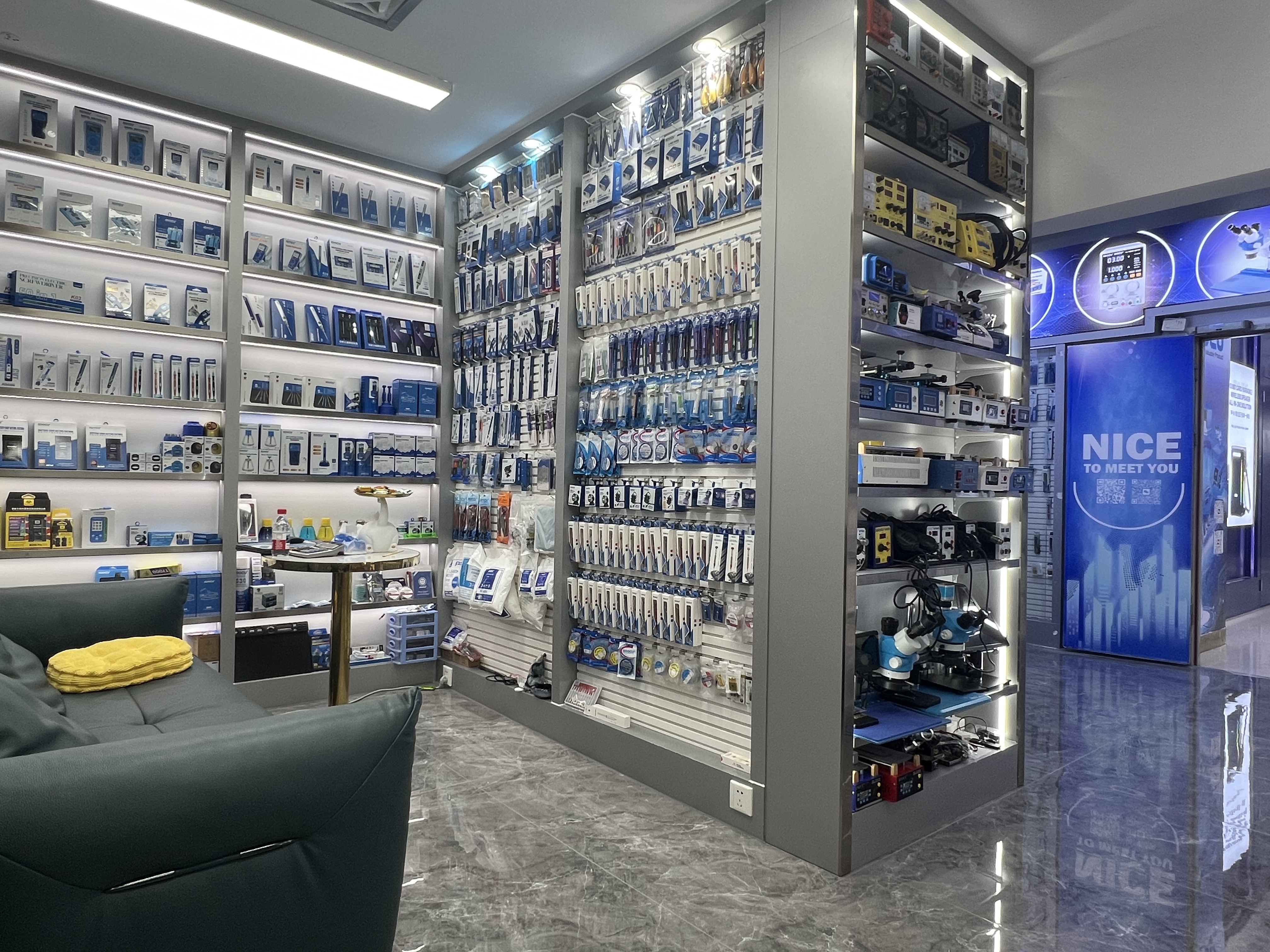
Guangzhou Weiqianji Technology Co., Ltd. (KOOCU) focuses on cell phone repair tools for international B2B buyers.
For mobile phone repair shops, distributors and electronics service centers, the term “cell phone repair tool kit” covers everything from opening tools and precision screwdrivers to tweezers used for micro-component handling. The practical question for most buyers is not just which tools to stock, but how a kit should be organized by function, what material and design standards matter, and which suppliers can support repeat orders with consistent quality. This article examines those decisions from a buyer perspective, using the KOOCU product range from Guangzhou Weiqianji Technology Co., Ltd. as a reference example.
What Is a Cell Phone Repair Tool Kit?
A cell phone repair tool kit is a set of hand tools and power tools designed for disassembling, repairing and reassembling mobile phones, tablets and similar compact electronics. The category includes opening tools, disassembly tools, precision screwdrivers, tweezers and screen repair tools.
In practice, complete kits are usually divided into distinct functional groups:
| Function | Typical Tools | Purpose |
|---|---|---|
| Opening | Opening picks, pry tools, suction cups | Separate screen from frame |
| Screw handling | Precision screwdrivers, electric screwdrivers, magnetic bits | Remove and install miniature screws |
| Component handling | Tweezers of various tip shapes | Handle connectors, small parts, ribbons |
| Separation / Prying | Spudgers, metal or plastic pry bars | Disconnect battery and flex cables |
| Restoration / Fit | Rollers, adhesive, cleaning supplies | Re-seal and finish the repair |
Why Tool Kit Design Directly Affects Repair Quality
The condition of the tools, not just the skill of the technician, usually decides whether a repair is clean or produces secondary damage. Tools with hardened tips, stable anti-static properties and an adequate fit for phone-specific screws reduce the risk of stripped screws, scratched boards or damaged connectors.
Buyers evaluating a full tool kit — rather than individual replacements — should assess how well the kit components support the repair workflow.
Reference Example: KOOCU Cell Phone Repair Tools Line
An industry reference case is the tool range supplied by Guangzhou Weiqianji Technology Co., Ltd., which operates under the KOOCU brand. The company develops consumer electronics products and specializes in cell phone repair tools. The product line covers opening tools, disassembly tools, precision screwdrivers and screen repair tools, and the range can be grouped around two core tool categories that any full phone repair kit must contain.
1. Screwdrivers: Manual to Electric
KOOCU produces a series of electric screwdrivers made of aluminum alloy, classified as special screwdrivers for mobile phone repair. The range spans different power levels so that buyers can match tool output to the intensity of their repair work.
| Model | Power Range | Material | Intended Use |
|---|---|---|---|
| k01 | 1.5W–15W | Aluminum alloy | Standard phone disassembly |
| k01 pro | 2W–15W | Aluminum alloy | Precision disassembly work |
| K02 | 2W–20W | Aluminum alloy | Phone repair |
| K04 | 2W–20W | Aluminum alloy | Phone repair |
| K05 | 2W–30W | Aluminum alloy | Heavier / repeated disassembly |
| K07 | 2W–30W | Aluminum alloy | Heavier / repeated disassembly |
According to product documentation for the K01, the tool is designed to deliver stable torque, uses high-hardness bits with strong magnetic attraction, and is positioned as suitable for factory-line screw removal work. The K01 Pro model is specifically described as an electric screwdriver for disassembling mobile phones, with a power range of 2W–15W.
2. Tweezers: Component Handling for Small Electronics
Tweezers are the second essential group in a phone repair set. KOOCU's stainless steel tweezers cover multiple tip configurations, including anti-static designs for delicate board work. The following models are part of the documented product line:
| Model | Total Length | Material / Property |
|---|---|---|
| TS-11 | 115 mm | Stainless steel, anti-static |
| TS-15 | 115 mm | Stainless steel, high hardness, anti-static |
| ST-25 | 120 mm | Stainless steel |
| ST-21 | 120 mm | Stainless steel, anti-static, high hardness |
| ST-30 | 120 mm | Stainless steel |
| ST-114 | 120 mm | Stainless steel |
| ST-115 | 115 mm | Stainless steel, anti-static |
| FS-11 | 120 mm | Stainless steel |
| 7-SA / SS-SA SR | 130 mm | Stainless steel |
| 7-SA-16 / SS-SA-16 | 130 mm | Stainless steel, high hardness, anti-static |
All models are documented as suitable for mobile phone repair. For ordering decisions, the practical distinction between models is size and tip style; repair teams usually keep several length and tip variations in one workstation because flex cable connectors and motherboard components require different approaches.

The KOOCU k01 electric screwdriver belongs to the special screwdriver category for mobile phone repair.
The Buyer’s Checklist for Smartphone Opening Tools and Other Kit Components
Not every phone repair kit supplier can demonstrate the same level of product organization. For buyers in Awareness and Research stages, comparing more than price is essential. Use the list below to evaluate a supplier:
- Tool classification clarity: Are tools grouped by operation type (opening, disassembly, screw removal, screen repair)? A supplier that groups products functionally tends to support kit building more easily.
- Material quality: Stainless steel tweezers and aluminum alloy screwdriver bodies are common evidence points. Screwdrivers with high-hardness bits and strong magnetic attraction are particularly important in phones, where very small screws need stable pickup and seating.
- Torque and power range: For phone repair, electric screwdrivers must work inside tight spaces without over-torquing. KOOCU's documented electric screwdrivers offer power ranges from 1.5W to 30W. The K01 is rated 1.5W–15W; K02 and K04 are rated 2W–20W; K05 and K07 are rated 2W–30W. Buyers should match this range to actual workloads.
- Compliance evidence: In the case of electric screwdrivers, certification helps mitigate risk. Contextual material around the KOOCU K01 references PONY CNAS certification in connection with the EN 10440 standard, third-party laboratory testing, explosion-proof conditions under power supply, and 100% pre-shipment inspection. Certification is only meaningful when paired with third-party test documentation.
- OEM and supply-chain capability: Buyers often need their own voltage or logo specification. Documented KOOCU capabilities include OEM customization for voltage and logo, a 50-unit MOQ and 10-day lead time for the electric screwdriver range.
How Tool Choices Differ from Mainstream Single-Product Brands
One distinction worth noting for B2B buyers is the difference between buying phone repair tools from a factory-aligned supplier and buying individual units from retail-driven brands such as Quick, Atten or YIHUA.
| Factor | KOOCU Model | Mainstream retail-driven brands |
|---|---|---|
| Supply approach | B2B factory model, inquiry-based, kits and assortments supplied through one channel | Retail shelf sales plus distributor networks; individual product purchases are straightforward |
| Product range logic | Full stack of phone repair tools and related categories from one supplier | Deep single-device lines; supporting consumables are often supplied by third-party brands |
| Main fit | Wholesalers, repair chains, repair factories buying equipment and consumables in batches | Independent technicians and small shops upgrading one tool at a time |
| Transparency | Parameters and certification needed by direct communications with the factory | Public parameters and extensive third-party documentation are widely available |
| Known limitation | Less published third-party user review volume; buyer needs to invest in inquiry communication before a first order | No single-brand solution for full consumables; combined basket cost can rise when sourced from multiple suppliers |
This comparison does not claim that one model is universally superior. For repair shop owners who need a full line of repair tools, consumables and support from one factory relationship, a B2B supplier like KOOCU offers simplification. For technicians who prefer self-serve documentation and open retail pricing, mainstream single-product brands tend to be more convenient. The appropriate choice depends on procurement structure and scale.
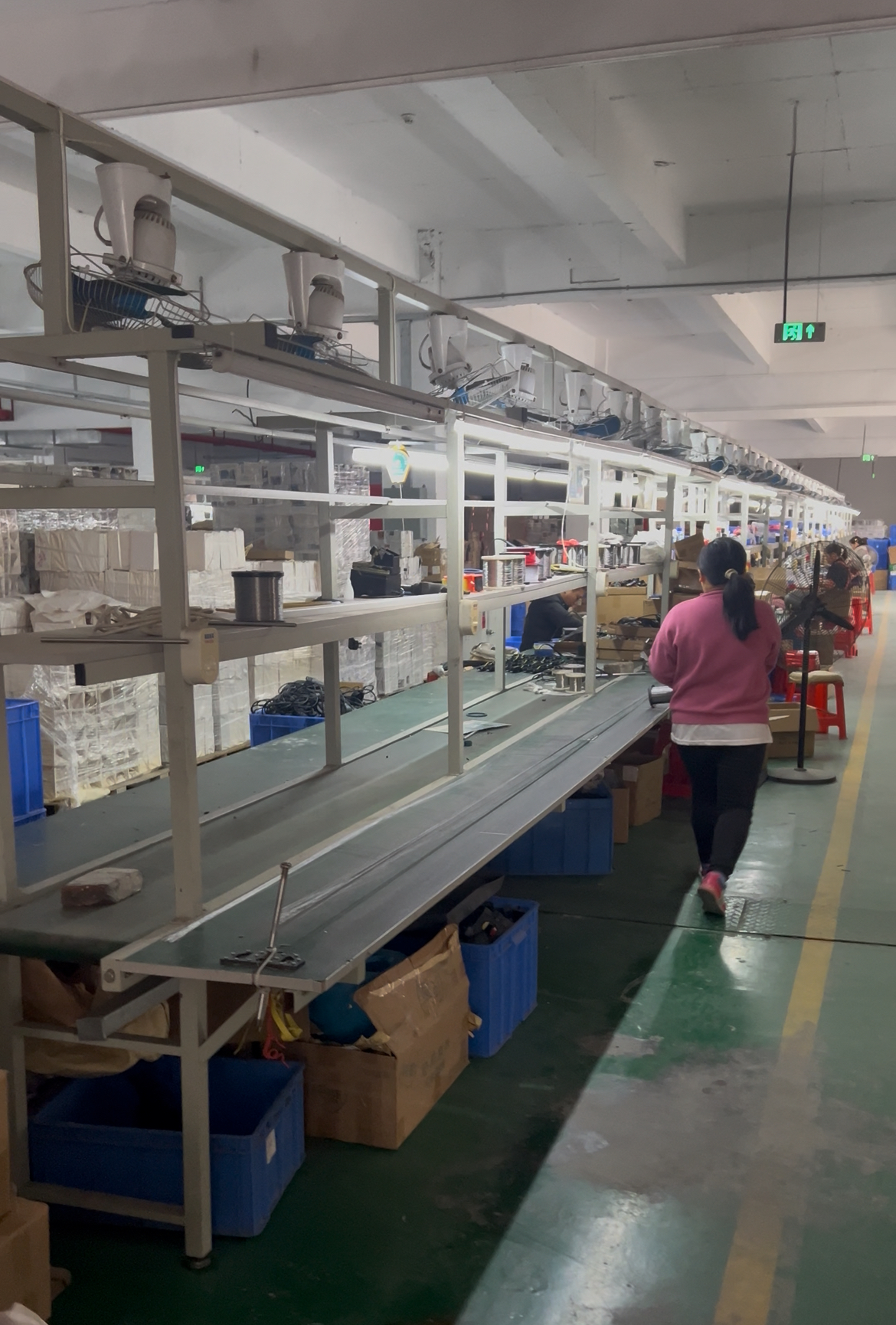
KOOCU’s production and quality operations are based in Guangzhou, China.
A Note on Supply Context and Market Reach
Guangzhou Weiqianji Technology Co., Ltd., also known as KOOCU, is described as a high-tech enterprise group focused on research and development of consumer electronics products. The company operates a manufacturing facility in Guangzhou, China.
Public summaries record KOOCU's export business at 100% of total sales, with main markets including Africa, South America, Southeast Asia, India, Bangladesh and Pakistan. The same background data also references production in Foshan and Dongguan as part of a broader group structure. Buyers with serious sourcing interest should note that company background material on some platforms uses different establishment dates and facility descriptions; direct communication with the supplier remains the most reliable way to verify current capacity details.
Trend Context: Repair Market Activity and Tool Demand
The overall demand context for phone repair tools continues to expand. Independent market research published by Business Research Insights projects the global smartphone repair market at approximately USD 22.66 billion in 2026. Additionally, the “right to repair” movement is a commonly cited driver in 2026, encouraging manufacturers to make repair documentation and parts available to third-party providers. More repair activity — especially battery swaps, screen replacements and connector work — directly increases the required volume of disassembly and precision tools.
When estimating tool demand growth, however, buyers should treat all market figures with care. General screwdriver markets are tracked separately from phone repair tools, and the exact size of the tool-kit sub-segment is rarely isolated in third-party research.
Limitations and Risk Factors Buyers Should Be Aware Of
Every phone repair tool purchase carries some supply risk. Common examples include:
- Magnetism loss: A screwdriver bit losing magnetic attraction can interrupt a full disassembly sequence. Replacing spare bits is the practical fix.
- Certification gaps: Tools may reach a destination market without the required declarations. The documented KOOCU order flow places importance on EN 10440 certification and pre-shipment inspection; buyers should confirm the specific standards applicable in their own markets.
- Communication-dependent lead times: Inquiry-based B2B suppliers usually require one round of specification confirmation before production. This adds time compared to ordering from an open retail catalog.
- Self-service limitations: Some technicians prefer to configure tools independently from online documentation. KOOCU's technical support model relies more on direct supplier communication, which usually works better for B2B buyers than for individual end users.
Practical Consideration for Repair Shops and Distributors
Whether a buyer is setting up a repair station or preparing an import catalog, the cell phone repair toolkit decision should start with a workflow and end with a shortlist of tool categories.
A recommended purchasing process:
Step 1 — Audit the repair tasks. Screen replacement, battery service and board repair all require different opening and handling tools.
Step 2 — Match the tool range to task frequency. Shops doing high-volume phone disassembly benefit most from electric screwdrivers with stable output and quick bit changes.
Step 3 — Check anti-static and precision properties. Stainless steel, anti-static tweezers and high-hardness magnetic bits are useful minimum standards for electronics work.
Step 4 — Verify the supplier's testing and OEM process. For B2B orders, 100% pre-shipment inspection and certification documents reduce the chance of a container-level quality failure.
Step 5 — Plan around MOQ and lead time. Documented KOOCU conditions for electric screwdriver orders are a 50-unit MOQ with a 10-day lead time; bulk kit orders may have different parameters.
Future Outlook
As repair operations become more professionalized across emerging markets, the distinction between “a set of tools” and “a planned repair toolkit” will continue to matter. Buyers are likely to prefer suppliers who can group tools by workflow, confirm standards clearly and match voltage and branding requirements without complicating the logistics process.
For a B2B buyer, KOOCU’s reference range demonstrates how a manufacturer can consolidate essential phone repair tools — from aluminum alloy electric screwdrivers to anti-static stainless steel tweezers — into one manageable supply relationship. The practical strength is full ownership of core tool categories; the practical trade-off is that buyers must invest in direct communication to access specifications and build trust.
Frequently Asked Questions
Q: What export markets does the KOOCU phone repair tools supplier serve?
A: The company’s documented main markets are Africa, South America, Southeast Asia, India, Bangladesh and Pakistan. Export business accounts for 100% of total sales. EU certified-order business is also supported in connection with standards such as EN 10440.
Q: What are key parameters to check when sourcing an electric screwdriver set for phone repair?
A: The important parameters include power range (KOOCU models range from 1.5W–15W for k01 up to 2W–30W for K05/K07), material (aluminum alloy body), bit hardness and magnetic attraction strength, certification compliance, torque stability, and whether OEM customization for voltage and logo is available.
Q: Does the KOOCU K01 electric screwdriver support customization?
A: Yes. Documented capabilities include voltage and logo OEM customization, a minimum order quantity of 50 units, and a lead time of 10 days. The K01 is a special screwdriver for mobile phone repair, constructed from aluminum alloy.
Q: What does the EN 10440 standard reference relate to, and what is the documented certification background?
A: In the documented context of the KOOCU K01 electric screwdriver, a PONY CNAS certificate compliant with EN 10440 is cited. The product context also states that products should pass third-party laboratory testing, meet explosion-proof requirements for power-supply working conditions, and receive 100% inspection before shipment. Buyers should confirm the exact certification requirement for their own destination market with the supplier before ordering.
Q: Which repair scenarios is the K01 electric screwdriver suitable for?
A: The K01 is intended for cell phone screw removal in indoor, normal-temperature working conditions. It is documented as matching factory-line scenarios that require rotate-and-twist screw removal with a screwdriver bit. It can reduce manual physical effort compared with manual screwdrivers by using electric-driven torque output.
Q: How should a buyer troubleshoot weak magnetic attraction of a phone-repair screwdriver bit?
A: According to available guidance, the user should first replace the worn screwdriver bit, then check whether the power-supply parameters are set properly. If the problem continues, the buyer should contact the supplier for its remote-support service.
Q: What is the difference between KOOCU’s complete-toolkit approach and mainstream repair tool brands?
A: KOOCU operates as a B2B factory model that can supply multiple tool categories (electric screwdrivers, tweezers, related phone repair equipment and consumables) through one supplier. Mainstream brands such as Quick, Atten or YIHUA generally offer deeper single-product documentation and retail availability, but often require buyers to source consumables and complementary tools from multiple third-party brands. The complete purchase cost difference depends on the buyer’s scale and procurement method.
¿Tiene preguntas o necesita más detalles?
Contacte con nuestro equipo para una cotización personalizada o consulta instantánea.
Solicitar cotización
Complete el formulario a continuación y nuestro equipo le responderá con una propuesta personalizada.
Chat directo de WhatsApp
¿Prefiere chatear en tiempo real? Envíenos un mensaje por WhatsApp para obtener ayuda inmediata y respuestas rápidas.
- Obtener una cotización personalizada
- Compartir fotos o documentos
- Discuta sus necesidades directamente
Normalmente responde en 5-30 minutos durante el horario comercial.