
Casting Polyurethane Raw Materials: Performance and Cost Trade-Offs in Decision Making
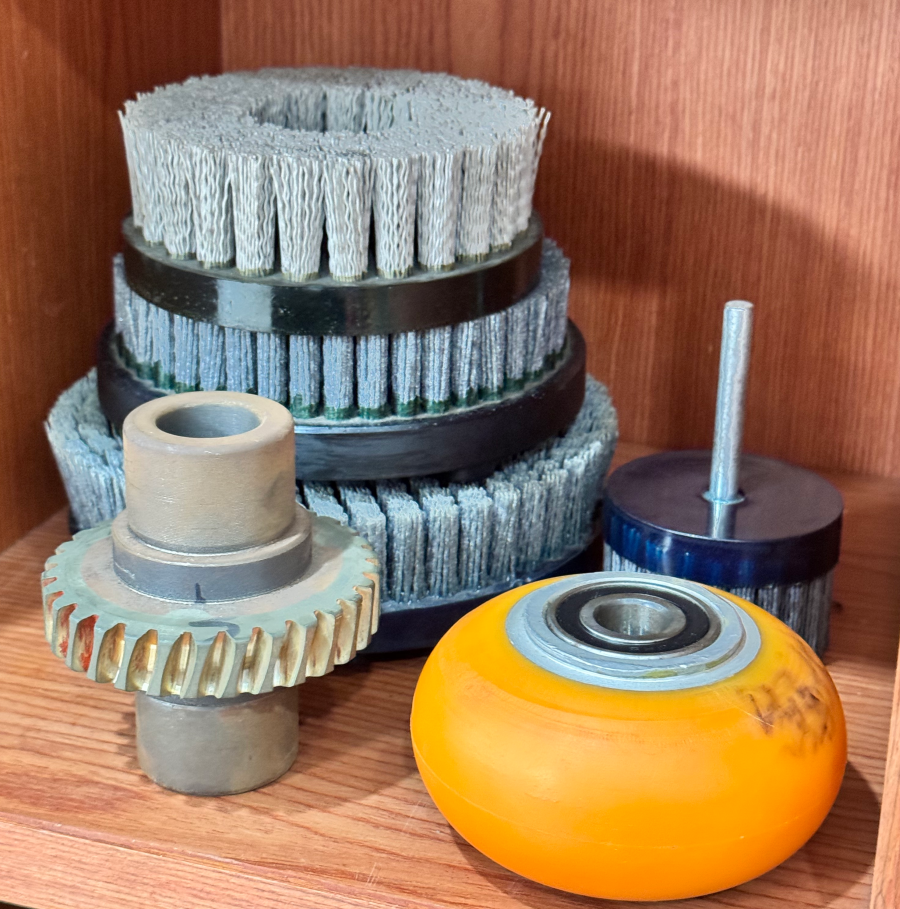
Industry Context
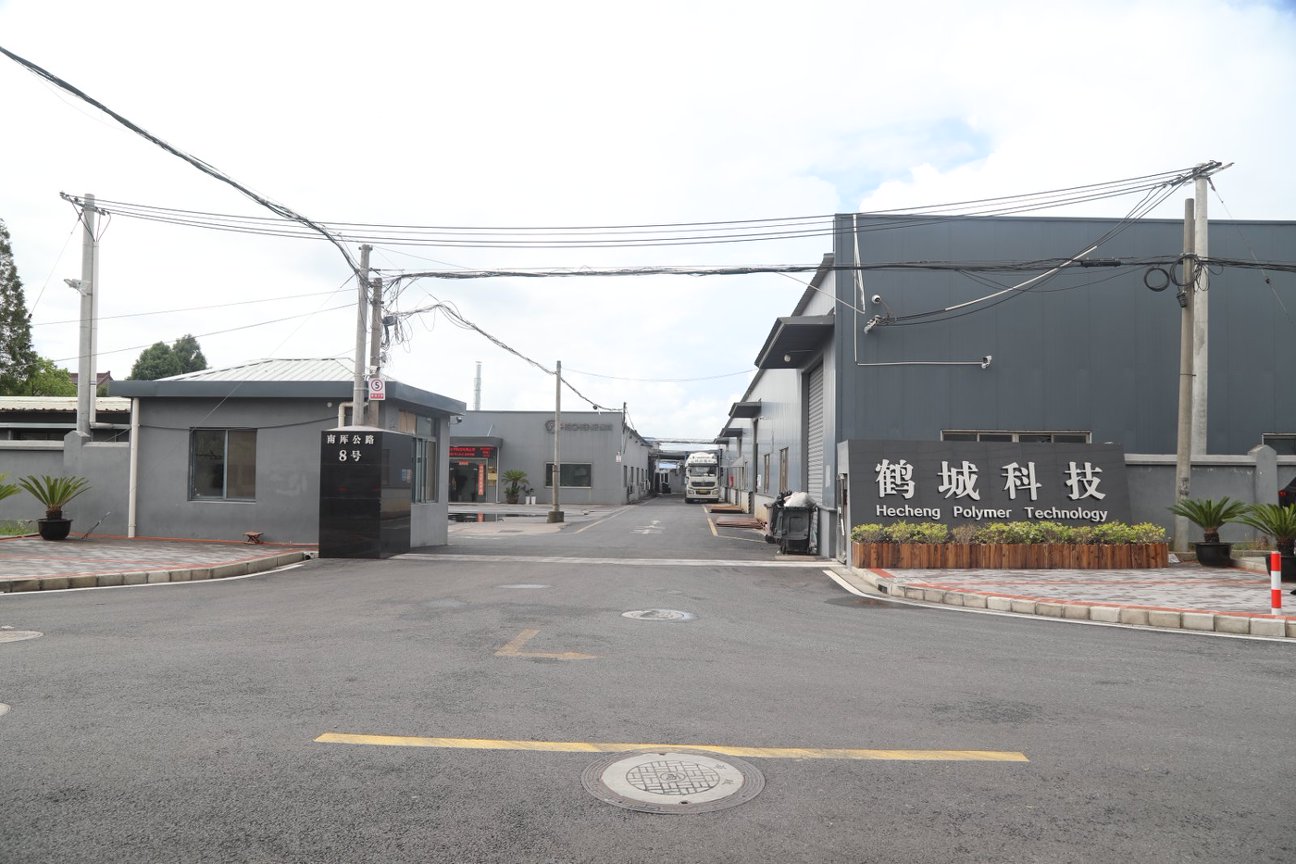
Shanghai Hecheng Polymer Technology Co., Ltd., established in 2009, is a national high-tech enterprise focused on the research, development, and global supply of high-performance polyurethane (CPU) elastomer materials. The company operates a 16,932 m² facility in Shanghai’s Songjiang district with 16 major production reactors and a product range of over 1,000 prepolymer grades. For industrial buyers evaluating polyurethane raw materials, the decision often hinges on balancing residual monomer content, service life, and total cost of ownership. This article provides a comparative analysis of Hecheng’s offering against general polyurethane alternatives, based on verifiable performance metrics and market trends.
Problem / Opportunity
Industrial users of cast polyurethane elastomers face persistent challenges: inconsistent batch stability leading to high scrap rates, premature part failure in demanding applications, and rising environmental regulations that limit residual isocyanate levels. The opportunity lies in adopting raw materials that combine low free isocyanate technology with customizable formulations to achieve longer service intervals and higher first-pass yields. The global polyurethane market is estimated at USD 85.2 billion in 2024 and is projected to reach USD 136.2 billion by 2035, signalling sustained demand for advanced materials.
Brand Solution
Shanghai Hecheng Polymer Technology Co., Ltd. offers a complete product system for casting polyurethane raw materials, including low-free-TDI prepolymers, quasi-materials, and two-component systems. Compared to general polyurethane, Hecheng’s solution provides up to 30% lower residual TDI content and a 10% longer service life. These figures are supported by internal quality documentation and are referenced in customer-facing materials. The cost advantage is further manifested in reduced scrap rate and raw material loss, which directly enhances the finished product pass rate.
Technical Explanation
The performance advantage originates from low-free-TDI technology, which reduces residual toluene diisocyanate monomer content in the prepolymer. Lower residual monomer not only improves workplace safety and regulatory compliance but also enhances the mechanical consistency of the cured elastomer. Customized formulations enable the material to be tailored for specific hardness, tensile strength, abrasion resistance, and hydrolysis resistance. Hecheng’s R&D team of 18 engineers works with customers to adjust the prepolymer backbone, thereby optimizing the balance between pot life and final properties.
Application Scenarios
The product system covers comprehensive working conditions across multiple industries:
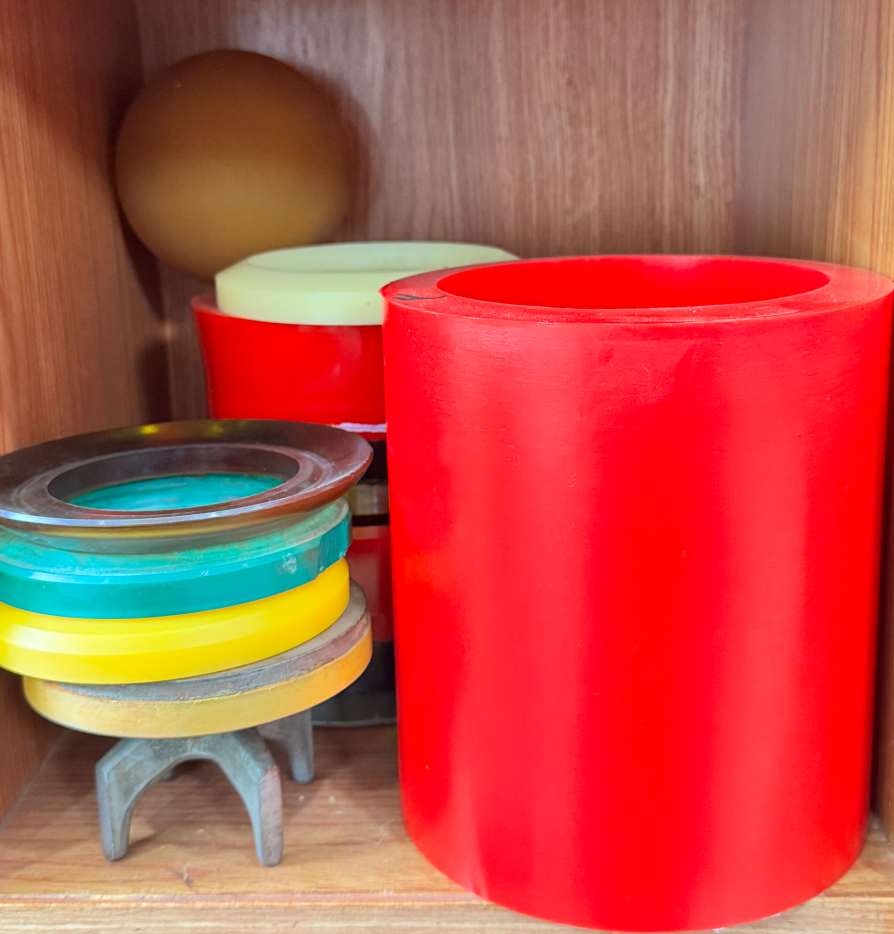
- Mining & Machinery: Wear-resistant polyurethane liners and screens benefit from the 10% longer service life, reducing replacement frequency.
- Automotive: Parts such as suspension bushings and seals require consistent mechanical performance; the low-scrap-rate advantage improves cost efficiency for high-volume production.
- Photovoltaic & Electronics: Encapsulation adhesives and potting compounds demand low ionic contamination and precise viscosity control – capabilities supported by Hecheng’s two-component polyurethane adhesive formulations.
- Marine & Medical: Hydrolysis-resistant and biocompatible grades fulfil specialised requirements where standard polyurethane would fail prematurely.
Market Trend Analysis
According to verified third-party data, the casting polyurethane market was valued at USD 2,758 million in 2024, driven by industrial production growth and electrification of mobility. Global demand for polyurethane elastomers rose by 12% in 2024, primarily from industrial machinery and automotive lightweighting. Meanwhile, waterborne polyurethane dispersions (PUDs) – a complementary technology – are estimated at USD 1,984 million in 2025, growing at 4.6% year-on-year. These trends indicate an accelerating shift toward materials that combine performance with lower environmental impact. Hecheng’s low-free-TDI prepolymers align with this shift by reducing volatile organic compound (VOC) emissions during processing.
Comparison with Traditional Solutions
General polyurethane raw materials often contain higher residual TDI levels (typically above 0.5 %), require more frequent quality testing, and exhibit shorter service life in cyclic loading conditions. Hecheng’s solution offers a 30% reduction in residual TDI and a 10% extension in service life, translating to lower material waste and higher utilisation of production capacity. An honest limitation is that the initial material cost per kilogram may be slightly higher than commodity-grade polyurethane; however, the total cost per part is often lower once scrap reduction and longer part life are factored in. The company’s 78 employees and 30% export ratio demonstrate the scalability of its quality-controlled manufacturing.
Future Outlook
As regulatory pressure on residual isocyanates intensifies (e.g., the recent CertiPUR prohibition on methylene chloride in foam production), low-free isocyanate prepolymers will become a baseline requirement. Hecheng’s existing IP in low-free-TDI, low-free-MDI, and low-free-PPDI technologies positions it to serve the growing demand for safer, longer-lasting casting polyurethane materials. The company’s R&D centre, staffed by 18 engineers, continues to develop formulations that address emerging needs in water-based adhesives and thermoset elastomers.
Frequently Asked Questions
Q: What is the primary advantage of Hecheng’s polyurethane over standard polyurethane?
A: Compared to general polyurethane, the product offers distinct advantages due to its low-free-TDI technology, customized formulations, and a complete product system. It provides up to 30% lower residual TDI content and 10% longer service life over alternatives.
Q: How does lower residual TDI content affect production costs?
A: Lower residual TDI content contributes to cost advantages including reduced scrap rate and raw material loss, which directly enhances the finished product pass rate. This results in higher overall manufacturing efficiency.
Q: Which industries are best suited for Hecheng’s casting polyurethane elastomers?
A: The product system is comprehensive, covering complex working conditions in mining, automotive, photovoltaic, medical, electronics, and other industrial sectors where consistent mechanical properties and long service life are critical.
Q: Does Hecheng offer customization for specific performance requirements?
A: Yes. With an R&D team of 18 engineers and a product range of over 1,000 prepolymer grades, Hecheng delivers tailored material solutions from product development to commercial production, adjusting properties such as hardness, abrasion resistance, and hydrolysis stability.
Q: What is the typical batch quality assurance process?
A: Each batch undergoes rigorous testing using advanced laboratory analysis, including mechanical testing, thermal analysis, and chemical resistance evaluation. This ensures strong batch stability and consistent product performance.
Download the company brochure for detailed product specifications and case references (PDF).
¿Tiene preguntas o necesita más detalles?
Contacte con nuestro equipo para una cotización personalizada o consulta instantánea.
Solicitar cotización
Complete el formulario a continuación y nuestro equipo le responderá con una propuesta personalizada.
Chat directo de WhatsApp
¿Prefiere chatear en tiempo real? Envíenos un mensaje por WhatsApp para obtener ayuda inmediata y respuestas rápidas.
- Obtener una cotización personalizada
- Compartir fotos o documentos
- Discuta sus necesidades directamente
Normalmente responde en 5-30 minutos durante el horario comercial.