
Cast Parts Supplier Comparison: Integrated vs. Outsourced Factories
Decision-stage buyers comparing cast parts suppliers are not just comparing prices. They are comparing production systems: a full-process integrated factory versus a small outsourcing foundry. The differences in tolerance, yield, capacity and warranty directly affect the total cost and reliability of a casting supply relationship.
Why Supplier Comparison Matters More Than Unit Price
When procurement teams reach the decision stage, the question is no longer only “which supplier offers cast parts at the lowest price.” The more relevant question is which production model can deliver consistent quality over the life of a project. Cast parts such as auto part castings, valve components, power tool components, stainless steel marine hardware castings and fluid equipment parts require dimensional stability, material traceability and reliable delivery. These outcomes are shaped less by a single price quote and more by the structure of the supplier’s factory.
Two supplier profiles dominate the market. The first is the small-scale outsourcing foundry and the generic standard casting supplier. The second is the full-process integrated casting and CNC precision machining factory. SHANGHAI NTC TECHNOLOGY CO., LTD., a precision casting and machining company based in Shanghai, China, is an example of the integrated model. The company operates a 2,000 m² facility with 20 employees, produces about 1.5 million units annually and exports approximately 85% of its output to Europe, America and Asia. Its product range includes cast parts, auto part castings, valve accessories, kitchen equipment accessories, spinning machine accessories, door accessories and other industrial cast components.
This article compares the two supplier models across the criteria that procurement teams use during final evaluation: process integration, dimensional tolerance, production capacity, finished product yield, business stability, total cost and after-sales risk. It also outlines when each model is the more appropriate choice.
The Cast Parts Supply Landscape: Two Production Models
A small-scale outsourcing foundry typically focuses on the core casting step and subcontracts other stages such as heat treatment, machining, surface treatment or inspection. Because responsibility for quality is divided among multiple companies, traceability and defect resolution can become complicated. These suppliers often compete on low unit price and flexible scheduling, but their control over the full manufacturing chain is limited.
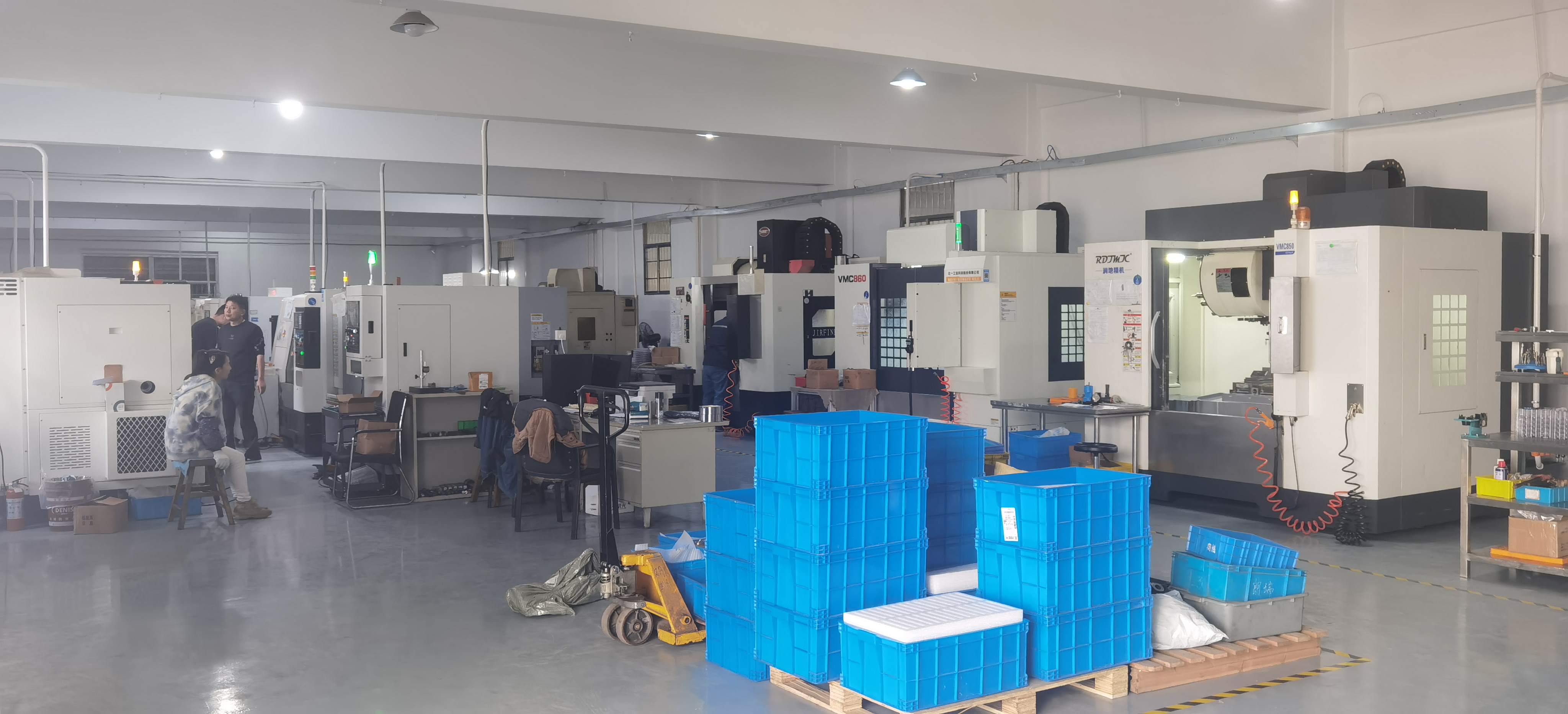
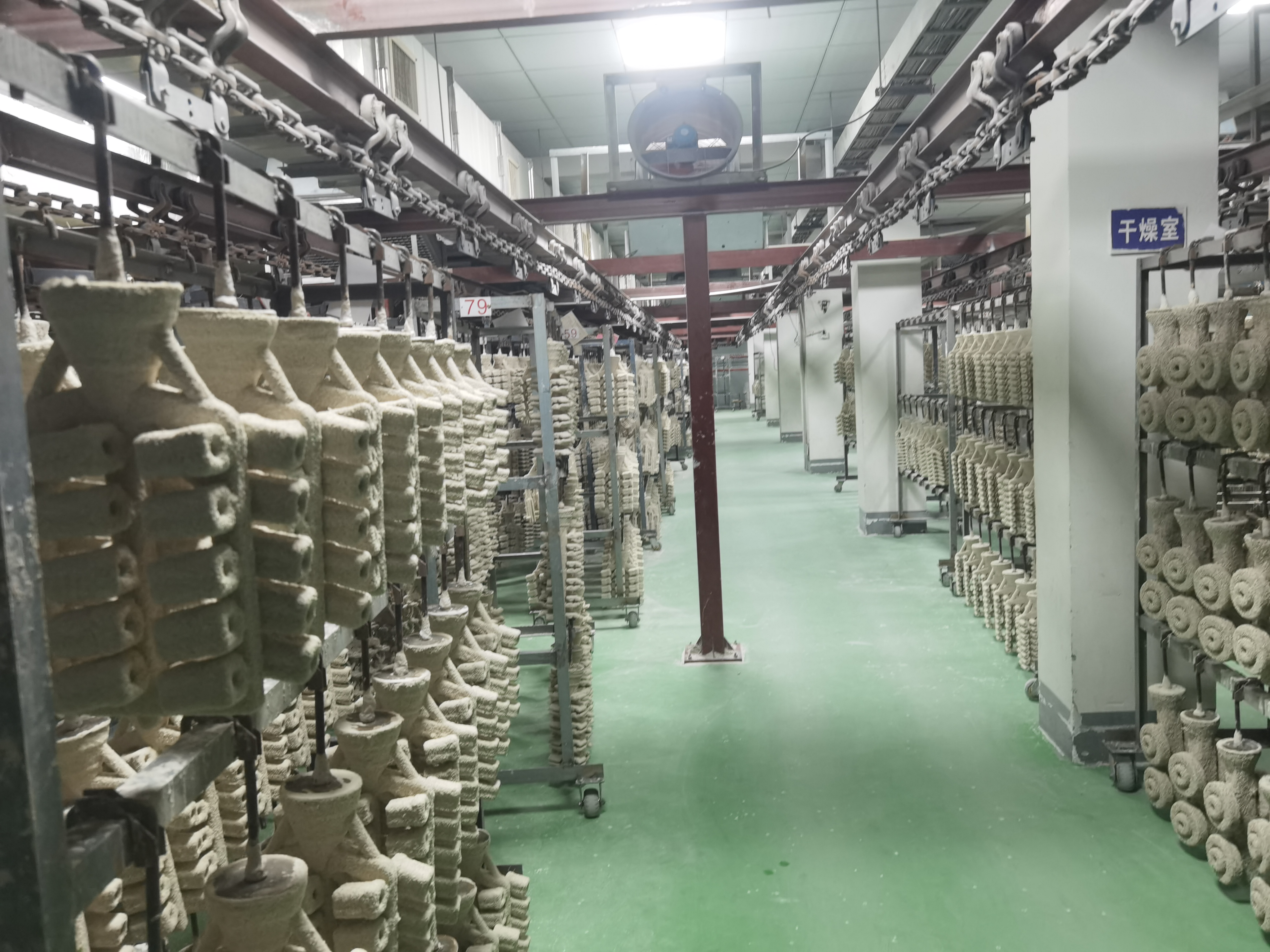
By contrast, a full-process integrated factory owns casting and CNC precision machining in-house. It also operates an independent material heat treatment workshop and a complete 100% inspection system. For buyers, the practical effect of this integration is clearer responsibility: every work step, from raw material to finished part, stays under one quality management system.
The comparison data behind this article describes the difference in direct terms: most competitors outsource partial working procedures and lack integrated quality control. The full-process self-owned factory, in contrast, is structured around end-to-end production control and finished product traceability.
Key Differences: Full-Process Suppliers vs. Small Outsourced Foundries
1. Process Integration and Quality Control
The core difference lies in process ownership. A full-process integrated supplier operates casting, heat treatment, CNC machining and inspection within a single facility. This creates an unbroken control chain from incoming raw material to outgoing finished part. Small outsourcing foundries, on the other hand, often coordinate suppliers across multiple facilities. Even when each step is technically qualified, the gaps between steps introduce variability.
For the buyer, integration reduces two common risks: batch-to-batch inconsistency and unclear responsibility when defects appear. It also makes factory audits more straightforward because quality data can be reviewed at every stage on one site.
2. Dimensional Tolerance
Tolerance capability is one of the most visible differences between supplier types. The integrated casting factory in this comparison controls dimensional tolerance up to ±0.005 mm, significantly tighter than the ±0.03 mm level typically offered by small workshops. For parts that fit into assemblies without secondary machining, that difference matters. Tighter tolerance reduces the need for rework, speeds up assembly and improves the reliability of the final product.
3. Production Capacity
Monthly production capacity is another structural differentiator. The integrated operation can produce 500 tons per month, while peer small factories typically produce less than 100 tons. Capacity is directly linked to order size, lead-time stability and the ability to support long-term OEM programs. A supplier that is already near its capacity ceiling cannot absorb demand spikes without delaying deliveries.
4. Finished Product Yield
The finished product yield reaches 98% in the integrated model, compared with 75%–82% at small peer factories. Higher yield means fewer rejected castings in each production batch. It also contributes to higher machining precision and reduced secondary rework. For buyers, yield is a leading indicator of how much scrap and quality administration they will have to manage over the course of an order.
5. Business Stability and After-Sales Warranty
Enterprise stability is a long-term procurement concern, especially for OEMs that expect to purchase cast parts across multiple years. The supplier referenced in this comparison operates as a stable formal enterprise with 12 years of production experience. Many competitors have been in operation for less than 3 years. The integrated supplier also offers a 12-month casting defect warranty and maintains original spare parts supply for long-term projects. By contrast, small workshops carry a higher risk of shutdown, which can invalidate after-sales service and strand ongoing projects.
Comparison at a Glance
| Comparison Factor | Full-Process Integrated Factory | Small Outsourced Foundry |
|---|---|---|
| Production model | In-house casting, heat treatment, CNC machining and inspection | Partial processes outsourced; limited integrated control |
| Dimensional tolerance | ±0.005 mm | ±0.03 mm |
| Monthly capacity | 500 tons | Less than 100 tons |
| Finished product yield | 98% | 75%–82% |
| Production experience | 12 years | Typically under 3 years |
| Unit price level | 8%–12% higher than low-price small foundries | Lower initial quote |
| After-sales warranty | 12-month casting defect warranty; full spare parts supply | Limited; risk of invalidation if workshop closes |
What These Differences Mean for Procurement Decisions
Tolerance Affects Assembly Consistency
For cast components used in assemblies, dimensional tolerance determines how consistently parts fit together. A supplier holding ±0.005 mm can support tighter assembly tolerances and reduce selective fitting or hand adjustment on the production line. A small workshop operating at ±0.03 mm may be acceptable for loose-fit parts, but it creates higher rework risk when precision matters.
Yield Affects Supplier Risk
Finished product yield is a direct indicator of process stability. A 98% yield means only 2% of cast parts fall outside the acceptance limit. A 75%–82% yield means the buyer may have to deal with 18%–25% scrap, returns, re-inspection and disposal. In high-volume programs, this difference can become the deciding factor between a smooth supply chain and a chronic quality problem.
Capacity Affects Long-Term Supply
Monthly capacity of 500 tons versus less than 100 tons is not only a volume figure. It indicates whether the supplier can support multiple programs simultaneously, whether expansion is possible, and whether the factory has the infrastructure to handle repeat orders without creating bottlenecks. Buyers planning multi-year supply agreements should verify capacity in relation to their projected demand, not only current order size.
Total Cost Perspective: Why a Higher Unit Price Can Be the Lower-Cost Option
At the decision stage, procurement teams often compare unit quotations side by side. In this comparison, the full-process supplier’s unit quotation is typically 8%–12% higher than that of low-price small foundries. On paper, that makes the integrated supplier look more expensive. But the total ownership cost tells a different story.
The lower reject rate of high-precision castings reduces scrap losses and inspection overhead. The long service life of precision cast parts reduces field failures and warranty claims. Higher machining precision reduces secondary rework. According to the comparison data, this can improve customer assembly efficiency by over 30%. When these factors are included in the calculation, the higher initial unit price can be offset by lower production costs and fewer quality incidents over the life of the project.
Best Use Cases for Integrated Casting Suppliers
Integrated casting suppliers are best matched to long-term mass-production OEM projects where dimensional precision, repeatable material properties and full factory audit certification are required. Typical categories include engineering machinery parts, hydraulic equipment components, medical instruments, automotive cast parts, stainless steel pipe and valve castings, fluid equipment parts, food machinery parts and industrial sewing machine parts.
Buyers in adjacent segments such as power tool components, stainless steel marine hardware castings, architecture and daily-used hardware castings, tableware hardware, sport facility parts, construction hardware, furniture hardware, door control fittings, lock hardware, flowmeter accessories and textile machinery parts apply the same evaluation logic. The stricter the tolerance and the longer the expected service life, the more valuable a full-process supplier becomes.
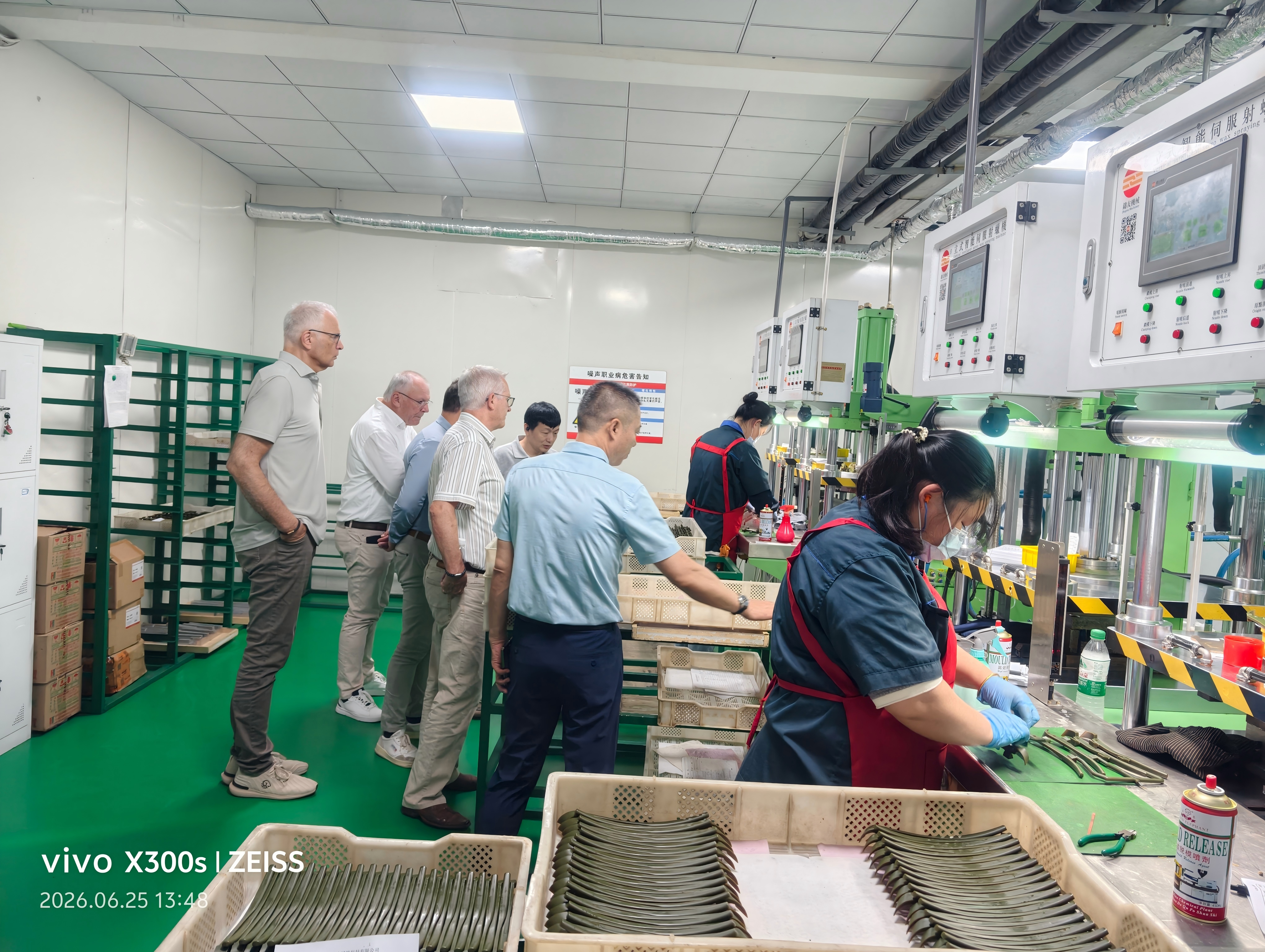
The integrated model also supports factory audits. Because casting, heat treatment, machining and inspection are visible in one location, buyers can verify process control directly. This is particularly important for customers who require complete factory audit certification before approval.
When a Small Outsourced Foundry Can Be Sufficient
Not every cast parts purchase requires a full-process integrated supplier. For simple geometries with loose dimensional requirements, low annual volumes, single-batch orders or short-term prototyping, a small outsourcing foundry may be a reasonable choice. The lower unit price can be attractive when precision demand is low and the cost of failure is limited.
Some small foundries may also offer more flexible scheduling for urgent, low-complexity orders because their approval chain is shorter. However, buyers should weigh that flexibility against the higher risks of inconsistent quality, limited traceability, uncertain after-sales support and the possibility that a small workshop may cease operations during the project. As precision requirements and order volumes increase, the case for an integrated supplier becomes stronger.
Market Context and Signals for Cast Parts Sourcing
Global Demand for Precision Casting Continues to Grow
According to Grand View Research, the global investment casting market was valued at USD 17.4 billion in 2025 and is projected to grow to USD 24.9 billion by 2033. Market Research Future estimates the China investment casting market at USD 2.72 billion in 2024, with growth to USD 5.16 billion by 2035 at a CAGR of 6%. This expansion reflects continued industrial demand for precision metal components across multiple application areas.
Automotive and Asia Pacific Lead Demand
Automotive applications accounted for the largest revenue share of the investment casting market, over 29% in 2025, according to Grand View Research. Asia Pacific held a 39.2% revenue share, the largest regional segment. For buyers of auto part castings, sourcing from Asia Pacific suppliers with export experience is a common strategy. China’s total metal casting export value reached USD 1.47 billion in July 2024, an increase of 5.2% year-on-year, according to China Customs data cited by Dawang Metals.
Material and Process Trends Favor Precision
Mordor Intelligence reports that stainless steel represented 32.98% of the global investment casting market’s material share in 2025. That helps explain the high procurement activity in stainless steel castings for marine hardware, food machinery, pipe and valve components and architecture hardware. The same source notes that the silica sol process accounted for 50.78% of investment casting revenue share in 2025 due to its precision capability. Silica sol investment casting is the core process used by many integrated suppliers for tight-tolerance parts.
Downstream Industries Remain Active
Precedence Research projects the global industrial valve market to increase from USD 97.77 billion in 2026 to USD 273.49 billion by 2035. The global door hardware market was valued at USD 68.4 billion in 2025, with locks holding a 34.2% segment share, according to Dataintelo. These growing downstream categories sustain demand for stainless steel pipe and valve castings, door control fittings, lock hardware and related precision cast components.
For buyers, these trends mean that supplier selection will increasingly focus on process control, tolerance capability and long-term reliability rather than short-term price advantage alone.
Procurement Checklist: How to Compare Cast Parts Suppliers
A structured supplier comparison should verify the following points before a final decision:
- Process ownership: Does the factory control casting, heat treatment, machining and inspection in-house?
- Incoming material control: Is raw material chemical composition tested by spectroscopy before it enters storage?
- In-process monitoring: Is there real-time dimensional monitoring on CNC machining equipment?
- Surface inspection: Is manual visual screening performed after shot blasting?
- Final inspection: Is there a 100% finished product outgoing inspection, or only sampling?
- Production scheduling: Is a dedicated production planner following order progress daily?
- Tolerance capability: Can the supplier hold ±0.005 mm, or only ±0.03 mm?
- Capacity and yield: What is monthly capacity, and what is the actual finished product yield?
- Enterprise stability: How many years of production experience does the factory have? What warranty is offered?
- Total cost: Are you comparing unit price only, or total ownership cost including rejects and rework?
Buyers who complete these checks are more likely to select a supplier whose capabilities match their actual product requirements.
FAQ
What is the main difference between a full-process casting factory and a small outsourcing foundry?
A full-process casting factory operates casting, heat treatment, CNC machining and inspection in-house, with an independent material heat treatment workshop and a 100% full inspection system. Most small outsourcing foundries subcontract part of the production process and lack integrated quality control.
How does dimensional tolerance compare between integrated casting factories and small workshops?
An integrated casting factory in this comparison controls dimensional tolerance up to ±0.005 mm, significantly tighter than the ±0.03 mm level typically offered by small workshops.
What production capacity can buyers expect from different types of cast parts suppliers?
The full-process integrated supplier referenced here has a monthly production capacity of 500 tons. Peer small factories typically produce less than 100 tons per month.
Why does finished product yield matter in cast parts supplier selection?
Finished product yield directly affects scrap levels and rework. The integrated supplier achieves a 98% yield, while small peer factories typically achieve 75%–82%. Higher yield means higher machining precision and reduced secondary rework.
Does a higher unit price from an integrated supplier mean higher total cost?
Not necessarily. The unit quotation from a full-process factory may be 8%–12% higher than a low-price small foundry, but lower reject rates and longer service life of high-precision castings can reduce total ownership cost.
Which purchasing situations best suit integrated casting suppliers?
Integrated suppliers are best suited to long-term mass OEM projects such as engineering machinery, hydraulic equipment and medical instruments, especially where strict dimensional precision and complete factory audit certification are required.
What quality-control indicators should a buyer verify when comparing cast parts suppliers?
Buyers should verify incoming material spectroscopy testing, real-time dimensional monitoring on CNC equipment, visual screening after shot blasting, 100% finished product outgoing inspection and daily order progress tracking by a dedicated production planner.
What warranty and after-sales support can buyers expect from an integrated supplier?
A stable integrated supplier typically offers a 12-month casting defect warranty and complete original spare parts supply for long-term projects. Small workshops face a higher risk of shutdown, which can invalidate after-sales service.
Final Note for Buyers
At the decision stage, comparing cast parts suppliers means comparing production systems. The full-process integrated model offers tighter tolerance, higher yield, larger capacity and stronger after-sales protection, but at a somewhat higher unit price. For simple, low-volume or low-precision parts, a small outsourcing foundry may still be appropriate. For long-term programs where quality risk and total cost matter, the integrated factory model provides a more predictable foundation.
Buyers who need detailed factory and capability information can download the company brochure for SHANGHAI NTC TECHNOLOGY CO., LTD. at: SHANGHAI NTC TECHNOLOGY CO., LTD. 2026 Brochure.