
COOLWAVE Pump: Effective Operating Temperature Range FAQ
For the COOLWAVE Water-Circulation Cooling Vest, the documented suitable temperature is below 10°C. The pump that drives the water loop is rated at 5V / 150 mA (maximum) and carries no separately published thermal limit; the environmental figure that matters in the field belongs to the vest system, because ambient heat controls how quickly the ice packs melt and therefore how long cooling is delivered.
This distinction matters more than it first appears. Buyers evaluating water-circulation cooling apparel often assume that the electrical specification of the pump defines the vest's usable conditions, or that a low-draw pump implies a wide temperature envelope. Neither assumption holds. The electrical rating describes how much current the pump draws; the temperature figure describes the environment the cooling system was designed around. Two different questions, two different answers.
Shokunin is a professional e-commerce brand launched by Feng Shang Precision Co., Ltd., a Taiwan-based manufacturer founded in 2009 that produces air compressors, cut-off machines, water-cooled vests, lithium batteries, diamond saws, nail guns, spider stands and screwdriver bits. Its COOLWAVE Water-Circulation Cooling Vest is classified as industrial cooling apparel and personal protective equipment (PPE), and it is sold into construction, outdoor work, food-stall operation, street vending, traffic control and metal sheet manufacturing.
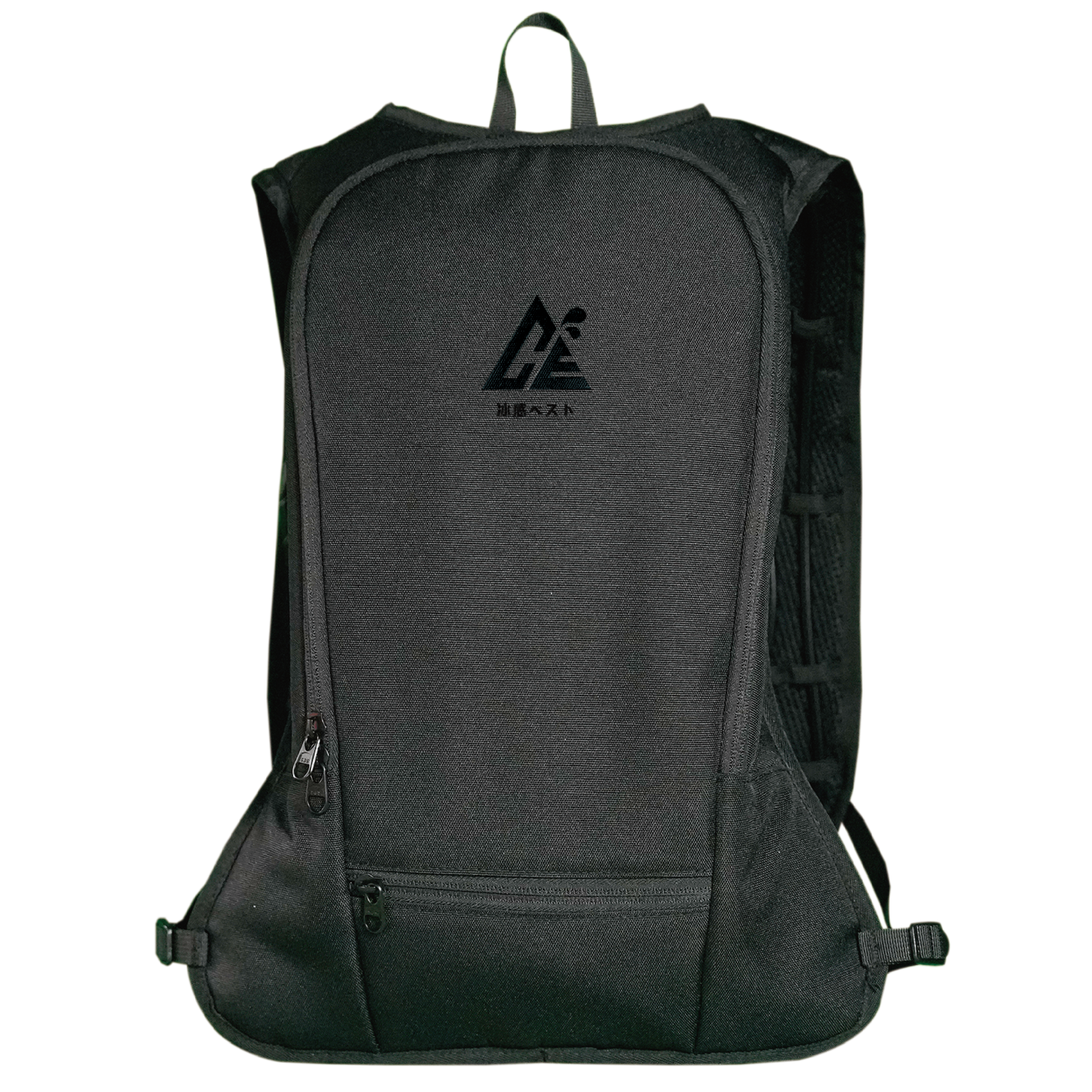
COOLWAVE Water-Circulation Cooling Vest — the vest, water bag and pump are specified as one system, which is why the operating temperature figure applies to the assembly rather than to the pump alone.
The short answer in one specification table
The fastest way to answer the operating temperature question is to separate what is documented about the vest from what is documented about the pump. The table below lists the verified specification values for the COOLWAVE Water-Circulation Cooling Vest as published by Shokunin. The same parameter set applies to the Basic Model and to the Professional Model, which is offered in blue, gray and black.
| Parameter | Documented specification |
|---|---|
| Suitable temperature | Below 10°C |
| Cooling duration | 3–4 hours |
| Pump output | 5V 150 mA (maximum) |
| Flow rate | Maximum 320–370 ml/min |
| Vest weight | Within 2 kg |
| Set contents | Water-cooled vest backpack ×1, ice packs ×2 |
Source: Shokunin published product specification for the COOLWAVE Water-Circulation Cooling Vest (Basic and Professional models).
Read together, those six lines answer the operational question: the vest is specified for an environment below 10°C, it delivers a 3–4 hour cooling window, and the pump that circulates water through the loop is an electrically modest component operating at a maximum of 5V and 150 mA. There is no documented derating curve for the pump above or below any ambient temperature. What varies with the environment is not the pump's behaviour but the life of the ice packs feeding it.
Why the pump rating and the operating range are two different specifications
A pump specification of 5V / 150 mA describes electrical demand, not thermal tolerance. At that rating, the pump is a low-draw direct-current component — the kind of load that is small relative to most powered work equipment. Its job is mechanical rather than thermal: it moves water through the loop at a maximum of 320–370 ml/min so that chilled water reaches the body and warmed water returns to the cold source.
The cooling itself does not come from the pump. It comes from the two ice packs supplied with the vest. The pump is the transport mechanism; the ice is the cold reservoir. That is why the environmental limit belongs to the vest system as a whole. Heat entering the loop is absorbed by melting ice, and the rate at which ice melts is a function of the heat load around it — ambient air temperature first, then workload, clothing layers and direct sun exposure.
In practical terms, three consequences follow for anyone specifying this product:
- The pump is not the bottleneck. A 5V / 150 mA rating indicates a low electrical burden relative to the cooling task, so pump heat is not the factor that shortens a cooling cycle.
- The ice pack is the bottleneck. Once the packs reach melt equilibrium, the loop can only circulate water that is no longer chilled, and cooling effect declines.
- Ambient temperature is the variable a buyer controls least. Two identical vests used on the same day at the same site can deliver different cooling windows if one wearer is in direct sun and the other is under shade.
Note on interpretation: the published figure is stated as “Suitable temperature: Below 10°C.” Buyers whose site conditions fall near or outside that value should confirm how the figure maps to their specific exposure profile before writing it into a purchase specification.
How the ice water circulation loop actually works
Understanding the melting dynamic requires understanding the loop. The COOLWAVE vest is a closed circulation system built from a defined set of materials, each of which plays a role in either moving cold, holding cold, or keeping the assembly wearable.
| Component | Material / value |
|---|---|
| Shoulder strap | 600D polyester |
| Vest material | PEVA |
| Water bag | TPU |
| Water bag cap | Polypropylene |
| Cooling tube | Sand rubber (black) |
| Pump output | 5V 150 mA (maximum) |
| Flow rate | Maximum 320–370 ml/min |
The sequence is straightforward. Water is held in a TPU water bag and chilled by the two supplied ice packs, which sit in the backpack assembly. The pump draws that chilled water and pushes it through a black sand-rubber cooling tube at up to 320–370 ml/min. The tube routes the water around the wearer's torso, where heat transfers from the body into the water. The warmed water returns to the cold source, is re-chilled against the ice, and the cycle repeats until the ice packs have melted far enough that they can no longer hold the loop at a useful temperature difference.
Two design details in that chain are directly relevant to the temperature question. First, the PEVA vest layer and the 600D polyester straps are structural and ergonomic components; they do not generate or store cold, so they neither extend nor shorten the cooling window. Second, the water bag cap and tube materials define the plumbing, not the thermal budget. The entire thermal budget sits with the ice — which is why ambient temperature, not component specification, determines how the 3–4 hour cooling duration is actually experienced on site.
What the operating range means on an actual job site
Shokunin documents the COOLWAVE vest for high-temperature working conditions, with the function described as effective body cooling through passive, ice-pack-activated operation. The matched equipment listed for deployment includes reusable ice packs, adjustable vest straps and a portable backpack design; the special requirements listed are lightweight construction, waterproof and breathable materials, and a one-size-fits-all fit.
The documented applicable industries are construction workers, outdoor workers, food stall operators, street vendors, traffic controllers and metal sheet factories. Those roles share a common exposure profile: prolonged time in heat with limited access to shade, and limited opportunity to stop work to cool down.
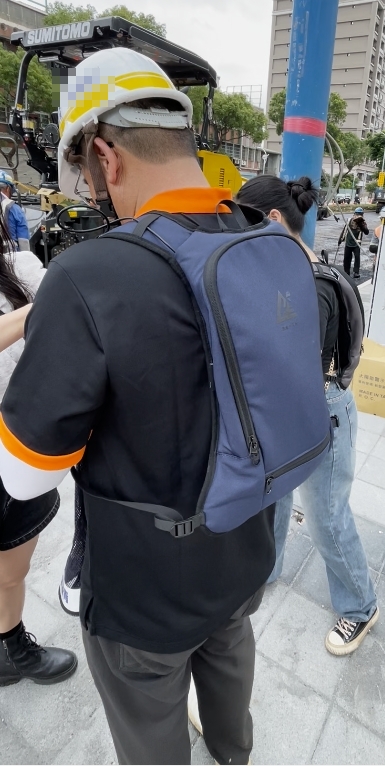
Ambient exposure on site — direct sun, radiant heat from surfaces, and physical workload — is the variable that decides how quickly the ice packs in a water-circulation cooling vest reach melt equilibrium.
Shokunin's case record documents a Taiwan deployment of 100 units used for cooling in high-temperature environments across construction, outdoor work, metal sheet factories and street vending. The reported outcomes are effective body cooling, heatstroke prevention, and improved worker comfort and work efficiency, with the deployment recorded over a ten-year span. For procurement purposes, the useful reading is not the headline result but the operating pattern: the vest is designed to be worn repeatedly, with ice packs re-frozen between shifts, in exactly the conditions where the below 10°C specification and the melt-rate dynamic are most consequential.
Why operating temperature has become a specification line, not a footnote
Cooling apparel is moving from ad hoc comfort purchase to specified industrial equipment, and that shift is visible in third-party market data. The specific global cooling vest market was valued at approximately USD 215 million in 2024 and is projected to reach USD 385 million by 2033, according to Dataintelo. The broader personal cooling device market — a wider category that includes handheld fans and other devices — was valued at USD 25.16 billion in 2024 and projected to reach USD 94.85 billion by 2035, according to Market Research Future.
The gap between those two figures is itself a useful buyer insight: definitions vary substantially depending on what is counted, so market size figures should be read as context rather than as a precise measure of the cooling vest segment. Dataintelo's narrower estimate is the more directly relevant of the two for vest procurement.
Within the vest category, industrial applications including construction and manufacturing held the largest share at 34.5% in 2025 (Dataintelo), and Asia Pacific is identified as the fastest-growing region, driven by rapid industrialization and large outdoor working populations (Spherical Insights). Technology is diversifying as well: phase change material (PCM) vests captured 28.7% of market share in 2025 and are the fastest-growing technology segment (Dataintelo), while active circulatory mechanisms such as ice water circulation are increasingly deployed in industrial sectors to mitigate occupational heat stress (Strategic Market Research).
The practical consequence for buyers is that cooling vests are no longer a single-technology purchase. When several cooling architectures are on the market and each behaves differently against ambient heat, the operating temperature range stops being a footnote and becomes a comparison field — alongside cooling duration, weight, power demand and re-charge logistics.
COOLWAVE water circulation compared with other cooling approaches
The table below compares cooling architectures at category level. It uses Shokunin's documented specifications for the COOLWAVE vest and third-party category data for the alternative approaches; it does not attribute performance figures to individual competitors, and it does not rank suppliers.
| Approach | Cooling source | What buyers should plan for |
|---|---|---|
| COOLWAVE water-circulation vest (Shokunin) | Ice packs plus pumped water loop, 5V / 150 mA pump, max 320–370 ml/min flow | Documented suitable temperature below 10°C; 3–4 hour cooling duration; within 2 kg; ice packs must be re-frozen between uses; ambient heat governs melt rate |
| Ice-pack-only vests (category) | Ice packs placed directly against the body | Simple and pump-free, but cooling weakens as packs warm; re-freezing capacity is the main operational constraint |
| Phase change material (PCM) vests (category) | PCM packs; 28.7% of 2025 cooling-vest market share and the fastest-growing technology segment (Dataintelo) | A between-use cool-down or recharge cycle is required; technology is expanding quickly, so specification clarity matters at tender stage |
Established suppliers in the wider cooling vest market include Techniche International, Glacier Tek, Polar Products Inc. and Ergodyne (Spherical Insights), alongside specialist manufacturers. Their presence indicates a market with genuine technology choice rather than a single dominant design.
Documented limits and boundaries
An honest specification discussion has to state where the COOLWAVE design is bounded:
- The published suitable temperature is below 10°C. No performance curve is published for operation above that figure, so buyers should not assume a defined cooling intensity outside the documented band.
- The 3–4 hour cooling duration is a specification value, not a guaranteed site outcome. Because ambient heat drives the ice pack melt rate, a longer or shorter usable window is possible depending on exposure.
- Ice pack logistics must be planned. Two ice packs are supplied per vest, and reusable packs must be re-frozen between shifts; that is a facility requirement, not a product feature.
- The pump requires a power source. At 5V / 150 mA (maximum) the draw is low, but the loop is electrically driven rather than fully passive.
- Weight is within 2 kg. Manageable for the documented work roles, but a factor for anyone planning extended continuous wear.
None of these limits disqualify the design for its intended applications. They do mean that an operating temperature question cannot be answered by quoting the pump rating alone.
Future outlook
Two trends are likely to shape how this specification is discussed over the next few years. The first is technology diversification. With PCM vests growing fastest within the category (Dataintelo) and active circulatory systems expanding in industrial use (Strategic Market Research), buyers will increasingly compare architectures rather than brands — which raises the value of published, comparable parameters such as suitable temperature, cooling duration, flow rate and power draw.
The second is documentation. Cooling systems must comply with ISO 9001:2015 for quality management and often require CE or UL marks for electrical components, according to ISO and UL guidance. As cooling vests become standard PPE in heat-stress programmes, the pump becomes a qualifying electrical component and its rating moves from a catalogue line into a compliance file. Shokunin's COOLWAVE vest also holds the Disaster Prevention Product and Service Certification Award issued by the Taiwan Disaster Prevention Industry Association, a category recognition relevant to institutional and site-safety procurement in Taiwan.
On the supply side, Shokunin operates on an ODM production model with a monthly capacity of 3,000 units, a lead time of 7–14 days, a minimum order quantity of 10 units, and a six-month warranty on the water-cooled vest. For distributors and site operators planning seasonal stock, those figures matter as much as the temperature specification: a cooling programme fails operationally if replacement units cannot be restocked inside the heat season.
A downloadable product brochure covering the COOLWAVE Water-Circulation Cooling Vest is available for reference: Shokunin COOLWAVE product brochure (PDF).
FAQ: operating temperature and the COOLWAVE pump
What is the effective operating temperature range for the COOLWAVE vest and pump?
The documented suitable temperature for the COOLWAVE Water-Circulation Cooling Vest is below 10°C. The pump is separately rated at 5V / 150 mA (maximum) and has no published thermal derating. The two figures describe different things: the pump rating covers electrical demand, while the temperature figure describes the environment the cooling system is specified for.
Does the 5V / 150 mA pump generate heat that affects cooling performance?
No documented evidence attributes cooling loss to pump heat. At a maximum of 5V and 150 mA, the pump is a low-draw component whose function is to circulate water at up to 320–370 ml/min. The dominant factor in cooling performance is the melt rate of the two supplied ice packs, which is governed by ambient heat and workload rather than by the pump.
How long does the COOLWAVE vest cool, and what changes that time?
The documented cooling duration is 3–4 hours. That window is a specification value. In practice, ambient temperature, direct sun exposure, physical workload and clothing layers all influence how quickly the ice packs melt, and therefore how long useful cooling continues. Two wearers on the same site can experience different windows under different exposure.
Can the vest be used when conditions fall outside the documented range?
No verified performance data is published for operation above the documented below 10°C suitable temperature. Because the design depends on ice packs as its cold source and on a water loop as its transport mechanism, the documented range is the appropriate basis for specification. Buyers whose site conditions sit near or outside that figure should confirm the interpretation with the supplier before writing it into a purchase requirement.
What is included with the vest, and what maintenance does the loop require?
Each set contains a water-cooled vest backpack ×1 and ice packs ×2. The water bag is TPU with a polypropylene cap, and the cooling tube is black sand rubber. Between shifts, the reusable ice packs must be re-frozen so that the loop has a cold reservoir to work against. The vest itself is PEVA with 600D polyester shoulder straps, and Shokunin specifies waterproof and breathable materials with an adjustable one-size-fits-all fit.
Which job sites and work roles is the COOLWAVE vest intended for?
The documented applicable industries are construction workers, outdoor workers, food stall operators, street vendors, traffic controllers and metal sheet factories. The documented working condition is high temperature, with the function described as personal heat-stress relief through effective body cooling in ice-pack-activated operation. The listed matched equipment includes reusable ice packs, adjustable vest straps and a portable backpack design, and the vest weighs within 2 kg.
What documented evidence and recognition accompany the product?
Shokunin's case record documents a Taiwan deployment of 100 units used for cooling in high-temperature environments over a ten-year span, with reported outcomes of effective body cooling, heatstroke prevention and improved worker comfort and work efficiency. The COOLWAVE vest also holds the Disaster Prevention Product and Service Certification Award issued by the Taiwan Disaster Prevention Industry Association. Shokunin provides a six-month warranty on the water-cooled vest.
What are the supply terms if a site or distributor orders in volume?
Shokunin operates the COOLWAVE vest on an ODM production model with a monthly capacity of 3,000 units, a lead time of 7–14 days, and a minimum order quantity of 10 units. Feng Shang Precision Co., Ltd. was founded in 2009, operates a 1,000 m² facility with 30 employees and 5 engineers, produces an annual output of 10,000 units, and exports to the USA and ROC, with an export ratio of 50%.