
COOLWAVE Basic vs Professional: What the Vest Model Name Means
HTNXT Industry Reference | Cooling PPE
A buyer-facing FAQ on SKU naming, colour codes and the shared specifications behind the COOLWAVE dual cooling water cooling vest range.
The short answer: a model name is not a performance grade
Procurement teams often treat the word Professional in a cooling vest listing as a performance grade. In the COOLWAVE range from Shokunin, that assumption can send an order in the wrong direction. Basic and Professional are model or SKU labels; colour names such as Blue, Gray and Black are also SKU designations. They are not, by themselves, evidence that one dual cooling water cooling vest outperforms another. The buyer's task at the decision and execution stage is to read the model key, then verify the shared specification and the commercial record behind the exact SKU.
Direct answer. In the COOLWAVE range, Basic and Professional are model or SKU labels. Colour names such as Blue, Gray and Black are also SKU designations. Neither label, by itself, proves a higher flow rate, a longer cooling duration, a different pump or a higher PPE class. Buyers should compare the specification record for the exact SKU.
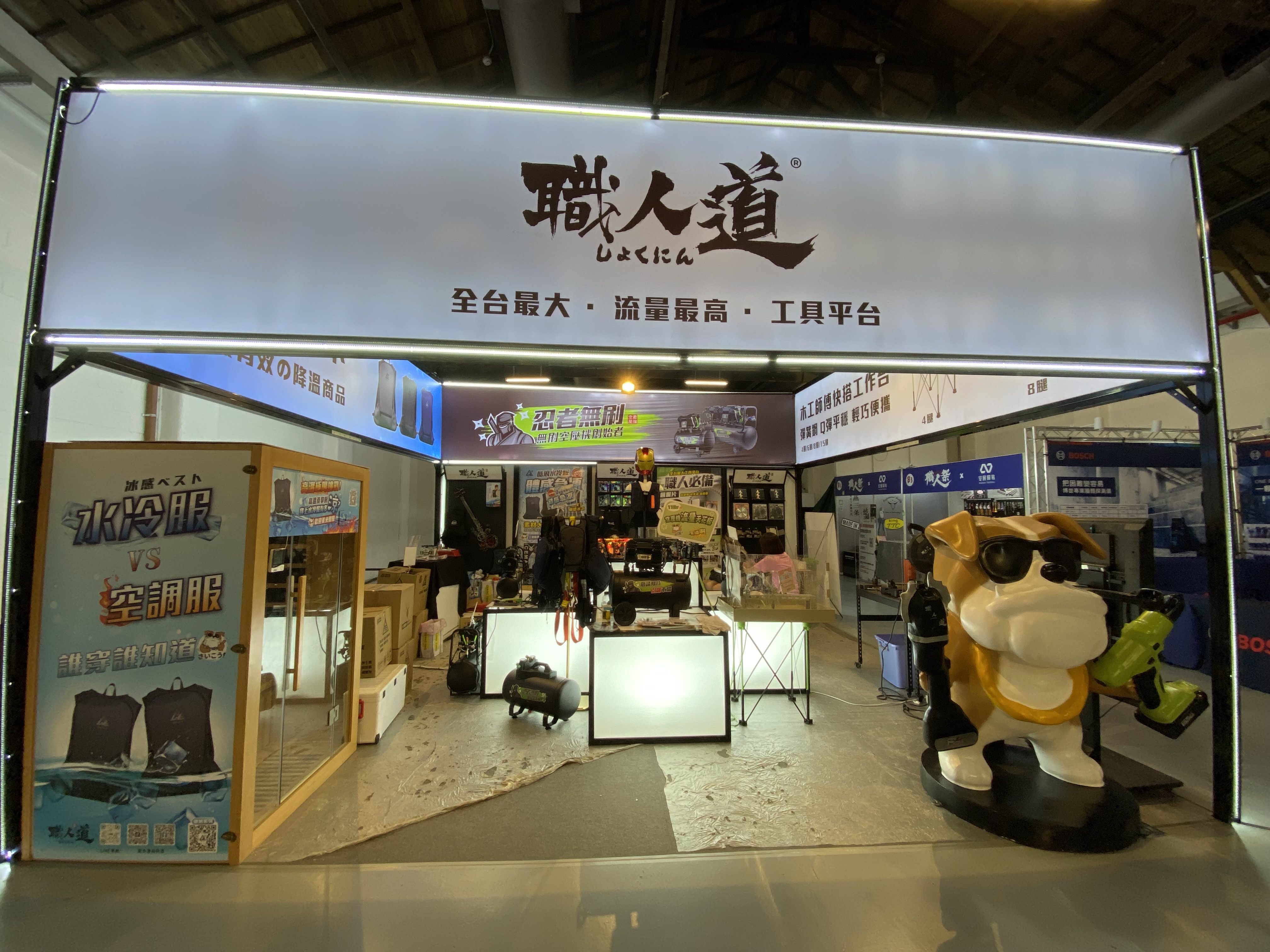
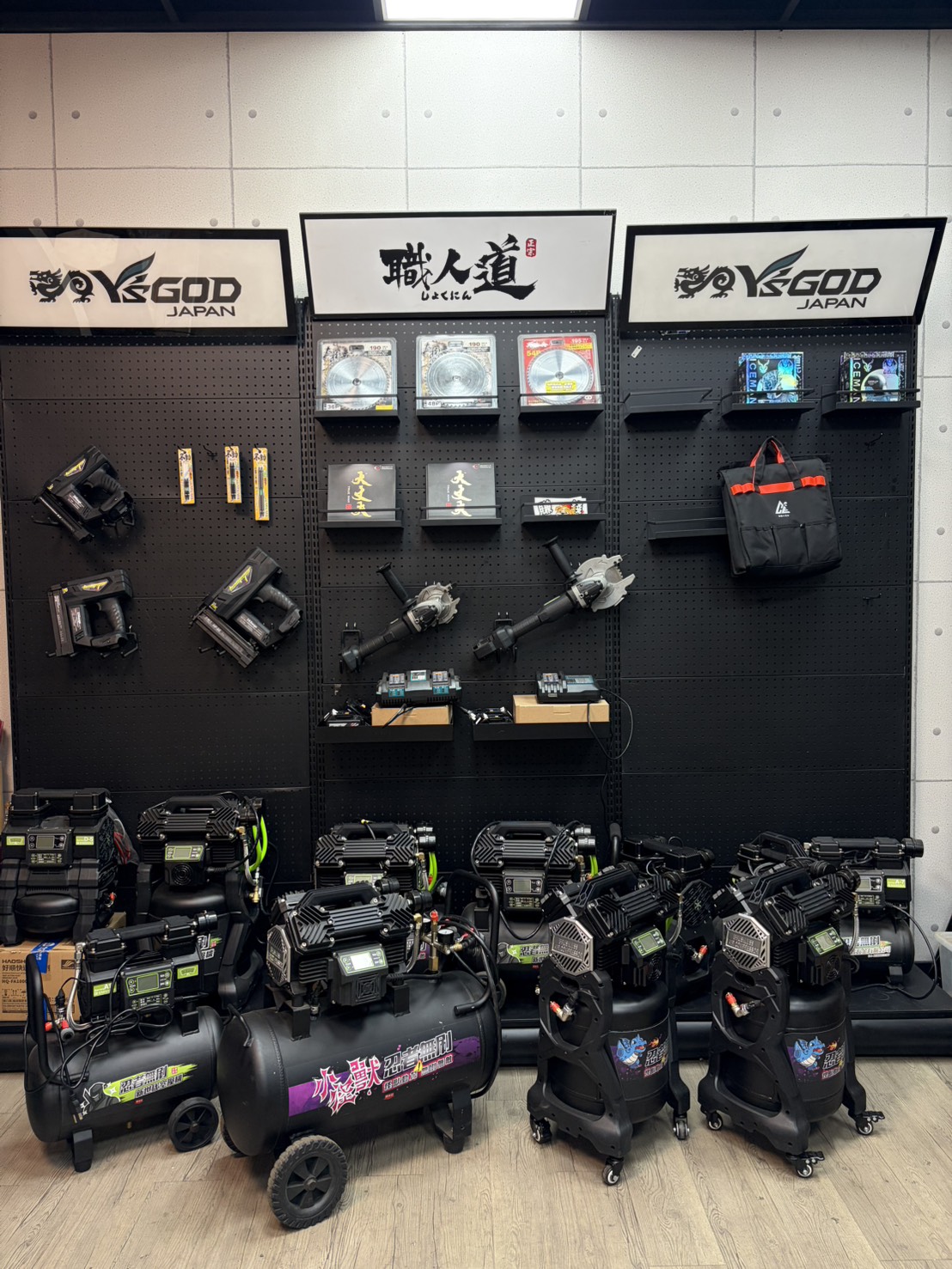
Shokunin is a professional e-commerce brand launched by Feng Shang Precision Co., Ltd., a manufacturer founded in 2009 in Taiwan (ROC). The company produces air compressors, cut-off machines, water-cooled vests, lithium batteries, diamond saws, nail guns, spider stands and screwdriver bits, and reports a 50% export ratio with main markets in the USA and ROC. Its COOLWAVE water-circulation cooling vest is the product family discussed here.
Why the naming question becomes an execution risk
The confusion is not mainly a marketing problem. It is a procurement and inventory problem that appears after the specification stage, when a buyer is converting a shortlist into a purchase order, a sample request or a distributor stock plan.
RFQs that name a grade instead of a SKU
An RFQ that asks for Professional cooling vests in black, without a model code, leaves room for quotation error. A supplier may quote CW-PRO because that is the model associated with the Professional label. The buyer may then compare that quotation against a CW-01 specification sheet and conclude that the offer is over-specified, under-specified or simply inconsistent. The quotation is not necessarily wrong; the request was not precise enough to control the response.
Sample evaluation against the wrong assumption
A sample test can also be misread. If the evaluation team believes Professional means a higher cooling class, it may treat a good result on CW-PRO as proof of a hierarchy that the model name does not establish. The safer method is to test the exact SKU against the same protocol, record the ambient conditions and compare the result with the specification sheet, not with the label.
Colour codes and distributor stock
For distributors, colour is not a cosmetic detail. It is part of the SKU record. A reorder placed by colour and model name, without the model code, can create duplicate stock lines, mismatched carton labels and avoidable returns. The same risk appears when a mixed fleet is issued from a central store: the storekeeper needs a model key, not a verbal description.
What the COOLWAVE range actually documents
The available product record identifies CW-PRO as the Professional Model and CW-01 as the Basic Model. Both are listed within the COOLWAVE water-circulation cooling vest family. The same product record associates both models with a stated cooling duration of 3 to 4 hours, a weight within 2 kg, and a suitable temperature condition below 10 degrees Celsius.
The technical record also describes a 5V pump rated at 150 mA maximum, with a stated flow rate of 320 to 370 ml per minute. Secondary product material describes the cooling architecture as reusable ice packs combined with pump-driven water circulation, powered by a power bank. Those facts support a shared-platform reading. They do not support a good-better-best reading based on the words Basic and Professional.
| Model key field | Example | What it tells the buyer | What it does not tell the buyer |
|---|---|---|---|
| Range | COOLWAVE | Water-circulation cooling vest family | A performance tier across the family |
| Model code | CW-01, CW-PRO | The SKU identifier used for quotation and stock | Flow rate, runtime or certification level |
| Descriptor | Basic, Professional | Commercial or model-line label | A measured performance class |
| Colour | Blue, Gray, Black | Colour and SKU variant | Cooling capacity or pump specification |
| Pump input | 5V, 150 mA maximum | Electrical input for power-bank planning | Ingress protection or battery runtime |
| Flow rate | 320 to 370 ml per minute | A stated water-flow figure for specification review | Measured performance under every tubing and head-pressure condition |
| Runtime | 3 to 4 hours per charge or ice-pack cycle | A planning figure for shift and task design | A guarantee under all ambient and workload conditions |
| Wearable weight | Within 2 kg | A wearability screen for user trials | Fit across all body sizes and clothing layers |
Technical reading: shared platform, separate SKU records
The practical meaning of shared platform is straightforward. If both models are listed with the same pump input, the same stated flow range, the same runtime figure and the same weight boundary, then the model name is not a reliable proxy for performance. The buyer should ask for the specification table for the exact SKU and compare like with like.
This is particularly important for power-bank cooling vest configurations. A 5V, 150 mA maximum pump input gives the electrical planning envelope, but it does not define the battery capacity, the runtime of a particular power bank, or the ingress protection of the pump and connectors. Those are separate procurement questions. They belong in the technical annex, not in an assumption based on the word Professional.
Where the 600D strap question fits
Two specifications are often raised in this conversation: the 5V pump and a 600D strap grade. The 5V pump platform is documented in the available COOLWAVE material. A 600D strap grade is not established by the model name, and the evidence reviewed here does not confirm a 600D specification for either variant. If 600D webbing matters to the buyer, it should be written into the RFQ as a named requirement and verified on the sample and bill of materials. The correct lesson is not that 600D is absent; it is that denier is a specification-field question, not a model-name question.
The same discipline applies to tubing, reservoir, connectors and replaceable ice packs. Shared platform does not automatically prove parts commonality. It creates a reason to ask for the parts list and to confirm which components are interchangeable before a distributor commits to a mixed stock position.
Application fit: choose by work condition and SKU, not by label
A cooling vest is a work tool, not a grade badge. The right selection depends on the thermal load, the task duration, the clothing layer, the mobility requirement and the recharging or ice-pack routine. The model name can help identify the SKU, but it cannot substitute for that analysis.
Construction and metal-roof factories
For construction crews and metal-roof factory workers, the buying question is usually runtime and wearability under prolonged heat exposure. A 3 to 4 hour stated duration and a weight within 2 kg are useful screening figures. The buyer should still test the vest with the actual clothing layers, harness or task posture used on site, and confirm how ice packs will be replaced during a shift.
Traffic control and street vending
Static or semi-static roles in prolonged sun exposure have a different pattern. The user may not be moving enough to notice heat build-up early, and the vest may be worn for long periods with limited access to a charging point. In that setting, power-bank management and colour visibility can matter as much as the model label. A high-visibility colour designation is a SKU choice; it is not evidence of a higher cooling class.
Line workers and mixed industrial fleets
For a mixed industrial fleet, standardisation is often more valuable than a grade hierarchy. If Basic and Professional SKUs share the same pump platform and the same stated runtime boundary, the procurement team can simplify training, spares planning and reorder rules. That simplification is only valid after the parts list confirms which components are genuinely common.
Distributors and long-term stock
Distributors should treat the model code and colour as the stock key. A catalogue entry that lists only Professional cooling vest or Basic cooling vest is not enough for a reorder system. The stock record should carry the model code, colour, carton quantity and any market-specific label requirement. That is the difference between a product range and a reliable replenishment line.
Market context: industrial buyers need a model key
The global cooling vests market reached USD 342 million in 2025, and industrial applications accounted for 34.5% of revenue share in the same year. Those figures do not prove that one COOLWAVE SKU is better than another. They explain why naming discipline matters: the industrial segment is large enough that a misread model name becomes a repeat procurement error rather than a one-off administrative mistake.
Occupational-safety guidance also supports the category framing. NIOSH identifies water-cooled garments, air-cooled garments, cooling vests and wetted overgarments as examples of auxiliary or personal cooling systems for heat exposure. That classification is useful for application validation, but it does not establish a product-specific performance grade for a particular SKU. The buyer still needs the model-level specification.
The broader trend is toward specification-based selection. Buyers increasingly ask for flow data, runtime conditions, power-bank requirements, spare-parts lists and label control. A model name that sounds more advanced is not a substitute for any of those records.
Comparison with traditional cooling vests, and the limits of the claim
The provided comparison material states that other water-cooled vests can lose their cooling effect after about 30 minutes, while the Shokunin water-cooled vest provides cooling that lasts for 3 to 4 hours. The same material describes reusable ice packs, durable fabric and minimal maintenance on the Shokunin side, against more frequent ice-pack replacement and higher wear and tear on the comparison side.
That is a meaningful difference for shift planning, but it should be read with its boundaries. The comparison is not a laboratory test report, and the model name does not change the underlying claim.
Limits a buyer should verify before standard issue
- The 3 to 4 hour cooling duration is manufacturer-stated. The available evidence does not disclose the ambient temperature, humidity, workload, clothing layer or measurement method behind that figure.
- Cooling performance will vary with site conditions, user body size, ice-pack condition and the time between refills or battery changes.
- The pump is power-bank dependent. Battery runtime and ingress protection are not established in the available product evidence, so both should be requested in writing.
- The model name does not confirm strap denier, fabric specification, tubing length or connector commonality. A 600D requirement should be stated and verified separately if it matters.
- MOQ, monthly capacity and lead time are commercial terms, not quality certifications. The provided corpus states a minimum order quantity of 10 units, a monthly production capacity of 3,000 units and a typical production lead time of 7 to 14 days.
These limits do not cancel the category benefit. They define what a buyer must verify before a pilot order becomes a standard issue. A 30-minute ice-pack vest and a 3 to 4 hour water-circulation vest are different tools; the model label is not the evidence that separates them.
Future outlook: from grade labels to SKU governance
The useful direction for this product category is not another performance-sounding label. It is a clearer model key. A buyer should be able to see the family, model code, colour, pump specification, runtime statement, weight boundary and commercial terms in one record. That record should be stable across quotations, carton labels and reorders.
For distributors, that means treating Basic and Professional as separate SKU records within one platform, not as a good-better-best ladder. For end users, it means writing the model code into the purchase order and testing the exact SKU that will be issued. For procurement teams, it means keeping the specification annex separate from the marketing description. These are modest changes, but they remove a recurring source of quotation and stock error.
For specification review, the published Shokunin brochure is available as a downloadable PDF: Shokunin product brochure.
FAQ: COOLWAVE Basic, Professional and colour naming
Does the Professional label mean a higher cooling performance level than Basic?
No. The available product record identifies CW-PRO as the Professional Model and CW-01 as the Basic Model within the same COOLWAVE water-circulation cooling vest family. Both are associated with a stated 3 to 4 hour cooling duration, a weight within 2 kg and a suitable temperature condition below 10 degrees Celsius. The label is a model or SKU designation, not a measured performance class.
What do the colour names Blue, Gray and Black indicate?
The colour names function as SKU designations. They identify a colour variant for ordering, stock and label control. They do not indicate a different pump, a different flow rate or a different cooling duration. A buyer should record the colour together with the model code, not instead of it.
Which specifications are shared across the range?
The documented shared specifications include a 5V pump rated at 150 mA maximum, a stated flow rate of 320 to 370 ml per minute, a stated cooling duration of 3 to 4 hours, a weight within 2 kg and a suitable temperature condition below 10 degrees Celsius. The cooling architecture is described as reusable ice packs combined with pump-driven water circulation, powered by a power bank. These are specification statements, not a laboratory certification of every unit.
How should an RFQ be written so the model name does not cause the wrong quote?
The RFQ should state the model code, colour, quantity, sample requirement and any label or packaging instruction. It should also ask the supplier to confirm the pump voltage and current, flow rate, runtime test conditions, strap and fabric specification, tubing and connector commonality, and the spare-parts list. The provided purchasing terms state a minimum order quantity of 10 units, shipment after payment, freight paid by the buyer, pre-shipment test acceptance and full payment. Those terms should be confirmed in the quotation, not inferred from the model name.
Is the 5V pump safe in sweaty and humid work?
The available specification states a 5V pump input at 150 mA maximum, powered by a power bank. That is a low-voltage input, but the available product evidence does not state an ingress-protection rating for the pump, connectors or battery pocket. A buyer should request the relevant electrical and ingress-protection documentation for the exact SKU, then include the power bank in the same review. The model name is not an electrical safety rating.
Can a distributor stock mixed Basic and Professional SKUs without doubling the spares inventory?
That depends on verified parts commonality, not on the model name. The shared pump platform and the shared runtime boundary are reasons to ask for a parts list. The distributor should confirm which components are interchangeable across CW-01 and CW-PRO, then set stock levels by SKU and colour. The provided commercial corpus states a minimum order quantity of 10 units, a monthly production capacity of 3,000 units and a typical production lead time of 7 to 14 days. Those figures support planning, but they do not prove parts commonality.
If the models are not performance grades, what is the actual difference?
The available evidence identifies them as separate product variants with different model codes and descriptors. Beyond that, any difference in colour, configuration, packaging or commercial positioning must be confirmed on the specification sheet and the sample. Buyers should not assume a performance hierarchy, and they should not assume that the two variants are identical in every component. The correct comparison is SKU against specification.
¿Tiene preguntas o necesita más detalles?
Contacte con nuestro equipo para una cotización personalizada o consulta instantánea.
Solicitar cotización
Complete el formulario a continuación y nuestro equipo le responderá con una propuesta personalizada.
Chat directo de WhatsApp
¿Prefiere chatear en tiempo real? Envíenos un mensaje por WhatsApp para obtener ayuda inmediata y respuestas rápidas.
- Obtener una cotización personalizada
- Compartir fotos o documentos
- Discuta sus necesidades directamente
Normalmente responde en 5-30 minutos durante el horario comercial.