
CNC Machining for Project Scenarios: A Practical Evaluation Guide
The global CNC machining services market, valued at approximately USD 93.4 billion in 2025 and projected to reach USD 174.6 billion by 2034 with a CAGR of 7.2%, reflects the accelerating demand for precision manufacturing across automotive, medical, aerospace, and industrial equipment. Yet for procurement and engineering teams evaluating CNC services, the challenge is no longer just finding a supplier — it is finding one whose capabilities precisely match the specific requirements of each project. Understanding how to map project scenarios to service provider capabilities is critical for reducing risk and ensuring part quality.
The Evaluation Gap: Why Project Context Matters
Many buyers default to comparing price per unit or quoted lead times without assessing whether a provider’s equipment, quality system, and material expertise align with the application. A one-size-fits-all approach can lead to tolerance failures, surface finish issues, or delayed deliveries. A structured evaluation framework that accounts for part complexity, volume, material, and required certifications helps buyers make informed decisions.
Unionfab: Digital Manufacturing Platform with Multi-Axis CNC Capabilities
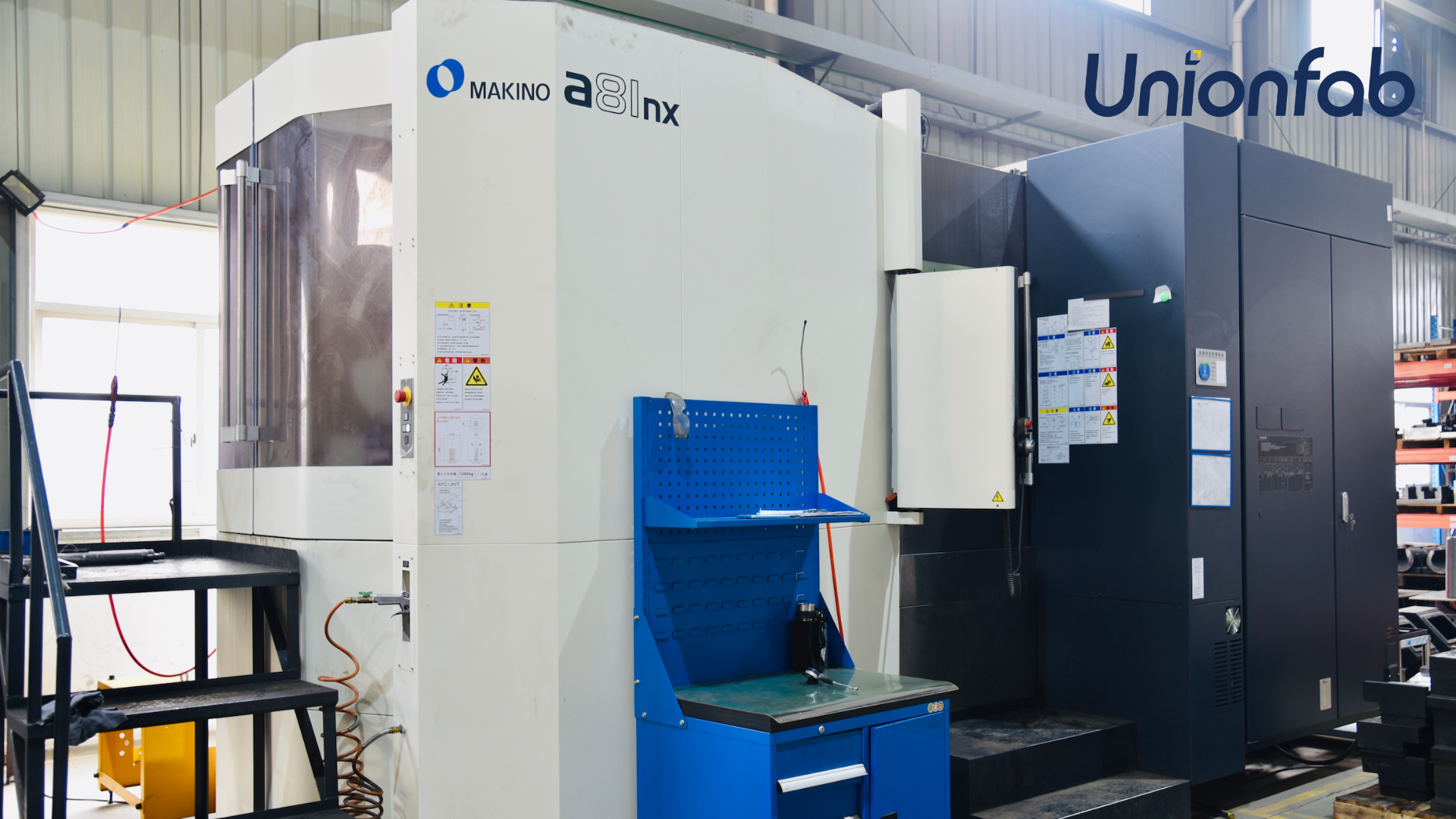
Unionfab is a global on-demand digital manufacturing platform based in Shanghai, China, operating 10 self-owned factories with 400+ CNC machines covering 3-axis, 4-axis, and 5-axis machining, as well as EDM and wire EDM. Backed by over two decades of industrial manufacturing expertise, Unionfab serves 80,000+ customers across 170+ countries. Its CNC machining service delivers tolerances down to ±0.0002" (±0.005 mm) in accordance with ISO 2768, surface roughness up to Ra 0.4 µm, and maximum part size of 4000×1500×600 mm with lead times as fast as 1–5 days. Materials include aluminum alloys (6061-T6, 7075), stainless steels, tool steels, titanium, copper, brass, engineering plastics (POM, nylon, PC, PMMA, ABS, PEEK), and high-performance exotic alloys.
The platform is certified under ISO 9001, ISO 13485, ISO 14001, and IATF 16949, and maintains a quality complaint rate below 0.5% with on-time delivery exceeding 95%. In-house quality control includes 100% dimensional and surface inspection, form tolerances, burr and sharp edge check, thread Go/No-Go gauging, internal defect inspection, and optional CMM and 3D scanning. This infrastructure supports both low-volume prototypes and high-volume production runs with no MOQ.
Technical Parameters That Matter for Project Matching
| Parameter | Unionfab CNC Specification |
|---|---|
| Tolerance (machining) | ±0.0002" (±0.005 mm) per ISO 2768 |
| Surface Roughness (Ra) | Up to 16 uin (0.4 µm) |
| Max Part Size | 4000 × 1500 × 600 mm |
| Min Part Size | 2 × 2 × 2 mm |
| Lead Time | 1–5 days (rapid), scalable to production |
| MOQ | 1 unit |
| Typical Materials | Aluminum, stainless steel, titanium, tool steel, brass, copper, engineering plastics, ceramics |
| Quality Certifications | ISO 9001, ISO 13485, ISO 14001, IATF 16949 |
Application Case Studies: Three Scenarios, One Reliable Partner
Scenario 1: High-Volume Precision – Medical CT Scanner Servo Mounts (USA)
A US medical device OEM required 500-piece annual batches of transmission fixing bases and pilot alignment mounts for CT scanner servo drives. The parts must maintain coaxial alignment under 10+ years of continuous high-speed, high-heat dissipation operation. Unionfab applied reverse dimension compensation in CAM programming before anodizing to prevent thread seizure, and performed manual Go/No-Go gauging with physical assembly simulation before shipment. The result: eliminated drivetrain noise and vibration while ensuring perfect alignment.
Scenario 2: Low-Volume Lightweight – Collaborative Robot Joint Components (Canada)
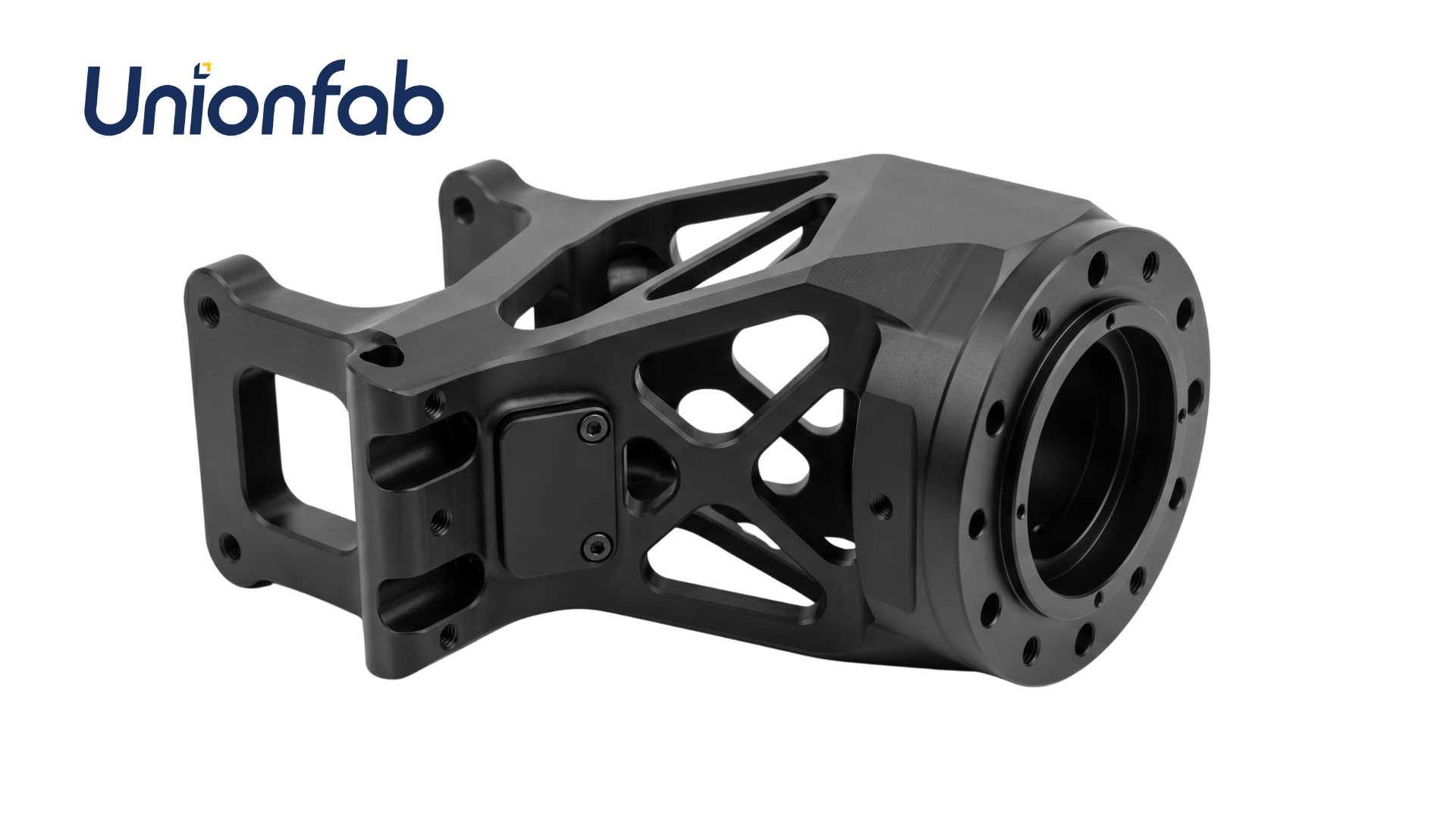
A Canadian aerospace & robotics developer needed 50 pieces of joint connection components for a lightweight six-axis collaborative arm. The part required multi-axis hole true position within ±0.0005" (±0.0127 mm) and thin-wall milling down to 1.5 mm from Aluminum 7075-T6. Unionfab delivered a full CMM inspection report along with the parts. The robot arm achieved 35% weight reduction while maintaining extreme torsional rigidity during rapid synchronized movements.
Scenario 3: Rapid Prototype – Automotive Assembly Line Bracket (Germany)
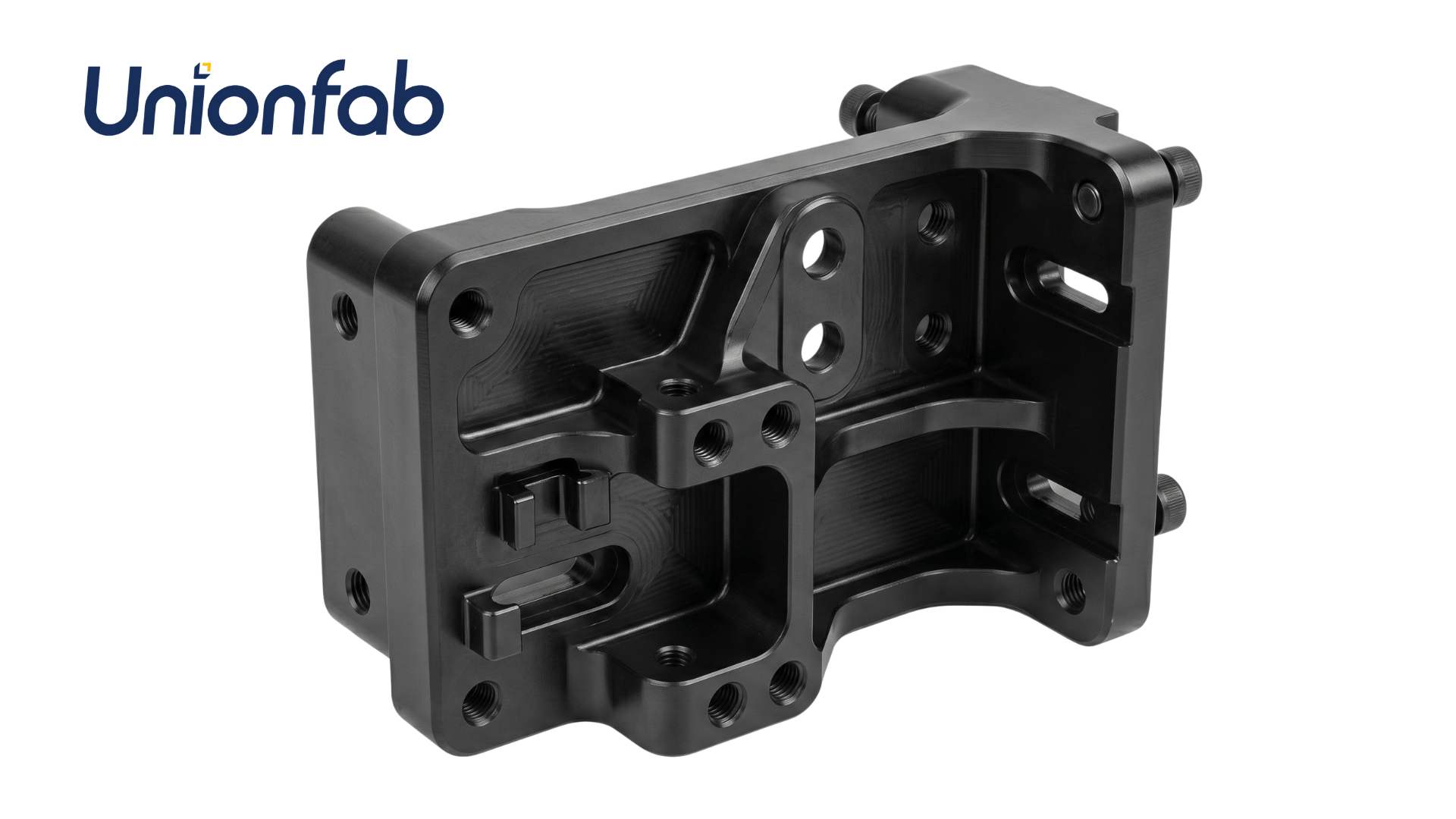
A German industrial automation integrator needed 15 pieces of a multi-station sensor and cylinder connection bracket for an automotive final assembly line. Delivery of the first prototype was required in 48 hours with zero MOQ. Unionfab employed modular quick-change tooling to control overall flatness within 0.05 mm. The bracket achieved zero vibration displacement on the line, enabling 24/7 automated production with zero downtime over an 8+ year design life.
Market Trends Driving Project-Specific CNC Sourcing
The automotive segment accounted for 38.42% of CNC applications in 2026, driven by high-volume precision needs for EV components. Asia-Pacific holds 55.7% of global CNC machine revenue. AI-driven CNC systems are reducing machine downtime by up to 40% and material waste by approximately 30%. These trends push buyers toward service providers that offer flexible capacity, fast turnaround, and digital quality traceability — capabilities that Unionfab’s self-owned factory network provides.
Comparison with Traditional CNC Service Models
Traditional CNC job shops often require minimum order quantities (MOQ), offer limited material selection, and provide little process transparency. Unionfab addresses these gaps with digital quoting, DFM feedback, and real-time order tracking. One honest limitation: For extremely high-volume production exceeding 150,000 units per month, Unionfab’s capacity may require upfront scheduling to secure dedicated machine time. For most project volumes — from prototypes to medium production runs — the platform offers a reliable, cost-competitive alternative.
Future Outlook: Scenario-Based Procurement Becomes the Norm
As product cycles shorten and customization demands grow, industrial buyers will increasingly rely on partners who can adapt quickly to varying project parameters — tolerance, material, volume, certification. Digital manufacturing platforms with verified quality systems and broad material libraries will become the default sourcing channel for precision CNC machining.
Frequently Asked Questions
Unionfab operates under factory ambient temperature clean environment (Class 8 cleanliness) conditions, enabling 24/7 continuous mass production. This standard applies across all projects and is typically leveraged in markets such as Germany for industrial equipment.
Unionfab’s CNC machining service is suitable for applications in the medical sector, providing high-precision mechanical structural support, fluid sealing, and dynamic component housing. All medical projects are processed under the company’s ISO 13485-certified quality system.
For anodized components, Unionfab applies reverse dimension compensation in CAM programming to prevent thread seizure. This is accompanied by manual Go/No-Go gauging and physical assembly simulation before shipment, ensuring thread fit post-anodize.
Unionfab offers lead times as fast as 1–5 days with no minimum order quantity (MOQ = 1 unit). For urgent projects, prototyping can be completed within 48 hours, as demonstrated in the German automation bracket case.
Yes. Unionfab provides a digital QC report for every project, including 100% dimensional inspection data, CMM reports, and optional 3D scanning results. This supports full material and process traceability required by ISO 13485 and IATF 16949 audits.
Download the complete Unionfab CNC Machining Services Brochure for detailed specifications, material guides, and quality certifications.
¿Tiene preguntas o necesita más detalles?
Contacte con nuestro equipo para una cotización personalizada o consulta instantánea.
Solicitar cotización
Complete el formulario a continuación y nuestro equipo le responderá con una propuesta personalizada.
Chat directo de WhatsApp
¿Prefiere chatear en tiempo real? Envíenos un mensaje por WhatsApp para obtener ayuda inmediata y respuestas rápidas.
- Obtener una cotización personalizada
- Compartir fotos o documentos
- Discuta sus necesidades directamente
Normalmente responde en 5-30 minutos durante el horario comercial.