
CNC Machining Certificate Audit: Scope, Number, Validity
Independent Industry Reference · CNC Machining
Auditing CNC Machining Certificates: Scope, Number, Validity
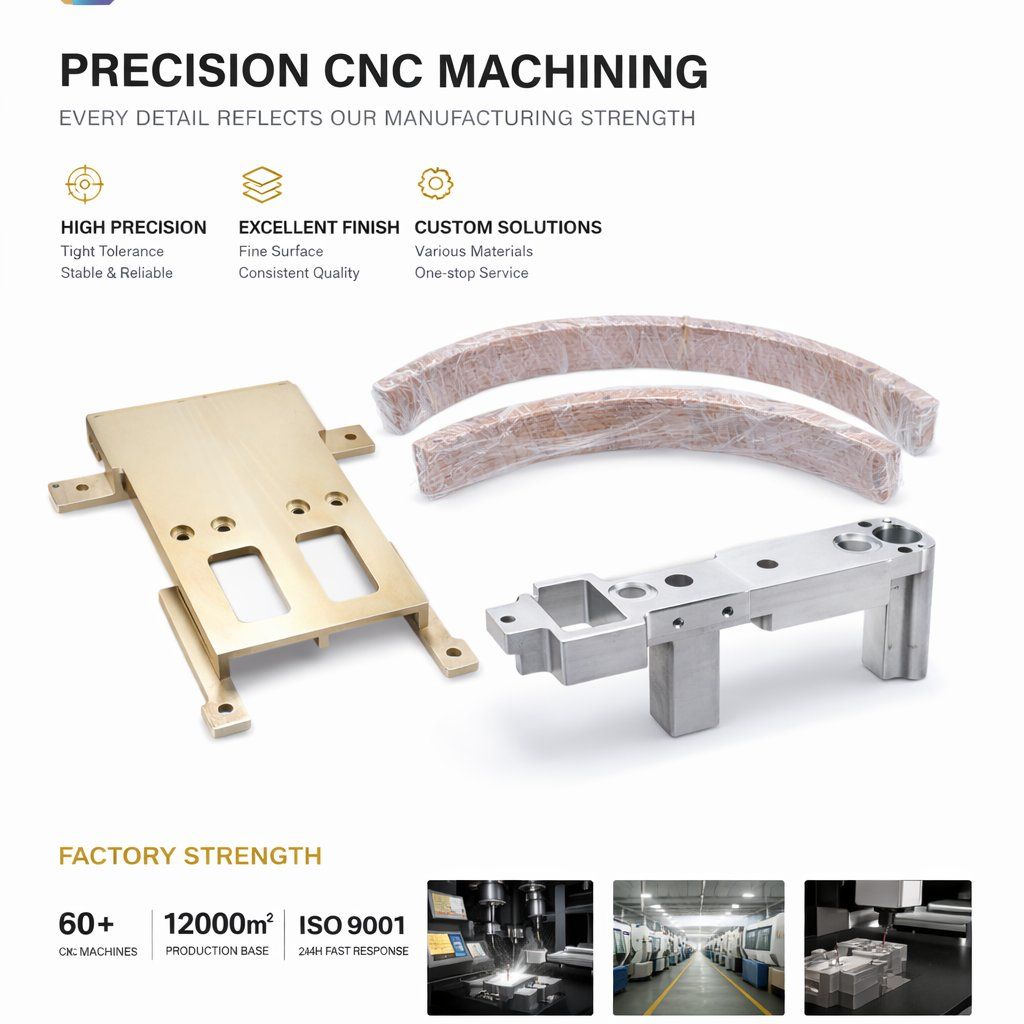
A CNC machining certificate is a scoped statement. It names a standard revision, a process or product category, a market, an issuing body, and a validity window — and it is only useful to a buyer when those fields match the purchase order in front of them. Reading the document line by line, rather than accepting the logo printed beside it, is the fastest way to establish whether a supplier's quality system actually covers the parts being sourced to ±0.01 mm tolerance.
This reference audits three certificate types that commonly appear in a CNC machining supplier pack: an ISO 9001 quality management certificate, an aerospace quality management certificate, and a RoHS 2.0 compliance certificate. The worked examples come from SUNPREC HARDWARE CO.,LTD, a one-stop metal part manufacturer established in 2020 in Dongguan City, Guangdong Province, China, whose main products are CNC Machining, Die Casting, and Extrusion, and whose exports account for roughly 90% of total sales, primarily into EU and USA markets.
The purpose here is not to argue that certificates are unimportant. It is to treat them as documents with boundaries — because boundaries are exactly where procurement risk concentrates.
Why a Certificate Logo Is Not Certificate Evidence
A quality logo on a quotation, a website header, or a trade-show booth confirms that a document exists somewhere in a supplier's files. It does not confirm which legal entity holds the certificate, which standard revision it was issued against, which processes fall inside the scope statement, or whether the document is still inside its validity window.
For a buyer sourcing precision CNC parts machined to ±0.01 mm, those four details — entity, revision, scope, validity — separate a verifiable claim from a general impression. The distinction matters most at the moment an order is placed. A supplier can hold a genuine certificate and still be uncertified for the specific process, the specific material, or the specific destination market that the buyer's order requires.
Certificate review therefore belongs at the front of supplier qualification, alongside drawing review, material specification, and inspection planning. Treated as an end-of-process document collection exercise, it produces a file that looks complete and answers nothing.
The Five Fields That Decide Whether a Certificate Is Usable
Every management-system or compliance certificate carries the same core fields. Each one answers a different question a buyer needs answered before the certificate can support an order.
1. The issuing body
The body that signs the certificate is the only party that can confirm it. A buyer should record the certification body's name exactly as printed and treat any other name — a trading partner, an agent, a consultant — as unverified. In the set reviewed here, three documents were issued by three different bodies: INV issued the ISO 9001 certificate, Bureau Veritas Certification issued the aerospace certificate, and BTL issued the RoHS compliance certificate. Three issuers mean three independent verification routes, each with its own record of the certificate it issued.
2. The standard, including its revision year
Standards are revised, and a certificate states the revision it was awarded against. The ISO 9001 certificate IAS25Q391R0 was issued against GB/T19001-2016 / ISO 9001:2015. The aerospace certificate CN059921 was issued against EN 9100:2018, which is technically equivalent to AS9100D and also has a BS equivalent. The RoHS 2.0 compliance certificate BTL20250603446 references RoHS Directive (EU) 2015/863. The revision line matters whenever a buyer's own customer, or a market regulator, specifies a particular edition rather than a standard family.
3. The scope statement — the line most often misread
Scope is where a certificate either matches an order or fails it, and scope language is deliberately narrow. The ISO 9001 certificate IAS25Q391R0 covers CNC Machining hardware parts in the Global market. The aerospace certificate CN059921 covers CNC Machining and Die casting. The RoHS compliance certificate BTL20250603446 covers CNC Machining metal accessories under RoHS Directive (EU) 2015/863, and its scope permits the CE mark.
Three certificates, three different boundaries. A die cast housing later finished on a 3-axis CNC milling center sits inside the aerospace certificate's scope but outside the ISO 9001 scope as written. A stainless steel machined bracket shipped to an EU customer sits inside the RoHS certificate's scope because it is a CNC machined metal accessory. A buyer who reads only “ISO 9001 certified” and then orders die castings has not verified the process that will actually produce the part.
4. The certificate number
The certificate number converts a document into a query. IAS25Q391R0, CN059921, and BTL20250603446 are unique identifiers that can be checked against the issuing body's records. Two habits matter: record the number exactly as printed, including prefixes and suffixes, and re-check it whenever the certificate file is updated, because a change of number usually signals a re-issue rather than a routine renewal.
5. The validity window
Validity windows turn a certificate into a time-bound asset. The aerospace certificate CN059921 is valid from 2026-05-26 to 2029-05-25. The RoHS compliance certificate BTL20250603446 is valid from 2025-06-10 to 2029-06-10. For the ISO 9001 certificate reviewed here, the summarized evidence describes the standard and scope; the current certificate file should be requested directly so the expiry date can be recorded in the supplier file alongside the number.
A validity window has a second function beyond proving current status: it sets the moment when the buyer must re-verify. If a machining program runs for eighteen months, the certificate that was valid at kickoff may need re-confirmation before final delivery. Management-system certificates are typically maintained through periodic surveillance rather than a single renewal event, so the certificate a buyer sees at onboarding is not automatically the certificate that governs the last shipment.
Three Certificates, Three Different Boundaries
Read side by side, the three documents answer three separate procurement questions: who governs the quality system, who governs the aerospace process set, and who confirms material compliance for the destination market.
| Field | ISO 9001 certificate | Aerospace certificate | RoHS 2.0 compliance certificate |
|---|---|---|---|
| Certificate number | IAS25Q391R0 | CN059921 | BTL20250603446 |
| Issuing body | INV | Bureau Veritas Certification | BTL |
| Standard | GB/T19001-2016 / ISO 9001:2015 | EN 9100:2018 (technically equivalent to AS9100D; BS equivalent) | RoHS Directive (EU) 2015/863 |
| Scope as written | CNC Machining hardware parts | CNC Machining and Die casting | CNC Machining metal accessories |
| Market note | Global market | — | Permits the CE mark |
| Validity | Confirm on current certificate file | 2026-05-26 to 2029-05-25 | 2025-06-10 to 2029-06-10 |
The table is deliberately unimpressive. There is no badge, no seal, and no claim of superiority. What it provides is a set of boundaries a buyer can test an order against — and that test is where the real value of certificate auditing sits.
Mapping Scope Statements to Purchasing Terms and Acceptance Criteria
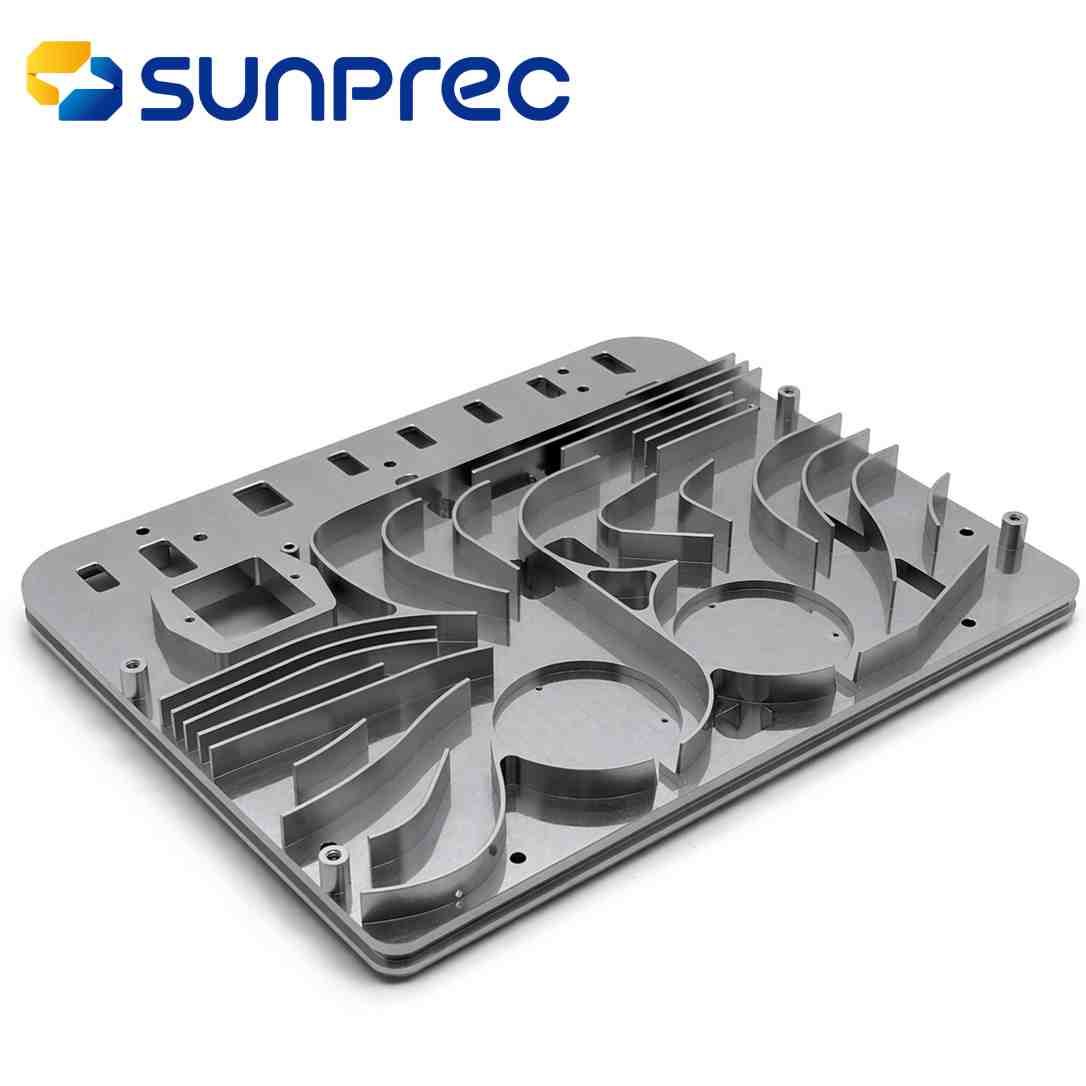
The scope line is usable only when it is checked against three fields on the purchase order: process, material, and destination market. Each check produces either a match, a gap, or a question that must be answered before the order is released.
Process match
If the order specifies CNC turning and 5-axis milling, the process is named in both the ISO 9001 scope (“CNC Machining hardware parts”) and the aerospace scope (“CNC Machining and Die casting”). If the same order includes extruded components, no certificate in this set names extrusion as a scope item, and that becomes a flag rather than an assumption. Scope matching is a comparison, not a judgment about supplier quality.
Material match
The RoHS certificate's scope covers CNC Machining metal accessories, which is the relevant category for machined aluminum, stainless steel, brass, and titanium components. Material-specific claims, however, come from mill certificates and material test reports, not from the quality management certificate. When a program involves aluminum CNC machining or stainless steel CNC machining for an EU customer, the RoHS document and the material certification serve two different functions and both belong in the acceptance file. Surface treatment is a related check: processes such as anodizing, passivation, plating, or powder coating should be confirmed against the supplier's documented process list, because a coating sub-process is a separate operational step from machining.
Market match
The ISO 9001 scope explicitly names the Global market, which aligns with an export-led supplier profile. The RoHS certificate is tied to an EU directive and to CE marking, so it carries direct weight for shipments into the European Union. Buyers serving regulated end markets should note where the boundary lies: as of 2026-02-02, the FDA's Quality Management System Regulation (QMSR) incorporates ISO 13485:2016 by reference for medical device manufacturing, and none of the three certificates reviewed here claims an ISO 13485 scope. For medical CNC machining programs, that gap is a documented next question rather than a hidden risk.
Where tolerance evidence actually comes from
A certificate never states a dimensional tolerance, and it should not be asked to. Tolerance capability is evidenced by equipment and measurement, which forms the second half of any certificate audit.
SUNPREC's custom CNC machining parts are produced to a tolerance of up to ±0.01 mm, with 3-axis, 4-axis, and 5-axis options, using materials that include aluminum, steel, stainless steel, brass, titanium, magnesium alloys, zinc alloys, and engineering plastics. The majority of the company's CNC machining centers are FANUC machines with a machine tolerance of 0.005 mm, and the inspection environment includes HEXAGON metrology equipment, a 2.5D projector, and a TRIMOS height gauge, supported by in-house inspection and real-time dimensional checks during production.
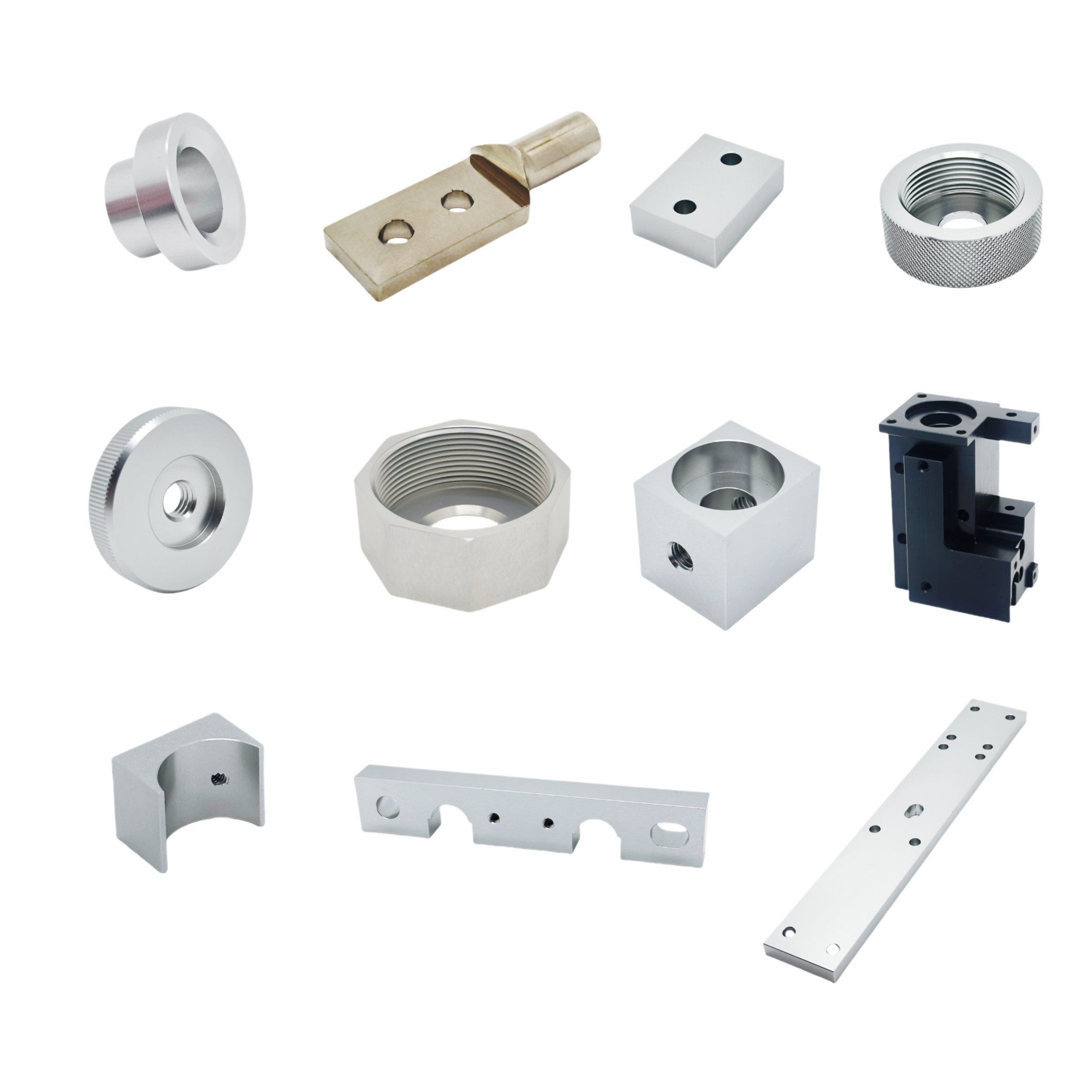
The practical rule that follows: a certificate establishes that a process is governed; an inspection report establishes that a specific part conforms. Both are required for ±0.01 mm precision CNC parts machining, and neither substitutes for the other.
Scope Gaps: A Six-Point Flagging Checklist
A scope gap exists whenever a certificate names a process, material, entity, or market that differs from what the order requires. The following checks are ordered by how often they produce a genuine procurement problem.
- Process gap. Does the scope name the process that will produce the part? The ISO 9001 scope names CNC Machining hardware parts; the aerospace scope adds Die casting; extrusion is not named in this set.
- Material or component gap. Does the item fall inside the scope wording? The RoHS certificate covers CNC Machining metal accessories — buyers ordering die cast or non-metal components on the same order should confirm whether coverage exists under the same document or a separate one.
- Market gap. Does the scope name the market you ship into? The ISO 9001 scope states Global market; the RoHS document is EU directive-based. A destination market outside that framing needs its own confirmation.
- Revision gap. Is the stated standard revision the one your customer, regulator, or end-market requires — ISO 9001:2015, or EN 9100:2018 as the AS9100D equivalent?
- Entity and site gap. Which legal entity and which manufacturing site does the certificate cover? Group certificates and site-specific certificates are not interchangeable.
- Number and date gap. Does the printed certificate number match the issuer's record, and does the validity window cover the full program timeline rather than only the first purchase order?
Certificate Audit Versus Sample-Based Verification: Where the Boundary Sits
The traditional alternative to certificate auditing is sample-based trust: a supplier sends a machined sample, the sample measures well, and the relationship proceeds on that basis. Sample verification answers a real question — whether this supplier can hold a tolerance on this geometry — but it answers it for one lot, at one point in time, on one drawing.
Certificate auditing answers a different question: whether the system that produced the sample is defined, documented, and periodically reviewed. Its limitation is equally clear. A certificate describes a system at issue date; it does not certify a specific production lot, it does not extend automatically to processes outside its scope wording, and it does not replace first-article inspection, material certification, or in-process measurement.
Two boundaries are worth stating plainly for the documents reviewed here. First, the ISO 9001 evidence summarized in this audit describes the standard, issuer, scope, and market, but not a validity window — the current certificate file must be obtained before an expiry date can be recorded. Second, an aerospace quality management certificate covering CNC Machining and Die casting is a management-system credential, not a part-level approval and not a blanket approval for every special process a program might require.
The correct combination is layered, not exclusive: certificates establish the governance framework; first-article inspection validates the geometry; material certifications validate the alloy; and dimensional reports validate each production lot. A buyer who relies on any single layer is under-verifying, and a buyer who requires all four is pricing the verification into the order, which is normally the right decision for ±0.01 mm work.
Market Context: Why Certificate Literacy Is Becoming a Procurement Skill
Certificate volume scales with market size, and the market is large. The global CNC machining and turning centers market is valued at USD 31.3 billion in 2026, according to Grand View Research. The U.S. machine shop services market alone is valued at USD 46.3 billion in 2026, with approximately 16,400 active businesses, according to IBISWorld.
Growth is concentrated where certification carries contractual weight. Aerospace CNC machining is projected to grow from USD 4.7 billion in 2024 toward USD 8.8 billion by 2033, according to Dataintelo, and 5-axis vertical machining centers were identified in 2026 as a critical high-growth segment for complex aerospace and automotive components. Asia Pacific held a 55.5% revenue share of the CNC machining and turning centers market in 2023, according to Grand View Research — meaning that a substantial share of certificates worldwide are issued to suppliers in one region and read by buyers in another.
That cross-border pattern is what turns certificate literacy into an ordinary procurement skill rather than a compliance specialism. It also explains why scope wording matters more than certificate presentation: a buyer in Germany, France, Italy, the United States, Mexico, Israel, or Australia is reading scope language written for a global or regional market, and the wording must be reconciled with the order rather than assumed to cover it.
The same definition lesson applies to market data itself. Published market sizes for CNC equipment diverge substantially between research houses because some measure “machining and turning centers” while others measure the broader “CNC machine tools” category. Definitions change the number — precisely the effect a scope statement has on a certificate.
Future Outlook
Three shifts are likely to make certificate auditing more structured over the next several years.
Process-named scopes. As 5-axis machining expands into complex aerospace and automotive work, buyers are increasingly asking which process a certificate names rather than which standard it cites. Suppliers that can state their scope in process language — CNC machining, die casting, extrusion, surface finishing — will be easier to qualify than those that present a standard alone.
Verification moving online. Certificate numbers such as IAS25Q391R0, CN059921, and BTL20250603446 exist so they can be checked with the issuing body. As supplier onboarding becomes more digital, recording the number, issuer, scope, and expiry as separate data fields — rather than filing a PDF — becomes the practical standard.
Material compliance merging into quality review. RoHS and CE documentation already sit inside supplier packs alongside quality certificates. With the FDA's QMSR incorporating ISO 13485:2016 by reference for medical device manufacturing as of 2026-02-02, buyers in regulated segments are expanding their certificate checklists to include quality-system scopes beyond ISO 9001. Suppliers serving aerospace, medical, semiconductor, new energy, rail traffic, robotics and instrumentation markets will be asked for scope statements that match each one.
The predictable outcome is not more certificates. It is better reading of the certificates that already exist — and expiry dates tracked next to purchase orders, the way material certificates already are.
FAQ
What does the ISO 9001 certificate IAS25Q391R0 actually cover?
IAS25Q391R0 was issued by INV against GB/T19001-2016 / ISO 9001:2015, with a scope covering CNC Machining hardware parts in the Global market. This is a quality management system scope, not a part-level approval: it states which process category and which market the system was certified for, and it does not extend to processes such as die casting or extrusion that are not named in the scope wording.
What is the difference between EN 9100:2018 and AS9100D on certificate CN059921?
CN059921 was issued by Bureau Veritas Certification against EN 9100:2018, which is technically equivalent to AS9100D and also has a BS equivalent. The certificate scope covers CNC Machining and Die casting, and it is valid from 2026-05-26 to 2029-05-25. Because the standard's title varies by regional publication, buyers should confirm the stated revision against whatever their own customer or regulator specifies.
Does the RoHS compliance certificate BTL20250603446 cover every item in a mixed order?
BTL20250603446 was issued by BTL covering CNC Machining metal accessories under RoHS Directive (EU) 2015/863, valid from 2025-06-10 to 2029-06-10, and its scope permits the CE mark. Items outside “CNC Machining metal accessories” — for example die cast components or non-metal parts shipped on the same order — should be confirmed as covered under the same document or under separate documentation.
How do these certificates relate to a ±0.01 mm tolerance requirement?
Certificates describe governance of a process; they do not state a dimensional tolerance. Tolerance evidence comes from the production and measurement chain instead: machining centers capable of holding the specified limits, metrology equipment, and documented inspection. In the case reviewed, custom CNC machining parts are produced to a tolerance of up to ±0.01 mm, the majority of CNC machining centers are FANUC machines with a machine tolerance of 0.005 mm, and inspection uses HEXAGON metrology equipment, a 2.5D projector, and a TRIMOS height gauge, with in-house inspection and real-time checks during production.
When should a certificate be re-verified during an ongoing program?
Re-verification is normally triggered by three events: at supplier onboarding and before purchase order release; whenever the order's process, material, or destination market changes; and whenever the program timeline extends toward or beyond a certificate's expiry date. Because the aerospace certificate is valid to 2029-05-25 and the RoHS certificate to 2029-06-10, a multi-year program should have both dates recorded next to the purchase order rather than filed only with the original supplier documents.
SUNPREC HARDWARE CO.,LTD's June 2026 capability presentation, which summarizes its machining, inspection, and documentation workflow, is available for download here.