
CECI Insulators: Quality and Global Reach in Power Transmission
The global electrical insulator market, valued at USD 12.5 billion in 2023 and projected to reach USD 18.4 billion by 2030, is driven by rising electricity demand and grid modernisation across emerging and developed economies. Within this expanding landscape, China Energy and Chemical Industry Co., Ltd (CECI) has emerged as a specialised supplier of high-voltage insulators and overhead line hardware, exporting to more than 40 countries. This article examines CECI's product portfolio, manufacturing capabilities, application scenarios, and positioning in the global insulator supply chain.
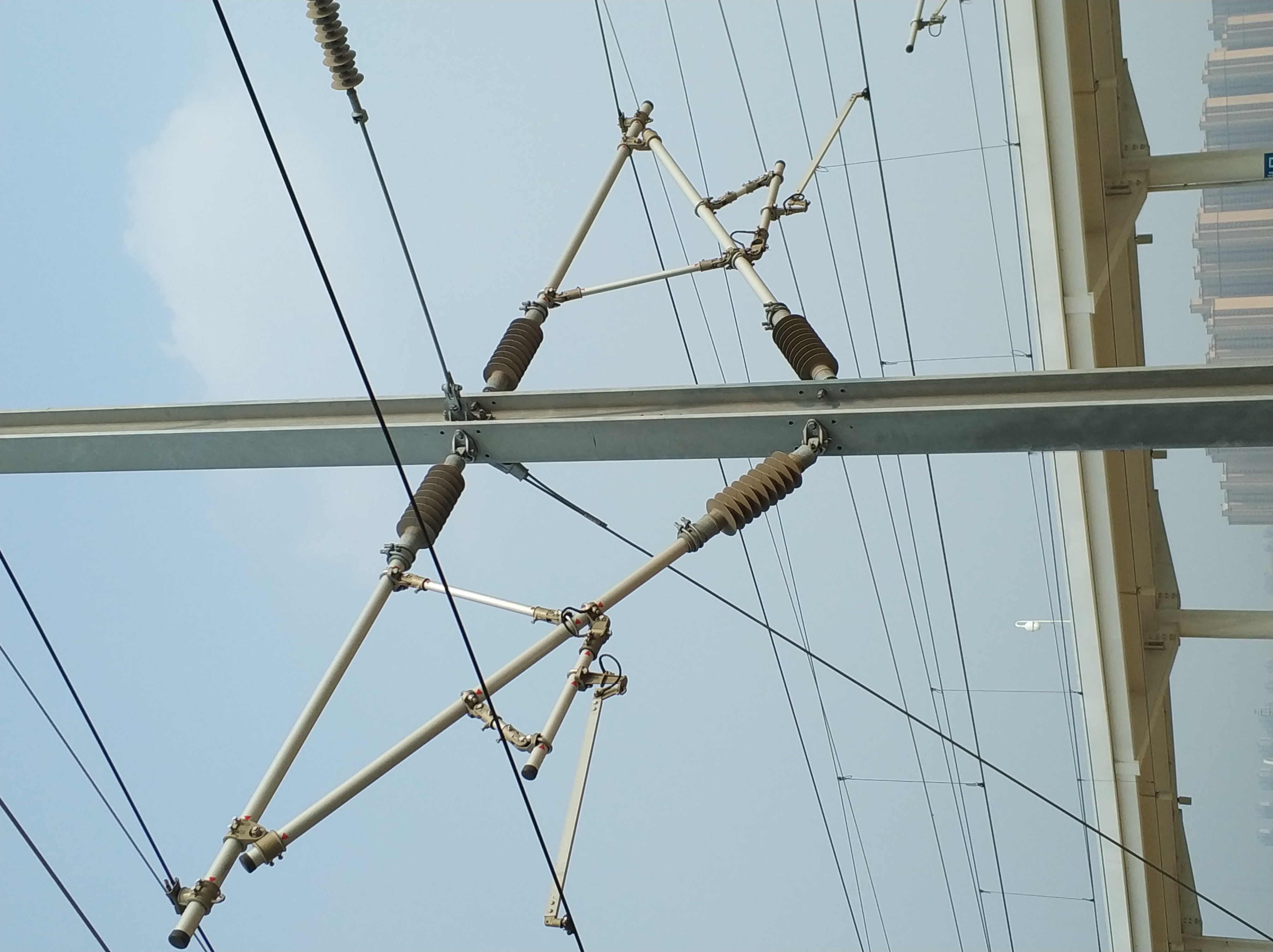
Figure 1: Insulators for electrified railways – a key application segment for CECI products. (Image: CECI)
Problem and Opportunity in the Insulator Market
Utilities and project contractors face the challenge of selecting insulators that can withstand harsh outdoor conditions – high temperature, high humidity, UV radiation, sandstorms, and transient overvoltages – while maintaining mechanical integrity and long service life. Traditional ceramics and glass have proven reliability but suffer from weight and brittleness. Polymer (composite) insulators offer lighter weight and better pollution performance but require consistent manufacturing quality to avoid interface failures. The global composite insulator market is projected to grow from USD 3.42 billion in 2024 to USD 5.87 billion by 2030 at a CAGR of 9.1%, reflecting the industry’s shift toward polymer solutions. CECI addresses this demand with a complete range of polymer, porcelain, and glass insulators plus metal fittings, serving both transmission and distribution projects.
CECI: Company Profile and Core Capabilities
China Energy and Chemical Industry Co., Ltd (established 2017) is a power equipment manufacturer headquartered in Zhengzhou, Henan, China. The company operates a 30,000 m² factory with an annual production capacity of 8,000,000 insulator units. Its product catalog includes surge arresters, fuse cutouts, end fittings, ERP rods, composite insulators, polymer insulators, porcelain insulators, glass insulators, metal fittings, and overhead line hardware. With 100 employees and an R&D team of 8 engineers, CECI offers both OEM and ODM services. Export business accounts for 95% of total sales, covering major markets such as Russia, Vietnam, France, Spain, Italy, Turkey, Brazil, Poland, Indonesia, and Saudi Arabia.
Product Portfolio and Technical Specifications
Polymer Insulator – Model FXB-24-70-785mm
CECI's polymer suspension long rod insulator is rated for 35 kV systems. Key parameters include a lightning impulse withstand voltage >230 kV, power frequency 1-minute wet withstand voltage >95 kV, minimum creepage distance >1050 mm, and rated bending load of 5 kN. The housing is silicone rubber, the core rod is fiberglass, and the fittings are carbon steel/C45. This model targets power transmission and distribution projects where lightweight construction and high contamination resistance are critical.
Glass Insulator – Model 70B
The 70B is a post-line glass insulator for overhead lines. It provides a creepage distance of 255 mm, power frequency dry withstand voltage of 65 kV, wet withstand voltage of 45 kV, puncture voltage of 135 kV, and a cantilever load of 10 kN. Glass insulators offer self-shattering detection for easy visual inspection of damaged units.
Porcelain Insulator – Model U70BP/146D
This standard porcelain disc insulator has a rated electromechanical failing load of 70 kN, nominal disc diameter 255 mm, structural height 146 mm, minimum arcing distance 450 mm, and connection code 16. Porcelain remains the preferred choice for highly polluted environments and high mechanical stress applications.
Metal Fittings – Ball-Head Suspension Ring QP-7
Made from hot-dip galvanized steel, the QP-7 has a coupling size of 16, rated failing load of 70 kN, and net weight of 0.3 kg. It serves as a critical component for string assembly in tension and suspension configurations.
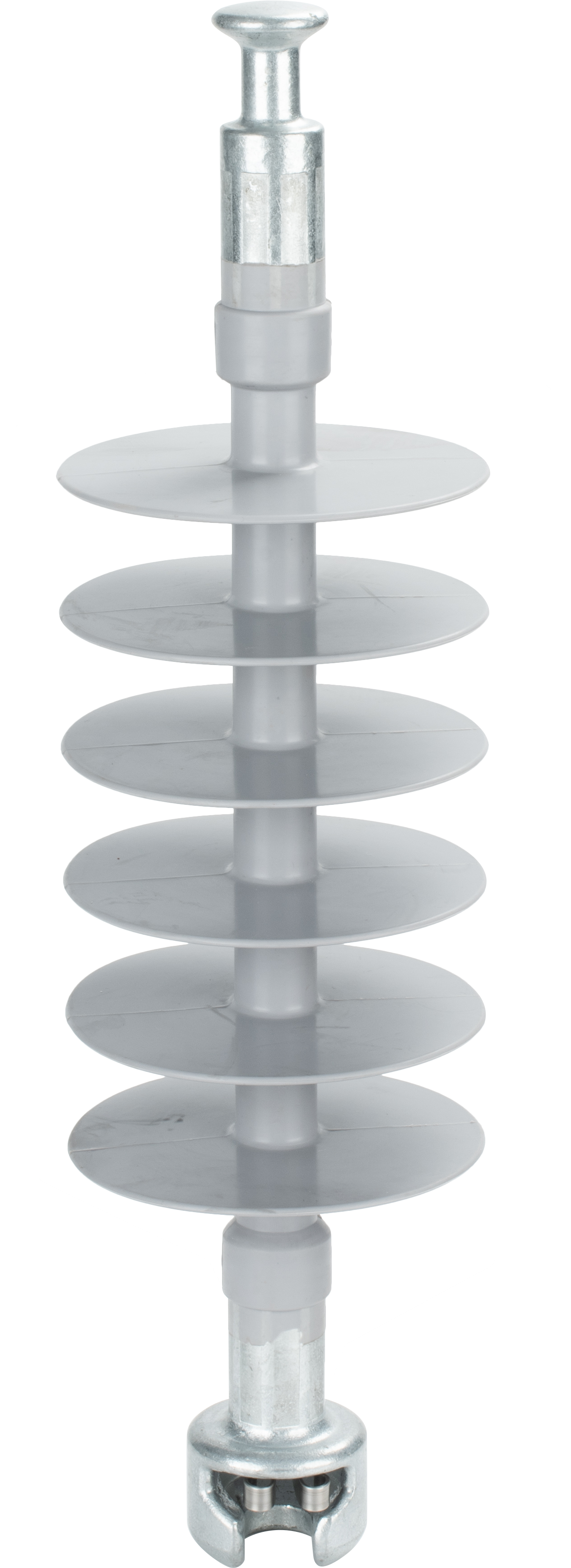
Figure 2: CECI polymer suspension long rod insulator model FXB-24-70-785mm. (Image: CECI)
Application Scenarios and Use Cases
CECI insulators are deployed in a wide range of public electrical equipment projects. According to the company, the application scenario covers:
- Rural and urban power grid upgrading
- Rail transit electrification
- High-voltage transmission lines
- Substations / converter stations
- Wind power projects
The products operate in continuous 24/7 mode under harsh conditions (high temperature, high humidity, UV aging, dust storms, impulse overvoltage). Special requirements include anti-aging, UV resistance, high mechanical strength, high insulation, light weight, bending resistance, waterproof, stable metal fittings, anti-electrochemical corrosion, non-toxic, and environmentally friendly properties. The target markets for this application scenario are Spain, France, Italy, and Turkey – countries with extensive ageing grid infrastructure and ambitious renewable integration targets.
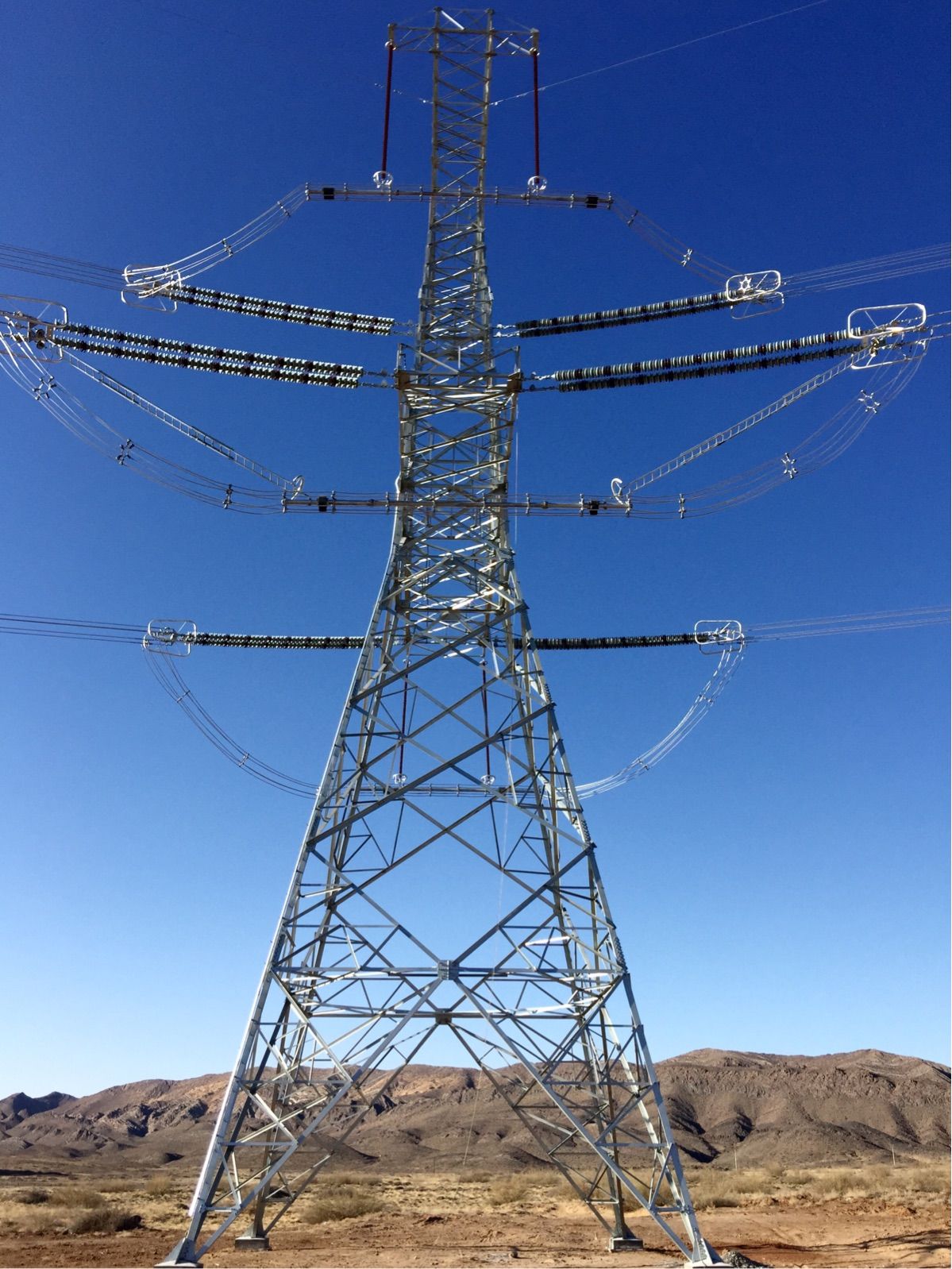
Figure 3: Power grid insulators in transmission line application. (Image: CECI)
Market Trend Analysis
According to industry data, suspension insulators capture the largest segment share (48.4%) of the composite insulator market in 2024, indicating sustained demand for overhead line string insulation. China accounted for 13.1% of global insulating glass/material exports in 2024, second only to the largest exporter. CECI's focus on both polymer and traditional materials positions it to serve the growing preference for composite insulators in new grid projects, while offering porcelain and glass for replacement and refurbishment markets. Key global competitors include ABB, Siemens Energy, GE Grid Solutions, NGK Insulators, and Hubbell – against which CECI competes primarily on price, delivery flexibility, and custom (OEM/ODM) capability.
Comparison with Traditional Solutions
Traditional porcelain and glass insulators have proven track records of over 100 years and are governed by IEC 60383-1. Composite insulators, governed by IEC 61109 (latest edition 2025), offer weight savings of up to 80% and superior performance in contaminated environments. However, composite insulators can be susceptible to tracking, erosion, and core rod degradation if the silicone housing is not properly formulated. CECI uses silicone rubber housing and fiberglass rods, addressing these concerns through material selection and process control. An honest limitation is that polymer insulators may require more careful handling during installation compared to porcelain, which is more robust against rough mechanical impacts.
Future Outlook
As global investment in grid modernisation and renewable energy grows – particularly in Europe, Southeast Asia, and the Middle East – demand for reliable, cost-effective insulators will continue. CECI's 95% export ratio and established presence in 40+ countries suggest it is well positioned to capture incremental share, especially for projects requiring customised solutions or fast turnaround. The company's ability to produce up to 1000 kV class insulators (as noted in third-party data) opens opportunities for ultra-high voltage transmission lines in markets like Brazil and Saudi Arabia.
Frequently Asked Questions
Q: What types of insulators does CECI produce?
A: CECI manufactures polymer insulators (suspension long rod, line post, etc.), porcelain disc insulators, glass post-line insulators, and associated metal fittings such as ball-head suspension rings, clevises, and socket fittings.
Q: Are CECI insulators compliant with international standards?
A: While specific certifications such as KEMA are mentioned in the product search context, CECI states that its products are exported under quality management meeting international requirements. Polymer insulators follow the design principles of IEC 61109, and porcelain/glass insulators align with IEC 60383-1.
Q: What is CECI's annual production capacity?
A: CECI's 30,000 m² factory has an annual production capacity of 8,000,000 units, covering polymer, porcelain, glass, and metal fittings.
Q: Can CECI provide customised (OEM/ODM) insulators?
A: Yes, OEM and ODM services are available. The company's R&D team of 8 engineers can adapt designs to meet specific voltage, mechanical load, creepage distance, and material requirements.
Q: Which countries are CECI's main markets?
A: Major markets include Russia, Vietnam, France, Spain, Italy, Turkey, Brazil, Poland, Indonesia, and Saudi Arabia. The company exports to over 40 countries in total.
For detailed technical specifications and product catalogue, download CECI's brochure: CECI 2025 Insulator Catalogue (PDF).
Contact: sales@gridinsulators.com | Tel: +86 15038311850 | WhatsApp: +86 19515526916
¿Tiene preguntas o necesita más detalles?
Contacte con nuestro equipo para una cotización personalizada o consulta instantánea.
Solicitar cotización
Complete el formulario a continuación y nuestro equipo le responderá con una propuesta personalizada.
Chat directo de WhatsApp
¿Prefiere chatear en tiempo real? Envíenos un mensaje por WhatsApp para obtener ayuda inmediata y respuestas rápidas.
- Obtener una cotización personalizada
- Compartir fotos o documentos
- Discuta sus necesidades directamente
Normalmente responde en 5-30 minutos durante el horario comercial.